
 English
 Español
 Français
 简体中文
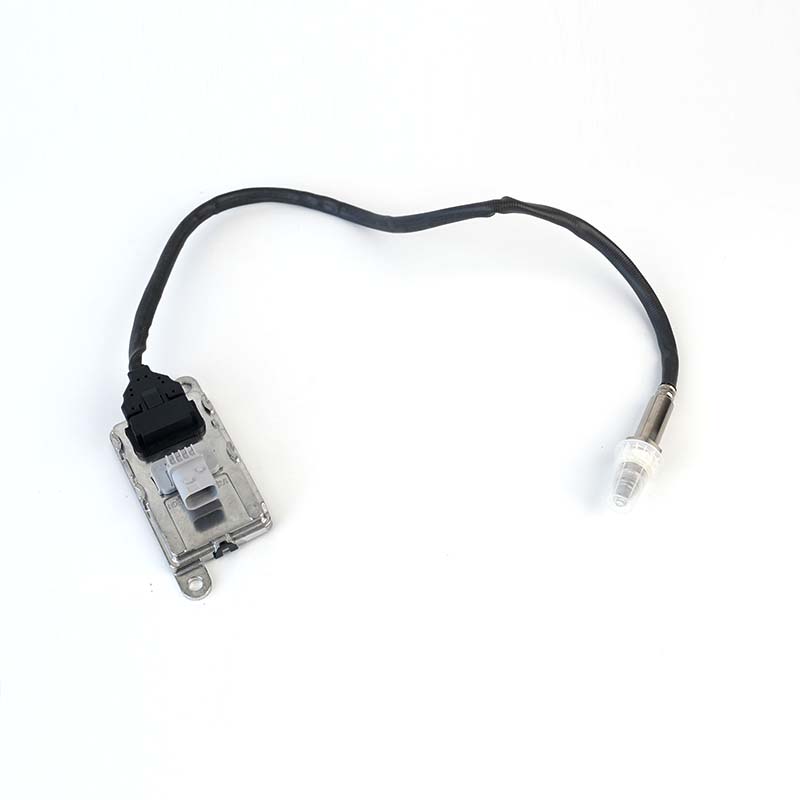
简体中文SOOK#:SKNOX001A Continenal No:5WK96751C,5WK96751A OE#:4326862 Application: Cummins
NOx Sensor Manufacturers
Our NOx sensors are specifically designed for modern internal combustion engines and hybrid vehicles, enabling real-time monitoring of NOx concentrations in exhaust gases to ensure compliance with stringent global emission standards such as Euro 6. As a self-owned manufacturing facility, we offer end-to-end control from research and development to production and testing, delivering highly reliable and cost-effective solutions to customers.
| Range | NOx: 0~1500ppm, O₂: 12%~21% |
| Accuracy NOx | 0~100ppm: ±10ppm |
| 100~500ppm: ±10% | |
| 500~1500ppm: ±15% | |
| Accuracy O₂ | 0%~5%: ±0.25% |
| 5%~21%: ±5% | |
| Response Time | t₁₀↔90% λlin < 4900ms |
| t₁₀↔90% NOx < 5300ms | |
| Power Supply | 12V, 24V |
| Light Off Time | 120s (Devpoint to status byte OK) |
| Design Life Time | 6000h or 350,000km |
| Sensor Cable Length | 415mm, 615mm, 915mm |
| Exhaust Temperature | 800°C |
| Wire Temperature | 200°C |
| Cross Sensitivity | NO₂, NH₃, Pressure |
-
-
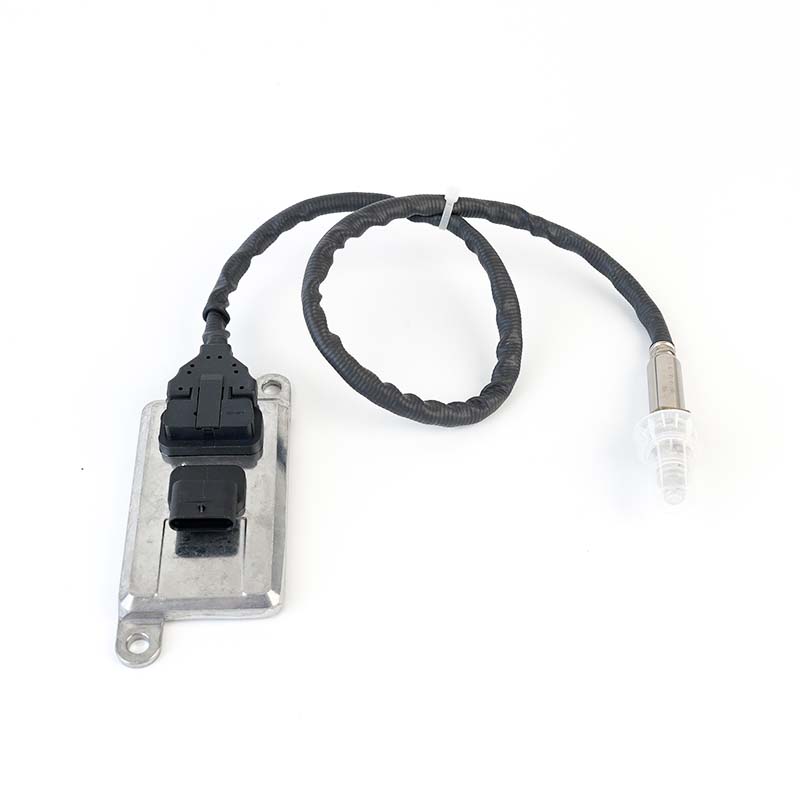 5801754015 NOx Sensor
SOOK#:SKNOX011 OE#:5801754015 Application: IVECO
-
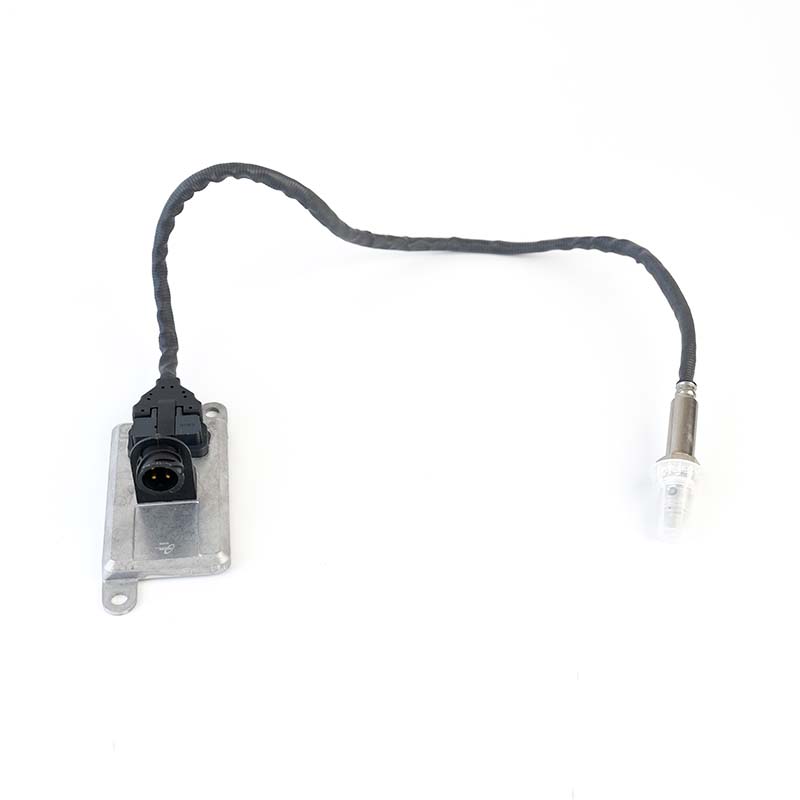 1782596 NOx Sensor
SOOK#:SKNOX012 Continenal No:5WK96612D OE#:1782596 Application: SCANIA ...
-
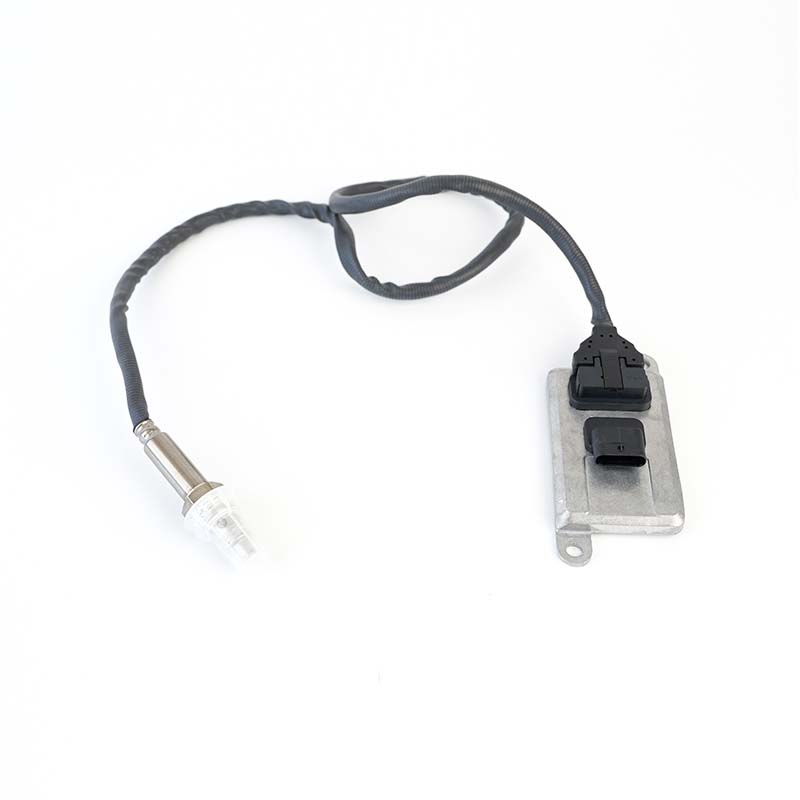 89463-E0013 NOx Sensor
SOOK#:SKNOX014 Continenal No:5WK96667C OE#:89463-E0013 Application: HINO
-
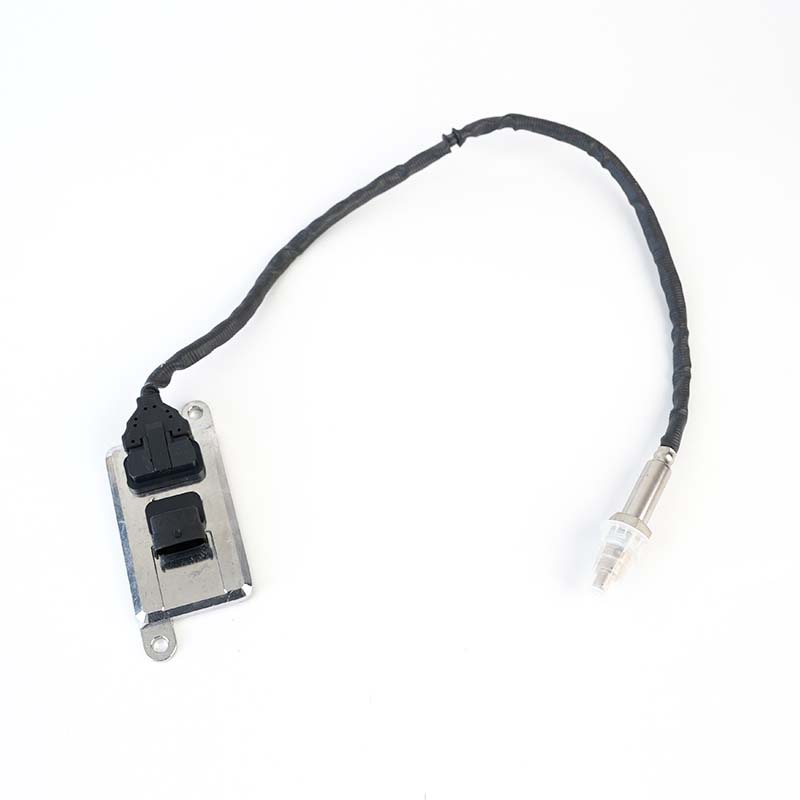 22219283 NOx Sensor
SOOK#:SKNOX015 OE#:22219283 Application: Volvo
-
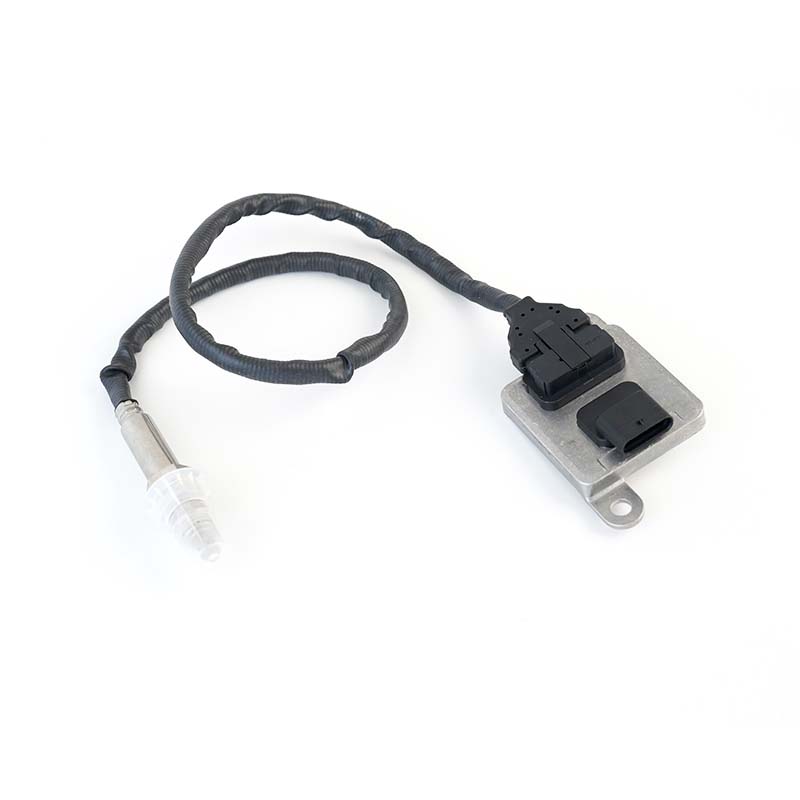 A0009053503 NOx Sensor
SOOK#:SKNOX031 Continenal No:5W96682C OE#:A0009053503 Application:Mercedes-Benz ...
-
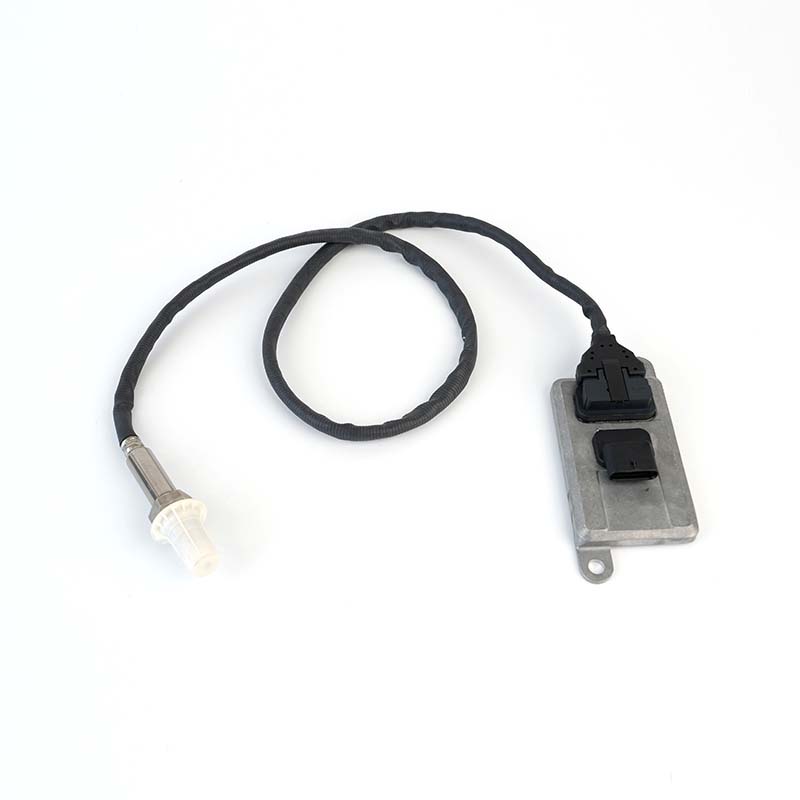 CTL number NOx Sensor
SOOK#:SKNOX079 Continenal No:5WK96714 OE#:CTL number Application: UniNOx
-
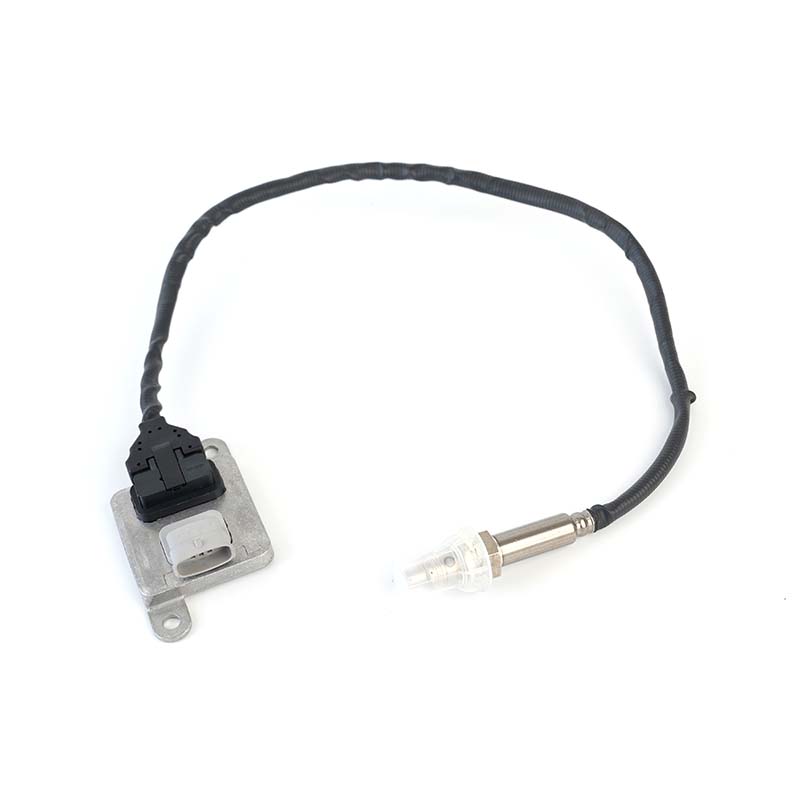 68067521AA NOx Sensor
SOOK#:SKNOX080 Continenal No:5WK96684A OE#:68067521AA Application: Ram
-
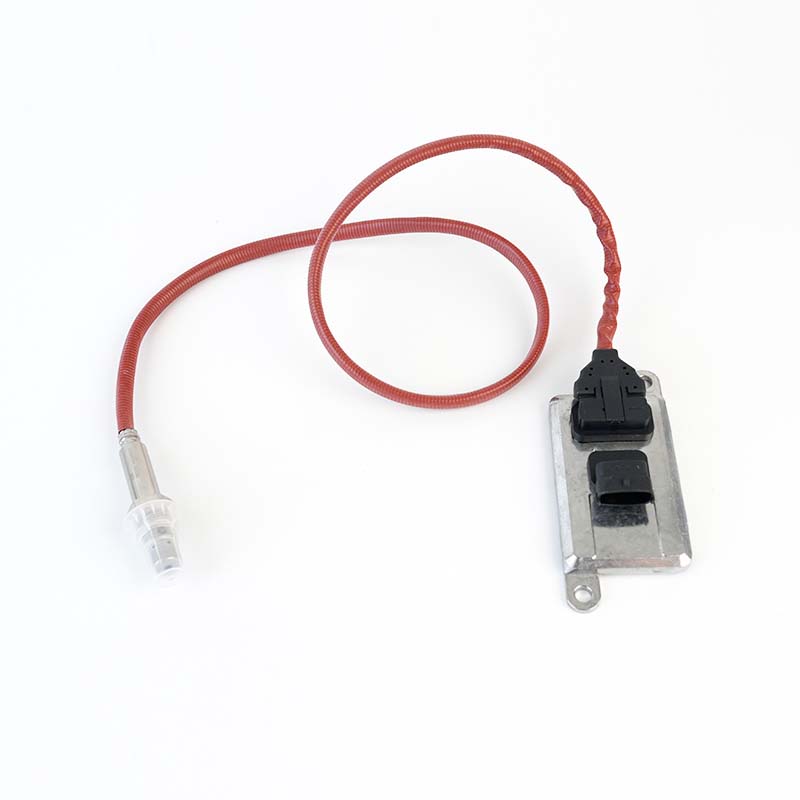 2011649,1793379,1836060 NOx Sensor
SOOK#:SKNOX081 Continenal No:5WK96628C OE#:2011649,1793379,1836060,1697586 Application:DAF
-
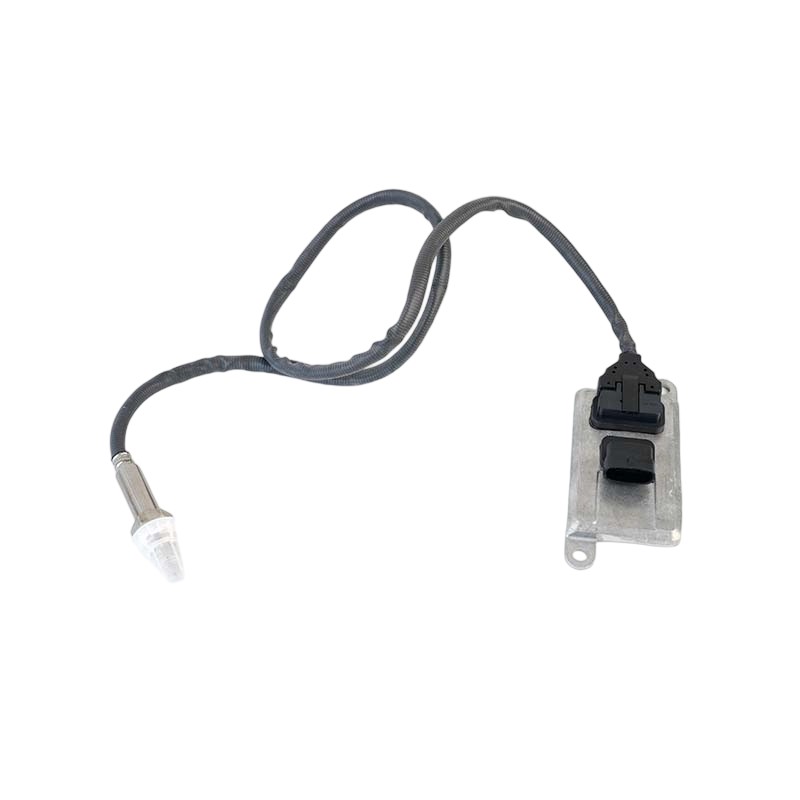 2011650 NOx Sensor
SOOK#:SKNOX082C Continenal No:5WK96626C OE#:2011650 Application: DAF
-
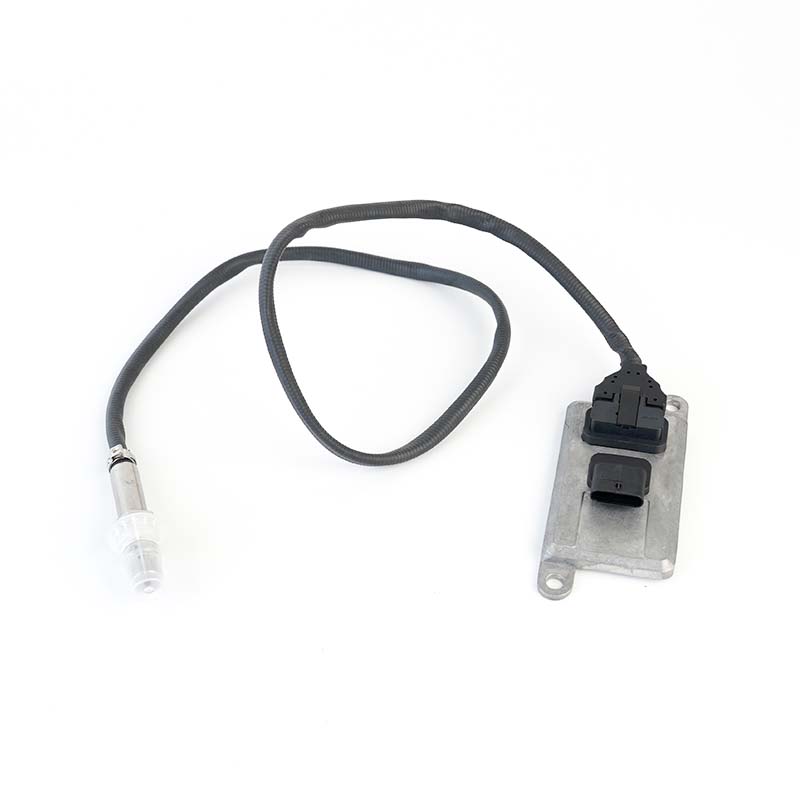 5801443021,5801273980 NOx Sensor
SOOK#:SKNOX084 Continenal No:5WK96733A OE#:5801443021,5801273980 Application: IVECO
-
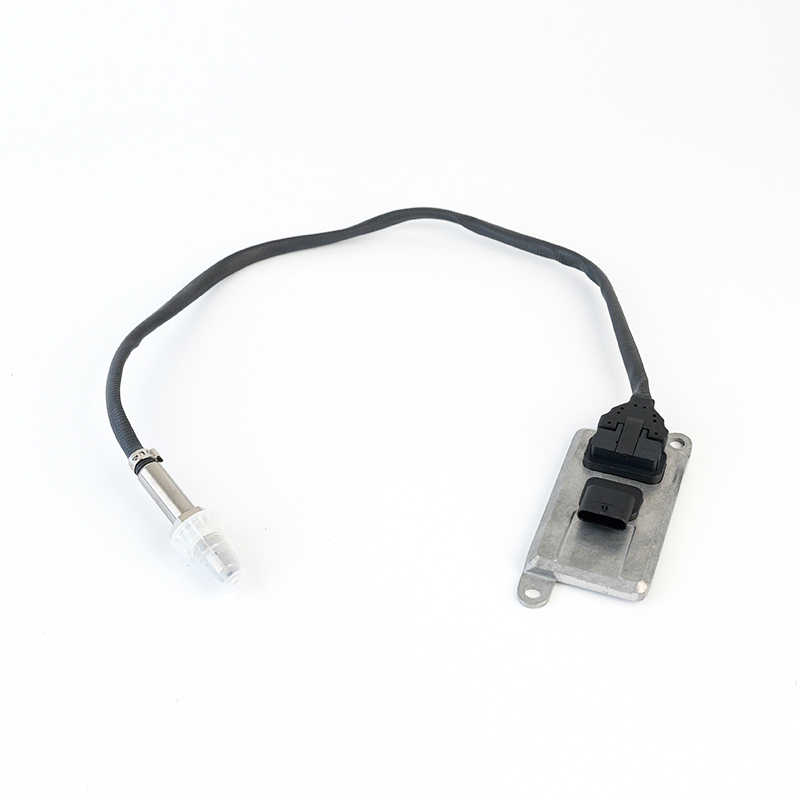 5801777219,41271167 NOx Sensor
SOOK#:SKNOX085 Continenal No:5WK96720A OE#:5801777219,41271167 Application: IVECO ...
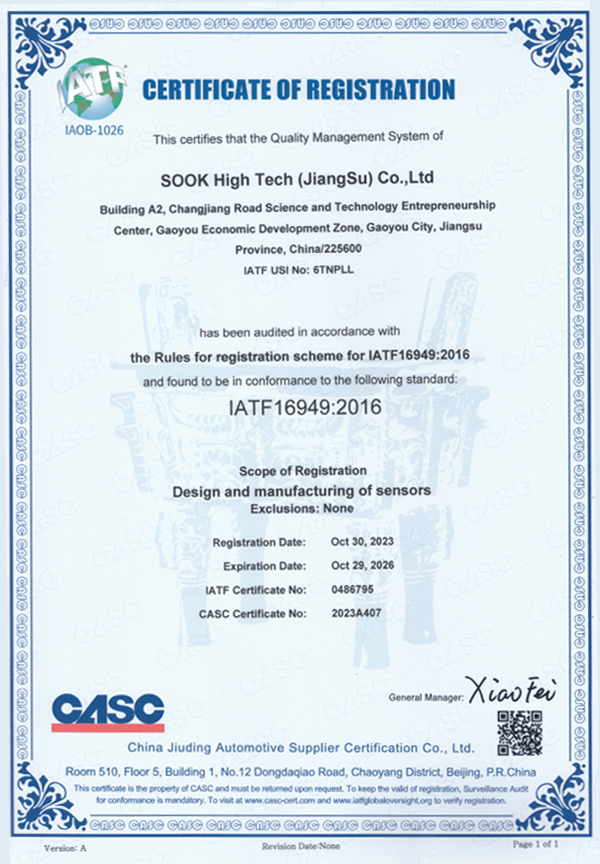
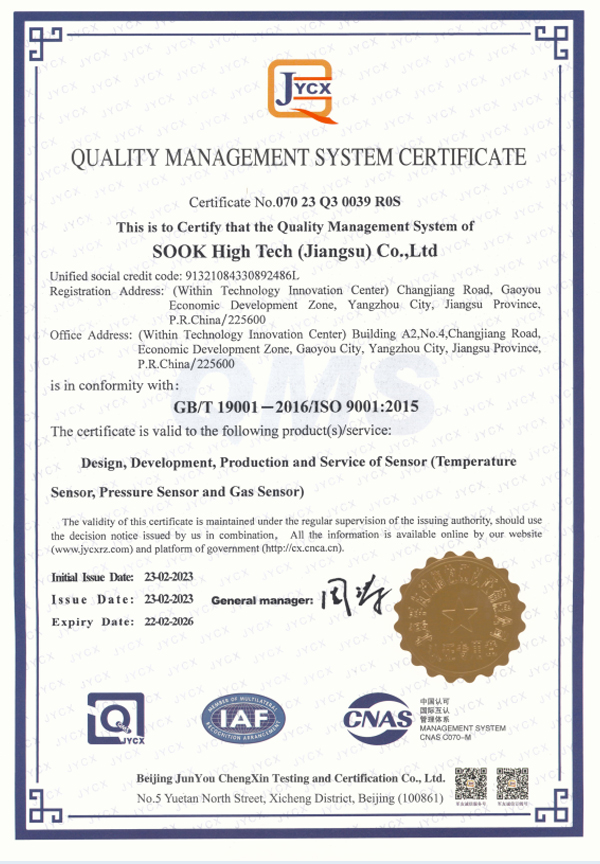
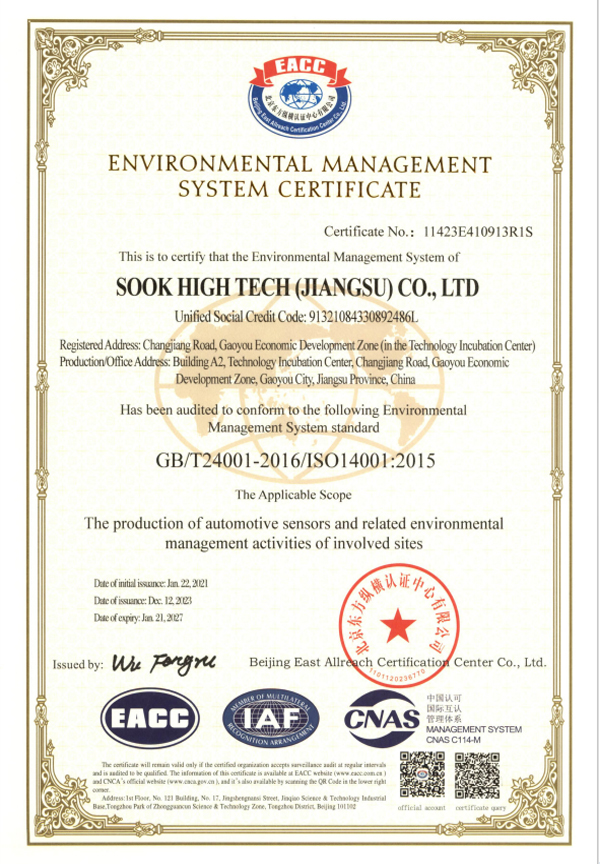
Certificate
Specializing in the research and development of intelligent vehicle exhaust temperature sensor, intelligent NOX sensor, NH3 sensor, H2 sensor and speed sensor, design, production, sales and integration.
ABOUT US
Sook High Tech (Jiangsu) Co., Ltd.
Sook High Tech (Jiangsu) Co., Ltd. was established in 2015, with a registered capital of 30.5 million yuan. Has won High-tech enterprise, National science and technology small and medium-sized enterprise, Software enterprise, Member of China Machinery Industry Standardization Technology Association, Council Members of Sensor and IoT Industry Association, Council Members of China Instrument Industry Association Sensor Branch and Council Members of Jiangsu Import and Export Chamber of Commerce.
As a professional China OEM NOx Sensor Manufacturers and ODM NOx Sensor Factory
, SOOK High Tech focuses on the design, production, sales and integration of various sensors for smart cars and industrial fields, as well as cables and heaters for the industrial field.
Has an annual production capacity of 600,000 sensors of various types. There are more than 2,000 items of exhaust temperature sensors, 450 items of NOx sensors, and 1,300 items of ABS sensor, which are exported to Europe and the United States.
Message Feedback
Recent News
Learn about our industry exhibition information and recent events in our company.
-
What are the core differences between Armored Heaters and ordinary heaters?
Armored heaters outperform ordinary heaters in mechanical protection, heat uniformity, lifespan, and suitability for harsh environments. While ordinary heaters may suffice for ho...13 -
What types of sensors are there?
Types of Sensors – A Complete Guide Sensors are the foundational building blocks of modern automation, manufacturing, automotive systems, and smart infrastructure. There are hundr...06 -
Does the ABS Sensor Affect the Vehicle's Computer?
The health of the ABS sensor directly affects the vehicle's computer (ECU) judgment. Sensor malfunctions can not only cause ABS failure but may also affect other systems: Affectin...27 -
What are the differences in the role of the NTC EGT Sensor in gasoline and diesel engines?
The NTC EGT Sensor primarily acts as a "guardian" in gasoline engines. Its core function is to prevent damage to critical components (such as the three-way catalytic converter) due...20
NOx Sensor Industry knowledge
What reset or learning steps are required after replacing a NOx sensor?
1. Clear fault codes and perform a system reset
After replacing a sensor, first use a professional diagnostic tool to read and clear the existing NOx sensor fault codes to ensure the ECU can receive the new sensor's signal.
2. Perform the sensor calibration (learning) procedure
Use the diagnostic tool to access the calibration menu of the emission control system and perform "sensor learning" or "adaptation" according to the manufacturer's instructions. This will allow the ECU to quickly establish a baseline NOx concentration under different operating conditions.
3. Conduct a road test to verify
After completing the reset and learning process, conduct a road test of at least 10 km to monitor exhaust NOx data for stability and confirm that the sensor response time (<1400ms) meets specifications.
4. Recheck the electrical connections
After the road test, recheck the tightness of the sensor connector, wiring harness, and heater circuit to prevent loosening caused by vibration from triggering the fault again.
Why does carbon deposits/soot cause NOx sensor failure? 1. Probe Surface Contamination
After long-term operation, carbon residue and soot in the exhaust gas can deposit on the sensor probe surface, preventing direct gas contact with the sensor element and causing signal attenuation or distortion.
2. Intake Passage Blockage
Carbon deposits can block the sensor's air inlet, reducing airflow and increasing sensor response time, even leading to zero readings.
3. Chemical Corrosion and Electrode Aging
Sulfides and metal particles contained in soot can corrode the electrodes of electrochemical NOx sensors, accelerating component aging and leading to sensor failure.
4. Poor Heat Dissipation
The carbon layer can reduce the sensor's heat dissipation efficiency, causing the operating temperature to rise abnormally, further accelerating the aging and failure of the sensor's internal materials.

ADD: Changjiang Road, Gaoyou Economic Development Zone, Jiangsu Province, 225600, China(within the Technology Innovation Center)
Copyright © Sook High Tech (Jiangsu) Co., Ltd. All Rights Reserved. China NOx Sensor Manufacturers Custom NOx Sensor Factory

