
 English
 Español
 Français
 简体中文
简体中文ADD: No.85 Jiuyuan Road, Economic Development Zone, Gaoyou city ,Yangzhou city ,225600 Jiangsu Province, China.
MERCEDES-BENZC-CLASS (W203) (2000/05 - 2007/08)MERCEDES-BENZC-CLASS Coupe (CL203) (2001/03 - 2011/06...
See DetailsContent
Sensors are the foundational building blocks of modern automation, manufacturing, automotive systems, and smart infrastructure. There are hundreds of sensor types in use today, broadly categorized by the physical quantity they measure—temperature, pressure, motion, light, proximity, chemical composition, and more. Understanding which sensor fits which application is critical to system performance, safety, and cost efficiency.
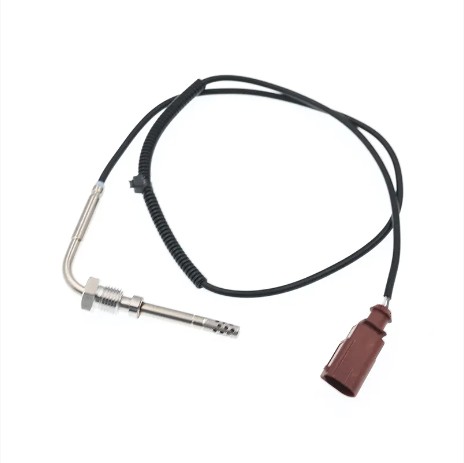
These three terms are often used interchangeably, but they carry distinct engineering meanings:
In practice, a temperature sensor converts thermal energy into an electrical voltage or resistance value; an ABS wheel speed sensor converts rotational motion into a digital pulse signal used by the vehicle's braking system.
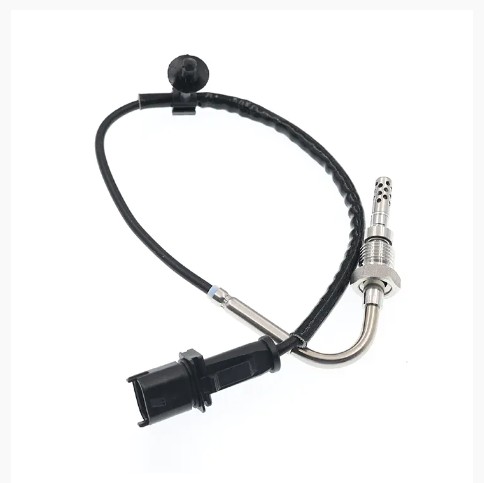
Sensors are classified by the physical property they measure. Below is a structured overview of the most important categories:
Among the most widely deployed sensor type globally. Common subtypes include thermocouples (range: −200°C to +2300°C), RTDs (accuracy ±0.1°C), thermistors (NTC/PTC), and infrared sensors. Exhaust gas temperature (EGT) sensors are critical in diesel and gas engines—they protect turbochargers and diesel particulate filters (DPFs) from thermal damage.
Convert mechanical pressure into an electrical signal. Types include piezoelectric, capacitive, strain-gauge, and MEMS-based sensors. Used in tire pressure monitoring systems (TPMS), industrial hydraulics, and medical devices. Operating ranges span from under 1 Pa (MEMS microphones) to over 100,000 psi in high-pressure industrial systems.
Include accelerometers, gyroscopes, tachometers, and wheel speed sensors. ABS (Anti-lock Braking System) sensors are a prime example: they measure each wheel's rotational speed and feed data to the ECU at rates up to 2,000 pulses per revolution, enabling precise brake modulation to prevent wheel lockup.
Detect the presence or distance of an object without physical contact. Key technologies include inductive (metal detection, ≤60 mm range), capacitive (any material), ultrasonic (up to 10 m), and magnetic/Hall-effect sensors. Hall-effect sensors are standard in camshaft and crankshaft position sensing.
Measure the concentration of specific gases or chemicals. NOx (nitrogen oxide) sensors are mandated in Euro VI and EPA 2010+ emission regulations for commercial diesel vehicles. They measure NOx concentration in exhaust streams (typically 0–3,000 ppm) to control selective catalytic reduction (SCR) systems and meet emissions targets.
Include photodiodes, phototransistors, CCD/CMOS image sensors, and LiDAR. Widely used in automotive ADAS (Advanced Driver Assistance Systems), factory vision inspection, and consumer electronics.
Capacitive and resistive types are common. Used in HVAC systems, agriculture, pharmaceuticals, and semiconductor cleanrooms. Typical accuracy: ±2–3% RH.
Measure the flow rate of liquids or gases. Technologies include turbine, ultrasonic, Coriolis, and differential pressure types. Used in water treatment, oil & gas pipelines, and medical infusion systems.
Detect fluid or solid level in tanks and containers. Methods include ultrasonic, radar, capacitive, and float-based sensors. Critical in fuel management, water utilities, and chemical processing.
| Sensor Type | Measured Quantity | Output Signal | Typical Range |
|---|---|---|---|
| Thermocouple | Temperature | Millivolt (mV) | −200°C to +2300°C |
| RTD (PT100/PT1000) | Temperature | Resistance (Ω) | −200°C to +850°C |
| NTC Thermistor | Temperature | Resistance (Ω) | −55°C to +150°C |
| Exhaust Temp Sensor (EGT) | Temperature (exhaust) | Voltage / CAN | Up to +1000°C |
| NOx Sensor | Nitrogen Oxide concentration | CAN bus signal | 0–3,000 ppm |
| ABS Wheel Speed Sensor | Rotational speed | Digital pulse/analog | 0–300 km/h |
| Pressure Sensor (MEMS) | Pressure | 0–5V / 4–20mA | 0–1,000 bar |
| Hall Effect Sensor | Magnetic field/position | Digital/analog | Varies |
| Ultrasonic Sensor | Distance/level | Analog / digital | 0.02–10 m |
| Photodiode / LDR | Light intensity | Current / resistance | Nm to visible spectrum |
| Capacitive Humidity Sensor | Relative humidity | Capacitance/voltage | 0–100% RH |
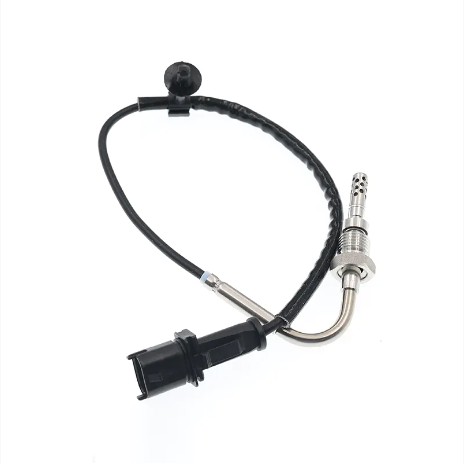
Sensors are deployed across virtually every modern industry. The table below maps key sectors to the sensor types most critical to their operations:
| Industry | Key Sensor Types | Example Application |
|---|---|---|
| Automotive | ABS, EGT, NOx, MAP, O2, TPMS | Brake control, emissions compliance, and engine management |
| Industrial Automation | Proximity, flow, pressure, temperature | Assembly line control, conveyor monitoring, fluid systems |
| Oil & Gas | Pressure, level, flow, temperature, gas detection | Pipeline monitoring, leak detection, and wellhead control |
| Medical Devices | Pressure, temperature, optical, and biosensors | Blood pressure monitoring, glucose sensing, and imaging |
| Agriculture | Humidity, soil moisture, temperature, light | Precision irrigation, greenhouse climate control |
| HVAC / Building | Temperature, humidity, CO2, motion (PIR) | Energy management, air quality monitoring, and occupancy detection |
| Aerospace & Defense | IMU, pressure, strain, temperature | Flight control systems, structural health monitoring |
In the automotive sector alone, a modern Euro VI heavy-duty truck may contain over 50 individual sensors, including multiple EGT sensors along the exhaust aftertreatment path, at least one upstream and one downstream NOx sensor, and four ABS wheel speed sensors—one per wheel.
Choosing the right sensor for an industrial environment goes beyond simply matching the measurement type. Engineers must evaluate several critical factors:
Industrial sensors must withstand dust, moisture, vibration, and chemical exposure. IP67 or IP69K ratings are standard for sensors used in wash-down or outdoor environments. Automotive exhaust sensors must endure temperatures exceeding 800°C and high vibration over vehicle lifetimes of 500,000+ km.
In electrically noisy environments (near motors, inverters, or high-current lines), sensor cables must be shielded. Differential signal outputs (e.g., 4–20 mA current loops) are preferred for long cable runs over 10 m, as they are immune to common-mode noise.
Safety-critical applications demand fast response. ABS sensors, for example, must respond within milliseconds—the ECU sampling rate is typically 1 kHz or higher. In contrast, a building HVAC temperature sensor with a 30-second response time is entirely adequate.
Sensors drift over time due to aging, mechanical stress, or contamination. NOx sensors in SCR systems require periodic validation via on-board diagnostics (OBD) to maintain emissions compliance. RTDs are preferred over thermocouples in precision applications because of their lower drift (typically <0.1°C/year vs. 1–2°C/year for type K thermocouples).
In automotive and industrial markets, sensors must meet relevant standards: AEC-Q100 (automotive IC qualification), IATF 16949 (automotive quality management), ATEX or IECEx (explosive atmospheres), and EU emissions regulations (Euro VI, EPA 2010).
In mobile and automotive applications, the sensor cable assembly is as important as the sensing element itself. Cables must resist flexing fatigue, thermal cycling, oil exposure, and connector corrosion. Many OEM sensor failures in the field are attributable to cable or connector degradation rather than the sensing element itself.
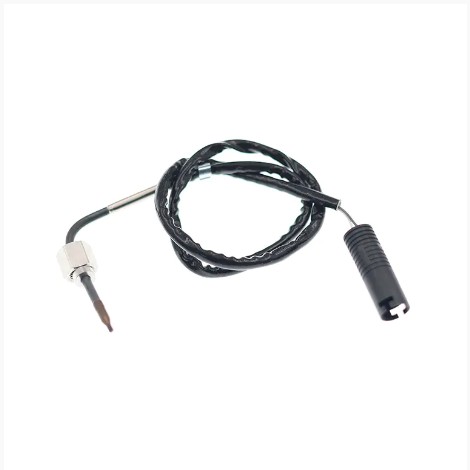
When evaluating any sensor, the following technical attributes are the most commonly specified and compared:

Sook High Tech (Jiangsu) Co., Ltd., established in 2015 with a registered capital of 30.5 million yuan, is a professional China OEM/ODM manufacturer specializing in sensors for smart cars and industrial applications. The company focuses on design, production, sales, and integration of automotive and industrial sensors, along with cables and heaters for industrial use.
Sook High Tech has achieved an annual production capacity of 600,000 sensors of various types, with a product portfolio including:
These products are exported to Europe and the United States, serving demanding OEM and aftermarket requirements. Sook High Tech holds several key certifications and industry recognitions, including:
Sensors rarely operate in isolation—they are part of larger measurement and control ecosystems. Related product categories that are typically specified alongside sensors include:
The following standards, organizations, and references are relevant to sensor specification, testing, and application:
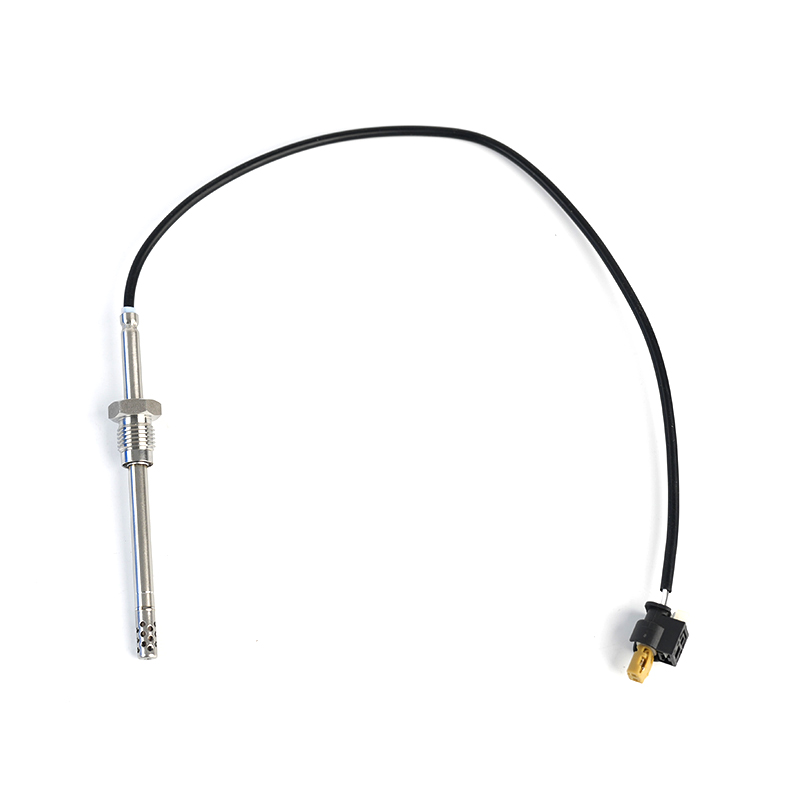
MERCEDES-BENZC-CLASS (W203) (2000/05 - 2007/08)MERCEDES-BENZC-CLASS Coupe (CL203) (2001/03 - 2011/06...
See Details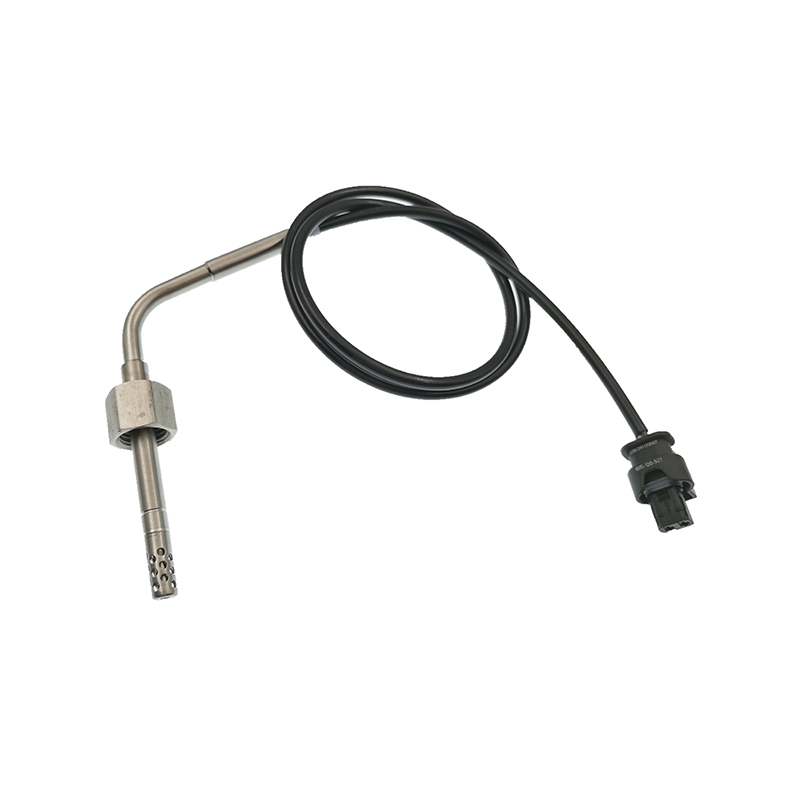
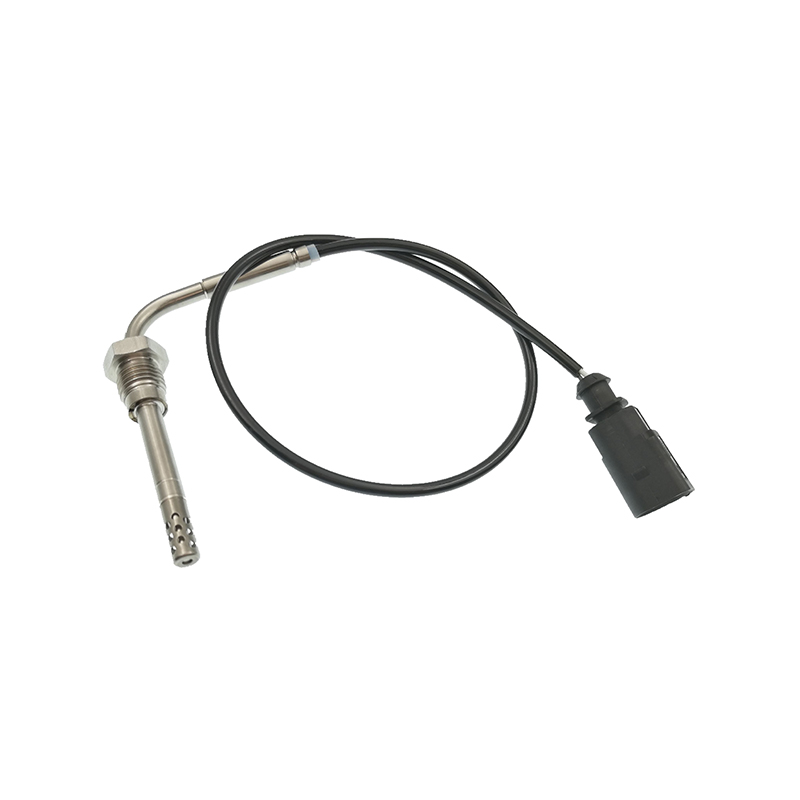
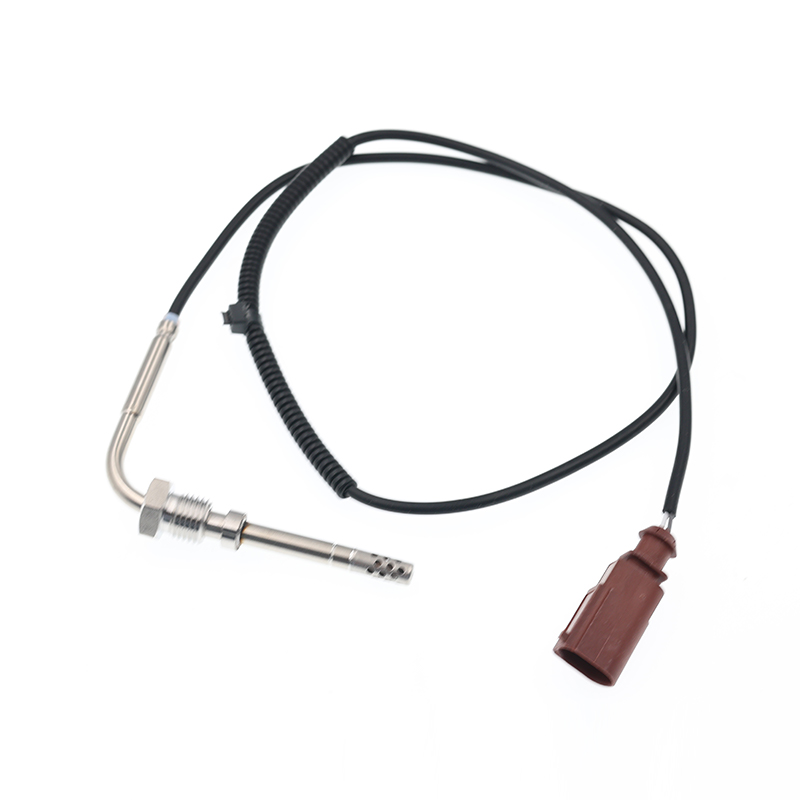
AUDIQ7 (4L) (2006/03 - 2015/08)VWTOUAREG (7LA, 7L6, 7L7) (2002/10 - 2010/05)
See Details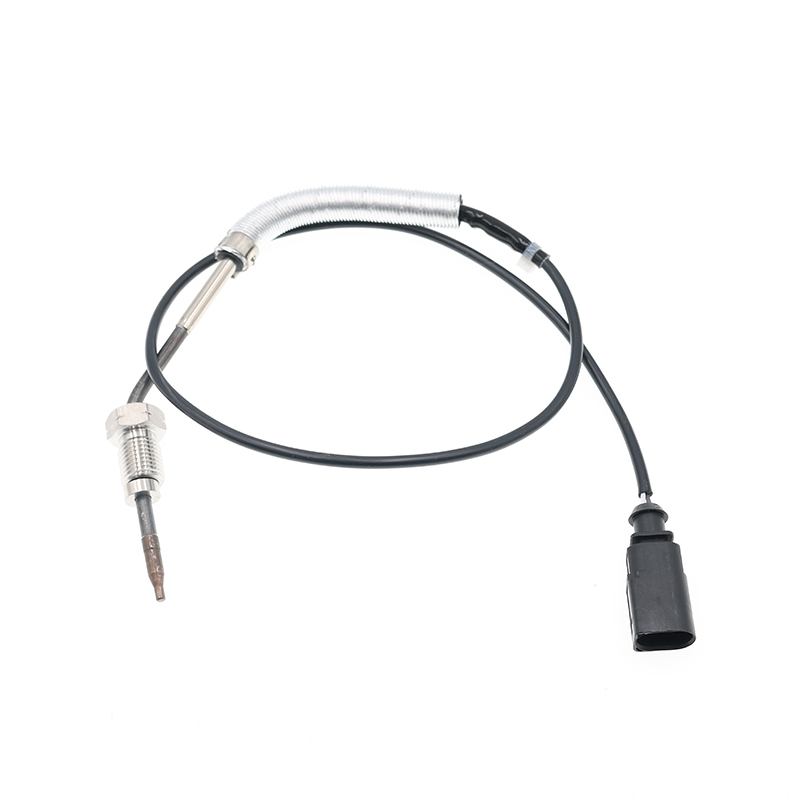
AUDIA3 (8P1) (2003/05 - 2012/08)AUDIA3 Sportback (8PA) (2004/09 - 2013/03)AUDIA4 (8EC, B7) (2004/11 ...
See Details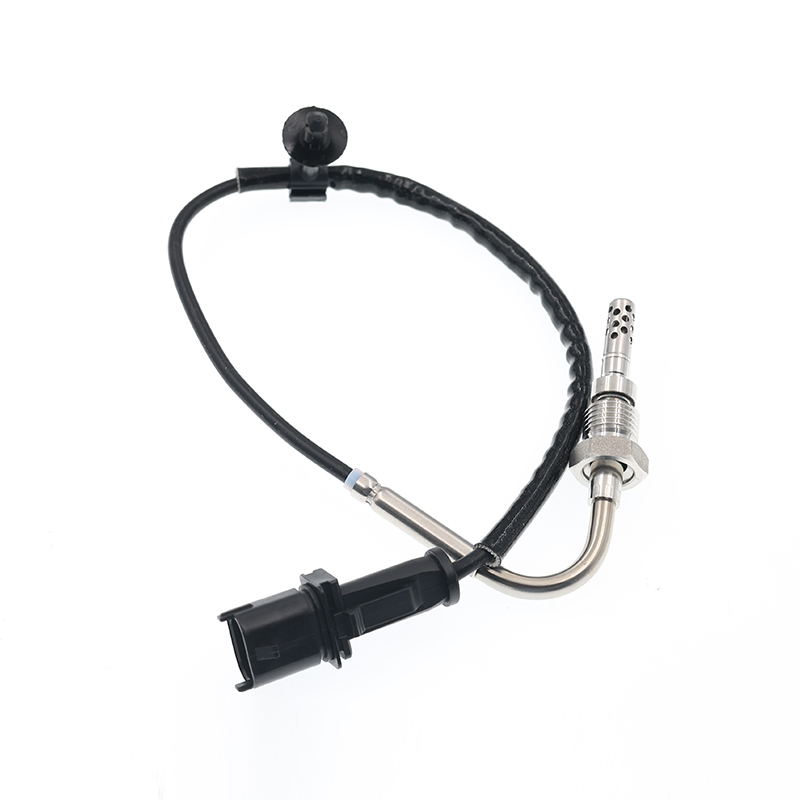
OPEL ASTRA J (2009/12 - /) OPEL ASTRA J Sports Tourer (2010/10 - /) OPEL ASTRA GTC J ...
See Details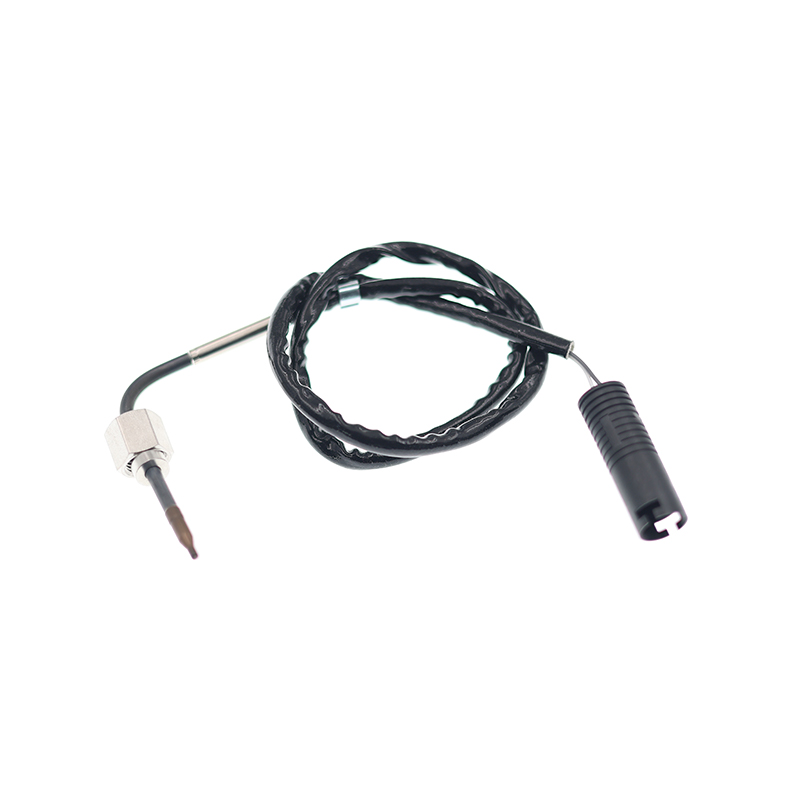
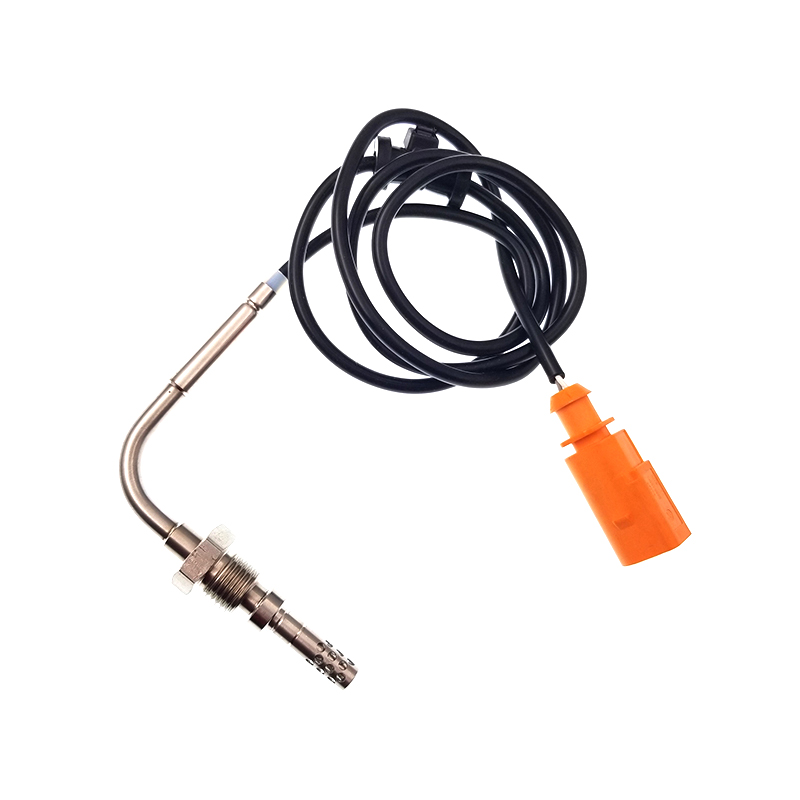
VWJETTA III (1K2) (2005/08 - 2010/10) VWGOLF VI (5K1) (2008/10 - 2013/11) VWGOLF VI Varia...
See Details
ADD: No.85 Jiuyuan Road, Economic Development Zone, Gaoyou city ,Yangzhou city ,225600 Jiangsu Province, China.
Copyright © Sook High Tech (Jiangsu) Co., Ltd. All Rights Reserved. OEM/ODM Automotive Sensor Manufacturers

