
 English
 Español
 Français
 简体中文
简体中文ADD: No.85 Jiuyuan Road, Economic Development Zone, Gaoyou city ,Yangzhou city ,225600 Jiangsu Province, China.
MERCEDES-BENZC-CLASS (W203) (2000/05 - 2007/08)MERCEDES-BENZC-CLASS Coupe (CL203) (2001/03 - 2011/06...
See DetailsContent
The NTC EGT Sensor primarily acts as a "guardian" in gasoline engines. Its core function is to prevent damage to critical components (such as the three-way catalytic converter) due to high engine temperatures. Specifically:
In gasoline engines, when the exhaust temperature rises abnormally, the NTC EGT Sensor quickly detects this and sends feedback to the ECU (Engine Control Unit), triggering the exhaust temperature warning light. This is usually due to poor combustion efficiency caused by engine misfire or excessive ignition advance angle. The sensor ensures the protection mechanism activates promptly with a millisecond-level response time, preventing the catalytic converter from overheating and burning out.
When the sensor detects high temperatures, the ECU takes action (such as increasing fuel pressure or adjusting the air-fuel ratio) to reduce combustion temperature and restore combustion efficiency. This is crucial for maintaining long-term engine performance.
Compared to thermocouples, NTC thermistors consume less power, making them suitable for long-distance measurements (such as those installed inside a three-way catalytic converter). Their non-linear resistance decreases rapidly with temperature, resulting in more stable temperature signal transmission.
Although both are NTC EGT sensors, their focus differs slightly in diesel engines, primarily involving "emission control" and "filtration systems":
In diesel engines, a key application of the NTC EGT sensor is monitoring the temperature of the DPF (Diesel Particulate Filter). Particulate matter emitted by the diesel engine is captured by the DPF. The sensor helps determine whether a "regeneration" process (burning off the particles at high temperatures) is needed to maintain filtration effectiveness, which is crucial for controlling black smoke emissions.
In addition to DPF, the sensor also monitors the temperature in the SCR (Selective Catalytic Reduction) system, ensuring the deionizer (DEF) functions at the appropriate temperature to reduce nitrogen oxide (NOx) emissions.
Due to the high-pressure combustion and high compression ratio of diesel engines, exhaust temperatures are often higher. The NTC sensor must possess stronger heat resistance and corrosion resistance to adapt to the harsher operating environment of diesel engines.
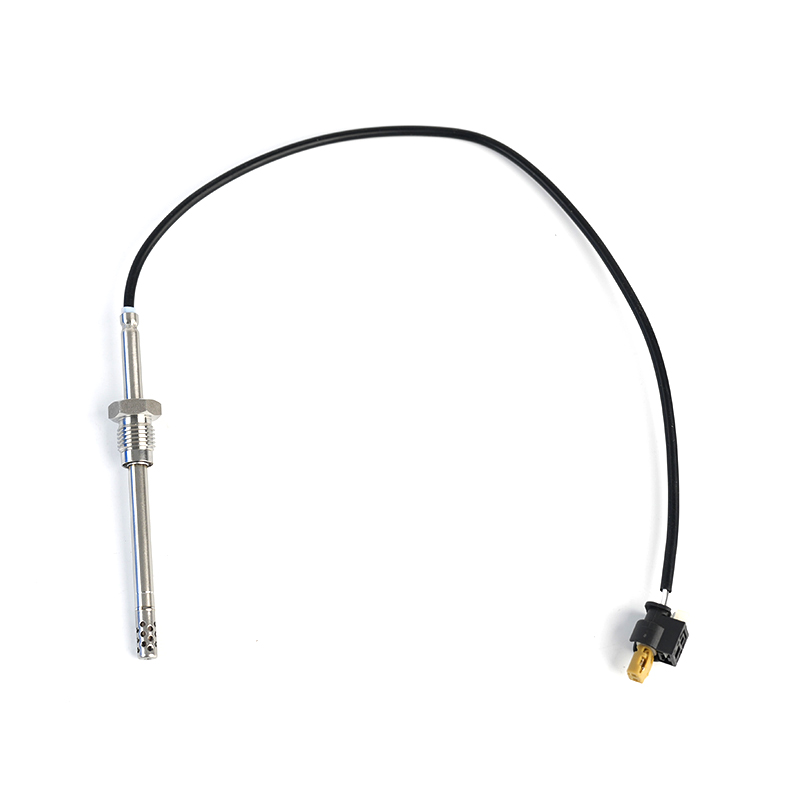
MERCEDES-BENZC-CLASS (W203) (2000/05 - 2007/08)MERCEDES-BENZC-CLASS Coupe (CL203) (2001/03 - 2011/06...
See Details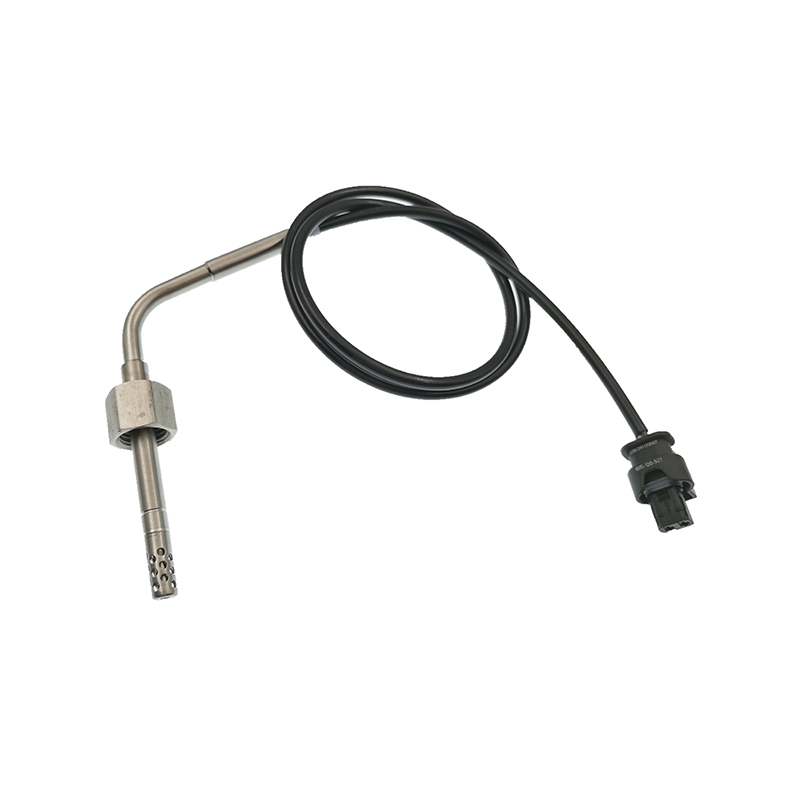
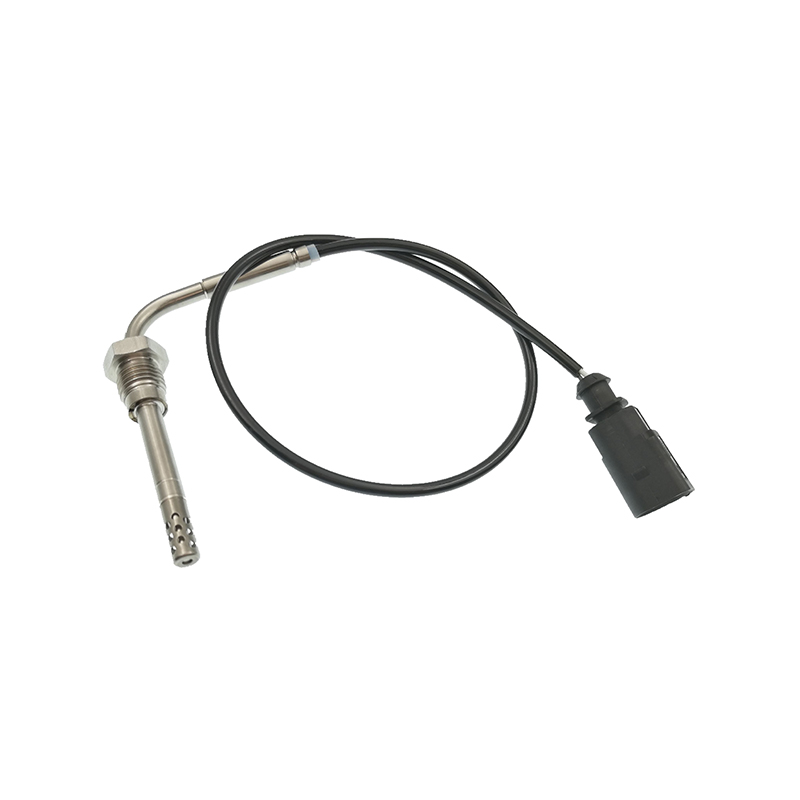
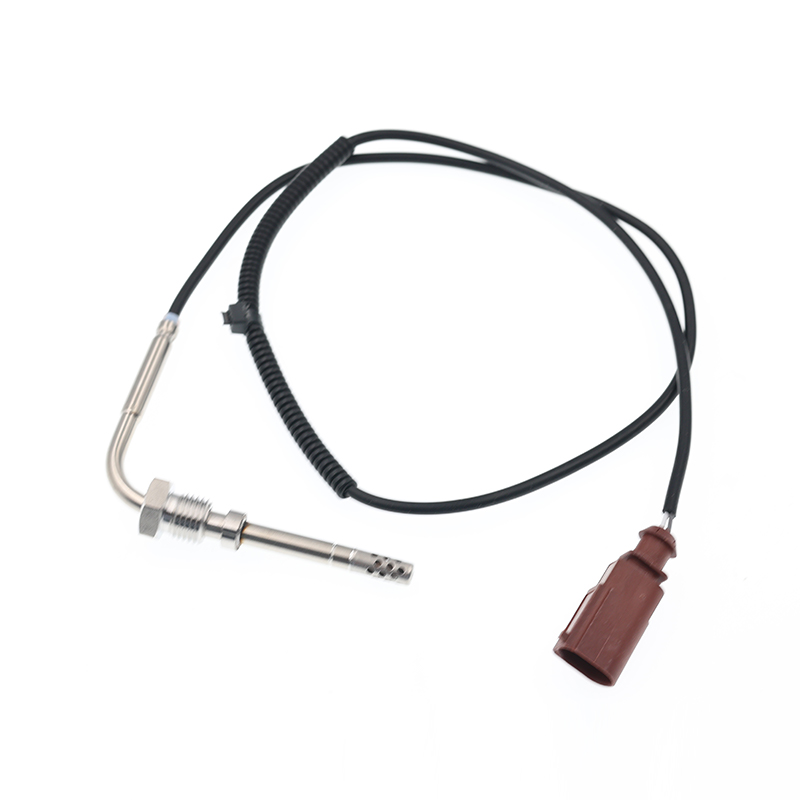
AUDIQ7 (4L) (2006/03 - 2015/08)VWTOUAREG (7LA, 7L6, 7L7) (2002/10 - 2010/05)
See Details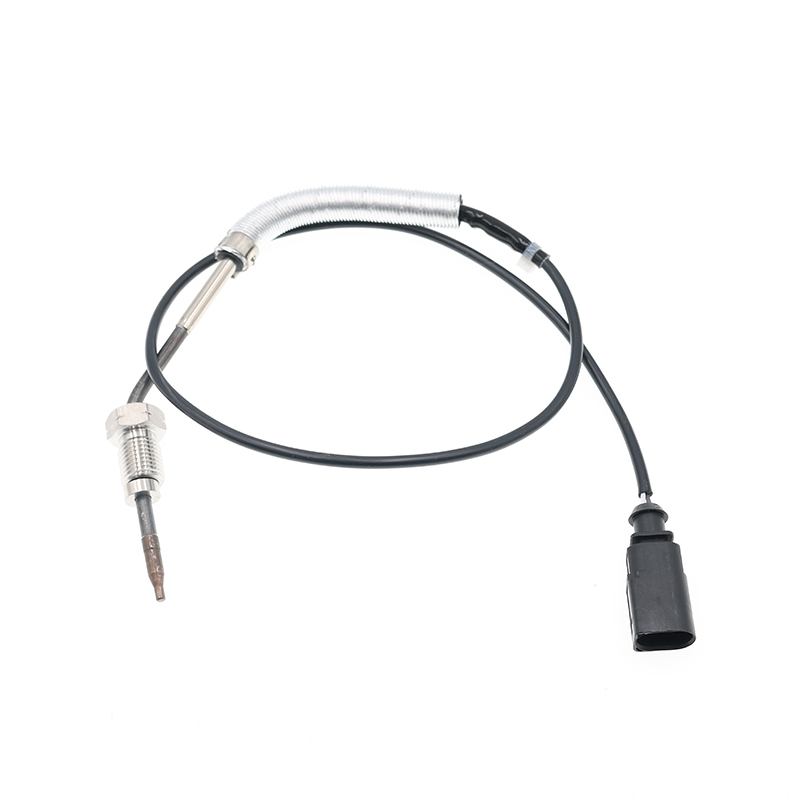
AUDIA3 (8P1) (2003/05 - 2012/08)AUDIA3 Sportback (8PA) (2004/09 - 2013/03)AUDIA4 (8EC, B7) (2004/11 ...
See Details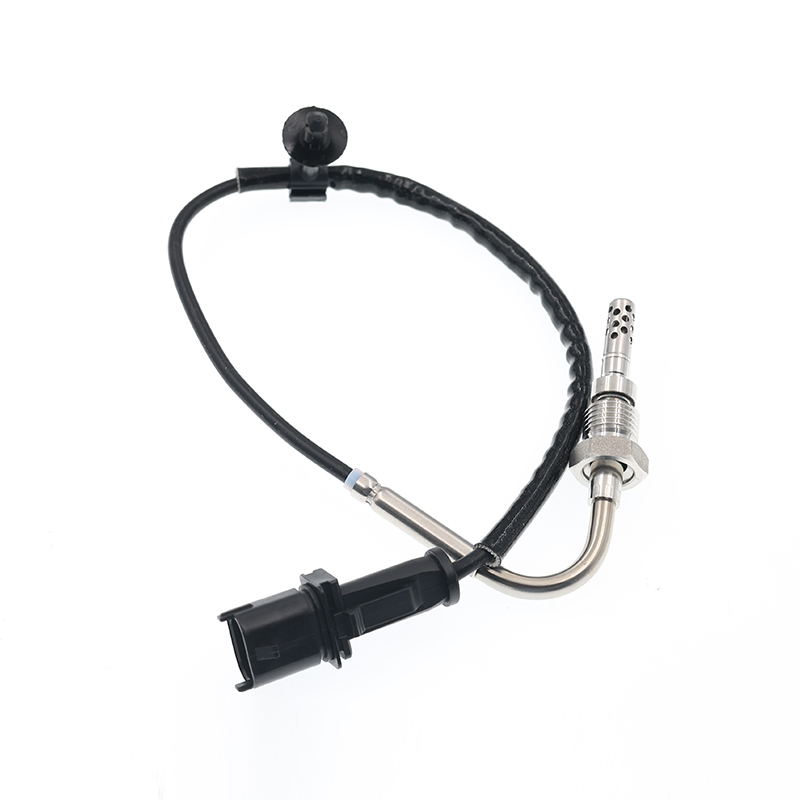
OPEL ASTRA J (2009/12 - /) OPEL ASTRA J Sports Tourer (2010/10 - /) OPEL ASTRA GTC J ...
See Details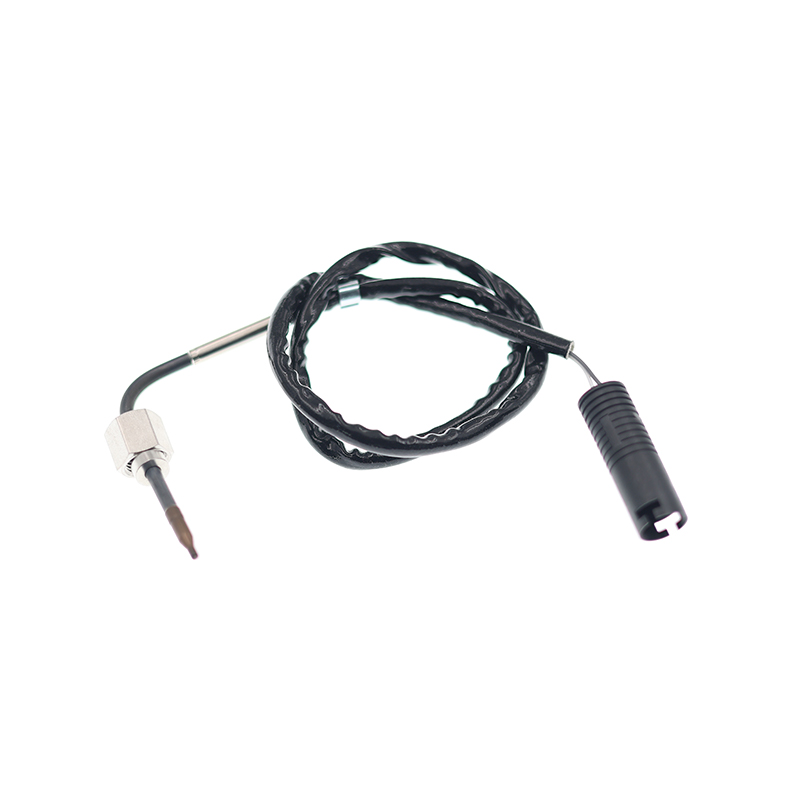
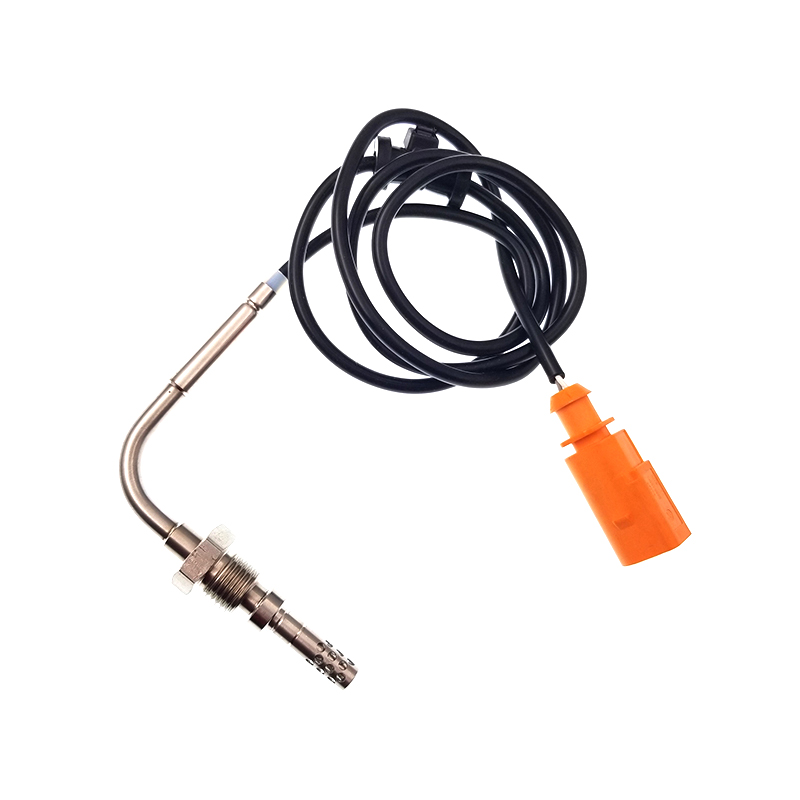
VWJETTA III (1K2) (2005/08 - 2010/10) VWGOLF VI (5K1) (2008/10 - 2013/11) VWGOLF VI Varia...
See Details
ADD: No.85 Jiuyuan Road, Economic Development Zone, Gaoyou city ,Yangzhou city ,225600 Jiangsu Province, China.
Copyright © Sook High Tech (Jiangsu) Co., Ltd. All Rights Reserved. OEM/ODM Automotive Sensor Manufacturers

