
 English
 Español
 Français
 简体中文
简体中文ADD: No.85 Jiuyuan Road, Economic Development Zone, Gaoyou city ,Yangzhou city ,225600 Jiangsu Province, China.
MERCEDES-BENZC-CLASS (W203) (2000/05 - 2007/08)MERCEDES-BENZC-CLASS Coupe (CL203) (2001/03 - 2011/06...
See DetailsContent
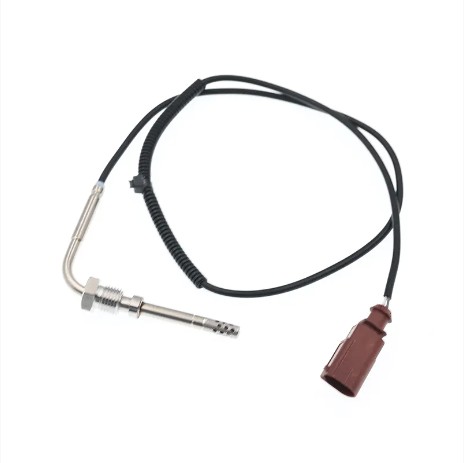
Armored heaters outperform ordinary heaters in mechanical protection, heat uniformity, lifespan, and suitability for harsh environments. While ordinary heaters may suffice for household use, armored heaters are engineered for industrial-grade reliability — encased in metal, filled with thermally conductive insulation, and built to operate safely under extreme conditions. Below is a detailed breakdown of each core difference.
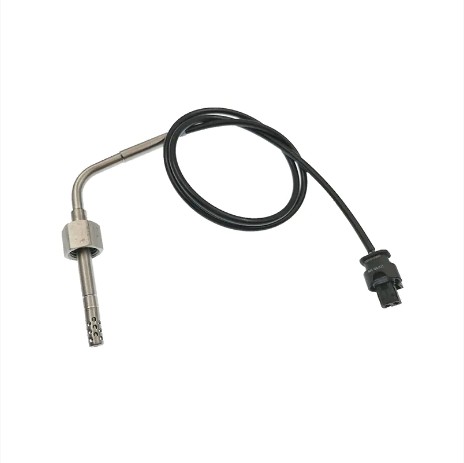
The most visible difference between armored and ordinary heaters lies in their outer construction. Armored heaters use a seamless metal sheath — typically stainless steel (e.g., SUS304, SUS316L) or aluminum alloy — to encase the heating element completely. This "armor" provides exceptional resistance to physical impact, compression, and structural deformation.
Ordinary heaters — such as exposed resistance wires, heating films, or bare ceramic elements — lack this protective enclosure. They are directly exposed to the operating environment, making them vulnerable to mechanical damage, accidental contact, or physical stress. In industrial settings, even minor impacts can compromise their integrity and safety.
| Feature | Armored Heater | Ordinary Heater |
|---|---|---|
| Outer Shell | Metal sheath (stainless steel/aluminum alloy) | Exposed or minimally protected |
| Impact Resistance | High | Low to moderate |
| Compression Tolerance | Capable of withstanding bending and forming | Brittle; easily damaged under stress |
| Moisture Protection | Fully sealed; IP ratings up to IP68 | Limited or none |
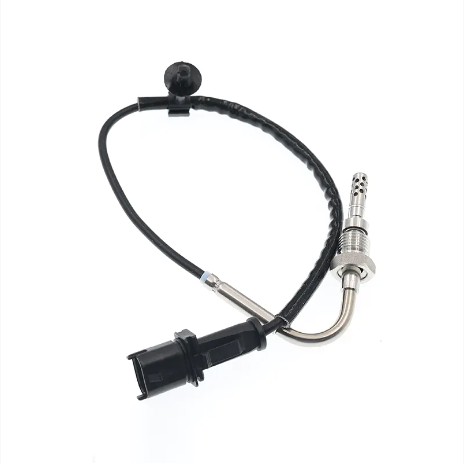
Inside every armored heater, the gap between the resistance wire and the outer metal sheath is packed with crystalline magnesium oxide (MgO) powder — a material prized for its combination of high thermal conductivity (~40 W/m·K) and strong electrical insulation. This filler transfers heat uniformly from the wire to the sheath, then to the surrounding medium through conduction, convection, or radiation.
Ordinary heaters — particularly open-coil types or flat heating films — transfer heat more directly but unevenly. Hot spots can form where the heating element concentrates energy, raising surface temperatures dangerously in localized areas. This not only reduces efficiency but also risks thermal damage to the heated object or surrounding materials.
For example, in a fluid-heating application, an armored immersion heater with a watt density of 8–15 W/cm² will heat liquid uniformly across its full surface area. A comparable bare-wire heater at the same total wattage may generate localized surface temperatures exceeding safe limits, causing fluid decomposition or deposit buildup on the element.
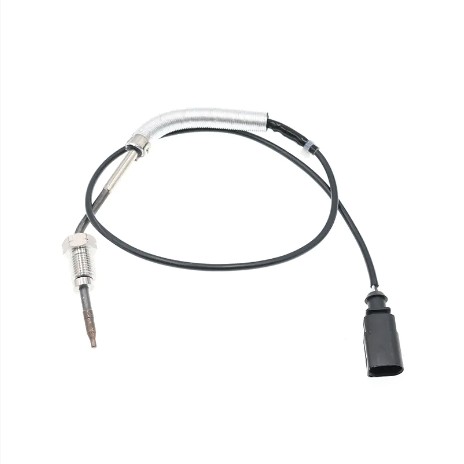
Armored heaters are built for longevity. Their sealed construction prevents moisture, dust, and corrosive gases from reaching the resistance element, which is the primary cause of insulation failure in ordinary heaters. Under standard industrial operating conditions, armored heaters typically last 5–10 years or longer, versus 1–3 years for many conventional alternatives.
Ordinary heaters, particularly those with exposed resistance wires or thin polymer heating films, are prone to accelerated aging under humidity or oxidation. Insulation breakdown can lead to ground faults, electrical shorts, or fires — risks that are largely mitigated in the armored design.
Armored heaters are specifically engineered for demanding environments where ordinary heaters would fail. Their metal sheath can be selected to match the operating medium — Incoloy 800 for high-temperature air (up to 850°C), titanium alloys for highly corrosive acids, and copper for water-based applications. This material flexibility makes armored heaters suitable across a remarkable range of industries.
Ordinary heaters, by contrast, are well-suited for residential heating, light commercial applications, and controlled indoor environments — such as room space heaters, electric blankets, or low-temperature laboratory equipment. When deployed outside their design envelope (high humidity, chemical exposure, mechanical stress), their performance and safety degrade rapidly.
One underappreciated advantage of armored heaters is their physical flexibility before installation. Because the MgO powder compresses during the tube-drawing process, the finished heater tube can be bent, coiled, or formed into complex shapes — U-shapes, helical coils, or custom contours — without cracking the element or disrupting the insulation.
This makes armored heaters highly adaptable to irregular heating surfaces, custom molds, or tight equipment enclosures. Ordinary heaters, including rigid ceramic cartridge heaters or flat heating pads, are typically fixed in shape and cannot be reconfigured after manufacture without risking damage.
Armored heaters carry a higher initial purchase cost compared to ordinary alternatives — often 3–10× the price of a basic resistance wire heater of similar wattage. However, their total cost of ownership is frequently lower when accounting for:
For household use or low-duty applications, ordinary heaters remain the practical and economical choice. For industrial, commercial, or safety-critical installations, the reliability premium of armored heaters is almost always justified.
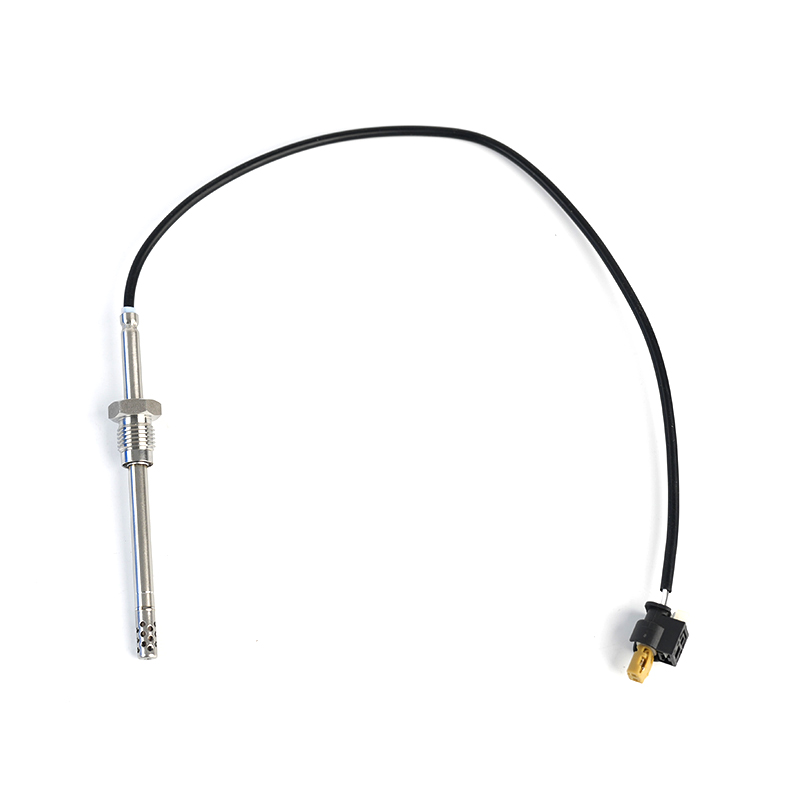
MERCEDES-BENZC-CLASS (W203) (2000/05 - 2007/08)MERCEDES-BENZC-CLASS Coupe (CL203) (2001/03 - 2011/06...
See Details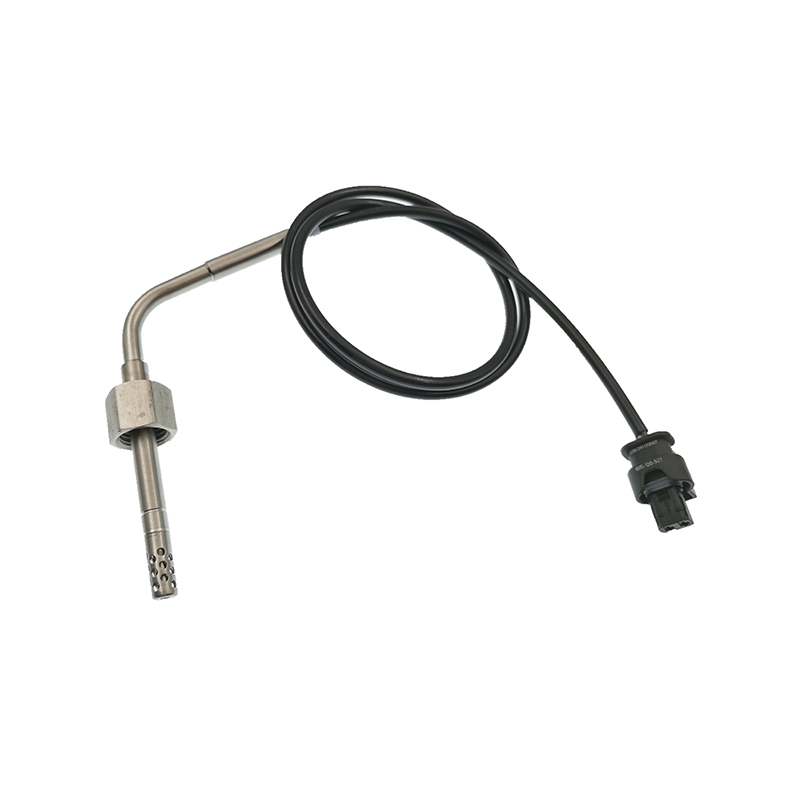
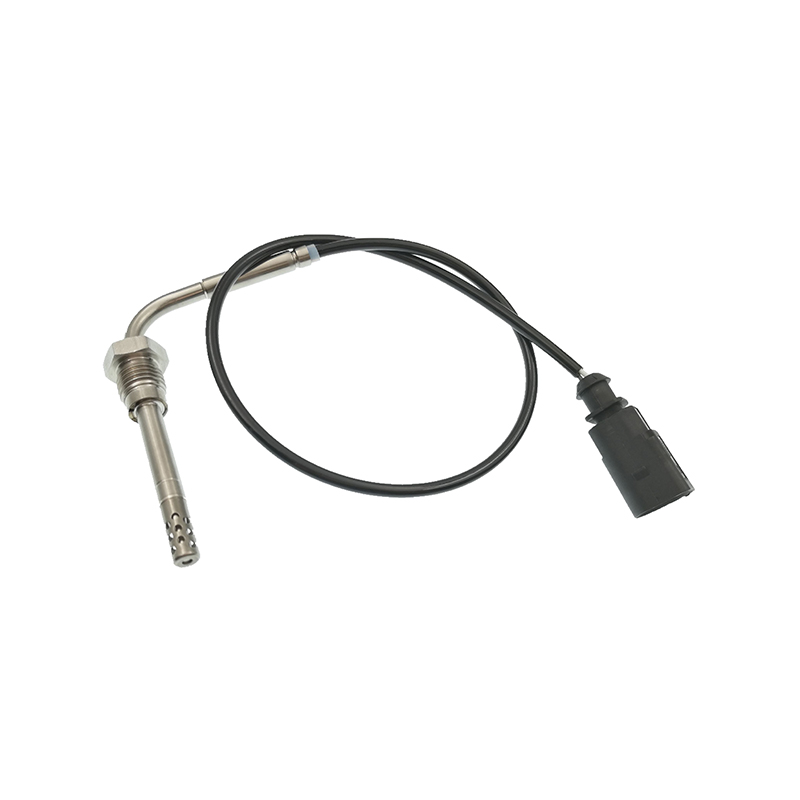
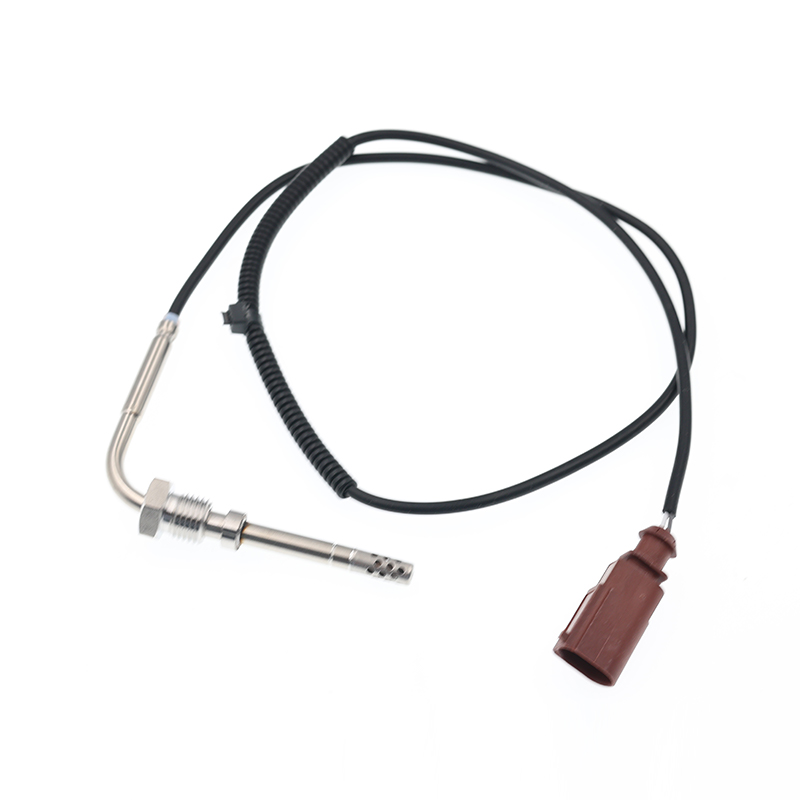
AUDIQ7 (4L) (2006/03 - 2015/08)VWTOUAREG (7LA, 7L6, 7L7) (2002/10 - 2010/05)
See Details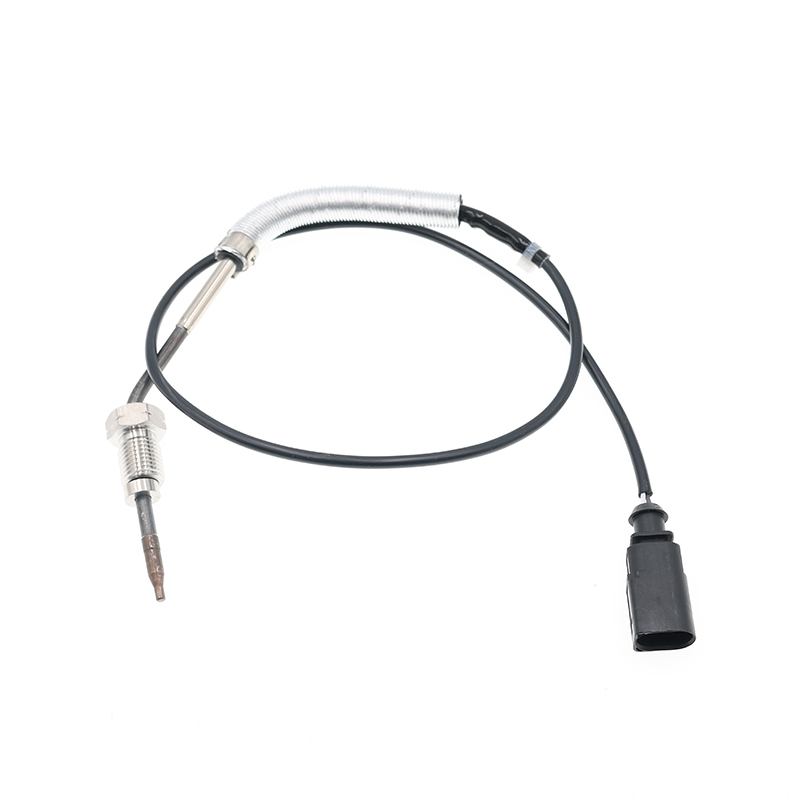
AUDIA3 (8P1) (2003/05 - 2012/08)AUDIA3 Sportback (8PA) (2004/09 - 2013/03)AUDIA4 (8EC, B7) (2004/11 ...
See Details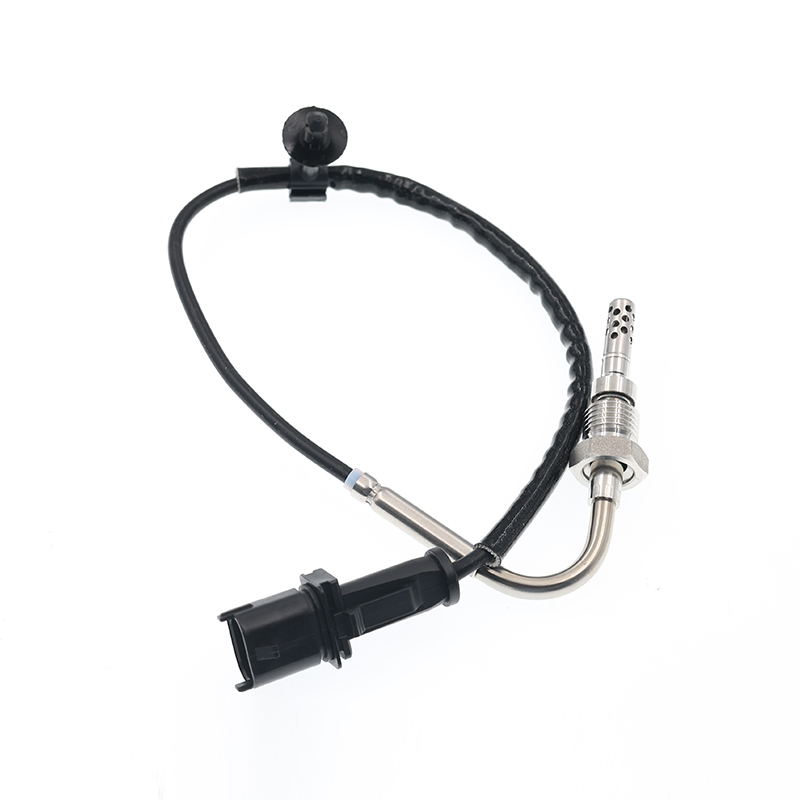
OPEL ASTRA J (2009/12 - /) OPEL ASTRA J Sports Tourer (2010/10 - /) OPEL ASTRA GTC J ...
See Details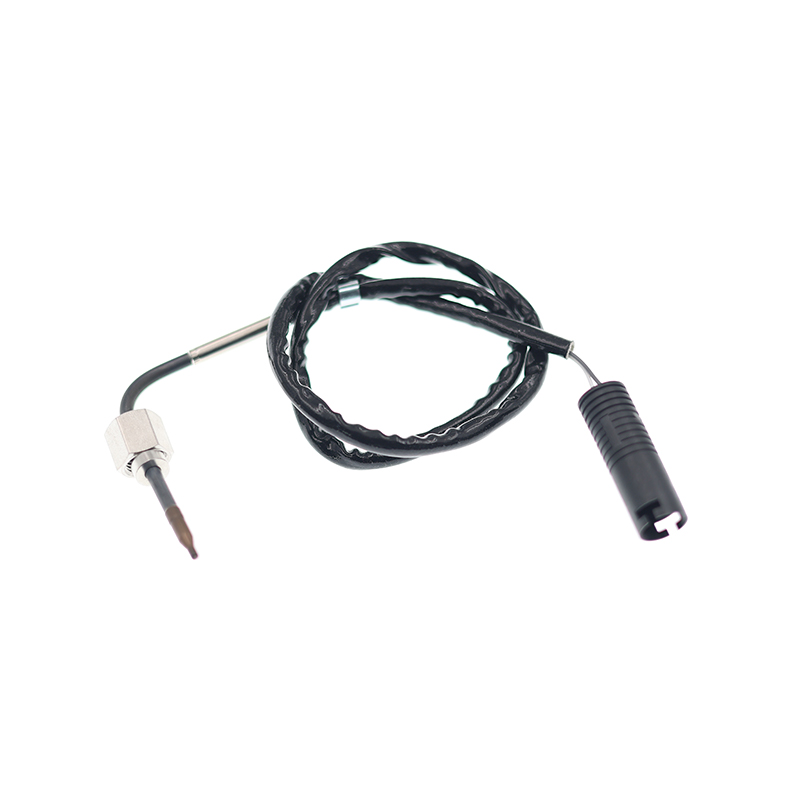
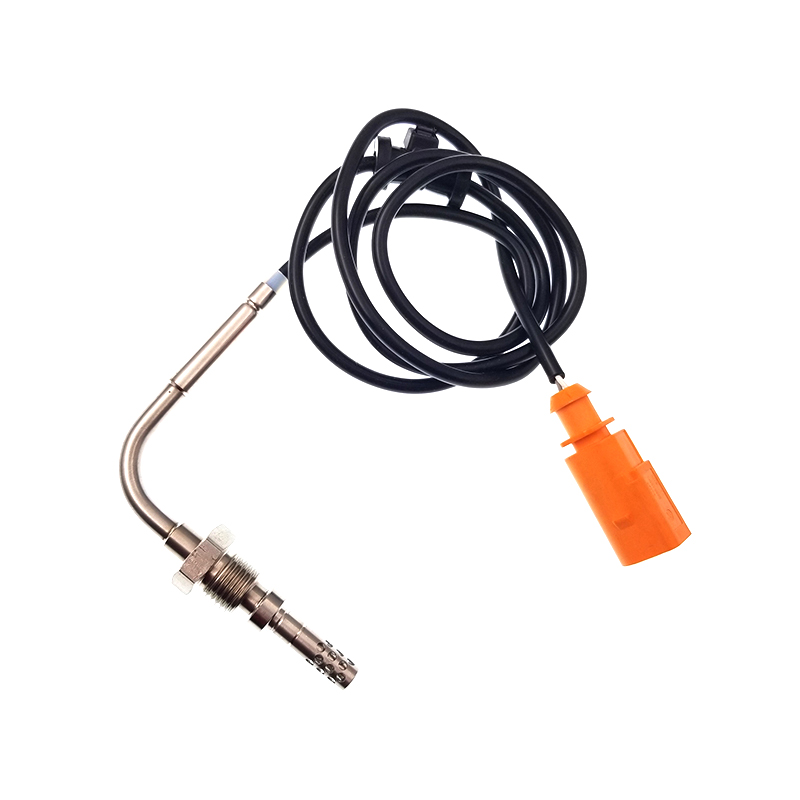
VWJETTA III (1K2) (2005/08 - 2010/10) VWGOLF VI (5K1) (2008/10 - 2013/11) VWGOLF VI Varia...
See Details
ADD: No.85 Jiuyuan Road, Economic Development Zone, Gaoyou city ,Yangzhou city ,225600 Jiangsu Province, China.
Copyright © Sook High Tech (Jiangsu) Co., Ltd. All Rights Reserved. OEM/ODM Automotive Sensor Manufacturers

