
 English
 Español
 Français
 简体中文
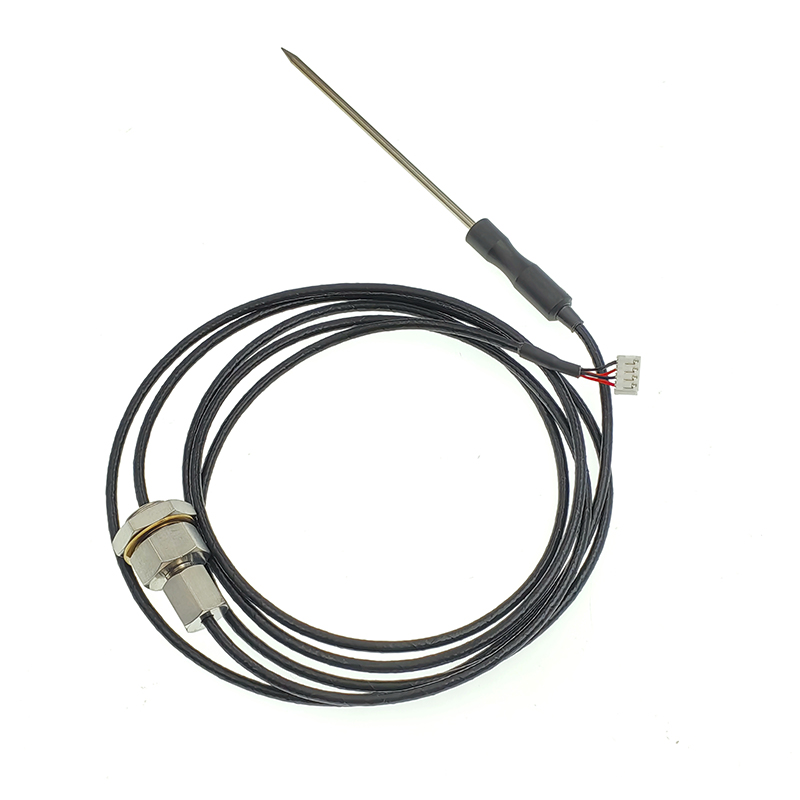
简体中文Product Model: SK-HWR/KN x Φ1.0mm Thermocouple type K type Temperature measuring range 0 ~ 750℃...
Thermocouple Temperature Sensors Manufacturers
Thermocouples measure temperature by the electric potential generated by two different metals.
When two different metal conductors (or semiconductors) are connected into a closed circuit, the thermoelectric potential (voltage) will be generated in the circuit if the two contacts are at different temperatures. This phenomenon is called the Seebeck effect. The value of the thermoelectric potential is proportional to the temperature difference between the two ends, and the temperature can be calculated by measuring the voltage.
| Type | K-Type, N-Type, E-Type, J-Type, T-Type, S-Type, R-Type, B-Type, etc. |
| Temperature Range | -200°C to 1800°C |
| Accuracy | I, II |
| Response Time | 0.1–30 Seconds |
| Probe Diameter | 0.2 mm–30 mm |
| Probe Length | 5 mm–200 m |
| Probe Material | Stainless Steel 304, 304L, 316, 316L, 321, 321L, 310s, Inconel 600, NiCr, etc. |
| Connection Type | Simple Type, Junction Box, Plug-in Type |
| Measuring End Type | The Exposed Type, The Bottom Collision Type, The Insulation Type, The Separated Insulation Type |
| Insulation Material | MgO, Al₂O₃, Fiberglass, PTFE, Ceramic, etc. |
| Sheathed Material | Stainless Steel, Inconel, Ceramic, etc. |
-
-
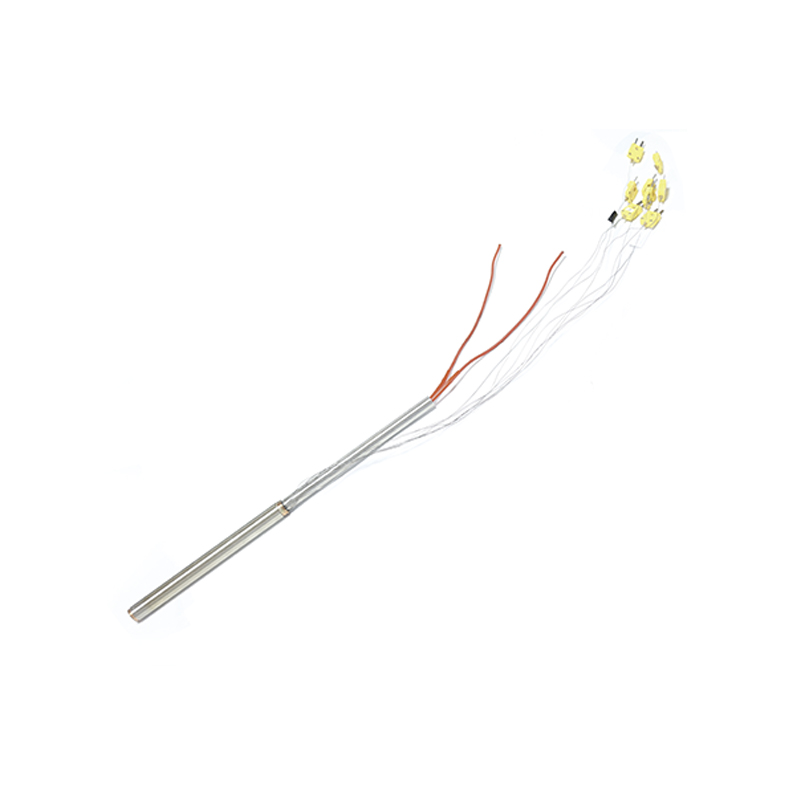
 K-type armored thermocouple for oven use (core probe, multi-point temperature sensor )
Product item No.: SKT-2554 Thermocouple type K type Thermocouple q'ty 2 Accuracy 50~100 ℃ : ±...
-
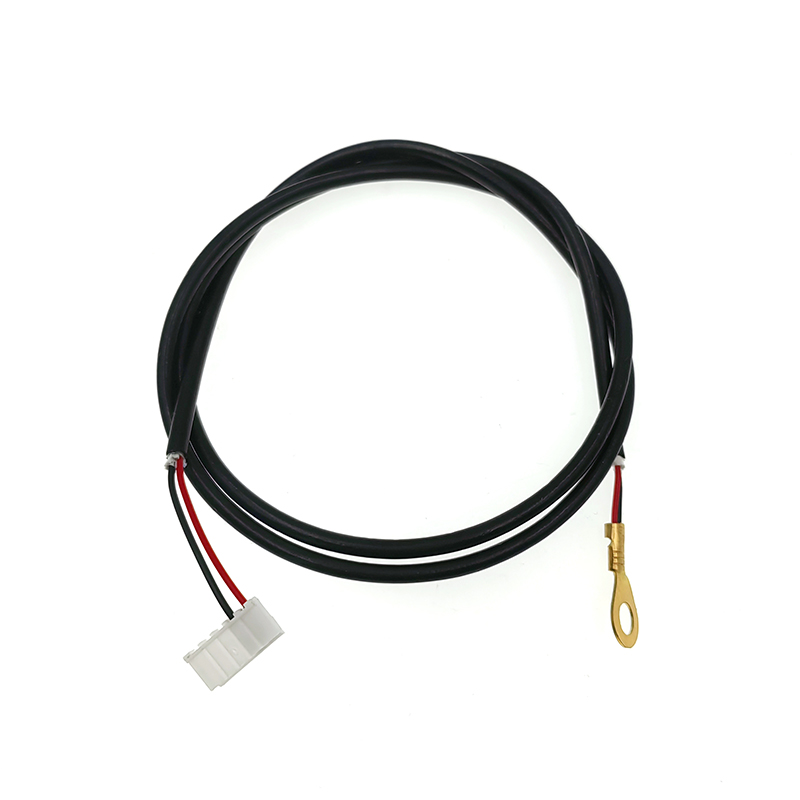 K-type thermocouple for oven use (thermocouple for humidity)
Product item No.: SKT-2555 Thermocouple type K type Accuracy 0~300 ℃ : ±1K
-
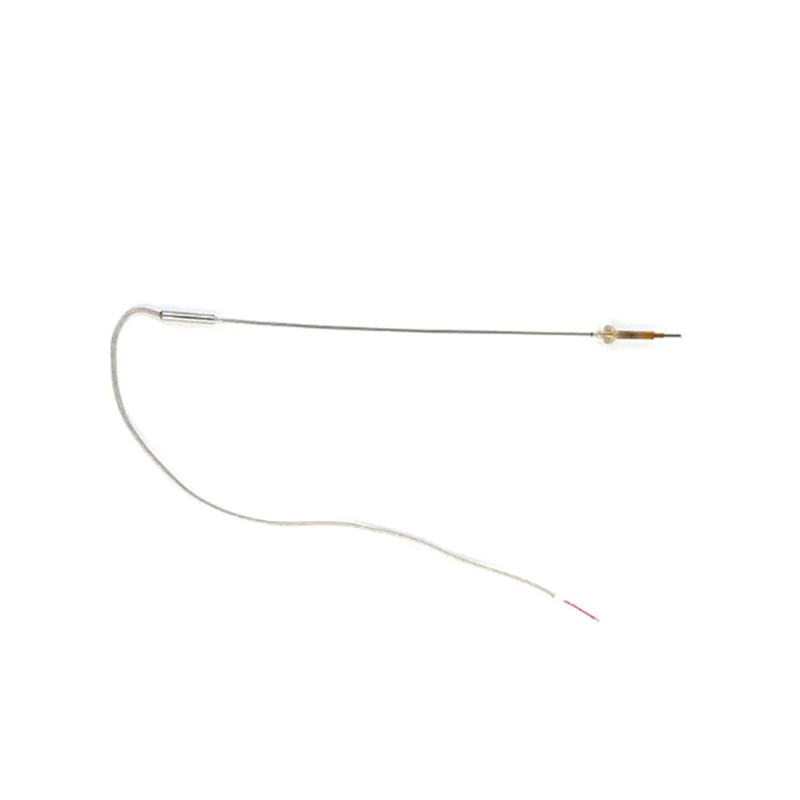 Temperature sensor (K-type armored thermocouple)
Product item No.: SKT-2367 Thermocouple type K type Measuring temperature range 0~800℃ Normal...
-
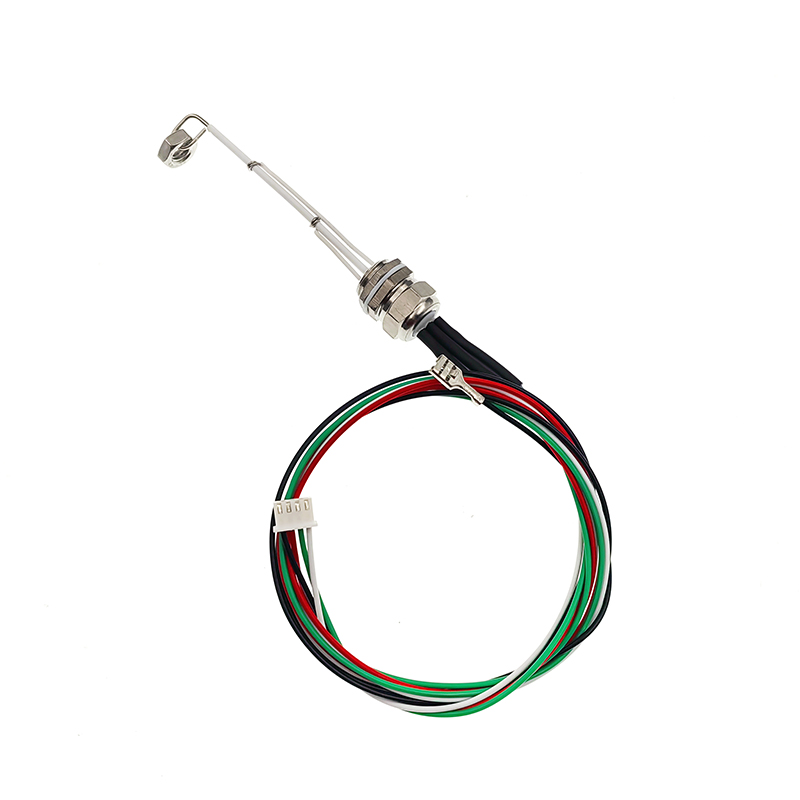 Water level sensor
Product item No.: SKT-2570 Head operating temperature 160℃ Performance test On-off Pass
Certificate
Specializing in the research and development of intelligent vehicle exhaust temperature sensor, intelligent NOX sensor, NH3 sensor, H2 sensor and speed sensor, design, production, sales and integration.
ABOUT US
Sook High Tech (Jiangsu) Co., Ltd.
Sook High Tech (Jiangsu) Co., Ltd. was established in 2015, with a registered capital of 30.5 million yuan. Has won High-tech enterprise, National science and technology small and medium-sized enterprise, Software enterprise, Member of China Machinery Industry Standardization Technology Association, Council Members of Sensor and IoT Industry Association, Council Members of China Instrument Industry Association Sensor Branch and Council Members of Jiangsu Import and Export Chamber of Commerce.
As a professional China OEM Thermocouple Temperature Sensors Manufacturers and ODM K-type Thermocouple Temperature Sensors Factory
, SOOK High Tech focuses on the design, production, sales and integration of various sensors for smart cars and industrial fields, as well as cables and heaters for the industrial field.
Has an annual production capacity of 600,000 sensors of various types. There are more than 2,000 items of exhaust temperature sensors, 450 items of NOx sensors, and 1,300 items of ABS sensor, which are exported to Europe and the United States.
Message Feedback
Recent News
Learn about our industry exhibition information and recent events in our company.
-
What does it mean when an ABS sensor makes noise?
If you notice unusual noises when braking while driving, this may be closely related to the operational status of the ABS sensors. Here are a few possible scenarios: ABS Pump and ...13 -
How to Monitor Ammonia Concentration in Livestock Farms Using Ammonia Sensors?
Ammonia (NH₃) is one of the most significant harmful gases in livestock farms, originating from the decomposition of feces and urine. Long-term exposure to high concentrations of a...06 -
How Do Automotive Sensors Work?
Automotive sensors detect physical conditions such as temperature, pressure, speed, and chemical composition, convert them into electrical signals, and send them to a vehicle's con...30 -
What Is a NOx Sensor and Why Is It So Important in Modern Vehicles?
If you work with modern diesel vehicles—or you're responsible for engines, aftertreatment systems, or emission compliance—you’ve probably heard customers ask: "What exactly is a NO...23
Thermocouple Temperature Sensors Industry knowledge
What are the typical industrial applications of K-type thermocouple temperature sensors?
1. Gas Turbine and Engine Exhaust Temperature Monitoring
Due to their wide temperature measurement range (-200°C to 1250°C) and excellent oxidation resistance, K-type thermocouple temperature sensors are commonly used for real-time exhaust temperature monitoring in gas turbines, aircraft engines, and automotive engines, helping to optimize combustion efficiency and provide fault warnings.
2. Metallurgy and Metal Heat Treatment
In the heat treatment of metals such as steel and aluminum alloys, precise monitoring of the furnace temperature profile is essential. K-type thermocouples maintain stable output in high-temperature environments, making them the preferred sensor for critical locations such as furnaces, heat treatment furnaces, and forging dies.
3. Petrochemical and Chemical Process Control
Petroleum refining and chemical reactors often involve high-temperature, corrosive media. The high-temperature and corrosion-resistant properties of K-type thermocouples enable reliable temperature measurement of critical nodes such as reactors, heat exchangers, and steam pipes, ensuring production safety.
4. Industrial Furnaces and Ceramic Firing
High-temperature firing processes for ceramics, glass, and other materials require extremely high temperature uniformity. K-type thermocouples can be placed at multiple locations within the furnace to achieve multi-point temperature measurement, helping to achieve uniform temperature control and improve product quality.
How to determine if a thermocouple is damaged or malfunctioning?
1. Check the relationship between the output voltage and the reference temperature
Use a calibration furnace or thermostat at a known temperature to perform on-site calibration of the thermocouple. If the measured voltage deviates from the reference table value by more than the specified tolerance (e.g., ±1%), the thermocouple may be deteriorating or the contacts may be corroded.
2. Visually inspect the wiring and protective tube
Inspect the thermocouple wires for cracks, oxidation, or insulation damage. Cracks or leaks in the protective tube (e.g., stainless steel or ceramic) can easily allow ingress of foreign media, causing signal drift.
3. Perform a continuity test using a multimeter
Use a multimeter to measure the resistance or continuity across the thermocouple while it is cold. If an open circuit or extremely low resistance is detected, it indicates a break or short in the wire.
4. Monitor long-term drift trends
Record the thermocouple's historical output curve using a data acquisition system. If a gradual increase or decrease in deviation occurs under the same operating conditions, the thermoelectric potential of the thermocouple has degraded and needs to be replaced.

ADD: Changjiang Road, Gaoyou Economic Development Zone, Jiangsu Province, 225600, China(within the Technology Innovation Center)
Copyright © Sook High Tech (Jiangsu) Co., Ltd. All Rights Reserved. China Thermocouple Temperature Sensors Manufacturers Custom K-type Thermocouple Temperature Sensors Factory

