
 English
 Español
 Français
 简体中文
简体中文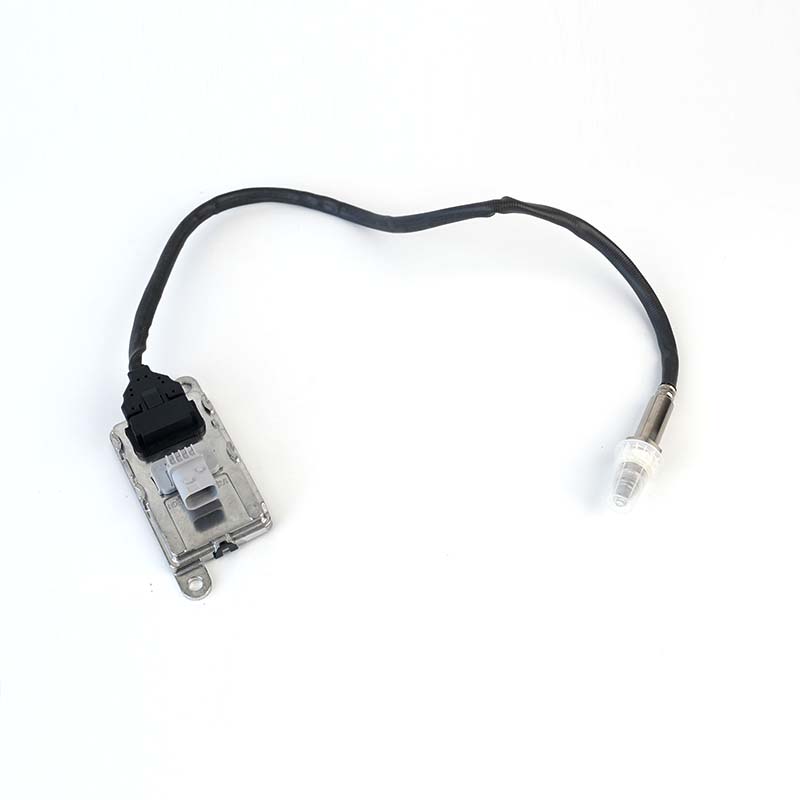
ADD: No.85 Jiuyuan Road, Economic Development Zone, Gaoyou city ,Yangzhou city ,225600 Jiangsu Province, China.
MERCEDES-BENZC-CLASS (W203) (2000/05 - 2007/08)MERCEDES-BENZC-CLASS Coupe (CL203) (2001/03 - 2011/06...
See DetailsContent
If you work with modern diesel vehicles—or you're responsible for engines, aftertreatment systems, or emission compliance—you’ve probably heard customers ask:
"What exactly is a NOx sensor, and why does this vehicle even need it?"
That’s a fair question. Ten or fifteen years ago, most engines ran just fine without one. Today, it’s often a must-have component, not an option.
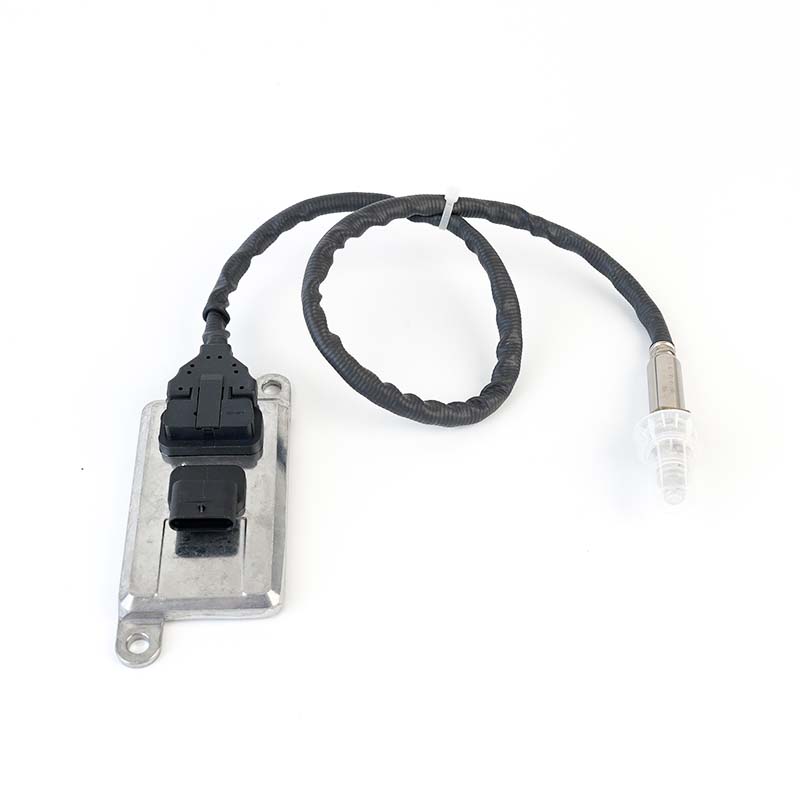
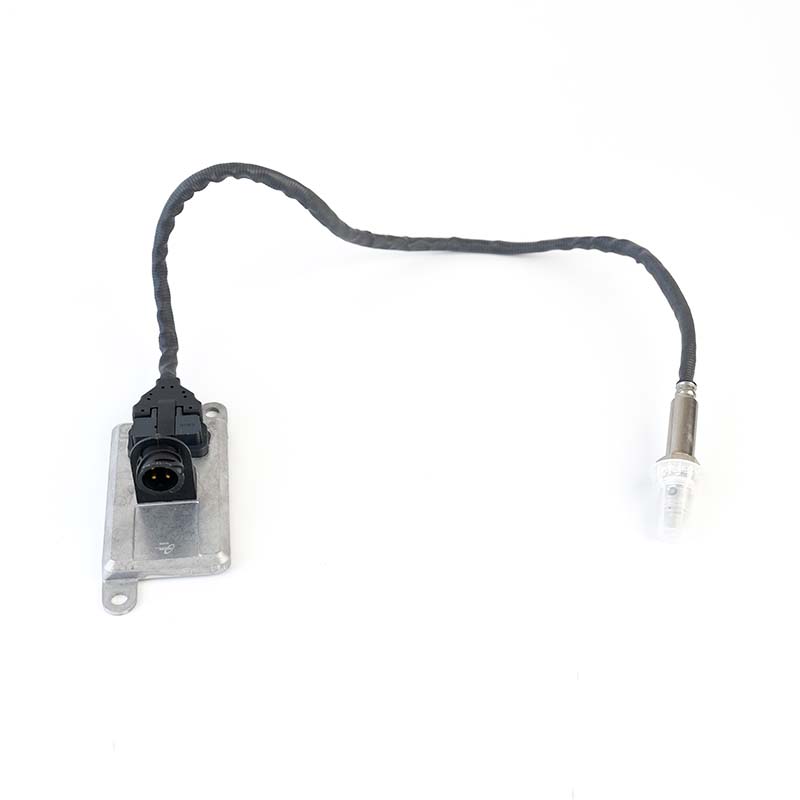
A NOx sensor measures how much nitrogen oxide (NOx) is coming out of an engine’s exhaust. NOx is a harmful gas produced during high-temperature combustion, especially in diesel engines. Governments don’t like it, cities don’t like it, and modern emission standards don’t allow much of it anymore.
So the NOx sensor acts like a real-time “nose” in the exhaust system. It tells the engine control unit (ECU):
The short answer: emission regulations changed the rules. Standards like Euro VI, China VI, and EPA regulations demand extremely low NOx emissions—not just in the lab, but in real driving conditions.
To meet those limits, engines rely heavily on systems like SCR (Selective Catalytic Reduction) and EGR (Exhaust Gas Recirculation). But here's the key point many people miss: SCR and EGR don't "think" by themselves. They need accurate data to work correctly. That data comes from the NOx sensor.
If the sensor is missing, inaccurate, or slow:
NOx sensors are mainly used when the engine is designed to meet strict emission standards, SCR systems are installed, or on-board diagnostics (OBD) are required. Typical applications include:
In simple terms, exhaust gas flows into the sensor where it separates and reacts with NOx internally. Electrical signals are generated based on NOx concentration, which the sensor's control module converts into readable data for the ECU to adjust fuel, EGR, or urea injection.
| Sensor Type | What It Measures | Main Purpose | Complexity |
|---|---|---|---|
| Oxygen Sensor (O₂) | Oxygen level | Air-fuel ratio control | Low |
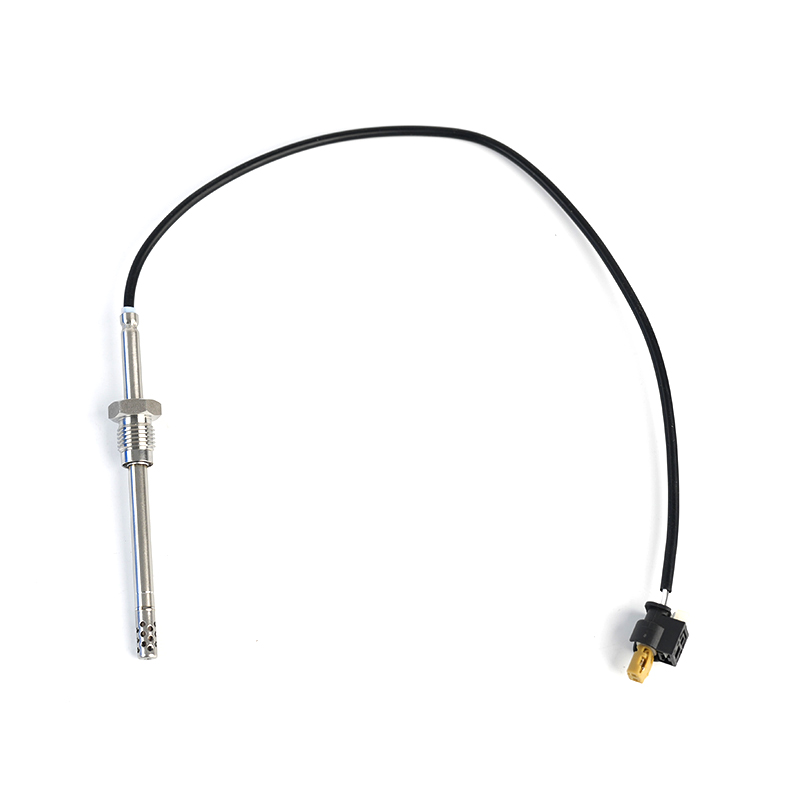
| Exhaust Temp Sensor | Temperature | Thermal protection | Low |
| NOx Sensor | Nitrogen oxides | Emission control & compliance | High |
Q1: Can a vehicle run without a NOx sensor?
It may run, but it won’t meet modern emission requirements and will likely trigger fault codes or power limitation.
Q2: Why do some vehicles have two NOx sensors?
One measures NOx before treatment, the other checks how well the SCR system removes it.
Q3: Is a NOx sensor a wear part?
Yes. It has a limited lifespan, especially in high-temperature or high-sulfur environments.
MERCEDES-BENZC-CLASS (W203) (2000/05 - 2007/08)MERCEDES-BENZC-CLASS Coupe (CL203) (2001/03 - 2011/06...
See Details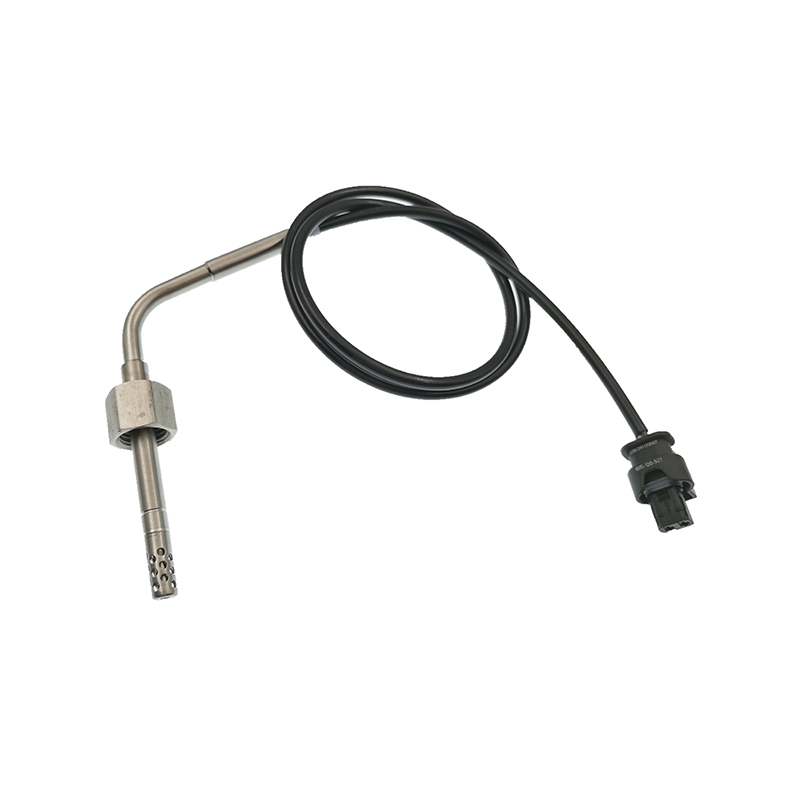
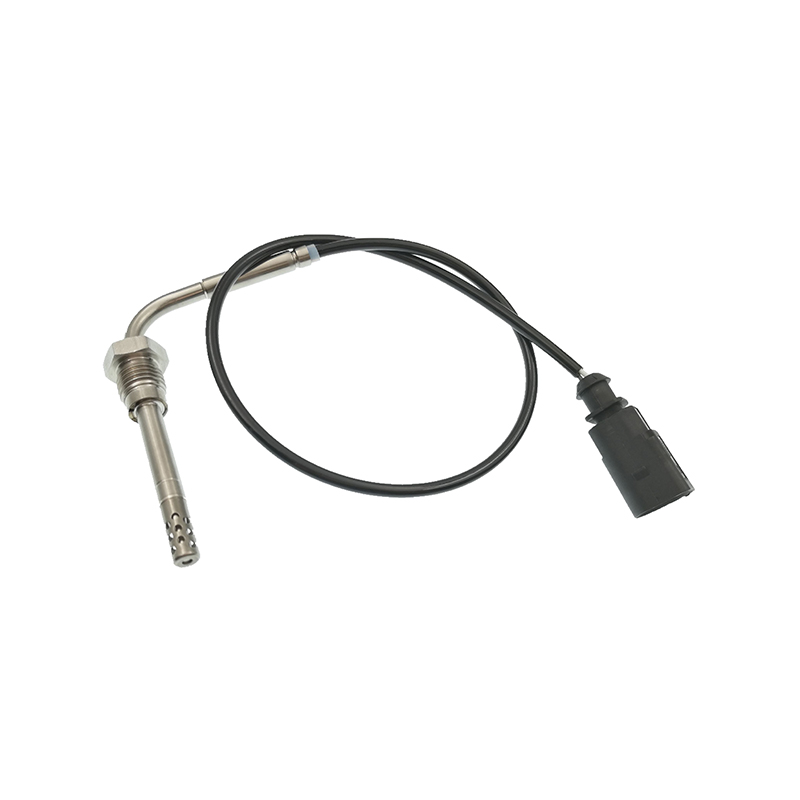
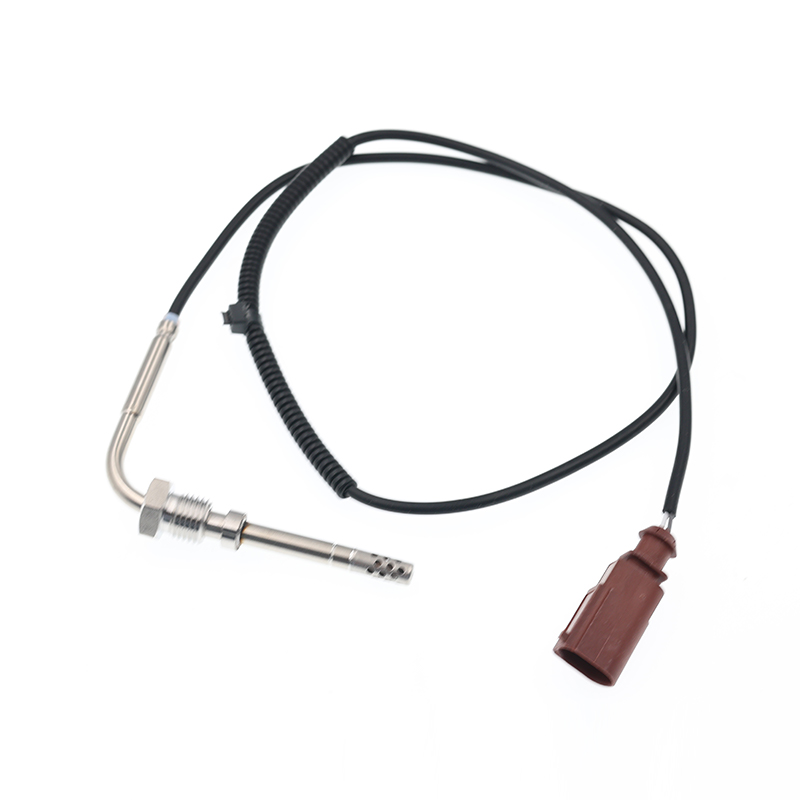
AUDIQ7 (4L) (2006/03 - 2015/08)VWTOUAREG (7LA, 7L6, 7L7) (2002/10 - 2010/05)
See Details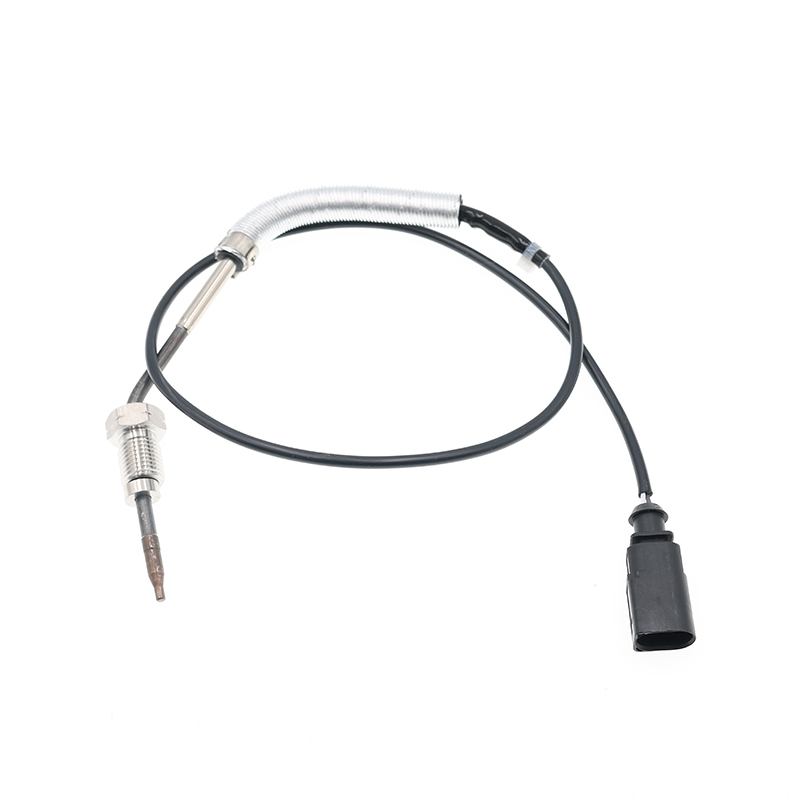
AUDIA3 (8P1) (2003/05 - 2012/08)AUDIA3 Sportback (8PA) (2004/09 - 2013/03)AUDIA4 (8EC, B7) (2004/11 ...
See Details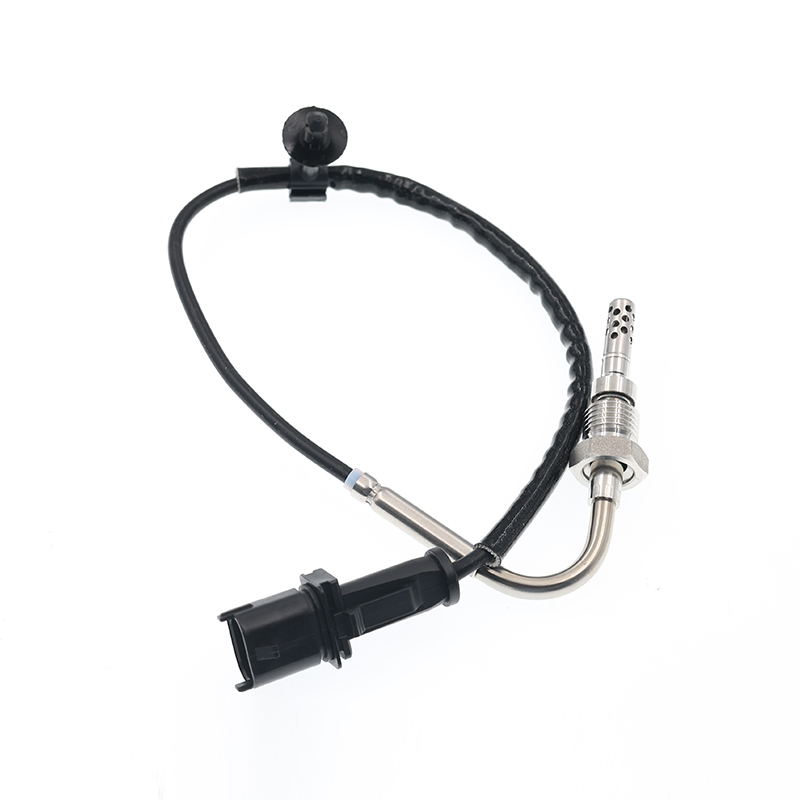
OPEL ASTRA J (2009/12 - /) OPEL ASTRA J Sports Tourer (2010/10 - /) OPEL ASTRA GTC J ...
See Details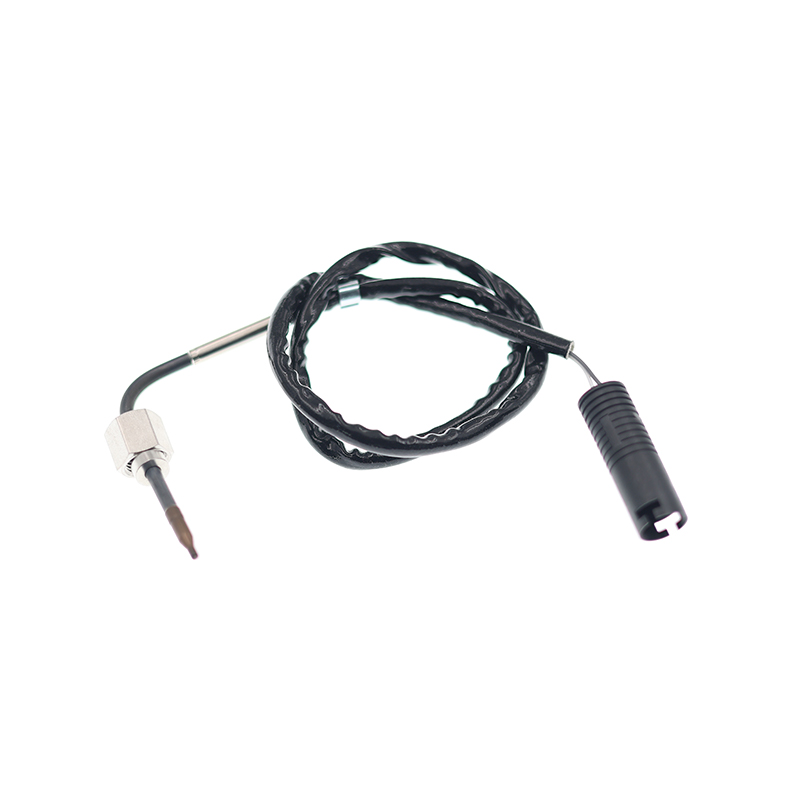
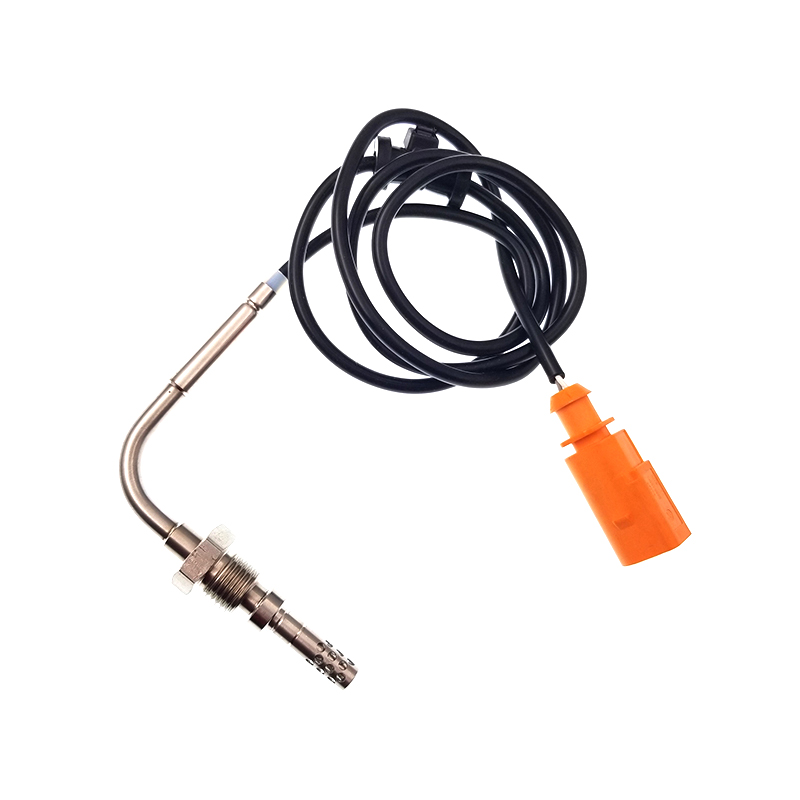
VWJETTA III (1K2) (2005/08 - 2010/10) VWGOLF VI (5K1) (2008/10 - 2013/11) VWGOLF VI Varia...
See Details
ADD: No.85 Jiuyuan Road, Economic Development Zone, Gaoyou city ,Yangzhou city ,225600 Jiangsu Province, China.
Copyright © Sook High Tech (Jiangsu) Co., Ltd. All Rights Reserved. OEM/ODM Automotive Sensor Manufacturers

