
 English
 Español
 Français
 简体中文
简体中文ADD: No.85 Jiuyuan Road, Economic Development Zone, Gaoyou city ,Yangzhou city ,225600 Jiangsu Province, China.
MERCEDES-BENZC-CLASS (W203) (2000/05 - 2007/08)MERCEDES-BENZC-CLASS Coupe (CL203) (2001/03 - 2011/06...
See DetailsContent
In automotive emission monitoring and high-temperature industrial operations, the precision of an Exhaust Gas Temperature (EGT) sensor directly impacts engine efficiency and safety. Among various sensor technologies, PTC sensors based on PT200 or PT500 technology are recognized as the industry benchmark for high precision.
What exactly makes PTC sensors stand out in terms of accuracy? It primarily stems from the following four core logics:
Ordinary thermistors (such as NTC) often exhibit a non-linear curve as resistance changes with temperature, meaning that at extreme high temperatures, even minor measurement deviations can be amplified.
The PTC Advantage: PTC EGT sensors utilize Platinum as the temperature-sensing material. The resistance change of platinum relative to temperature is characterized by extremely high linearity and predictability. Whether during a cold start or in high-temperature conditions above 800°C, it provides a stable, nearly linear feedback, enabling precise temperature readings.
After undergoing thousands of high-temperature cycles, the internal materials of ordinary sensors are prone to physical degradation, leading to "drift"—where the readings become increasingly inaccurate over time.
The PTC Advantage: Platinum is an extremely chemically stable precious metal. Our PTC sensors encapsulate platinum wire or film within a rugged protective sheath. This design not only resists erosion from corrosive gases but also ensures the sensor maintains an ultra-low resistance drift rate under long-term, high-intensity thermal shock. This level of consistency is unmatched by ordinary sensors.
The PTC Advantage: Because PT200/PT500 sensors feature standardized resistance characteristics (for example, PT200 has a resistance of 200Ω at 0°C), they are highly compatible with modern Engine Control Units (ECUs). Through high-precision micro-storage and compensation technologies, the system can calibrate data in real-time, ensuring that the sensor's output is an optimized, precise signal under all harsh operating conditions.
Precision depends not only on the chip itself but also on its ability to "survive" in hostile environments.
Ordinary Sensors: May develop oxide layers at high temperatures, leading to increased contact resistance and distorted readings.
PTC EGT Sensors: Specifically designed to handle high temperatures, high vibration, and strong corrosion. The stable physical structure ensures that even in the extreme environment of an exhaust pipe, the sensor can still capture the most subtle temperature fluctuations.
As a professional sensor supplier, we can provide PT200/PT500 sensor solutions in various specifications (such as packaging dimensions, cable lengths, etc.) based on your specific application requirements.
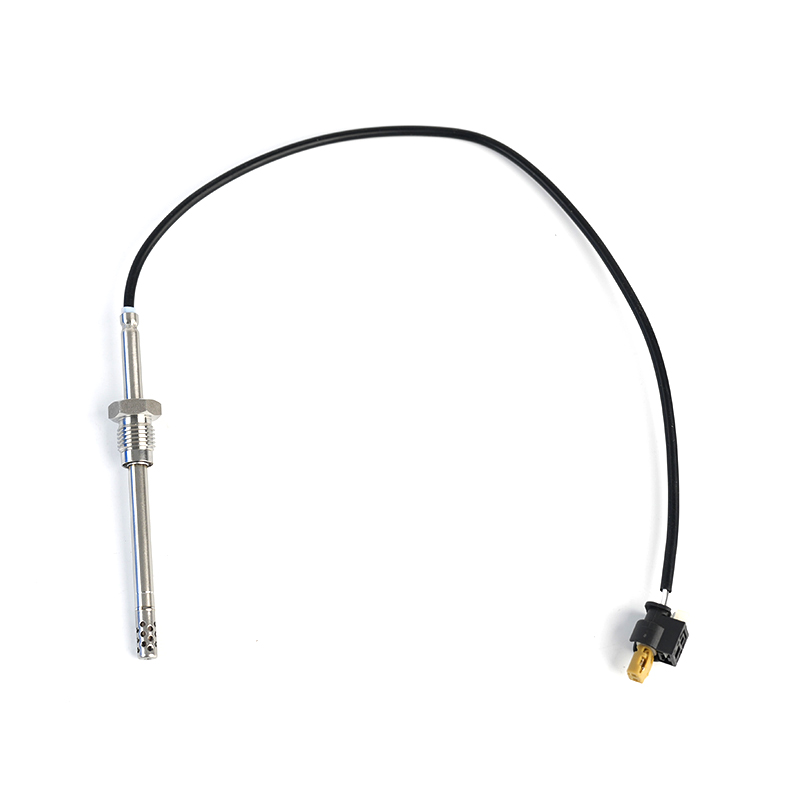
MERCEDES-BENZC-CLASS (W203) (2000/05 - 2007/08)MERCEDES-BENZC-CLASS Coupe (CL203) (2001/03 - 2011/06...
See Details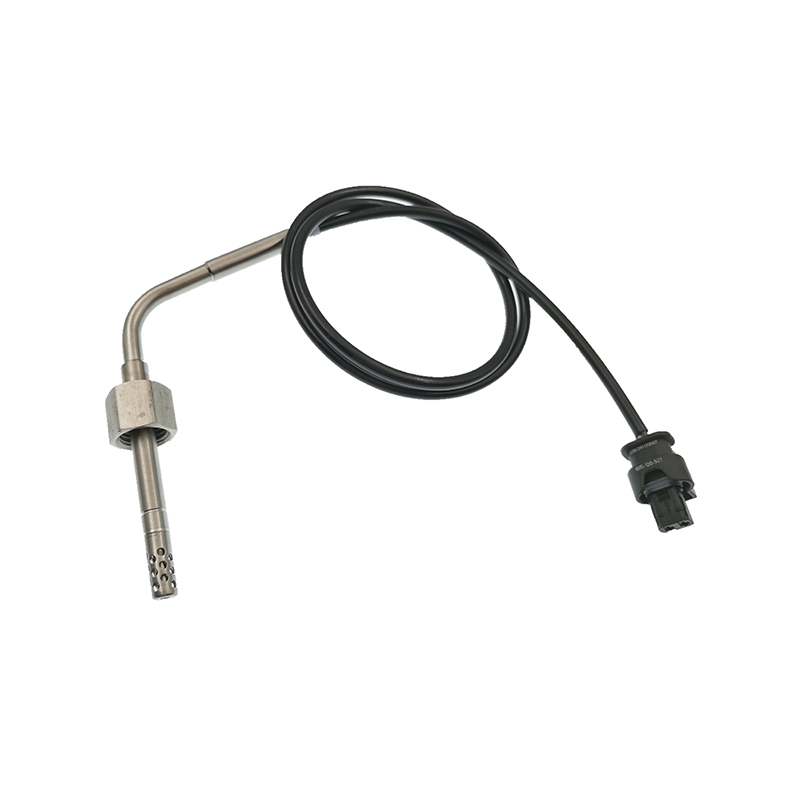
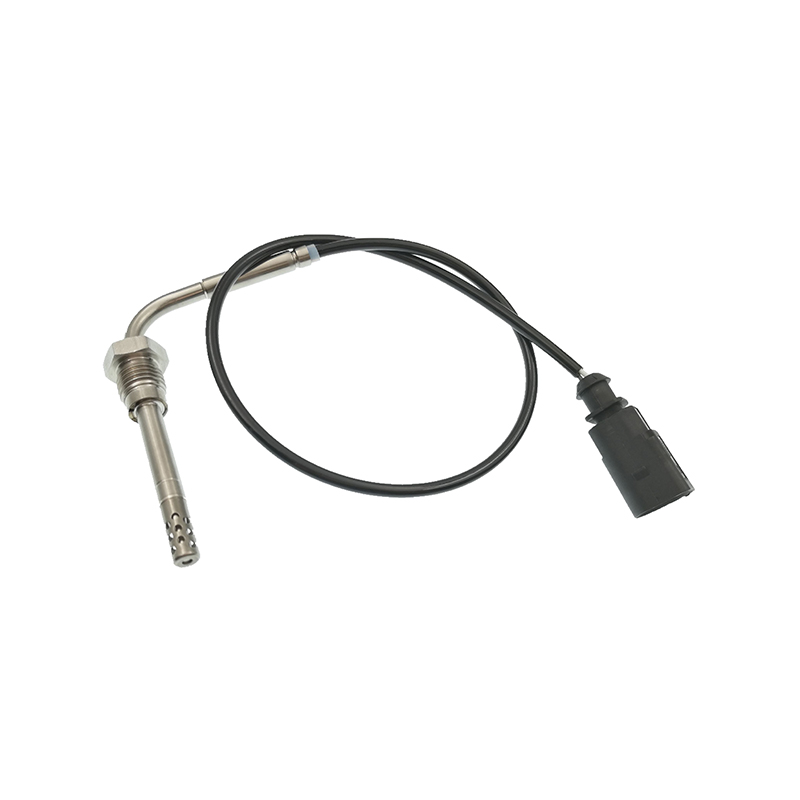
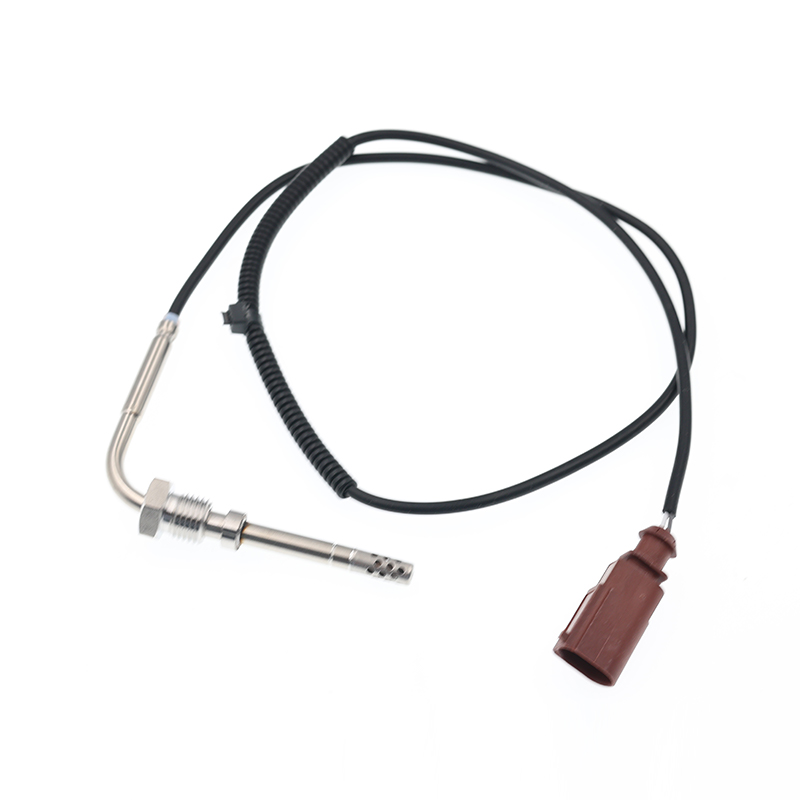
AUDIQ7 (4L) (2006/03 - 2015/08)VWTOUAREG (7LA, 7L6, 7L7) (2002/10 - 2010/05)
See Details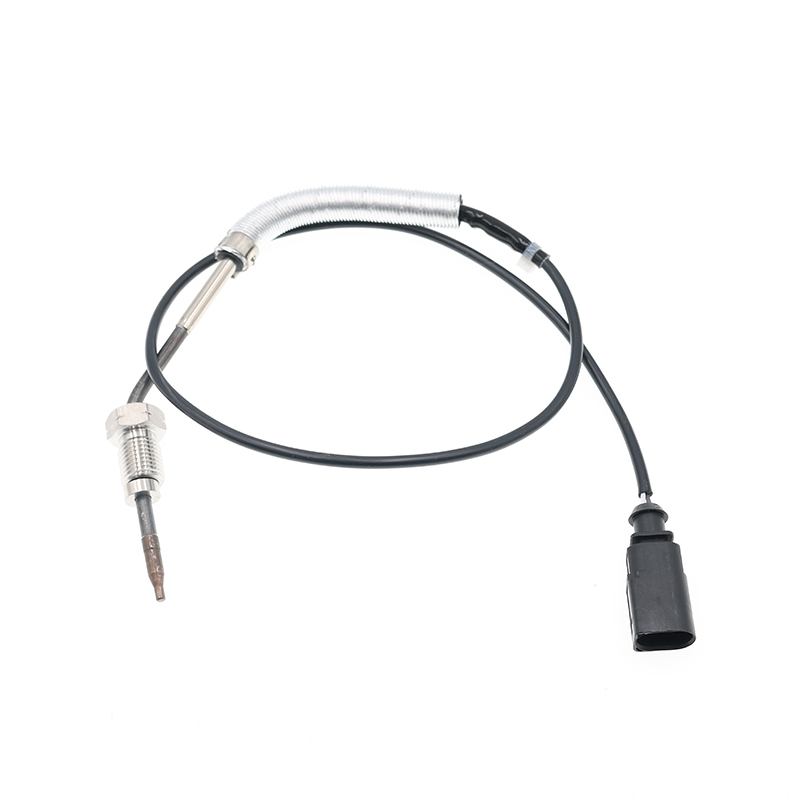
AUDIA3 (8P1) (2003/05 - 2012/08)AUDIA3 Sportback (8PA) (2004/09 - 2013/03)AUDIA4 (8EC, B7) (2004/11 ...
See Details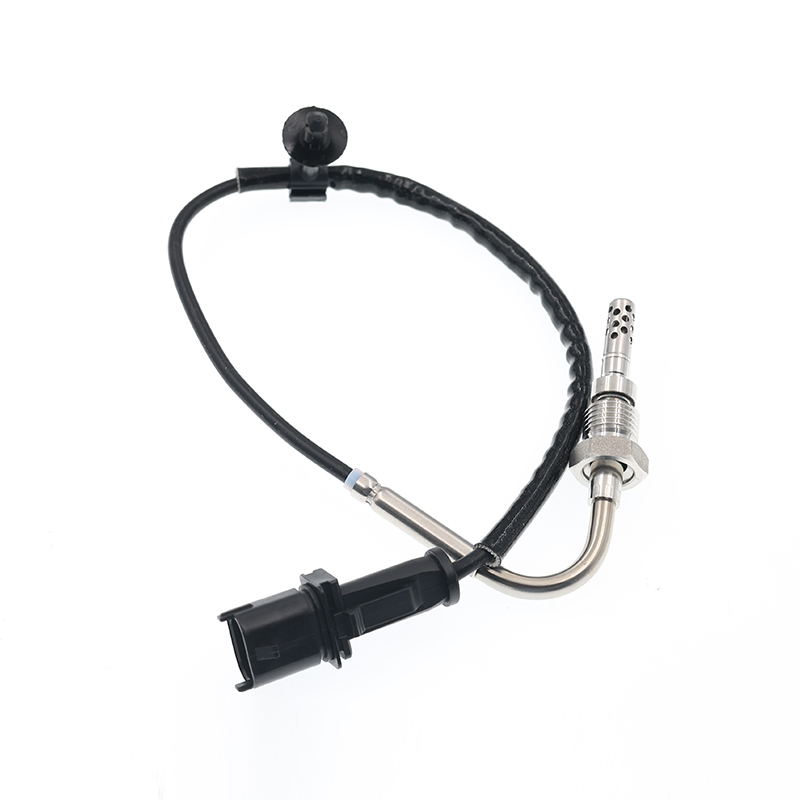
OPEL ASTRA J (2009/12 - /) OPEL ASTRA J Sports Tourer (2010/10 - /) OPEL ASTRA GTC J ...
See Details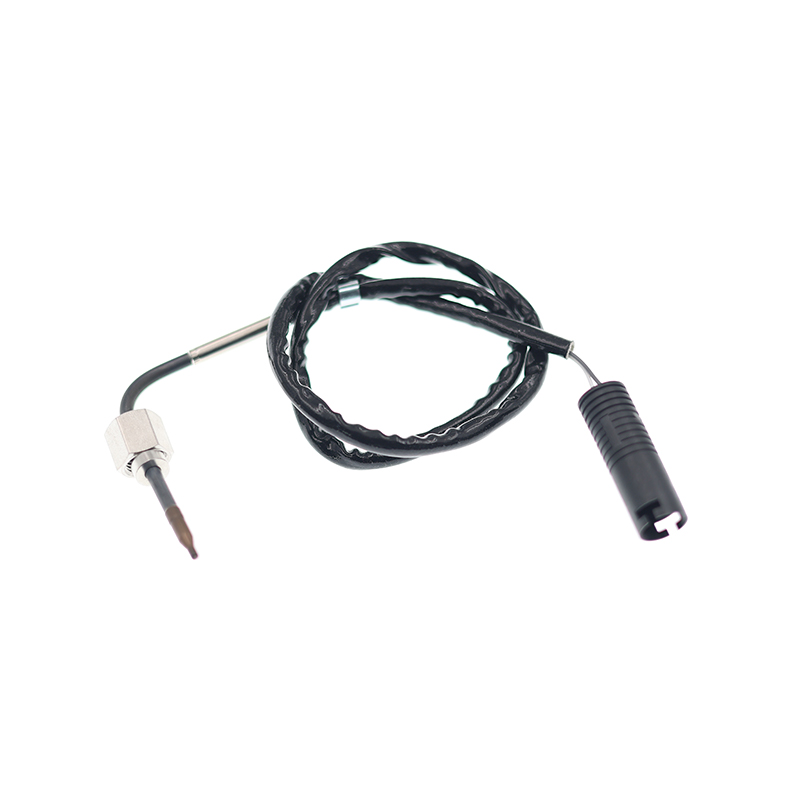
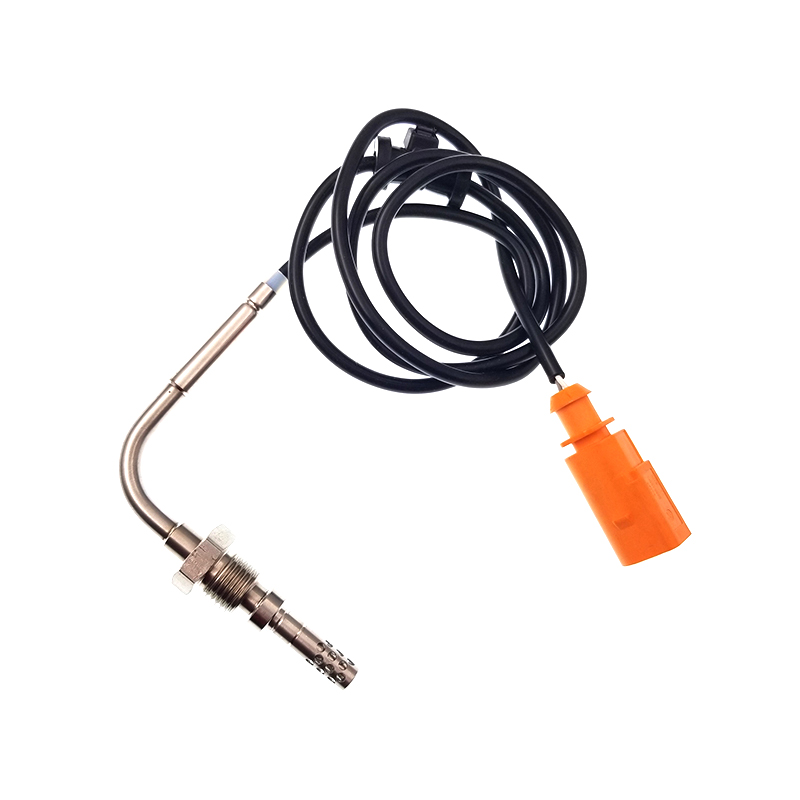
VWJETTA III (1K2) (2005/08 - 2010/10) VWGOLF VI (5K1) (2008/10 - 2013/11) VWGOLF VI Varia...
See Details
ADD: No.85 Jiuyuan Road, Economic Development Zone, Gaoyou city ,Yangzhou city ,225600 Jiangsu Province, China.
Copyright © Sook High Tech (Jiangsu) Co., Ltd. All Rights Reserved. OEM/ODM Automotive Sensor Manufacturers

