
 English
 Español
 Français
 简体中文
简体中文ADD: No.85 Jiuyuan Road, Economic Development Zone, Gaoyou city ,Yangzhou city ,225600 Jiangsu Province, China.
MERCEDES-BENZC-CLASS (W203) (2000/05 - 2007/08)MERCEDES-BENZC-CLASS Coupe (CL203) (2001/03 - 2011/06...
See DetailsContent
The sensor is installed upstream of the DPF and collects exhaust gas temperature in real time, providing the ECU with crucial data for triggering regeneration.
When the exhaust gas temperature reaches a preset threshold (approximately 350°C–500°C), the ECU automatically initiates fuel injection or adjusts auxiliary means such as turbocharging and EGR to ensure that the internal temperature of the DPF further increases to above 600°C, which is necessary for burning particulate matter.
Accurate temperature feedback allows the regeneration process to occur at the optimal time, significantly increasing the particulate oxidation rate and reducing fuel consumption required for regeneration.
If the temperature is insufficient, the system will delay regeneration to prevent incomplete combustion; if the temperature is too high, it will suppress fuel injection to prevent DPF overheating damage, thereby extending the filter's service life.
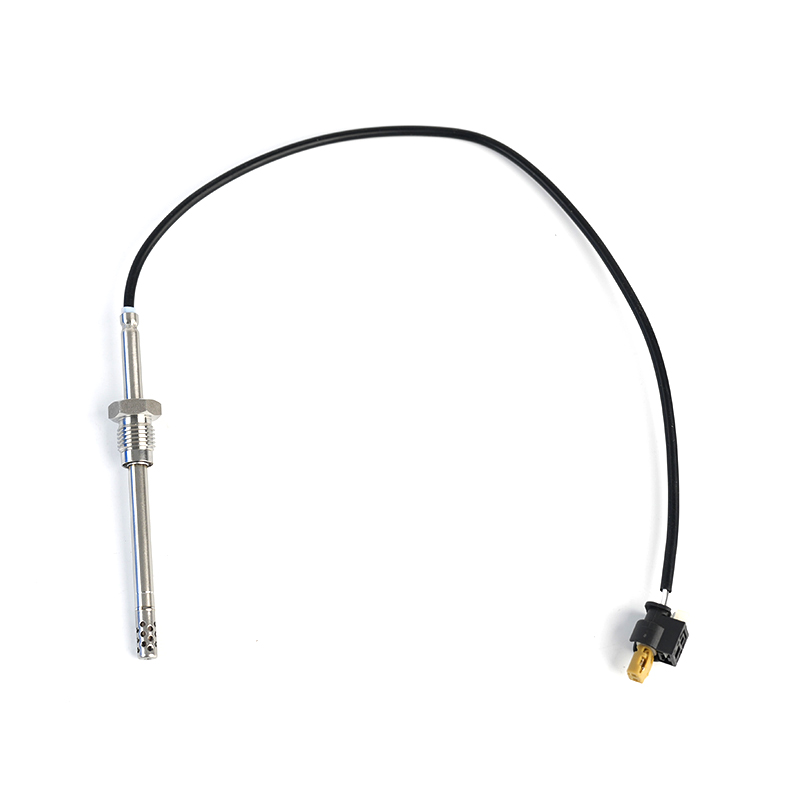
MERCEDES-BENZC-CLASS (W203) (2000/05 - 2007/08)MERCEDES-BENZC-CLASS Coupe (CL203) (2001/03 - 2011/06...
See Details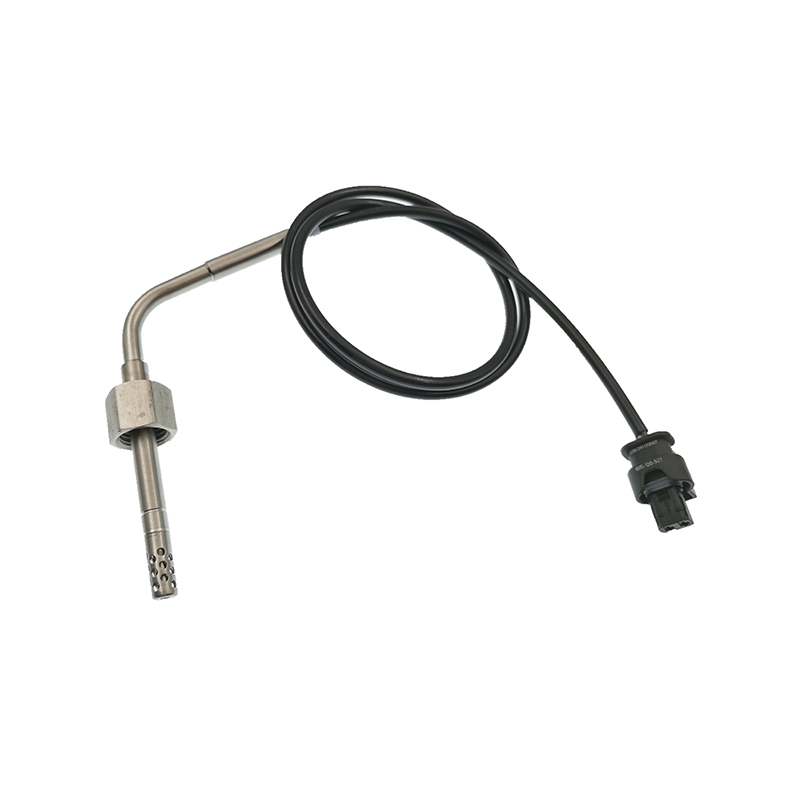
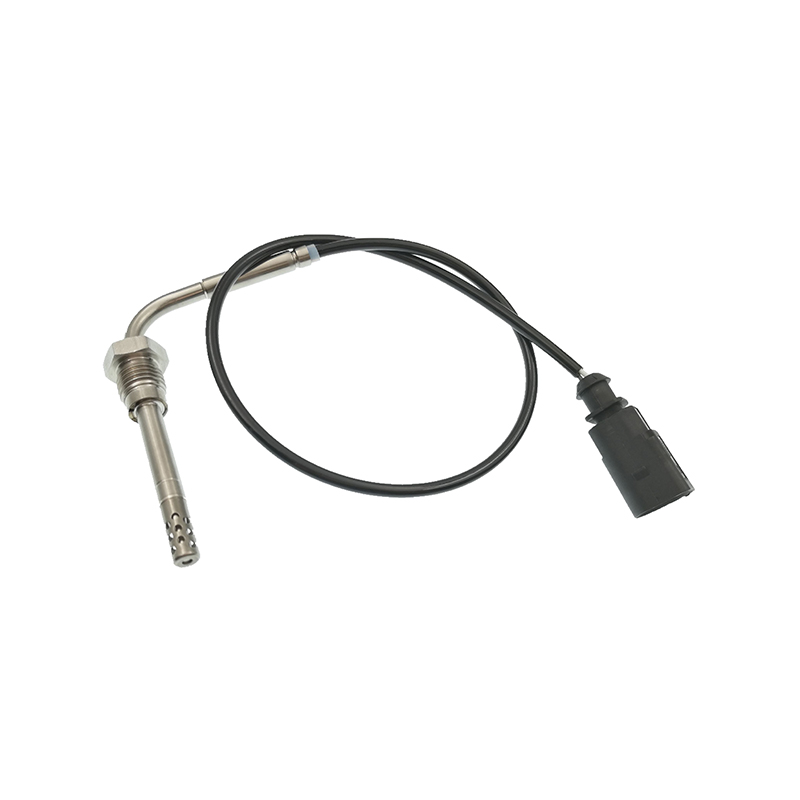
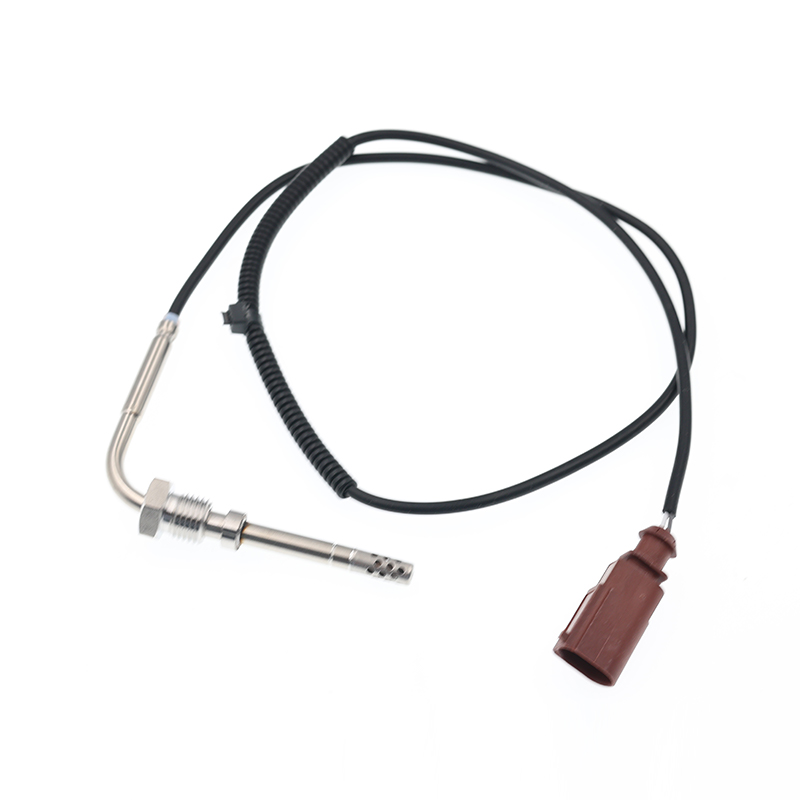
AUDIQ7 (4L) (2006/03 - 2015/08)VWTOUAREG (7LA, 7L6, 7L7) (2002/10 - 2010/05)
See Details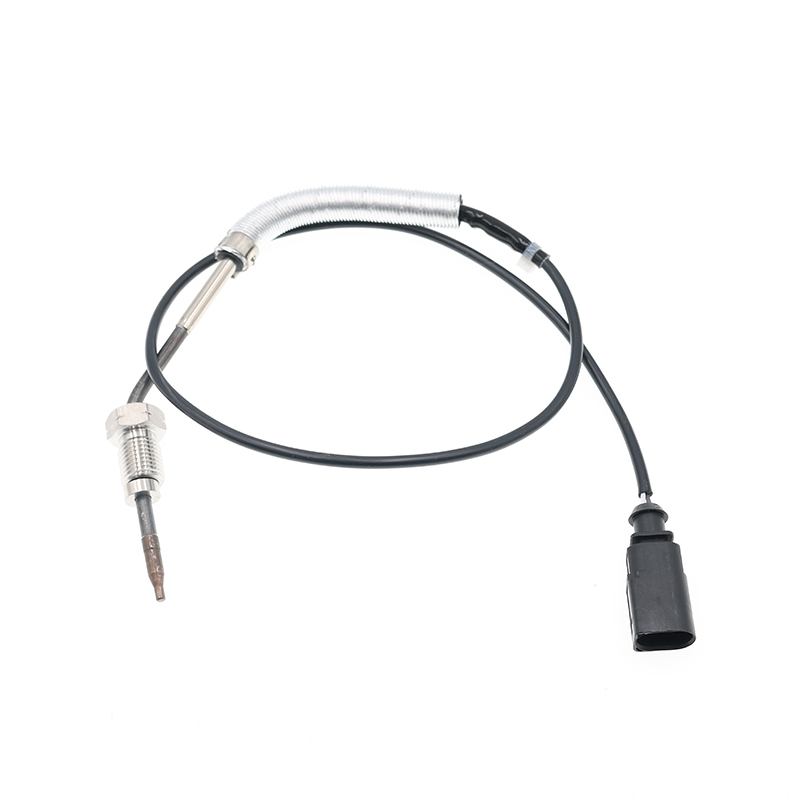
AUDIA3 (8P1) (2003/05 - 2012/08)AUDIA3 Sportback (8PA) (2004/09 - 2013/03)AUDIA4 (8EC, B7) (2004/11 ...
See Details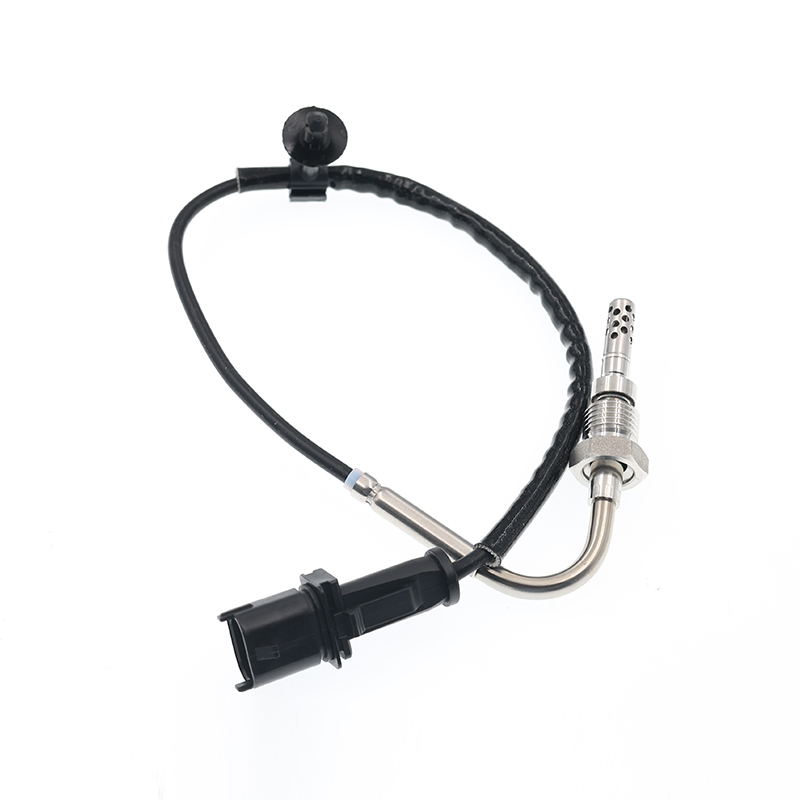
OPEL ASTRA J (2009/12 - /) OPEL ASTRA J Sports Tourer (2010/10 - /) OPEL ASTRA GTC J ...
See Details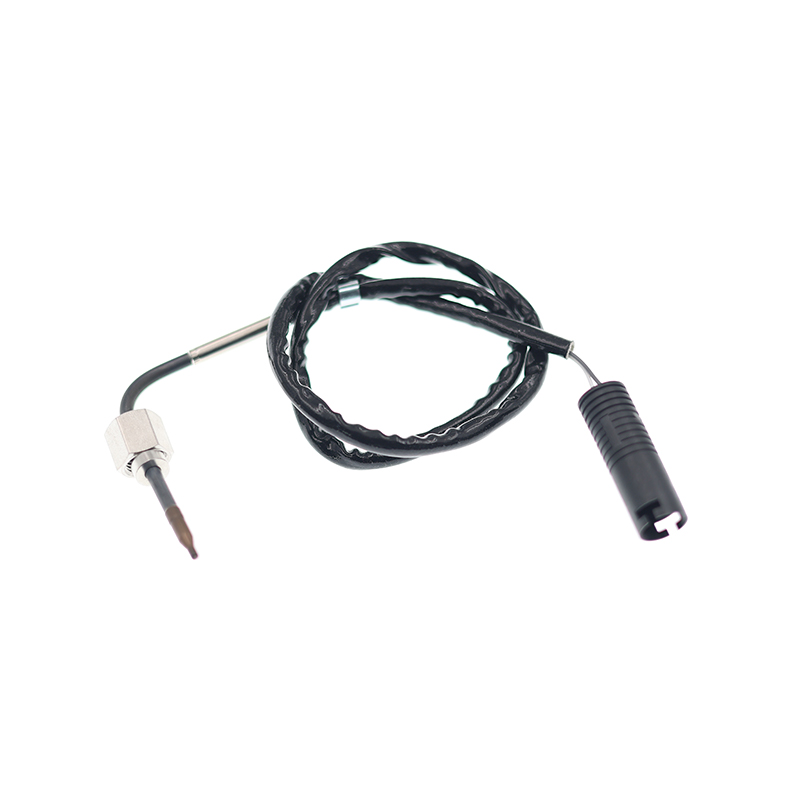
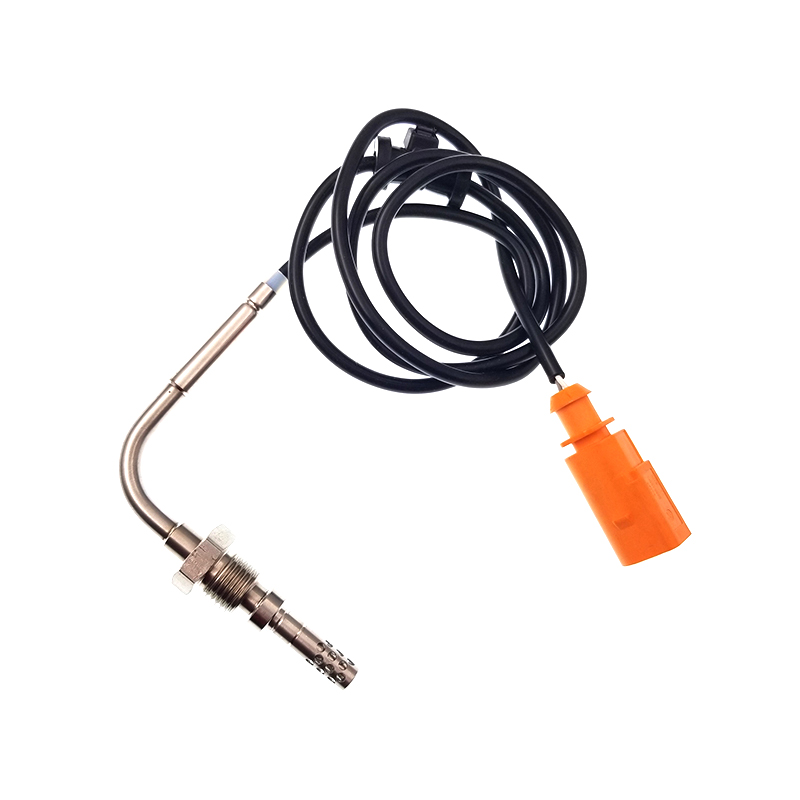
VWJETTA III (1K2) (2005/08 - 2010/10) VWGOLF VI (5K1) (2008/10 - 2013/11) VWGOLF VI Varia...
See Details
ADD: No.85 Jiuyuan Road, Economic Development Zone, Gaoyou city ,Yangzhou city ,225600 Jiangsu Province, China.
Copyright © Sook High Tech (Jiangsu) Co., Ltd. All Rights Reserved. OEM/ODM Automotive Sensor Manufacturers

