
 English
 Español
 Français
 简体中文
简体中文ADD: No.85 Jiuyuan Road, Economic Development Zone, Gaoyou city ,Yangzhou city ,225600 Jiangsu Province, China.
MERCEDES-BENZC-CLASS (W203) (2000/05 - 2007/08)MERCEDES-BENZC-CLASS Coupe (CL203) (2001/03 - 2011/06...
See DetailsContent
In the fields of automotive and industrial measurement, the NTC EGT sensor is another widely utilized tool for monitoring exhaust gas temperatures.
NTC stands for "Negative Temperature Coefficient." Contrary to PTC (Platinum Resistance) sensors, the core characteristic of an NTC sensor is that its resistance value decreases as the temperature increases. When the exhaust gas temperature rises, the resistance of the semiconductor material inside the sensor drops rapidly; this change is sent to a control unit (such as an ECU) and converted into a precise temperature reading.
Extremely High Sensitivity: NTC sensors are exceptionally sensitive to temperature changes within specific temperature ranges. Even minute fluctuations can be captured through significant changes in resistance.
Fast Response: Thanks to their semiconductor material, NTC sensors typically feature a shorter thermal response time, providing real-time feedback on temperature dynamics.
High Cost-Effectiveness: Compared to PTC (PT200/PT500) sensors that use precious metals like platinum, NTC sensors are more economical while still meeting the requirements of specific operating conditions. They are the preferred choice for many mass-market applications.
Direction of Change: PTC (PT200/PT500): Temperature rises, resistance rises (excellent linearity, suitable for extreme high temperatures).
NTC: Temperature rises, resistance falls (high sensitivity, suitable for specific temperature zones).
Material: PTC uses the precious metal platinum, while NTC typically uses ceramic or polymer semiconductor materials.
NTC EGT sensors are commonly used to monitor turbocharger status, exhaust after-treatment systems (such as DPF filters), and other industrial pipelines requiring high-sensitivity temperature feedback. By monitoring temperatures at these critical locations, they effectively protect engine components and optimize combustion efficiency.
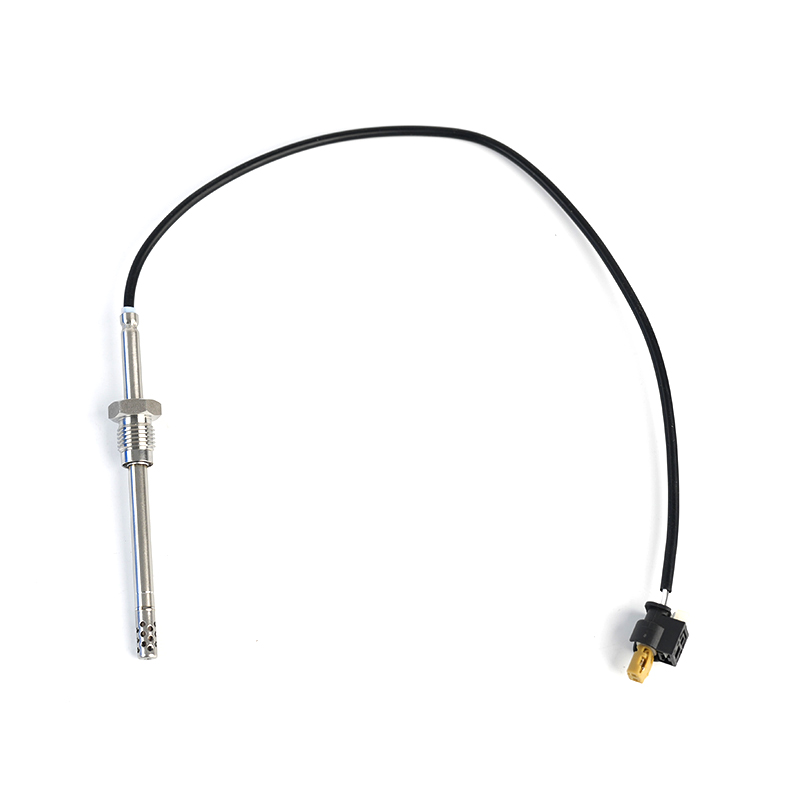
MERCEDES-BENZC-CLASS (W203) (2000/05 - 2007/08)MERCEDES-BENZC-CLASS Coupe (CL203) (2001/03 - 2011/06...
See Details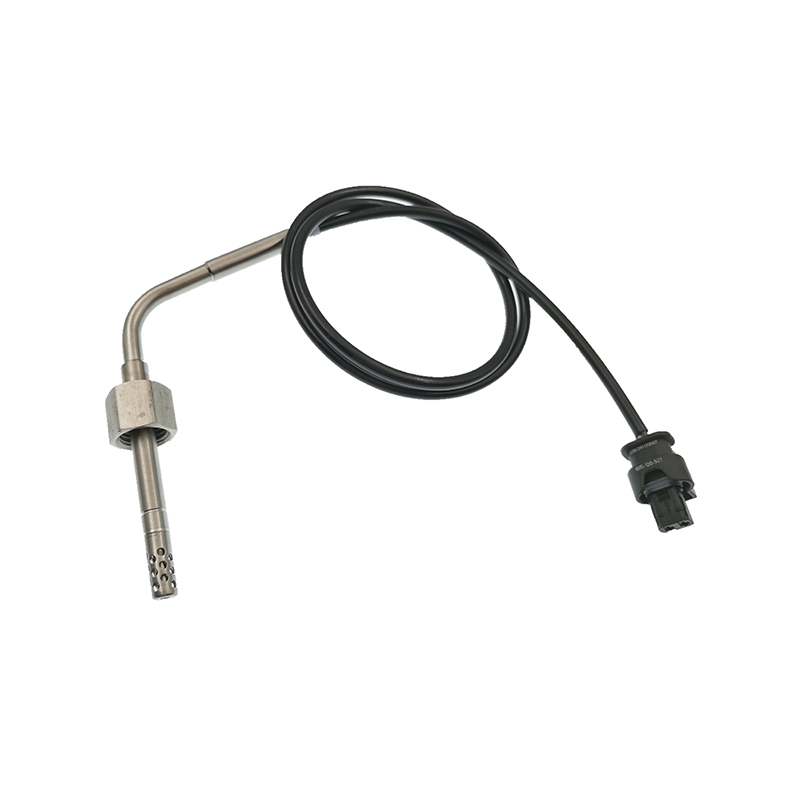
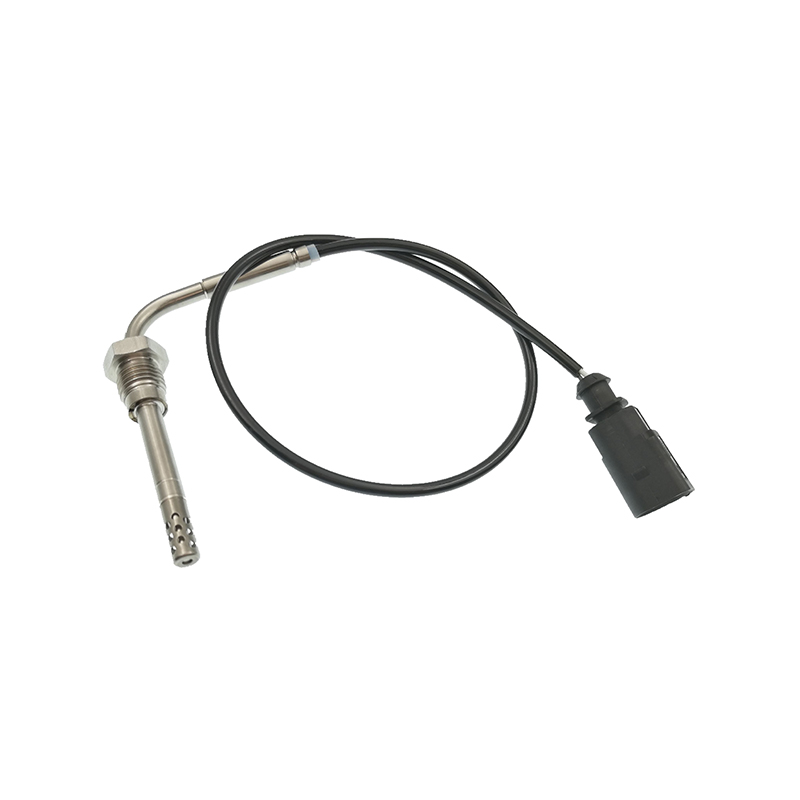
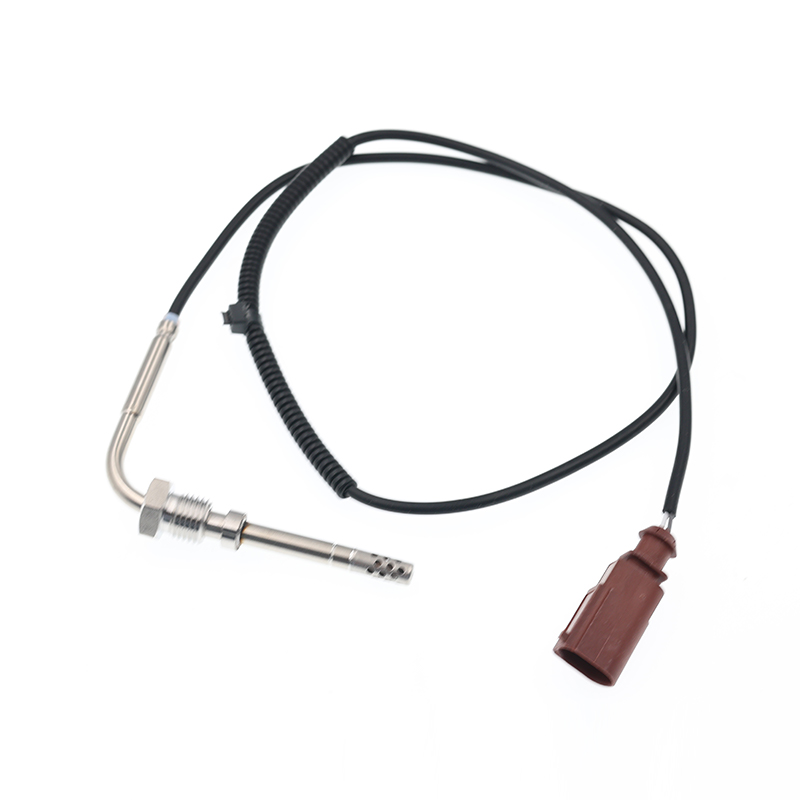
AUDIQ7 (4L) (2006/03 - 2015/08)VWTOUAREG (7LA, 7L6, 7L7) (2002/10 - 2010/05)
See Details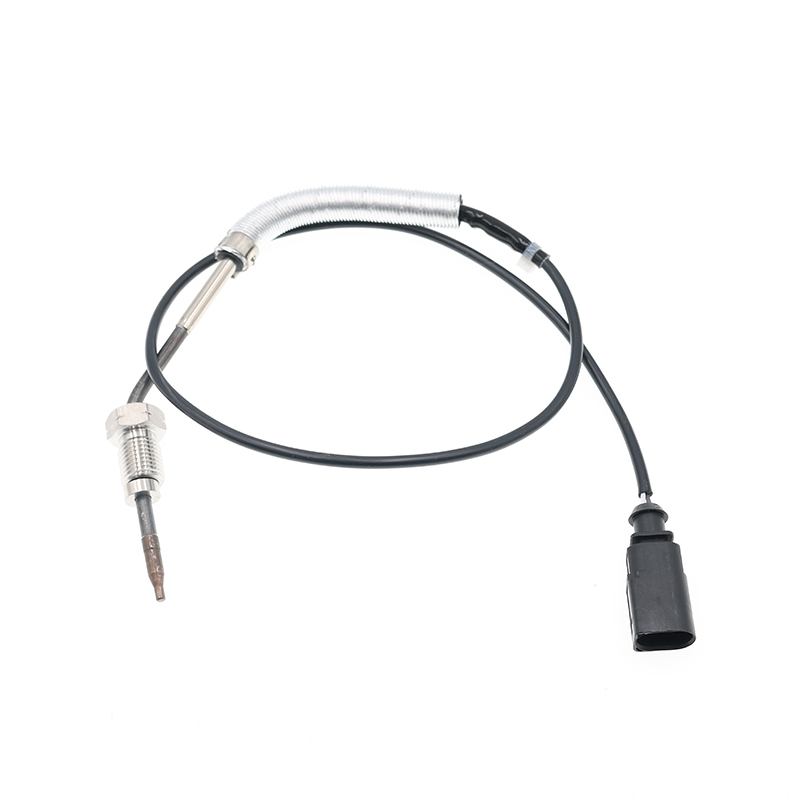
AUDIA3 (8P1) (2003/05 - 2012/08)AUDIA3 Sportback (8PA) (2004/09 - 2013/03)AUDIA4 (8EC, B7) (2004/11 ...
See Details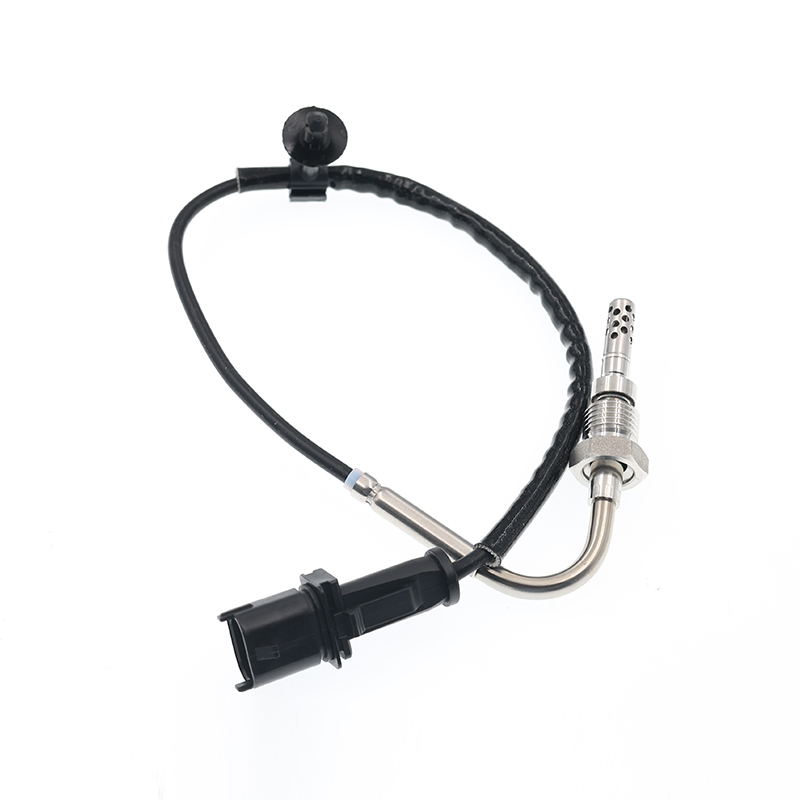
OPEL ASTRA J (2009/12 - /) OPEL ASTRA J Sports Tourer (2010/10 - /) OPEL ASTRA GTC J ...
See Details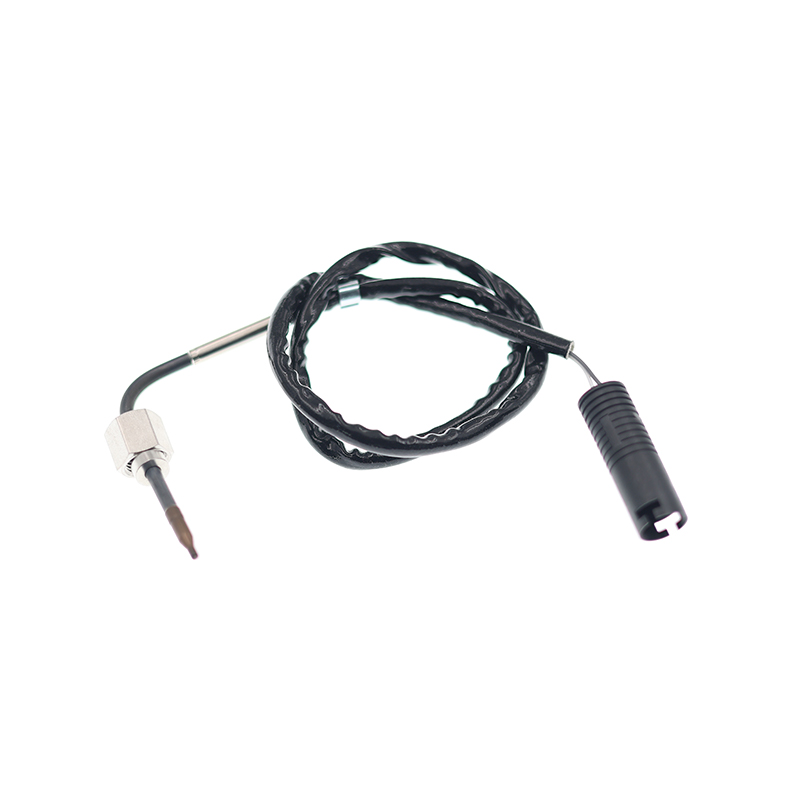
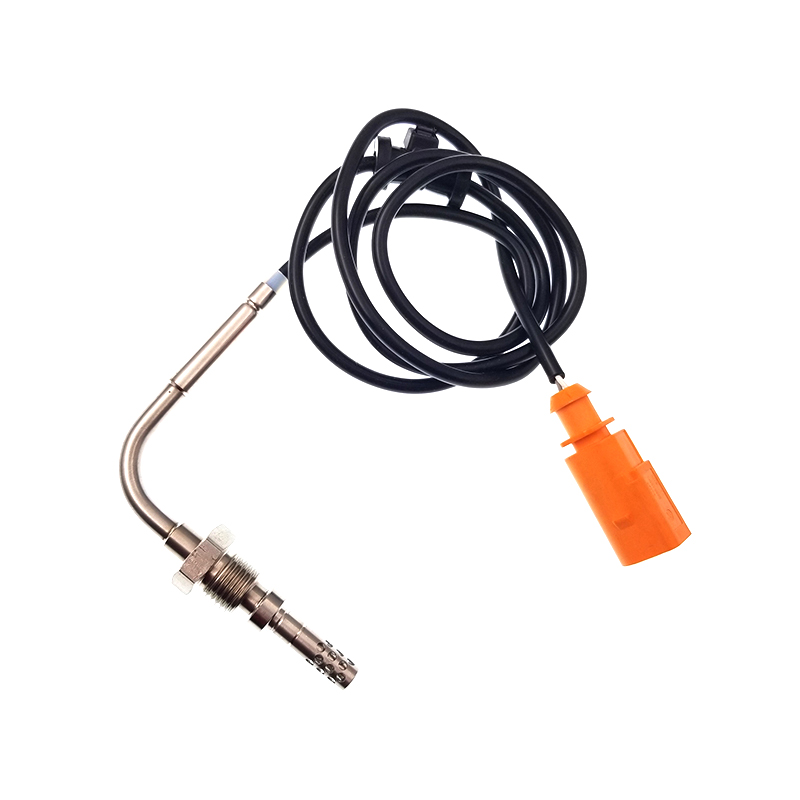
VWJETTA III (1K2) (2005/08 - 2010/10) VWGOLF VI (5K1) (2008/10 - 2013/11) VWGOLF VI Varia...
See Details
ADD: No.85 Jiuyuan Road, Economic Development Zone, Gaoyou city ,Yangzhou city ,225600 Jiangsu Province, China.
Copyright © Sook High Tech (Jiangsu) Co., Ltd. All Rights Reserved. OEM/ODM Automotive Sensor Manufacturers

