
 English
 Español
 Français
 简体中文
简体中文ADD: No.85 Jiuyuan Road, Economic Development Zone, Gaoyou city ,Yangzhou city ,225600 Jiangsu Province, China.
MERCEDES-BENZC-CLASS (W203) (2000/05 - 2007/08)MERCEDES-BENZC-CLASS Coupe (CL203) (2001/03 - 2011/06...
See DetailsContent
An NTC sensor — short for Negative Temperature Coefficient sensor — is a type of thermistor whose electrical resistance decreases as temperature rises. This inverse relationship between resistance and temperature makes NTC sensors exceptionally responsive to thermal changes, enabling them to detect even small temperature shifts within milliseconds and convert those changes into an accurate electrical signal. In automotive applications, the most widely deployed variant is the NTC EGT (Exhaust Gas Temperature) sensor, which monitors the temperature of exhaust gases flowing through the after-treatment system, particularly around the three-way catalytic converter and diesel particulate filter (DPF).
Understanding how NTC sensors work, where they are used, and how they differ from other sensing technologies is essential knowledge for automotive engineers, aftermarket parts buyers, and fleet procurement teams sourcing replacement components. The sections below cover the operating principle, key performance parameters, typical applications, failure modes, and selection criteria for NTC EGT sensors in detail.
NTC sensors are built around a semiconductor material — most commonly a sintered metal oxide compound such as manganese, nickel, cobalt, or copper oxide — whose atomic structure produces a steep, predictable resistance drop as thermal energy increases. The relationship is described by the Steinhart–Hart equation or, for practical purposes, by a simpler B-parameter (beta value) approximation that manufacturers publish in their datasheets.
In an NTC EGT sensor installed on a vehicle, the thermistor element sits inside a stainless steel probe that is threaded directly into the exhaust pipe or positioned upstream/downstream of an aftertreatment component. As exhaust gas flows past the probe tip, heat conducts into the thermistor bead, reducing its resistance. The vehicle's Engine Control Unit (ECU) supplies a reference voltage across the sensor and measures the resulting voltage drop; because the resistance-temperature curve for a given NTC element is precisely characterized, the ECU can calculate the exhaust gas temperature to within a defined accuracy band in real time.
The output of an NTC EGT sensor is an analog voltage signal that varies continuously with temperature, as opposed to a switched or frequency-based output. This allows the ECU to monitor temperature trends dynamically — detecting rapid rises that could indicate a misfire, regeneration cycle anomaly, or catalyst overheating event — and to trigger warning lamps or protective actions before hardware damage occurs.
When evaluating NTC EGT sensors for procurement or replacement, the following technical parameters define whether a sensor is suitable for a given vehicle platform and operating environment.
| Parameter | Typical Specification | Significance |
|---|---|---|
| Operating Temperature Range | -40 °C to +900 °C | Must cover cold-start and full-load regeneration conditions |
| Measurement Accuracy (below 600 °C) | ±10 °C | Ensures precise catalyst light-off detection |
| Measurement Accuracy (above 600 °C) | ±20 °C | Acceptable tolerance during high-load or regeneration events |
| Response Time (at 10 m/s gas flow) | <8 seconds | Critical for rapid fault detection during misfire events |
| Probe Numbers | 1 – 2 | Single or dual-element configurations for redundancy or differential measurement |
| Signal Output | Analog voltage (on-board vehicle reference) | Direct compatibility with OEM ECU inputs |
The response time below 8 seconds at a gas flow speed of 10 m/s is particularly significant in modern emissions control strategies. Diesel particulate filter regeneration cycles can drive exhaust temperatures above 600 °C within seconds; an NTC EGT sensor that responds quickly allows the ECU to manage fuel injection and air flow in a tightly coordinated manner, preventing thermal runaway that could melt the DPF substrate or damage the catalytic converter.
Exhaust gas temperature sensing in automotive systems is accomplished with three different technologies. Understanding the trade-offs between them helps procurement engineers specify the correct replacement sensor and helps OEM engineers choose the right technology during platform development.
| Feature | NTC EGT Sensor | PTC EGT Sensor | Thermocouple EGT Sensor |
|---|---|---|---|
| Resistance behavior | Decreases as temperature rises | Increases as temperature rises | Generates voltage (no resistance sensing) |
| Typical operating range | -40 °C to 900 °C | -40 °C to 800 °C | -40 °C to 1,100 °C+ |
| Sensitivity at low temperatures | Very high | Moderate | Low (millivolt signal) |
| Signal output | Analog voltage | Analog voltage | Thermoelectric EMF (mV) |
| Cost | Low to moderate | Low to moderate | Moderate to high |
| Common application | Catalyst monitoring, DPF protection | Catalyst monitoring, turbo protection | High-performance engines, motorsport |
For most gasoline and diesel passenger car applications below 900 °C, NTC EGT sensors provide an excellent balance of sensitivity, response speed, and cost. Their high sensitivity at low temperatures — where catalyst light-off efficiency matters most for emissions compliance — makes them the preferred choice for Euro 6 and EPA Tier 3 vehicles where cold-start NOx and hydrocarbon emissions are strictly regulated.
Modern passenger cars and light commercial vehicles typically install one or more NTC EGT sensors at strategic positions along the exhaust after-treatment system. The exact number and location depend on the vehicle's emission standard compliance requirements and the complexity of its after-treatment architecture.
A typical Euro 6 diesel passenger car may carry two to four NTC or PTC EGT sensors simultaneously, each serving a distinct monitoring function. When a sensor fails, the ECU often stores a fault code (DTC) and may illuminate the engine warning light or force the vehicle into a reduced-performance mode to prevent catalyst damage — which is why timely sensor replacement with a correctly specified part is important for fleet operators.
NTC EGT sensors are exposed to severe operating conditions — extreme heat cycles, vibration, moisture, and exhaust gas contamination — and will eventually degrade. Recognizing the early signs of failure allows technicians and fleet managers to plan maintenance before a fault causes secondary damage to the catalytic converter or DPF.
The most common electrical failure mode is either a short circuit — where aging or poor solder joints cause resistance to drop sharply below the expected curve — or an open circuit, where the thermistor element fractures and resistance becomes infinite. In both cases, the ECU cannot receive a valid temperature signal and will store a relevant diagnostic trouble code (DTC).
Sustained exposure to exhaust temperatures above the sensor's rated maximum — particularly during extended DPF regeneration events — can cause the thermistor semiconductor material to undergo irreversible changes in its resistance-temperature characteristics. The sensor may still produce a signal, but the readings will drift low relative to actual exhaust temperature, potentially preventing the ECU from triggering protective actions at the correct threshold.
The exhaust system is one of the highest-vibration environments on a vehicle. Repeated flexing of the signal cable near the connector can cause wire fatigue and intermittent open circuits, which appear as random fault codes that clear themselves momentarily. Inspection of the cable routing and connector seating is an important first step when diagnosing intermittent EGT sensor faults.
Ingress of engine oil, coolant, or road water into the sensor body or connector can increase measurement error and cause the exhaust temperature warning lamp to illuminate without a genuine over-temperature condition. Corrosion of the probe tip in high-sulfur fuel environments is another degradation mechanism, particularly in vehicles operating predominantly on short urban journeys where the exhaust system rarely reaches full operating temperature.
A structured diagnostic approach saves time and avoids unnecessary parts replacement. The following four methods cover the full range of workshop capability, from basic multimeter testing to advanced oscilloscope analysis.
For automotive parts distributors, workshop chains, and fleet procurement teams purchasing NTC EGT sensors in volume, matching the replacement sensor precisely to the OEM specification is critical. The following parameters should be confirmed before placing a procurement order.
A broad product catalog covering multiple vehicle makes — including European, North American, and Asian platforms — simplifies supplier consolidation for distributors serving diverse markets, reducing the number of supplier relationships that need to be managed for a complete NTC EGT sensor product line.
NTC sensors occupy a critical role in the emissions and engine management systems of modern vehicles because their combination of high sensitivity at low temperatures, fast response time, and wide operating range directly supports the precision required by today's exhaust after-treatment strategies. As emissions regulations continue to tighten globally — with Euro 7 standards introducing more demanding real-world driving emissions requirements — the importance of accurate, reliable EGT sensing will only increase.
For engineers specifying sensors in new vehicle development, the key practical takeaways are: match the sensor's resistance-temperature curve to the ECU's input map, verify response time under representative exhaust flow conditions, and confirm the probe and connector geometry against the installation point. For aftermarket buyers and fleet procurement teams, prioritizing suppliers with verified cross-reference data, documented temperature certification, and demonstrated OEM supply experience reduces specification risk and minimizes warranty returns on the installed base.
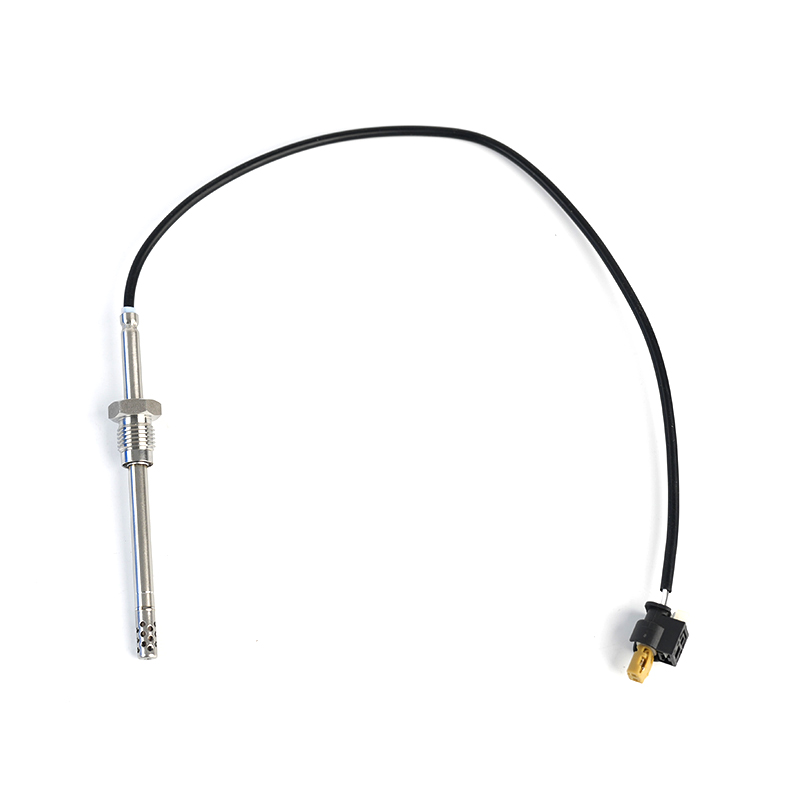
MERCEDES-BENZC-CLASS (W203) (2000/05 - 2007/08)MERCEDES-BENZC-CLASS Coupe (CL203) (2001/03 - 2011/06...
See Details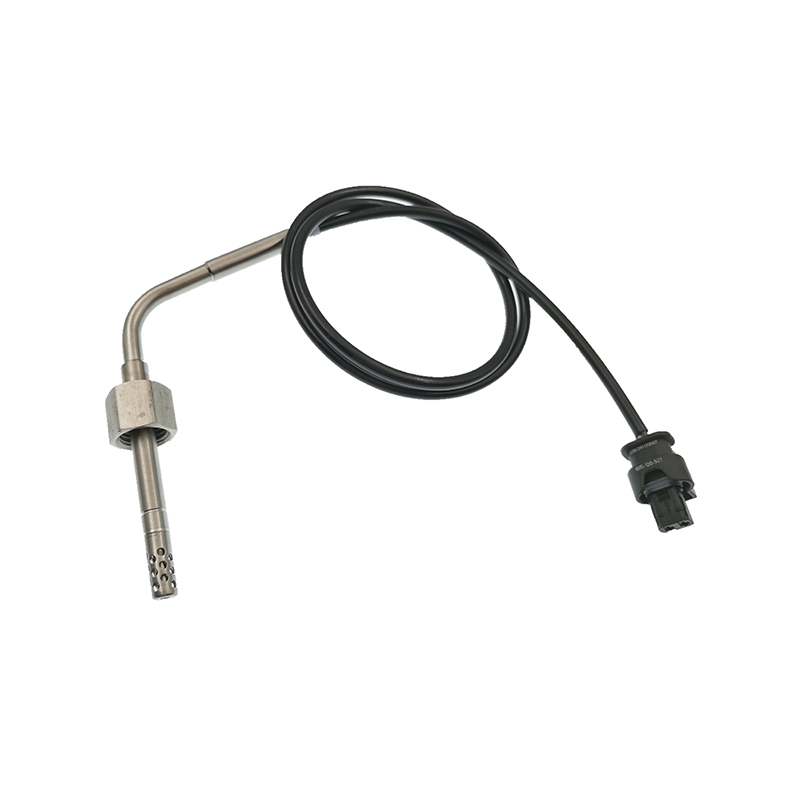
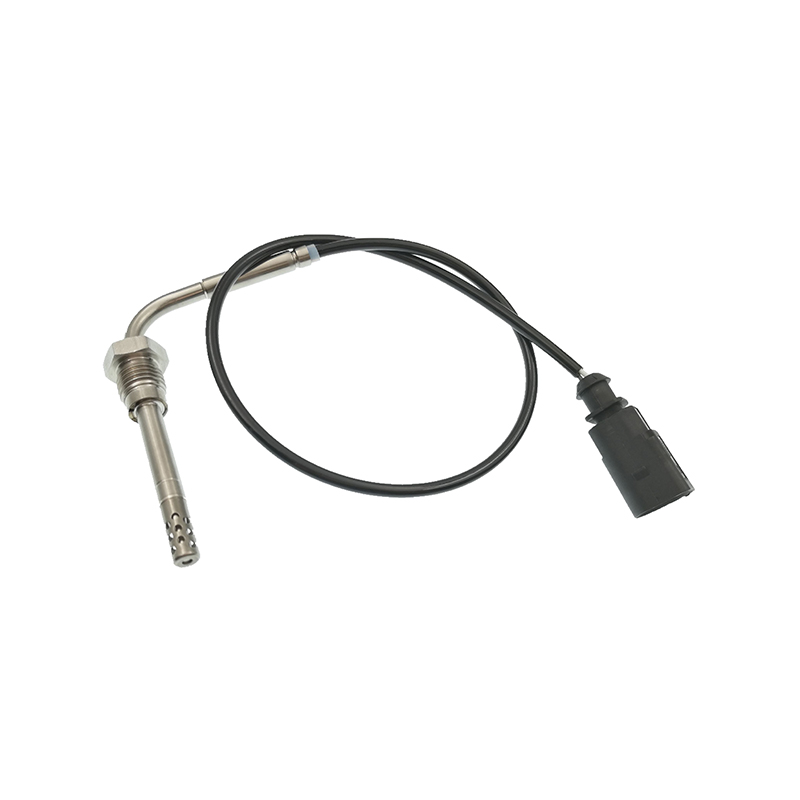
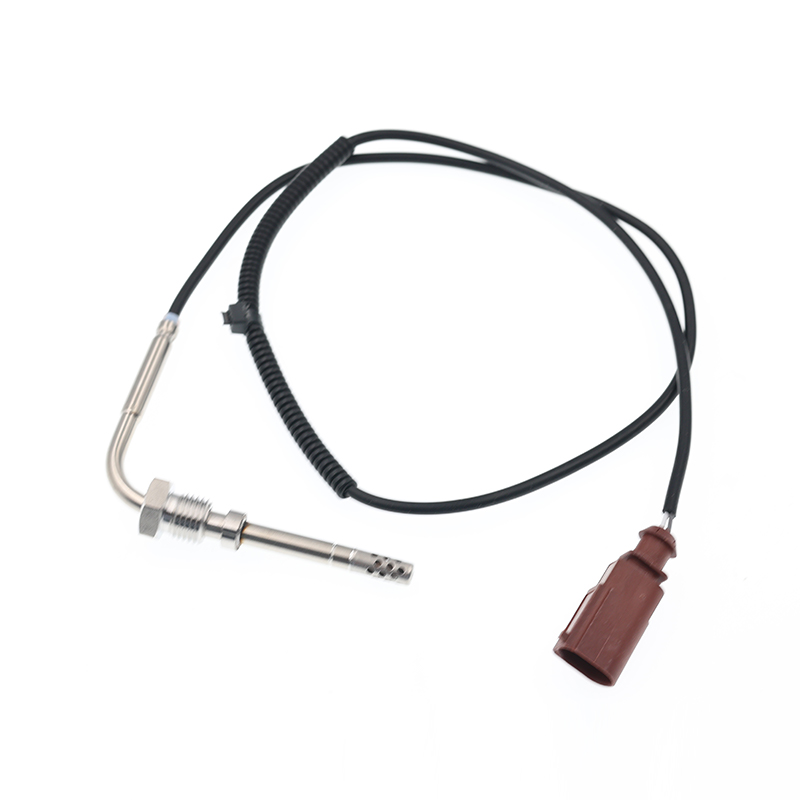
AUDIQ7 (4L) (2006/03 - 2015/08)VWTOUAREG (7LA, 7L6, 7L7) (2002/10 - 2010/05)
See Details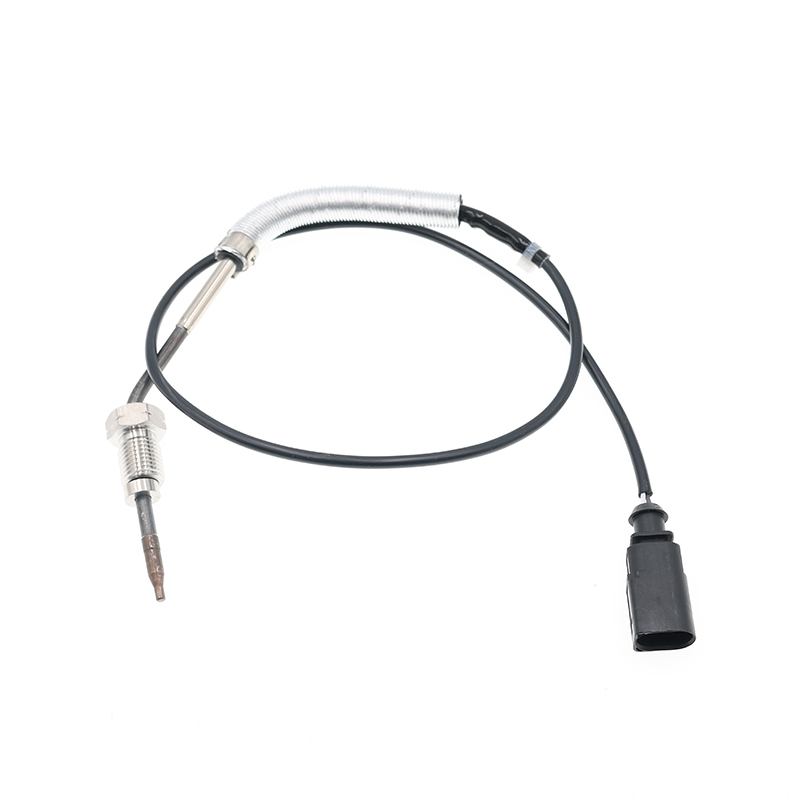
AUDIA3 (8P1) (2003/05 - 2012/08)AUDIA3 Sportback (8PA) (2004/09 - 2013/03)AUDIA4 (8EC, B7) (2004/11 ...
See Details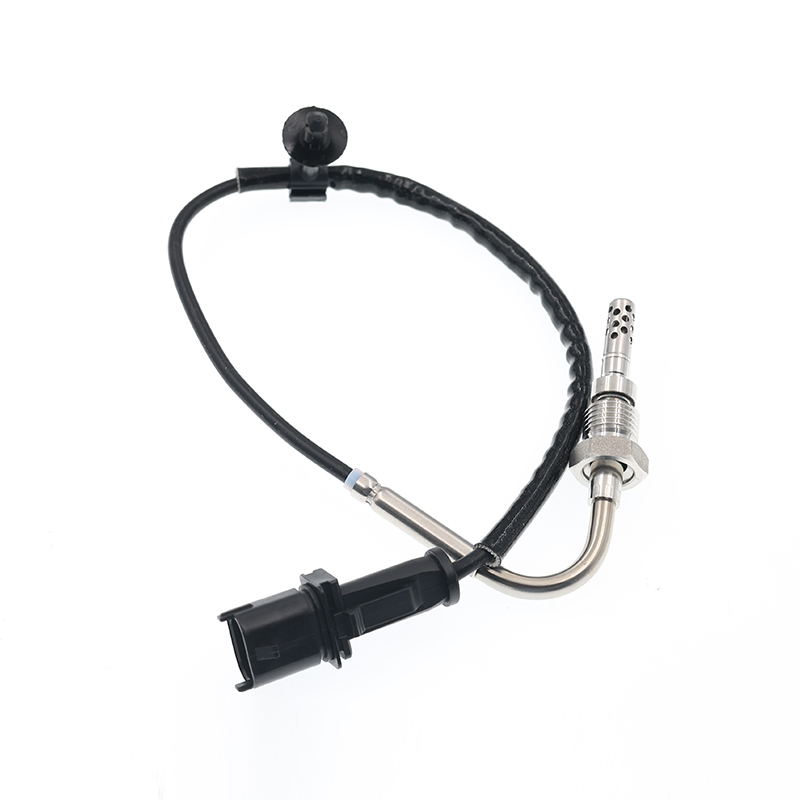
OPEL ASTRA J (2009/12 - /) OPEL ASTRA J Sports Tourer (2010/10 - /) OPEL ASTRA GTC J ...
See Details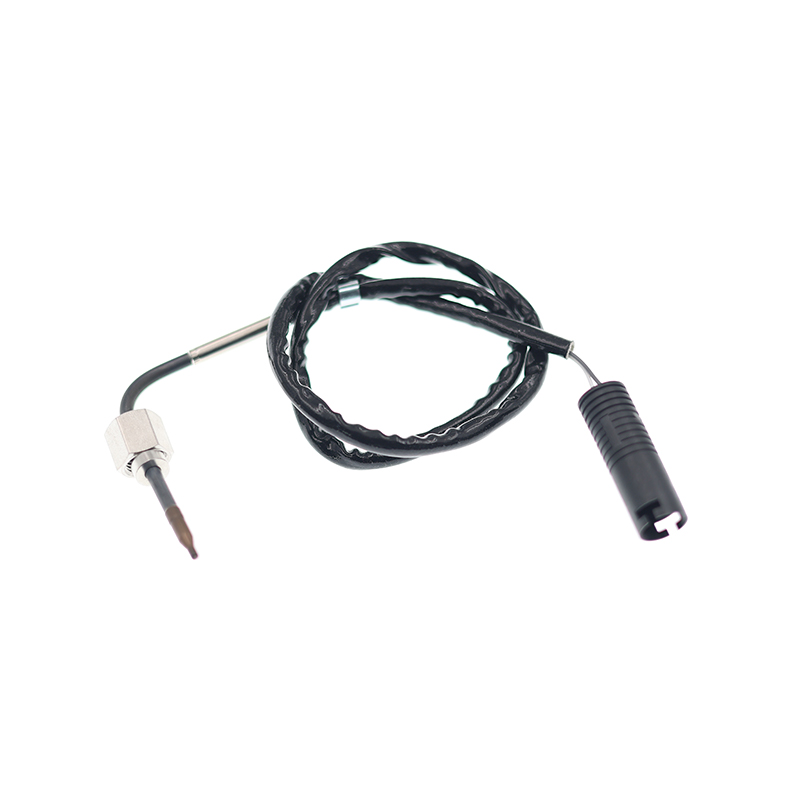
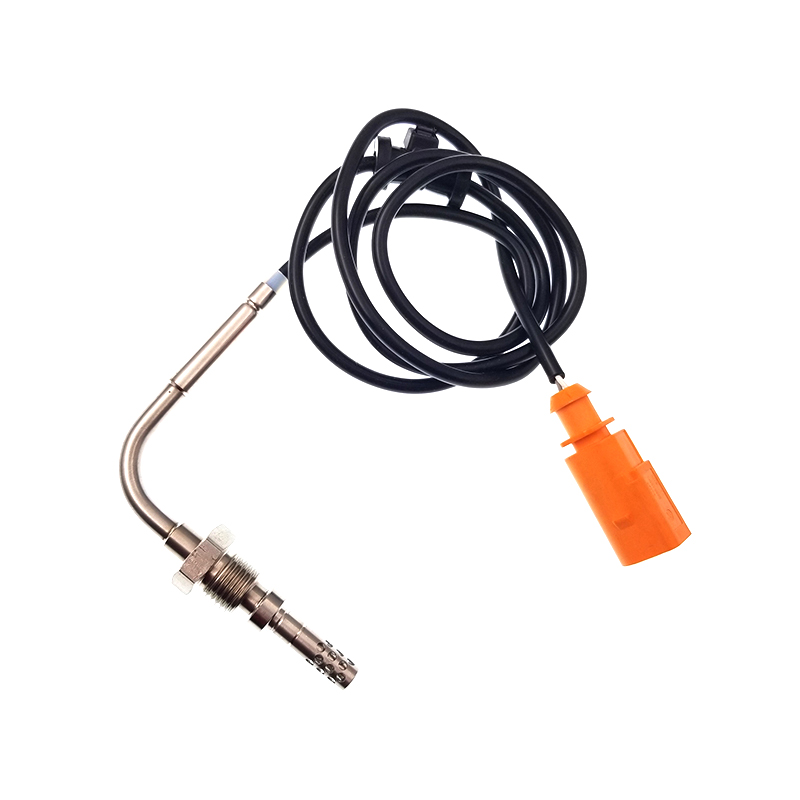
VWJETTA III (1K2) (2005/08 - 2010/10) VWGOLF VI (5K1) (2008/10 - 2013/11) VWGOLF VI Varia...
See Details
ADD: No.85 Jiuyuan Road, Economic Development Zone, Gaoyou city ,Yangzhou city ,225600 Jiangsu Province, China.
Copyright © Sook High Tech (Jiangsu) Co., Ltd. All Rights Reserved. OEM/ODM Automotive Sensor Manufacturers

