
 English
 Español
 Français
 简体中文
简体中文ADD: No.85 Jiuyuan Road, Economic Development Zone, Gaoyou city ,Yangzhou city ,225600 Jiangsu Province, China.
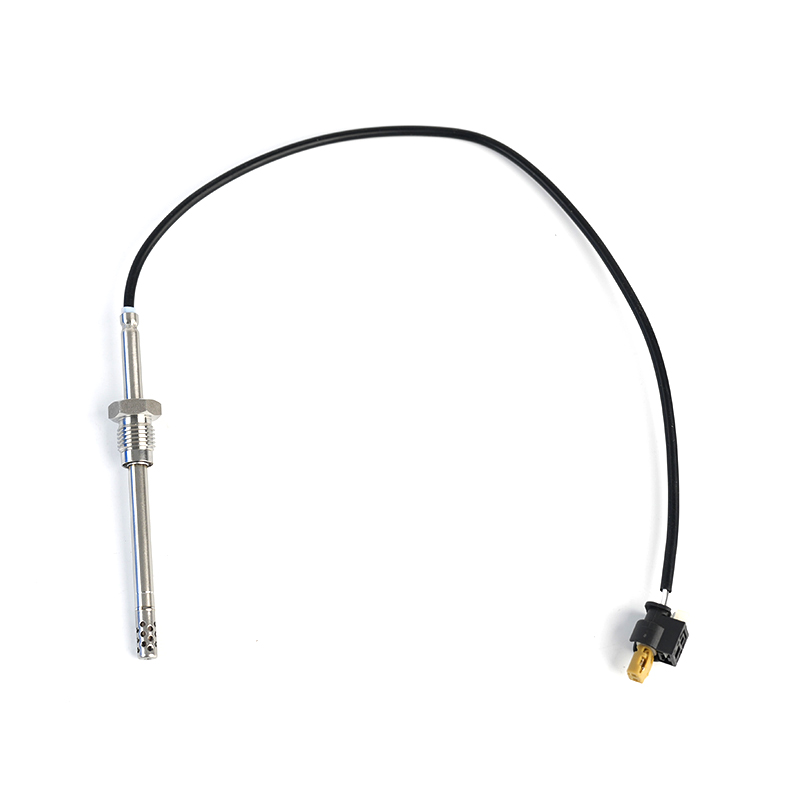
MERCEDES-BENZC-CLASS (W203) (2000/05 - 2007/08)MERCEDES-BENZC-CLASS Coupe (CL203) (2001/03 - 2011/06...
See DetailsContent
A thermocouple EGT sensor (Exhaust Gas Temperature sensor) is a type of temperature-measuring device that uses the thermoelectric effect — specifically the Seebeck effect — to continuously monitor the temperature of exhaust gases flowing through a vehicle's or machine's exhaust system. It consists of two dissimilar metal wires joined at a measuring junction; when that junction is exposed to hot exhaust gas, a small voltage proportional to the temperature difference between the hot and cold ends is generated, which the engine control unit (ECU) interprets as a precise temperature reading.
Among the various EGT sensor types — including PTC (positive temperature coefficient) and NTC (negative temperature coefficient) variants — the thermocouple design is the preferred choice for high-temperature exhaust monitoring because it covers an operating temperature range from -40°C to 1200°C, far exceeding the range achievable with thermistor-based alternatives. This combination of wide measurement range, fast response, and structural robustness makes it the standard sensor type in modern diesel engines, turbochargers, DPF systems, and SCR aftertreatment systems.
The operating principle of a thermocouple EGT sensor is based entirely on thermodynamics. When two dissimilar metal conductors — such as Nickel-Chromium and Nickel-Aluminium in a Type K thermocouple, or Nickel-Chromium-Silicon and Nickel-Silicon in a Type N — are joined at one end (the measuring junction) and exposed to a temperature difference relative to the other end (the reference or cold junction), an electromotive force (EMF) is generated. This is the Seebeck effect.
The voltage produced is in the millivolt range and varies predictably with temperature. The ECU or instrument reads this voltage and applies a known thermoelectric potential-temperature conversion table (standardised for each thermocouple type) to calculate the actual exhaust gas temperature. Because the sensor generates its own voltage signal, no external power supply is required — making the thermocouple a self-powered sensing element that functions reliably even in demanding electrical environments.
One important technical requirement is cold junction compensation. The reference junction at the connector end is typically exposed to ambient temperature, which varies. The measurement instrument compensates electronically for this variation so that the final temperature reading reflects only the exhaust gas temperature at the probe tip — not the difference between probe and ambient.
Not all thermocouples are the same. The IEC and ANSI standards define several thermocouple types, each with a distinct alloy pair, temperature range, and output characteristic. In automotive and heavy commercial vehicle exhaust applications, three types are most commonly used:
| Type | Alloy Pair | Usable Range | Sensitivity (approx.) | Typical Application |
|---|---|---|---|---|
| K | Ni-Cr / Ni-Al | -200°C to 1260°C | ~41 µV/°C | Diesel engines, turbocharger outlet, DPF |
| N | Ni-Cr-Si / Ni-Si | -270°C to 1300°C | ~39 µV/°C | High-stability applications, SCR systems |
| E | Ni-Cr / Cu-Ni | -200°C to 900°C | ~68 µV/°C | Lower exhaust temp. positions, gas engines |
Type K is the most widely deployed in commercial vehicle EGT applications due to its broad temperature range and relatively high output sensitivity. Type N offers superior stability at sustained high temperatures with less drift over time, making it increasingly preferred in modern aftertreatment monitoring positions where long-term accuracy is critical.
The exhaust system is one of the most mechanically and thermally aggressive environments in any vehicle. A thermocouple EGT sensor must survive not only extreme temperatures but also continuous vibration, particulate erosion from exhaust gas, chemical exposure from combustion by-products, and thermal cycling from cold start to full-load operation — repeated thousands of times over the vehicle's service life.
The structural solution that enables this durability is the mineral-insulated metal sheath (MIMS) construction. In this design, the thermocouple wires are embedded within a compacted magnesium oxide (MgO) powder insulation, all enclosed within a seamless alloy metal sheath — typically Inconel 600 or a similar high-nickel alloy. This armoured structure provides:
Unique packaging and welding techniques at the hot junction are also critical — the quality of the weld at the measuring tip directly affects long-term signal stability in high-vibration environments such as turbocharger housings and gas turbine exhaust ducts.
Modern diesel and gasoline vehicles — particularly heavy commercial trucks, buses, and off-highway equipment — may have multiple EGT sensors installed at different positions along the exhaust and aftertreatment system. Each position serves a specific monitoring and control function:
Each installation position may specify a different sensor type, probe length, thread size, and connector configuration depending on the OEM's design requirements — which is why thermocouple EGT sensors are typically engineered and validated as application-specific components rather than universal fits.
EGT sensors are available in three main technology variants: thermocouple, NTC (Negative Temperature Coefficient thermistor), and PTC (Positive Temperature Coefficient thermistor). Understanding the differences is important for specifying the correct sensor for a given exhaust position.
| Parameter | Thermocouple EGT Sensor | NTC EGT Sensor | PTC EGT Sensor |
|---|---|---|---|
| Measurement range | -40°C to 1200°C | -40°C to ~850°C | -40°C to ~900°C |
| Output signal | Millivolt (self-generating) | Resistance change | Resistance change |
| External power required | No | Yes | Yes |
| Response speed (at 10 m/s) | <6 seconds | Moderate | Moderate |
| Accuracy (<600°C / >600°C) | ±5°C / ±10°C | High (±2–5°C) | Moderate |
| Best suited for | High-temp positions (DPF, turbo, SCR) | Mid-range accuracy applications | Cost-sensitive medium-temp positions |
The thermocouple sensor's principal advantage is its temperature ceiling. Where an NTC or PTC sensor would fail from thermal overstress, a correctly specified Type K or Type N thermocouple continues to operate reliably — a non-negotiable requirement for positions immediately downstream of a turbocharger or within a DPF regeneration zone where temperatures can momentarily exceed 900°C.
The data provided by the thermocouple EGT sensor is not merely diagnostic — it is a real-time control input that the ECU uses to manage multiple engine and aftertreatment functions simultaneously. Inaccurate or delayed EGT data leads directly to system failures, increased emissions, and reduced component life.
For procurement engineers and aftermarket parts buyers, the following specifications are the primary technical parameters to verify when evaluating a replacement or OEM-equivalent thermocouple EGT sensor:
A thermocouple EGT sensor is a self-generating, high-temperature-capable exhaust temperature measurement device that is fundamental to modern engine management and aftertreatment control. Its operating principle — the Seebeck effect — requires no external power, produces a predictable millivolt output across a temperature range from -40°C to 1200°C, and enables response times under 6 seconds in live exhaust flow conditions.
The mineral-insulated armoured sheath construction ensures long-term durability against vibration, corrosion, and thermal cycling. Across all EGT sensor technologies, the thermocouple type is the only design capable of covering the full temperature range demanded by high-load diesel aftertreatment positions — making it the technically correct and commercially necessary choice for DPF, SCR, turbocharger, and EGR monitoring applications in commercial vehicles and off-highway equipment.
MERCEDES-BENZC-CLASS (W203) (2000/05 - 2007/08)MERCEDES-BENZC-CLASS Coupe (CL203) (2001/03 - 2011/06...
See Details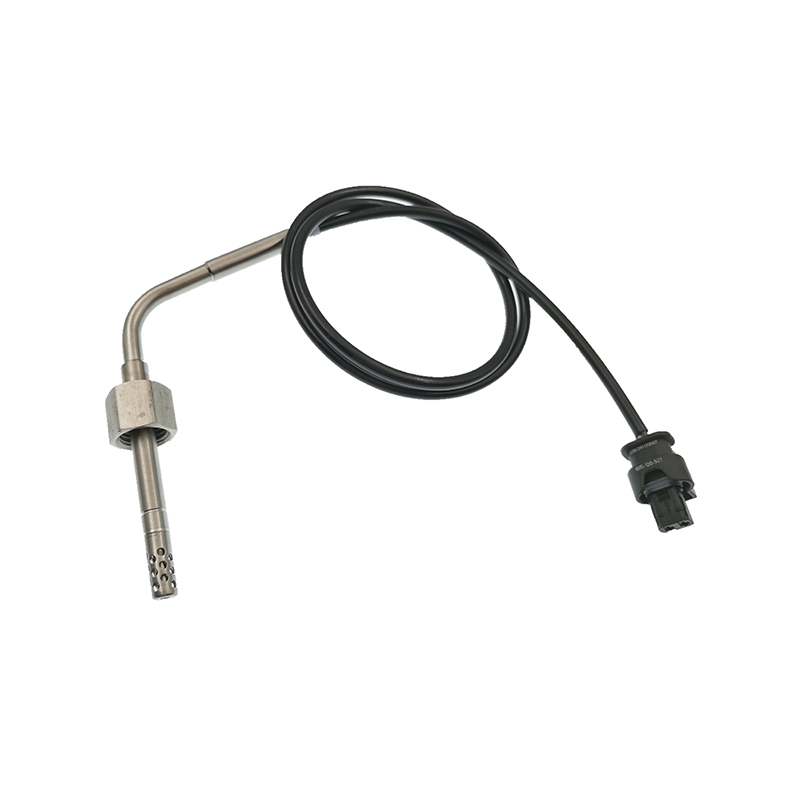
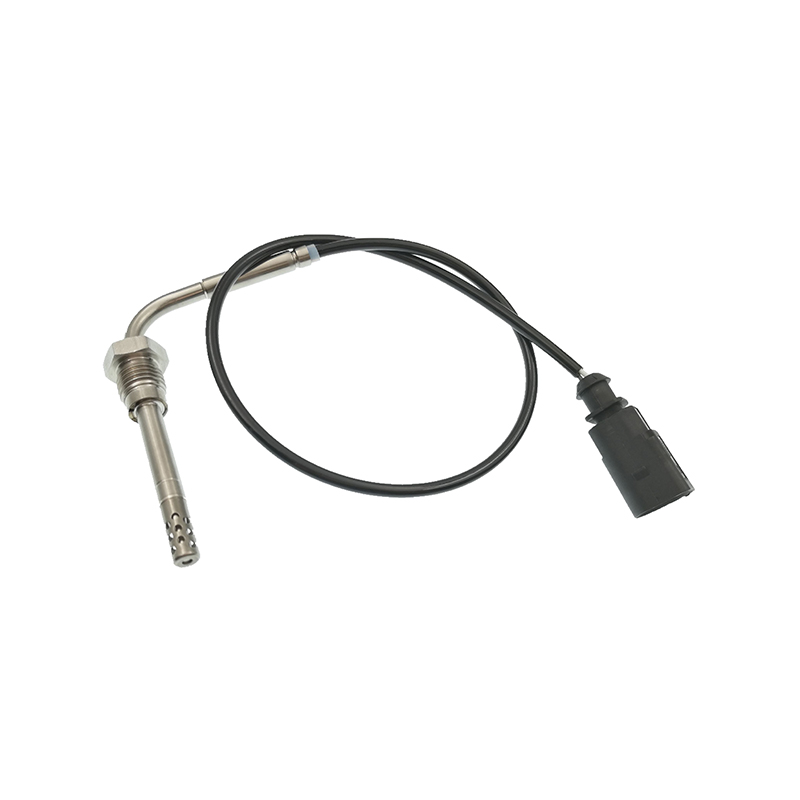
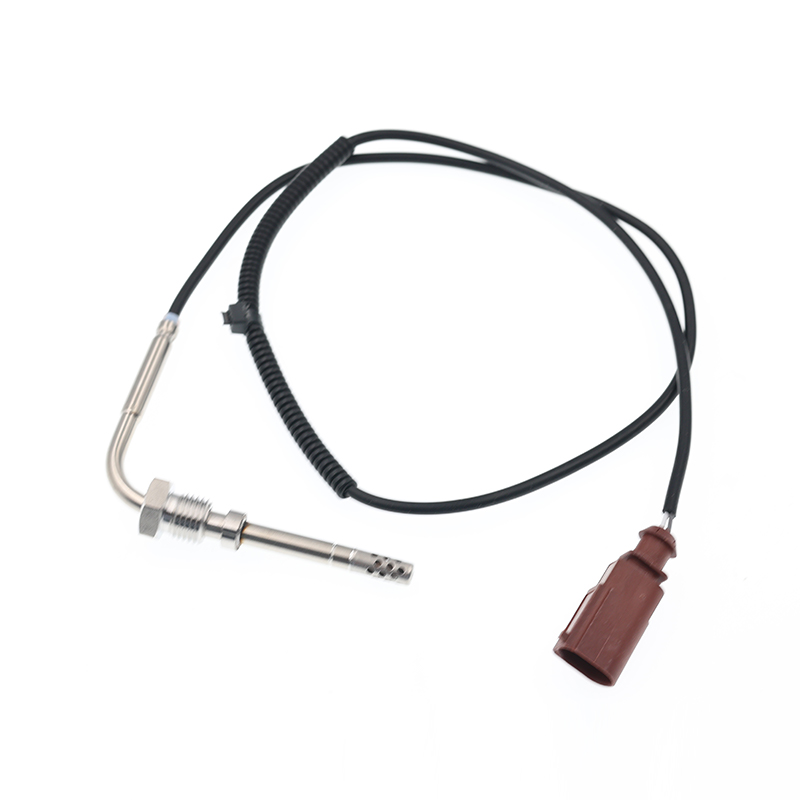
AUDIQ7 (4L) (2006/03 - 2015/08)VWTOUAREG (7LA, 7L6, 7L7) (2002/10 - 2010/05)
See Details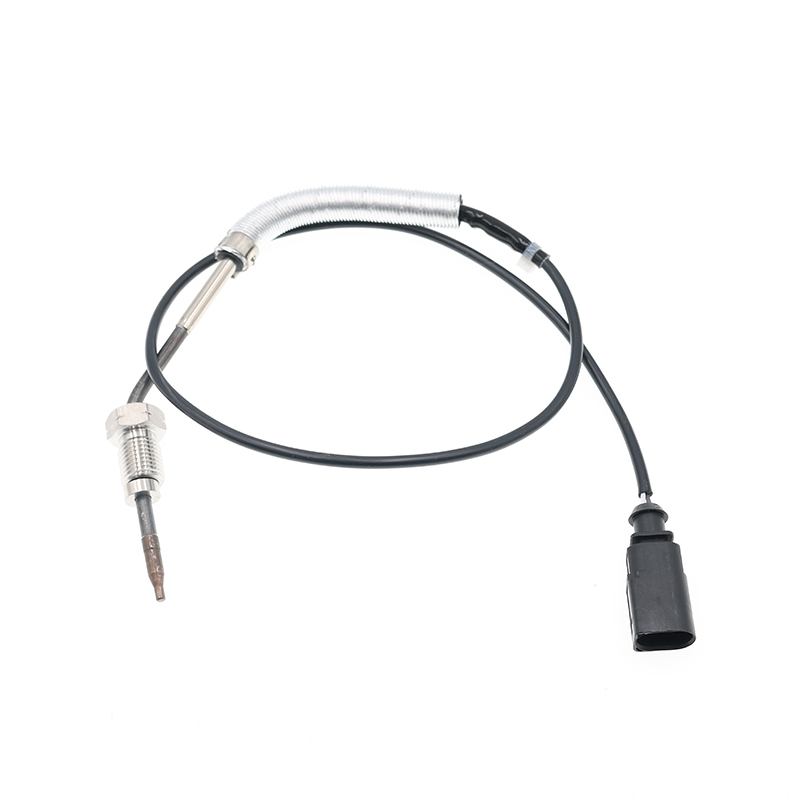
AUDIA3 (8P1) (2003/05 - 2012/08)AUDIA3 Sportback (8PA) (2004/09 - 2013/03)AUDIA4 (8EC, B7) (2004/11 ...
See Details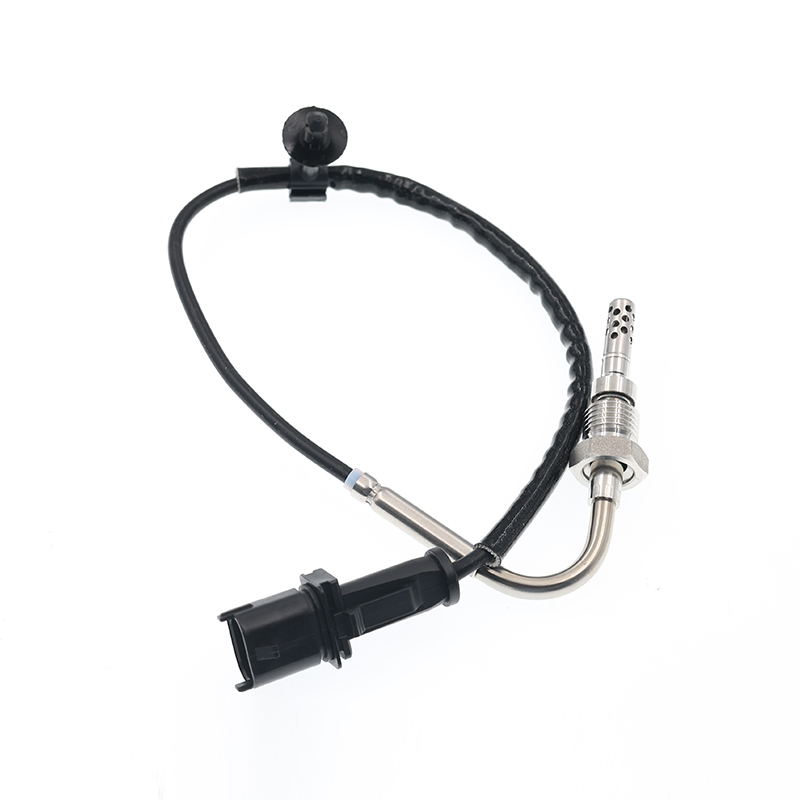
OPEL ASTRA J (2009/12 - /) OPEL ASTRA J Sports Tourer (2010/10 - /) OPEL ASTRA GTC J ...
See Details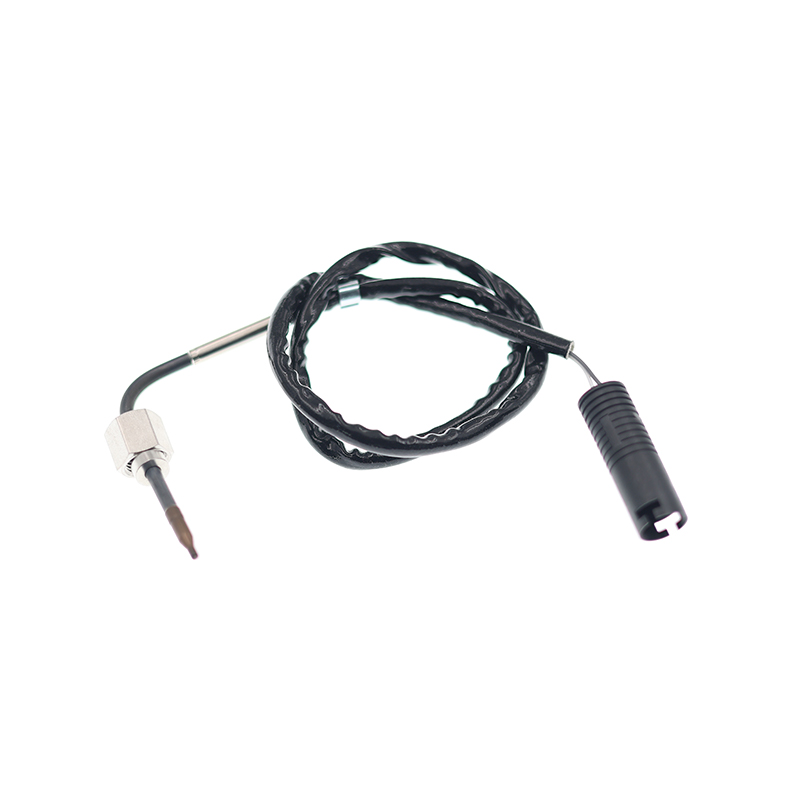
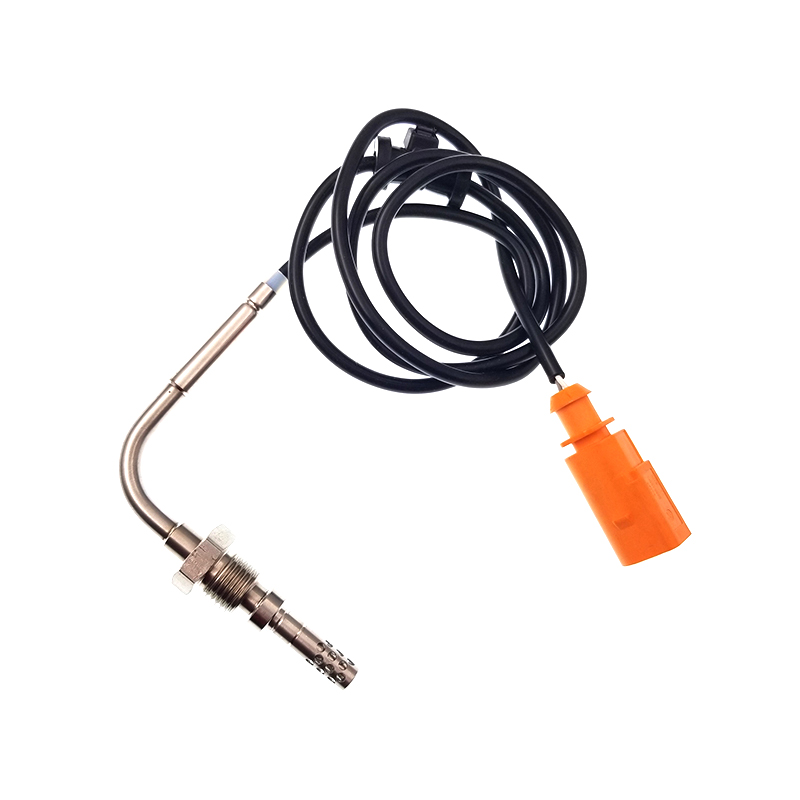
VWJETTA III (1K2) (2005/08 - 2010/10) VWGOLF VI (5K1) (2008/10 - 2013/11) VWGOLF VI Varia...
See Details
ADD: No.85 Jiuyuan Road, Economic Development Zone, Gaoyou city ,Yangzhou city ,225600 Jiangsu Province, China.
Copyright © Sook High Tech (Jiangsu) Co., Ltd. All Rights Reserved. OEM/ODM Automotive Sensor Manufacturers

