
 English
 Español
 Français
 简体中文
简体中文ADD: No.85 Jiuyuan Road, Economic Development Zone, Gaoyou city ,Yangzhou city ,225600 Jiangsu Province, China.
MERCEDES-BENZC-CLASS (W203) (2000/05 - 2007/08)MERCEDES-BENZC-CLASS Coupe (CL203) (2001/03 - 2011/06...
See DetailsContent
EGT sensors measure exhaust gas temperature by converting heat into an electrical resistance signal that the engine control unit (ECU) reads in real time. Among the two main sensor types, PTC (Positive Temperature Coefficient) EGT sensors are widely adopted in modern automotive applications for their linear resistance behavior, broad detection range, and compatibility with strict emissions management systems. This article explains the operating principle of EGT sensors, how the PTC variant works at a technical level, where these sensors are positioned in the exhaust system, and why their role has become indispensable in both gasoline and diesel engines.
An exhaust gas temperature sensor monitors the thermal state of exhaust gases flowing through the exhaust system at one or more measurement points. The readings are transmitted to the ECU, which uses this data to make real-time adjustments to engine parameters — including fuel injection volume, boost pressure, and aftertreatment system operations.
In gasoline engines, the primary function is protecting critical components from thermal overload. When exhaust temperatures rise beyond safe thresholds, the ECU may reduce turbocharger boost pressure or increase fuel enrichment to bring temperatures down and prevent damage to the catalytic converter or turbocharger turbine. In diesel engines, EGT sensors serve an additional role: they are essential for managing diesel particulate filter (DPF) regeneration, ensuring the filter reaches and maintains the correct temperature window for effective soot combustion. They also support SCR (Selective Catalytic Reduction) systems and NOx adsorber catalysts that depend on precise temperature control to operate within their designed efficiency range.
As emissions regulations have tightened globally, the number of EGT sensors fitted to a single vehicle has grown. Modern heavy-duty diesel vehicles commonly carry three to five EGT sensors, positioned at strategic points before and after each aftertreatment component in the exhaust chain.
PTC stands for Positive Temperature Coefficient. In a PTC sensor, electrical resistance increases as temperature rises. This is the defining characteristic that separates PTC sensors from NTC (Negative Temperature Coefficient) types, where resistance decreases with increasing temperature.
The sensing element inside a PTC EGT sensor is typically a platinum resistance thermometer — most commonly a Pt200 element, which carries a reference resistance of 200 ohms (Ω) at 0°C. As exhaust gas temperature increases, the resistance of the platinum element rises in a predictable, near-linear pattern. The ECU applies a known reference voltage to the sensor circuit and measures the resulting current. Using the resistance-temperature relationship of the platinum element, the ECU calculates the precise exhaust temperature.
A voltage divider circuit is used for signal processing: the sensor forms one leg of the divider, and the output voltage varies proportionally with resistance — and therefore with temperature. This analog signal is then interpreted by the ECU's analog-to-digital converter.
The linear resistance-temperature relationship of PTC sensors is a key advantage. It simplifies ECU calibration and allows for more accurate temperature readings across the full operating range without the complex correction curves required by some other sensor types.
Modern PTC EGT sensors incorporate sensing elements manufactured using thin film technology. In this process, a very thin layer of pure platinum is deposited onto a ceramic substrate — typically an alumina (Al₂O₃) base — to form the resistive element. The result is a compact, thermally responsive component capable of detecting rapid temperature changes with high precision.
Thin film construction offers several practical advantages over older wire-wound designs:
The platinum resistance element is encased in a protective metallic sheath (typically stainless steel) before being installed into the exhaust pipe. This sheath shields the sensing element from direct exhaust gas flow, particulate contamination, and mechanical damage while still allowing efficient heat transfer to the platinum element.
Both PTC and NTC sensors are used in exhaust gas temperature measurement, but they have distinct technical characteristics that make each suited to different applications. Understanding the differences is important for correct diagnosis and replacement.
| Characteristic | PTC EGT Sensor | NTC EGT Sensor |
|---|---|---|
| Resistance behavior | Increases with temperature | Decreases with temperature |
| Sensing element | Platinum (Pt200 thin film) | Metal oxide thermistor |
| Temperature range | -40°C to 900°C | Typically narrower range |
| Linearity | High (near-linear response) | Non-linear (requires calibration curves) |
| ECU calibration complexity | Lower | Higher |
| Diagnostic fault code on failure | May not trigger a fault code in partial failure | More likely to set fault codes |
| Common applications | DPF, turbocharger, catalytic converter monitoring | Various engine temperature monitoring points |
One important diagnostic consideration specific to PTC sensors: a degrading PTC sensor can continue to send plausible voltage signals to the ECU without triggering a fault code. The readings may be inaccurate while appearing valid to the ECU, which can lead to incorrect DPF regeneration cycles or missed overtemperature protection events. This silent failure mode makes physical testing with a sensor tester or calibrated resistance measurement an important diagnostic step when EGT-related symptoms are present.
The placement of each EGT sensor corresponds to a specific monitoring requirement. Each position provides the ECU with temperature data relevant to a particular component or process.
The number of sensors fitted varies by engine design and emissions standard. Passenger vehicles typically carry two to three EGT sensors, while heavy-duty diesel trucks compliant with current emissions standards may use four or five sensors across the full aftertreatment chain.
Because a failing PTC EGT sensor does not always set a diagnostic fault code, technicians need to be alert to indirect symptoms. Common indicators include:
Testing procedure for PTC EGT sensors:
The growing adoption of PTC EGT sensors in modern vehicles is a direct result of tightening global emissions legislation. Euro 6, China 6, and equivalent standards in other markets require sophisticated aftertreatment systems — DPFs, SCR, GPFs — that can only function correctly when exhaust temperature is precisely monitored and managed. The broad measurement range (−40°C to 900°C), high linearity, and stable long-term performance of platinum-based PTC sensors make them well suited to meeting these demands.
For original equipment manufacturers and aftermarket suppliers alike, the PTC EGT sensor has become a fundamental component in both the design and maintenance of exhaust aftertreatment systems. Selecting a sensor with a correctly matched Pt200 element, appropriate housing design, and connector compatibility is essential to ensure accurate ECU inputs — and by extension, reliable emissions compliance and component protection throughout the vehicle's service life.
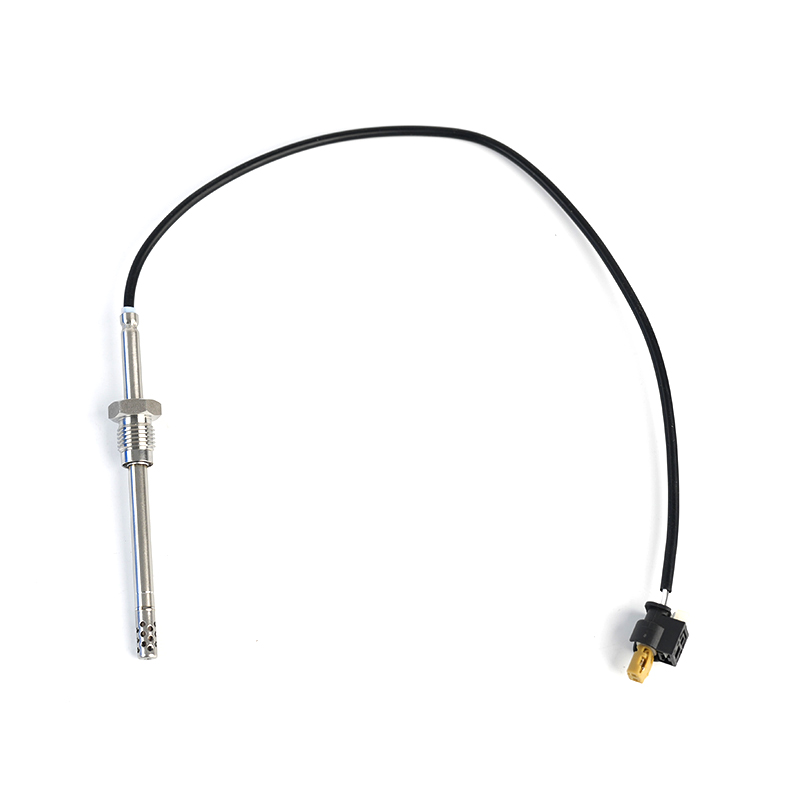
MERCEDES-BENZC-CLASS (W203) (2000/05 - 2007/08)MERCEDES-BENZC-CLASS Coupe (CL203) (2001/03 - 2011/06...
See Details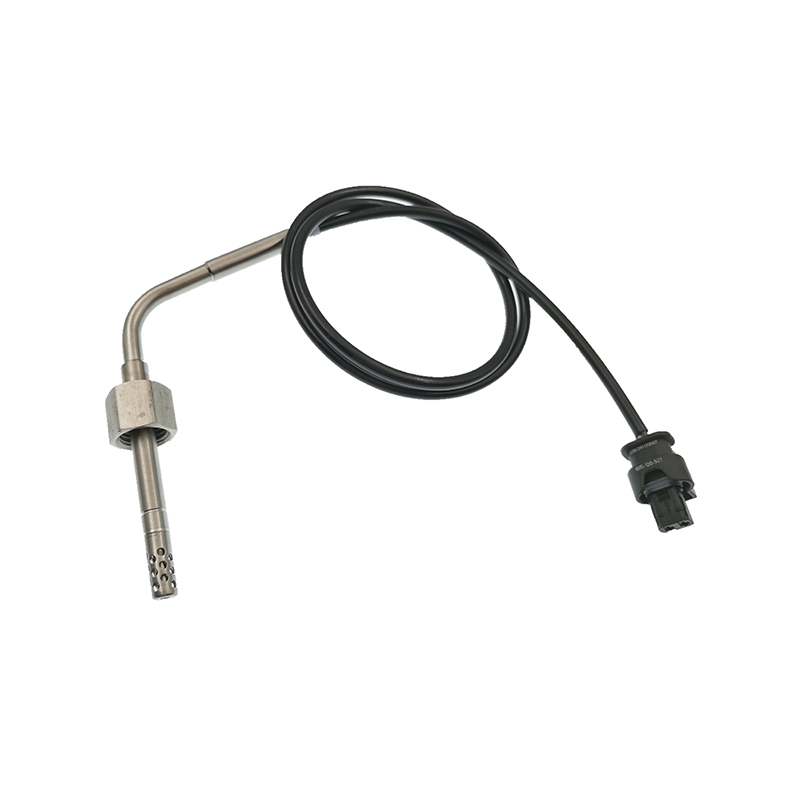
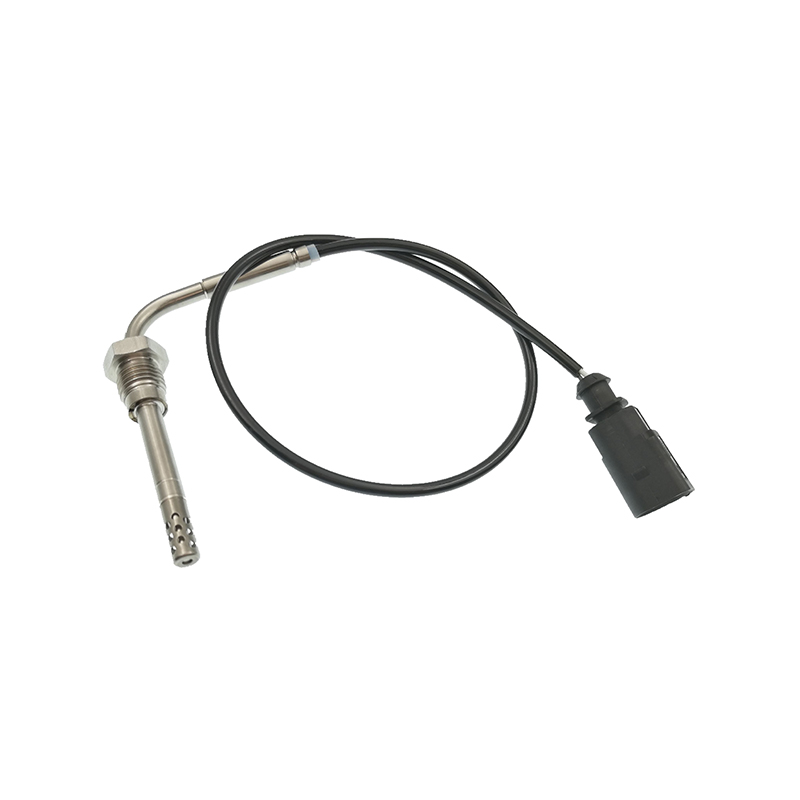
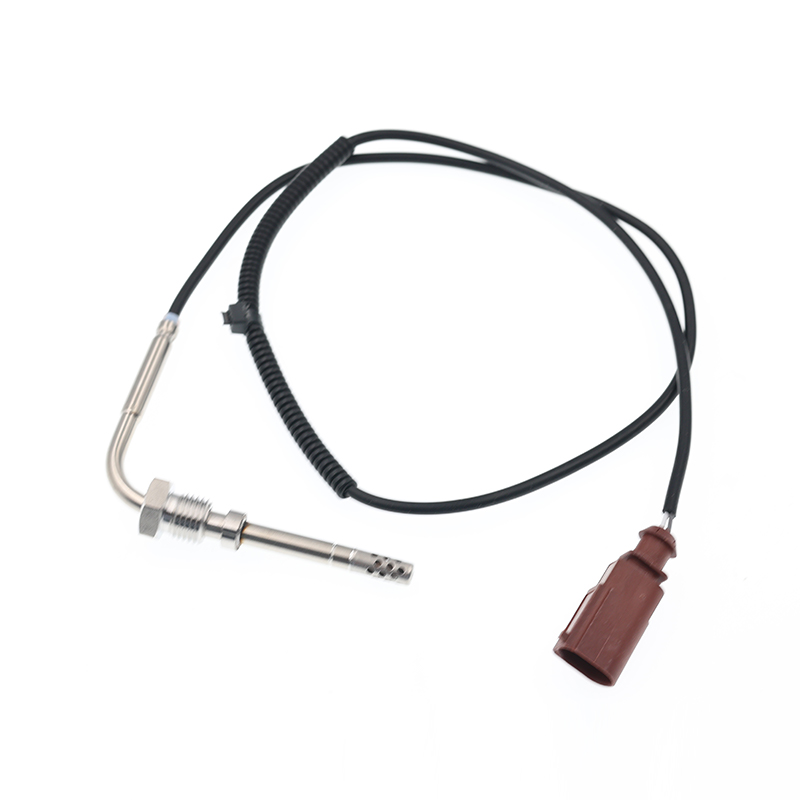
AUDIQ7 (4L) (2006/03 - 2015/08)VWTOUAREG (7LA, 7L6, 7L7) (2002/10 - 2010/05)
See Details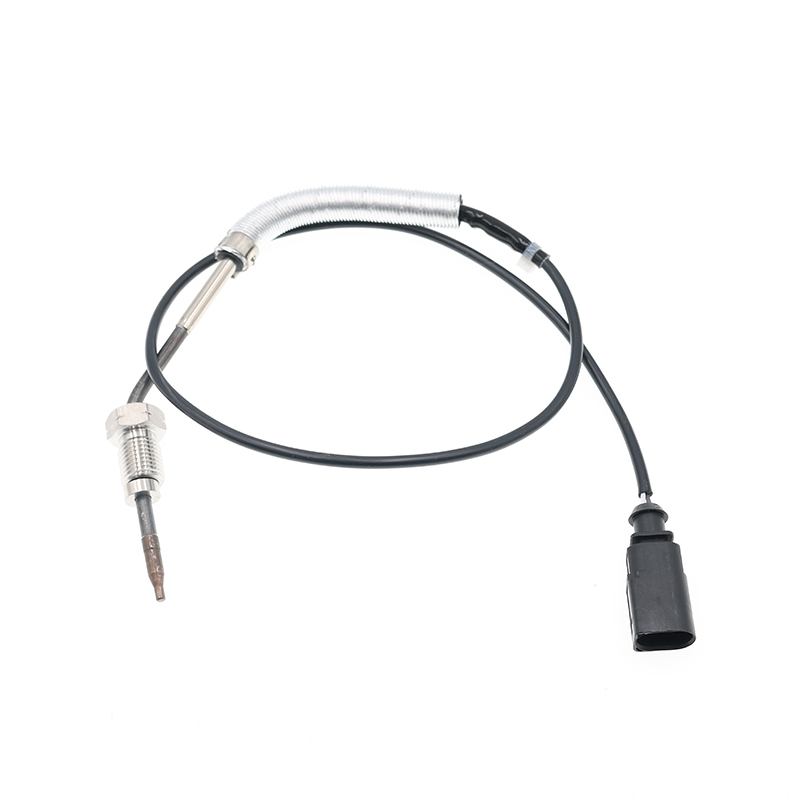
AUDIA3 (8P1) (2003/05 - 2012/08)AUDIA3 Sportback (8PA) (2004/09 - 2013/03)AUDIA4 (8EC, B7) (2004/11 ...
See Details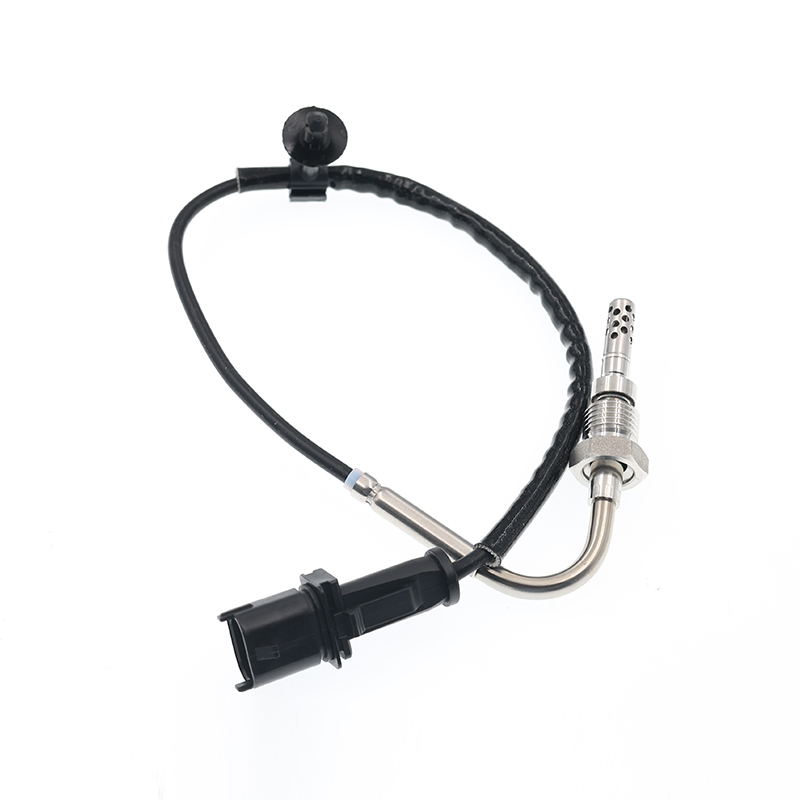
OPEL ASTRA J (2009/12 - /) OPEL ASTRA J Sports Tourer (2010/10 - /) OPEL ASTRA GTC J ...
See Details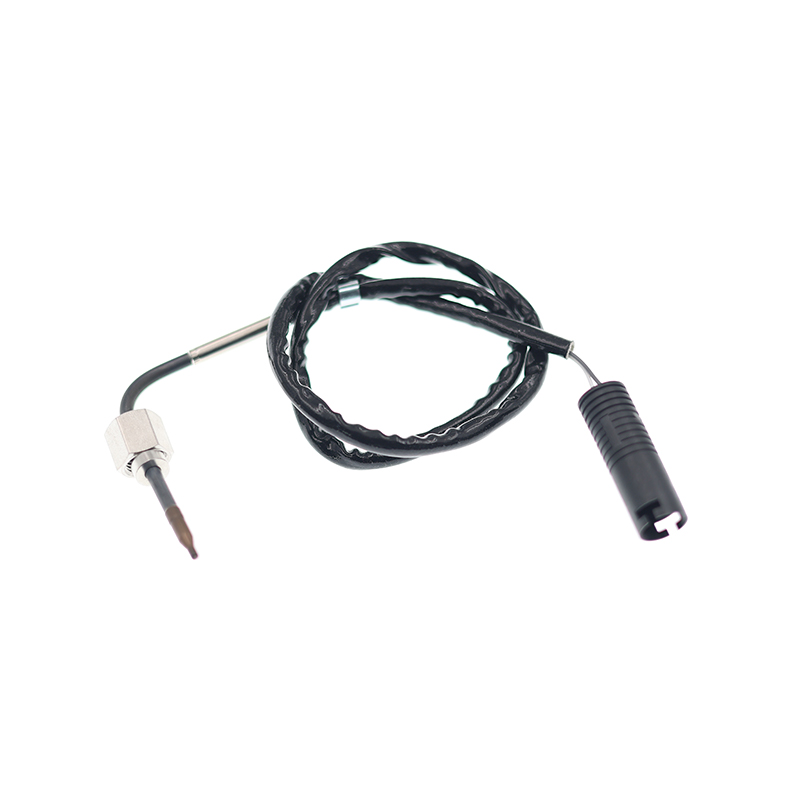
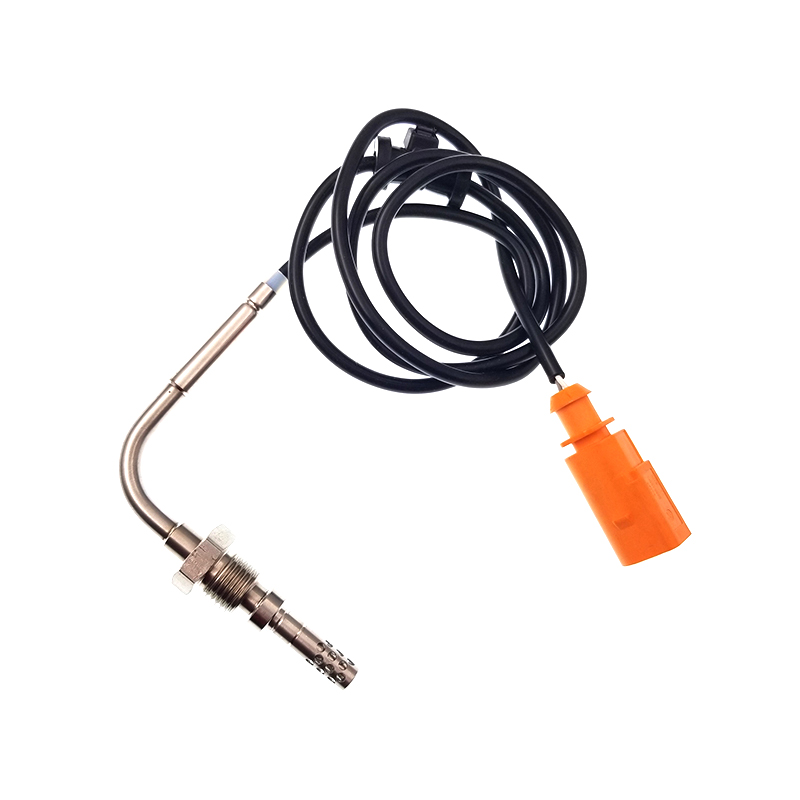
VWJETTA III (1K2) (2005/08 - 2010/10) VWGOLF VI (5K1) (2008/10 - 2013/11) VWGOLF VI Varia...
See Details
ADD: No.85 Jiuyuan Road, Economic Development Zone, Gaoyou city ,Yangzhou city ,225600 Jiangsu Province, China.
Copyright © Sook High Tech (Jiangsu) Co., Ltd. All Rights Reserved. OEM/ODM Automotive Sensor Manufacturers

