
 English
 Español
 Français
 简体中文
简体中文ADD: No.85 Jiuyuan Road, Economic Development Zone, Gaoyou city ,Yangzhou city ,225600 Jiangsu Province, China.
MERCEDES-BENZC-CLASS (W203) (2000/05 - 2007/08)MERCEDES-BENZC-CLASS Coupe (CL203) (2001/03 - 2011/06...
See DetailsContent
An inorganic sheathed cable is a type of electrical cable in which the outer protective sheath — and often the insulation around individual conductors — is made from inorganic, non-combustible materials such as mineral compounds, glass fiber, or ceramic-based composites. Unlike conventional cables that rely on polymer-based (organic) insulation, inorganic sheathed cables are engineered to maintain electrical integrity even when exposed to extreme heat, open flame, or chemical environments. This makes them the preferred choice in safety-critical installations where circuit continuity during a fire is essential.
The most widely recognized variant is the Mineral Insulated Metal Sheathed (MIMS) cable, also known as MI cable, where magnesium oxide powder serves as the insulating medium and a seamless copper or stainless steel tube forms the sheath. In the following sections, we explore the construction, key properties, standard classifications, and typical application scenarios of inorganic sheathed cables in detail.
The defining feature of an inorganic sheathed cable is that every layer contributing to insulation or mechanical protection is composed of inorganic material. A standard mineral insulated cable consists of three principal components:
Modern variants extend this concept by substituting or supplementing MgO with other inorganic materials such as alumina ceramics, mica tape layers, or glass fiber braiding. These alternatives allow manufacturers to optimize cables for specific parameters — for example, achieving greater flexibility while maintaining fire resistance ratings.
The manufacturing process involves filling a large-diameter metal tube with compacted MgO and conductors, then progressively drawing it through dies to reduce the diameter. This cold-drawing process densifies the insulation and creates an extremely robust, moisture-resistant assembly with no joints along the cable run.
The inorganic composition delivers a combination of properties that no organic-insulated cable can replicate simultaneously. The table below summarizes the most critical performance characteristics:
| Property | Inorganic Sheathed Cable (MI) | Standard PVC / XLPE Cable |
|---|---|---|
| Maximum Operating Temperature | Up to 250 °C (continuous); 1,000 °C (short-term fire) | 70 °C – 90 °C (continuous) |
| Fire Resistance Rating | Circuit integrity maintained (IEC 60331 / BS 6387 Cat CWZ) | Fails under direct flame exposure |
| Smoke & Toxic Gas Emission | Zero — no organic material to combust | Moderate to high (HCl, CO) |
| Current Carrying Capacity | Higher than equivalent cross-section organic cables | Standard |
| Mechanical Strength | Excellent — seamless metal sheath resists crushing and rodents | Moderate (armored versions required for equivalent protection) |
| Service Life | Exceeds 30 years in most environments | 15 – 25 years typical |
Because MgO is hygroscopic (it absorbs atmospheric moisture), cable ends must be sealed with appropriate termination fittings immediately after cutting. Exposed MgO will absorb humidity and degrade insulation resistance. This is one of the most critical installation considerations for inorganic sheathed cables and distinguishes their handling from standard cables.
Inorganic sheathed cables are evaluated under multiple international and regional standards that define fire performance, with the goal of ensuring circuits supplying emergency systems remain operational during a fire event.
IEC 60331 tests whether a cable continues to supply electrical power when subjected to a flame at 750 °C or 830 °C for a duration of up to 90 minutes. Inorganic sheathed cables consistently pass this test, qualifying them for life-safety circuits such as fire alarm, emergency lighting, and sprinkler control systems.
The British Standard BS 6387 CWZ is one of the most demanding fire resistance tests available. It combines three simultaneous stresses:
Only inorganic sheathed cables — principally MI cables with a copper or stainless steel sheath — can achieve Category CWZ, which is mandatory for high-rise buildings, tunnels, and critical infrastructure projects in many countries.
This standard measures how far a flame travels along a cable. Because inorganic sheathed cables contain no combustible organic material, they inherently do not propagate flame — effectively meeting the IEC 60332-1 and IEC 60332-3 requirements without additional halogen-free sheathing compounds.
The combination of extreme temperature tolerance, zero-smoke emission, and long service life makes inorganic sheathed cables the standard specification in several demanding sectors:
Procurement engineers and project specifiers should evaluate five key parameters when sourcing inorganic sheathed cables for B2B applications:
Working with a supplier that provides comprehensive termination accessories, technical documentation, and application engineering support significantly reduces specification risk on complex projects.
Correct installation is as important as correct product selection. Inorganic sheathed cables differ from polymer cables in several practical ways:
A common point of confusion among specifiers is the distinction between inorganic sheathed cables and fire-resistant (FR) or halogen-free flame-retardant (HFFR) cables made with organic insulation. The table below clarifies the key differences:
| Feature | Inorganic Sheathed (MI) Cable | FR / HFFR Organic Cable |
|---|---|---|
| Insulation material | Magnesium oxide or ceramics | Mica-taped XLPE or silicone rubber |
| Combustibility | Non-combustible | Flame-retarded but combustible under prolonged exposure |
| Max. continuous operating temperature | 250 °C (copper sheath) | 90 °C – 180 °C depending on compound |
| Flexibility | Limited — larger bending radius required | Comparable to standard cables |
| Installed cost | Higher material and labor cost | Lower upfront cost |
| Whole-life cost | Lower — extended service life, no periodic replacement | May require earlier replacement in harsh environments |
For projects where the fire resistance standard requires water spray or mechanical impact testing in addition to flame, only inorganic sheathed cables can consistently deliver compliance. FR organic cables are a cost-effective option for lower-risk circuits, but should not be substituted for MI cables in life-safety applications without careful review of the applicable standard.
Inorganic sheathed cables, particularly mineral insulated cables, represent over seven decades of proven performance in the most demanding electrical installations worldwide. Their ability to maintain circuit integrity at temperatures exceeding 1,000 °C, emit zero smoke or toxic gases, and deliver a service life measured in decades rather than years places them in a category that no organic insulated cable can match.
For procurement teams and project engineers, the key practical recommendations are: specify the correct fire resistance standard and category for the project early in design, confirm sheath material compatibility with the installation environment, and source cables together with their manufacturer-certified termination accessories to ensure a fully validated system. When total cost of ownership and life-safety reliability are the primary evaluation criteria, inorganic sheathed cables consistently deliver the strongest case.
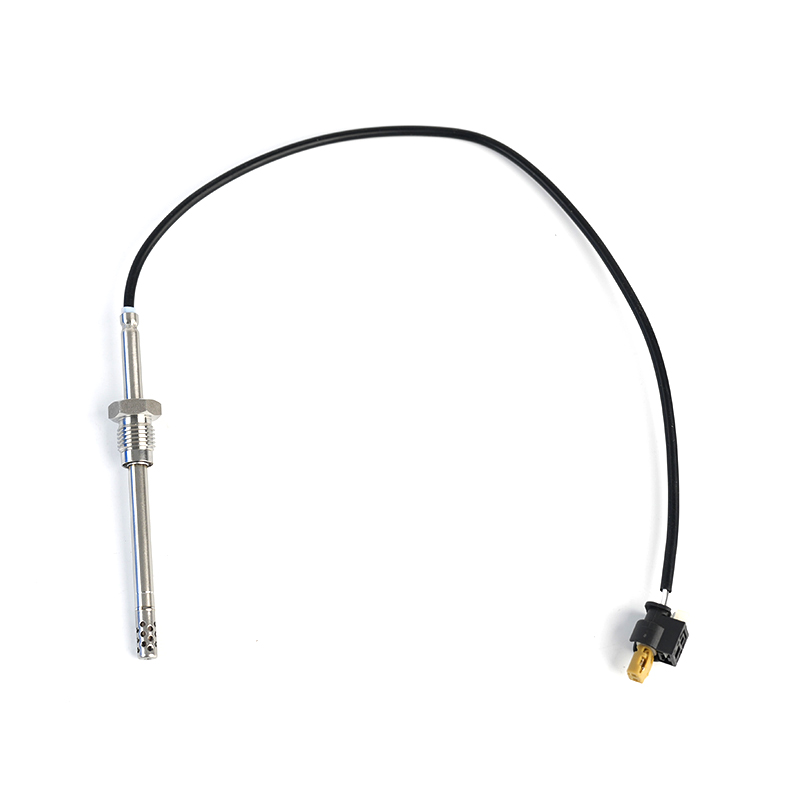
MERCEDES-BENZC-CLASS (W203) (2000/05 - 2007/08)MERCEDES-BENZC-CLASS Coupe (CL203) (2001/03 - 2011/06...
See Details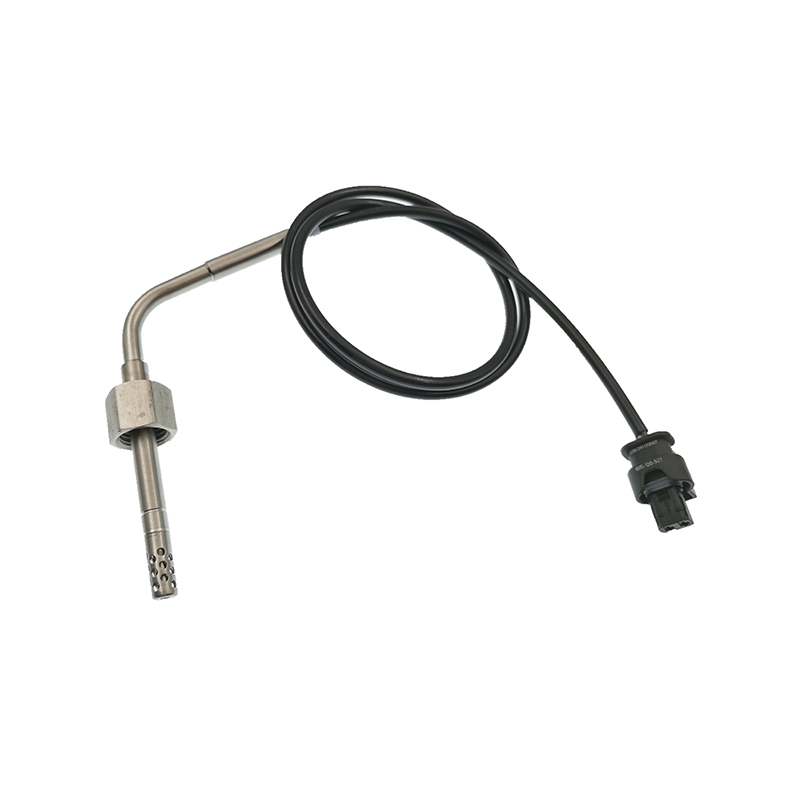
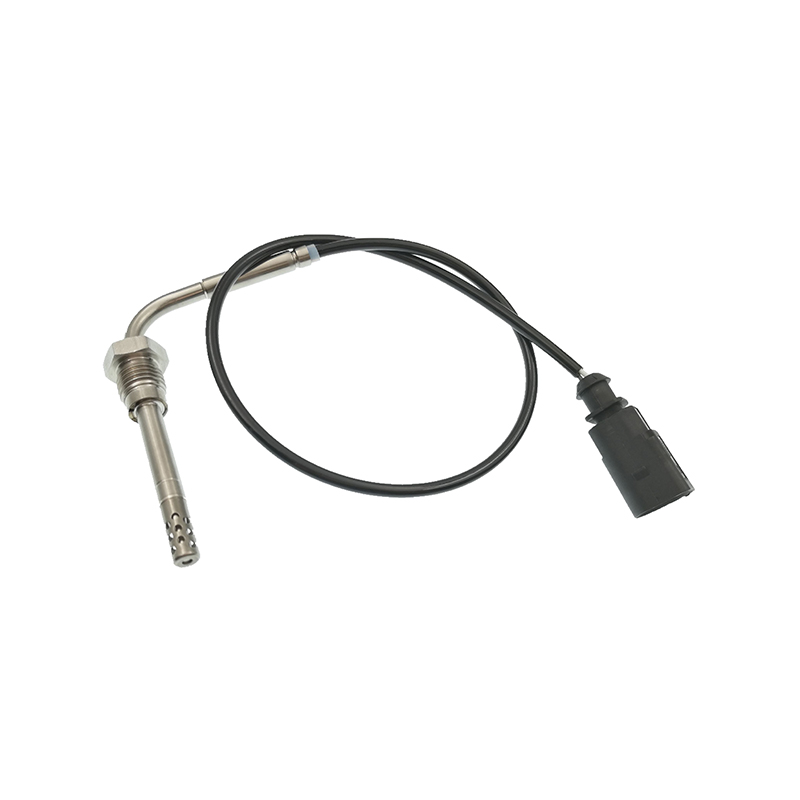
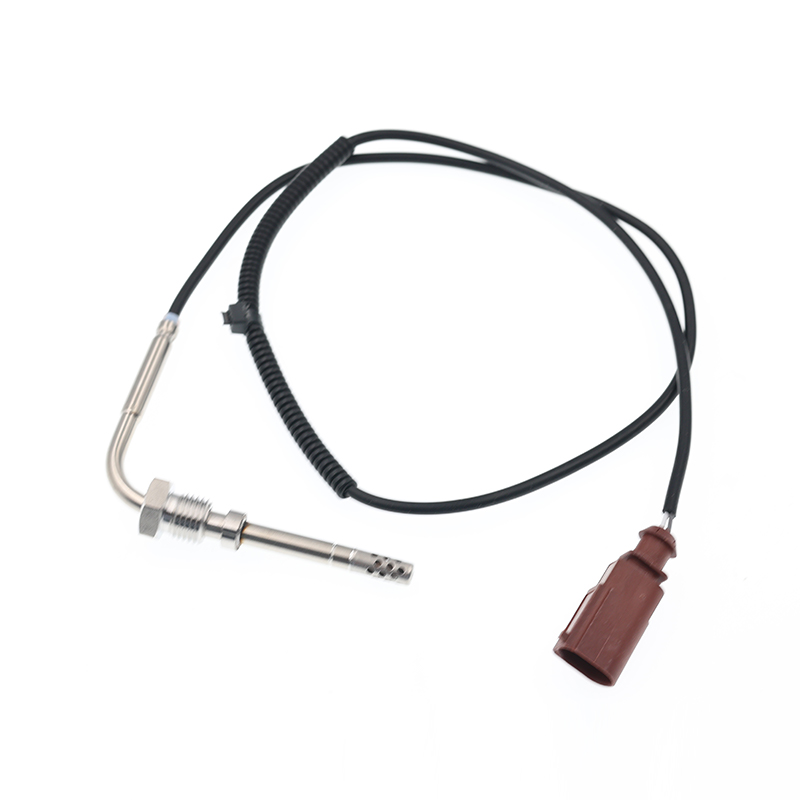
AUDIQ7 (4L) (2006/03 - 2015/08)VWTOUAREG (7LA, 7L6, 7L7) (2002/10 - 2010/05)
See Details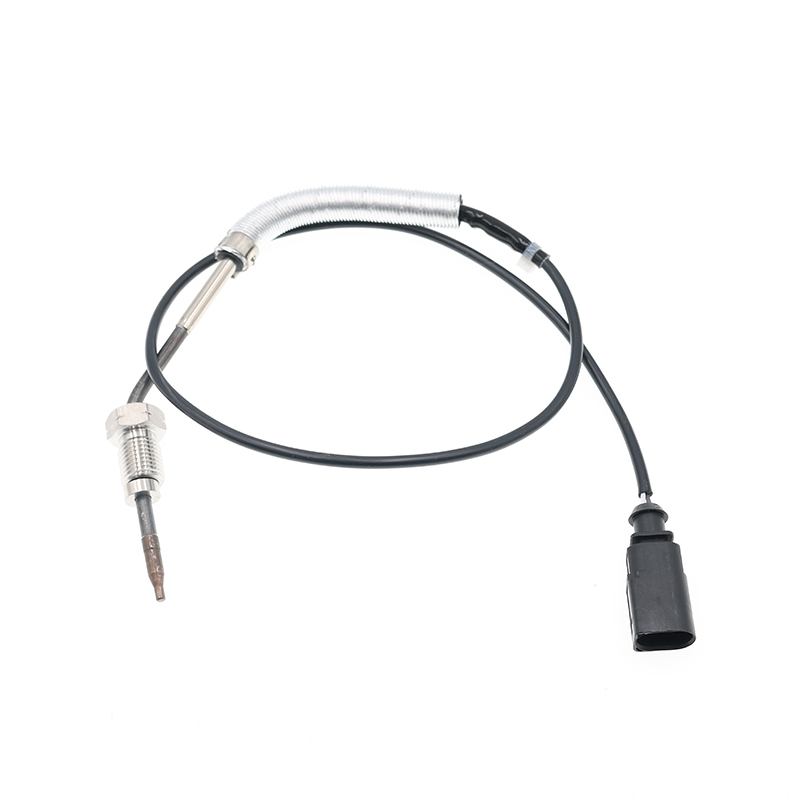
AUDIA3 (8P1) (2003/05 - 2012/08)AUDIA3 Sportback (8PA) (2004/09 - 2013/03)AUDIA4 (8EC, B7) (2004/11 ...
See Details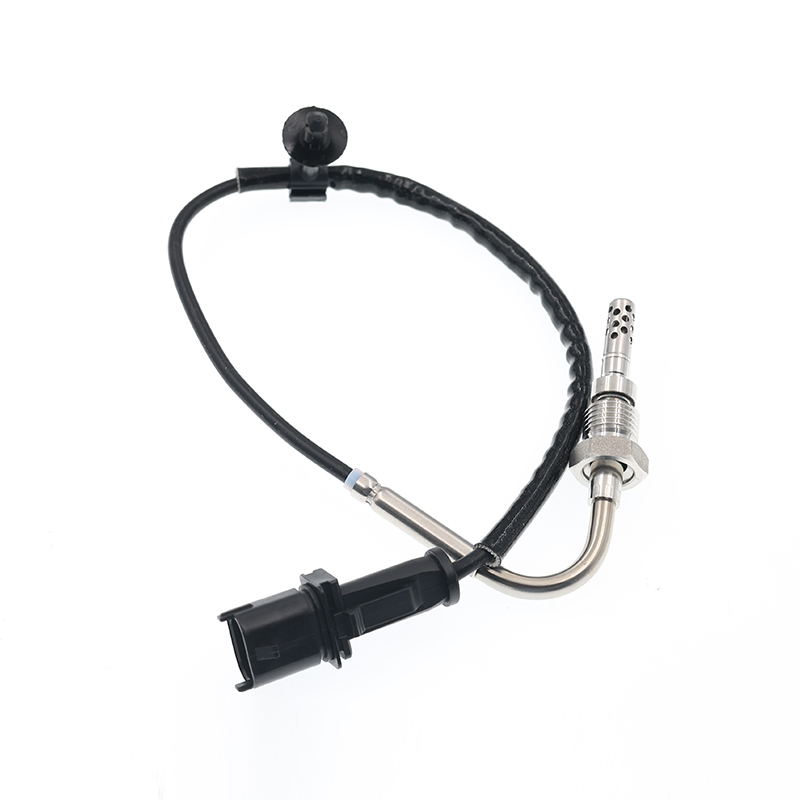
OPEL ASTRA J (2009/12 - /) OPEL ASTRA J Sports Tourer (2010/10 - /) OPEL ASTRA GTC J ...
See Details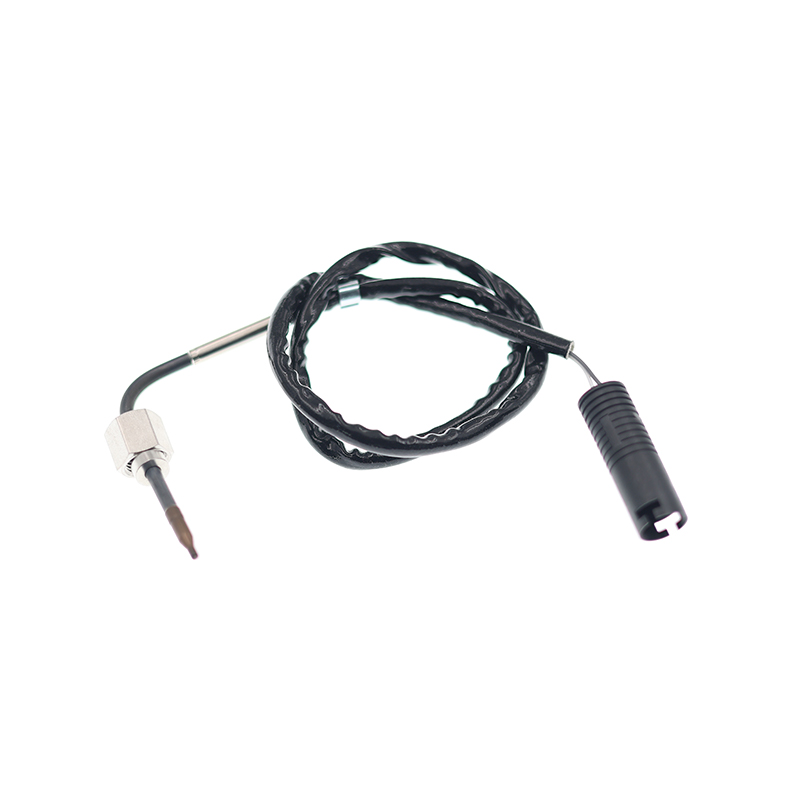
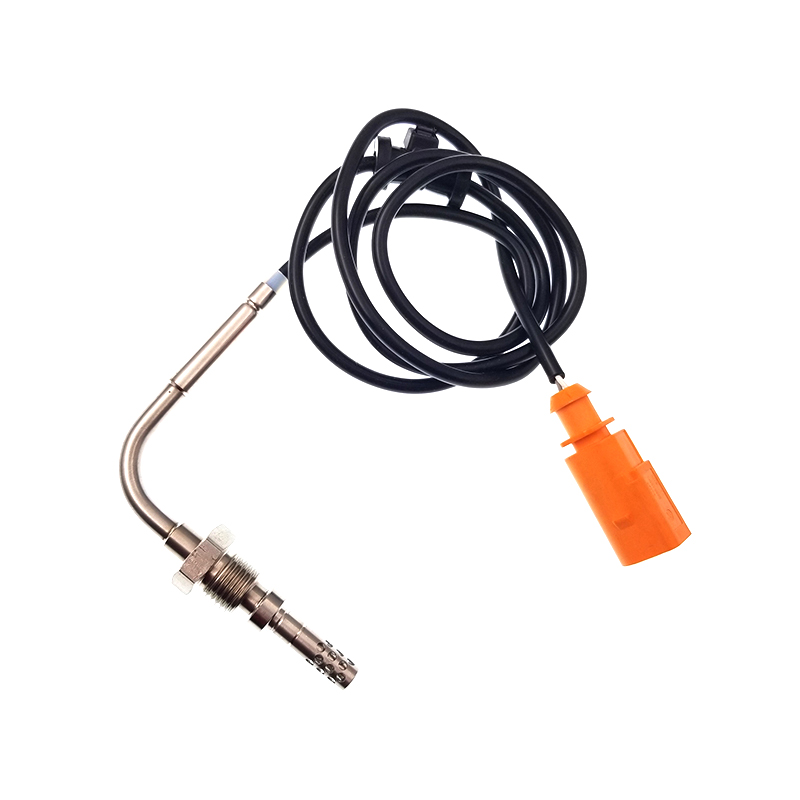
VWJETTA III (1K2) (2005/08 - 2010/10) VWGOLF VI (5K1) (2008/10 - 2013/11) VWGOLF VI Varia...
See Details
ADD: No.85 Jiuyuan Road, Economic Development Zone, Gaoyou city ,Yangzhou city ,225600 Jiangsu Province, China.
Copyright © Sook High Tech (Jiangsu) Co., Ltd. All Rights Reserved. OEM/ODM Automotive Sensor Manufacturers

