
 English
 Español
 Français
 简体中文
简体中文ADD: No.85 Jiuyuan Road, Economic Development Zone, Gaoyou city ,Yangzhou city ,225600 Jiangsu Province, China.
MERCEDES-BENZC-CLASS (W203) (2000/05 - 2007/08)MERCEDES-BENZC-CLASS Coupe (CL203) (2001/03 - 2011/06...
See DetailsContent
Armored heaters are robust tubular heating elements consisting of an alloy resistance wire, high-temperature insulation powder (typically magnesium oxide), and a metal protective sheath compacted into a single solid body. They generate heat when electric current flows through the inner conductor, then transfer that heat to a target medium through radiation, convection, and conduction. Their armored construction allows them to operate in harsh environments — high pressure, corrosive chemicals, mechanical vibration — while delivering long service life, uniform heating, and high thermal efficiency.
In short, armored heaters directly heat solids, liquids, and gases across the petrochemical industry, mechanical electronics, aviation, aerospace, nuclear energy, and household appliances. The following sections explain their internal structure, working principle, typical applications, and the practical knowledge buyers need before specifying one.
An armored heater — also called a sheathed heater or cartridge-type tubular heater — is a three-layer composite element. The inner alloy resistance wire (commonly Ni80Cr20 nichrome) generates the heat. Surrounding it, a densely packed insulating powder isolates the conductor electrically while transferring heat outward efficiently. The outermost metal sheath protects the assembly from mechanical damage, corrosion, and moisture.
The sheath material is selected based on the working environment. Stainless steel grades such as 304, 316L, 321, and 310S handle most industrial conditions, while Inconel 600 is used when sustained temperatures exceed 800°C or when sulfur, chloride, or acidic atmospheres are present.
One key structural advantage: the sheath has a small diameter (often φ1.2 mm to φ10 mm) and a long heated length, so it can be bent into virtually any shape — coils, spirals, U-bends, or flower configurations — to fit complex piping layouts or tight equipment cavities.
Armored heaters operate on Joule's first law: when current passes through a resistive conductor, electrical energy converts into heat at a rate of P = I²R. The conversion happens in three distinct stages, and understanding each stage is essential to selecting the right heater for an application.
When voltage is applied across the heater's terminals, electrons flow through the nichrome wire and collide with the atomic lattice, releasing energy as heat. A nichrome conductor with a resistivity of roughly 1.1 × 10⁻⁶ Ω·m can reach surface temperatures up to 1200°C while maintaining mechanical stability.
Heat is conducted from the wire through compacted magnesium oxide (MgO) powder, which has high thermal conductivity (around 30–40 W/m·K) and dielectric strength above 2 kV/mm. This combination is what allows armored heaters to maintain electrical isolation while still transferring heat rapidly.
Finally, the outer sheath transfers heat to the surrounding medium through three modes: conduction (when in direct contact with a solid surface), convection (when heating gases or liquids), and radiation (when operating in open air or vacuum). This multi-mode mechanism is what gives armored heaters their characteristic fast response time and uniform temperature distribution.
Specifying an armored heater starts with matching the right parameters to the application. The table below summarizes the most common ranges and how each parameter affects heater performance.
| Parameter | Typical Range | Selection Impact |
|---|---|---|
| Power | 1 W – 5000 W | Determines heat-up rate and medium volume |
| Voltage | 1 V – 380 V | Must match local power supply and safety class |
| Temperature Range | 1°C – 1200°C | Drives sheath material and insulation choice |
| Sheath Material | 304 / 316L / 321 / 310S / Inconel 600 | Corrosion resistance and max service temperature |
| Core Structure | Single core / Twin core | Twin core enables both leads at one end |
| Sheath Diameter | φ1.2 mm – φ10 mm | Smaller diameter allows tighter bending radius |
The bendable geometry and broad temperature range of armored heaters allow them to serve in environments where rigid heating elements simply cannot fit or survive. Below are five representative applications, each with a specific technical reason for choosing armored construction.
As a manufacturer with annual capacity in industrial sensors and heaters, Sook High Tech supplies armored heaters built to OEM and ODM specifications across diameter, length, voltage, and sheath material — a flexibility that matters when the application is non-standard.
Engineers selecting an armored heater for the first time often focus only on wattage. In practice, four other variables determine whether the heater will deliver reliable long-term performance.
When operated within rated voltage, watt density, and temperature, an armored heater typically delivers 10,000 to 30,000 hours of service. Lifetime drops sharply if the heater is dry-fired in liquid applications or run above its rated sheath temperature for extended periods.
Light bending within a minimum radius of 3 to 5 times the sheath diameter is usually possible, but tight or repeated bends should be done by the manufacturer before powder compaction. Field bending can crack the MgO insulation and create internal short circuits.
Two quick checks: measure cold resistance with a multimeter (should be within ±5% of nameplate value), then measure insulation resistance between conductor and sheath at 500 V DC (should be above 50 MΩ at room temperature, above 5 MΩ when hot).
A single-core heater has one lead at each end and requires wiring at both ends. A twin-core heater brings both leads out from the same end, simplifying installation in blind holes, sealed cavities, or rotating equipment.
Yes, when combined with the correct terminal box and certified to standards such as ATEX or IECEx. The sealed sheath itself already isolates the heating element from the surrounding atmosphere, which is one reason armored heaters are common in petrochemical Zone 1 and Zone 2 areas.
A properly specified armored heater rarely fails on its own — most failures trace back to maintenance gaps. The four practices below address the most common root causes.
Armored heaters succeed in industrial settings because they combine four properties that few other heating technologies offer together: mechanical robustness, dielectric isolation, bendable geometry, and broad temperature capability up to 1200°C. The metal sheath, MgO insulation, and alloy resistance wire form a compact assembly that resists shock, vibration, moisture, and chemical attack while delivering uniform, controllable heat.
For OEM projects, the decisive factor is usually customization — diameter, length, watt density, sheath alloy, and bending pattern all need to match the equipment exactly. Working with a manufacturer that handles design, production, and integration in-house shortens lead time and ensures the heater performs as specified from day one.
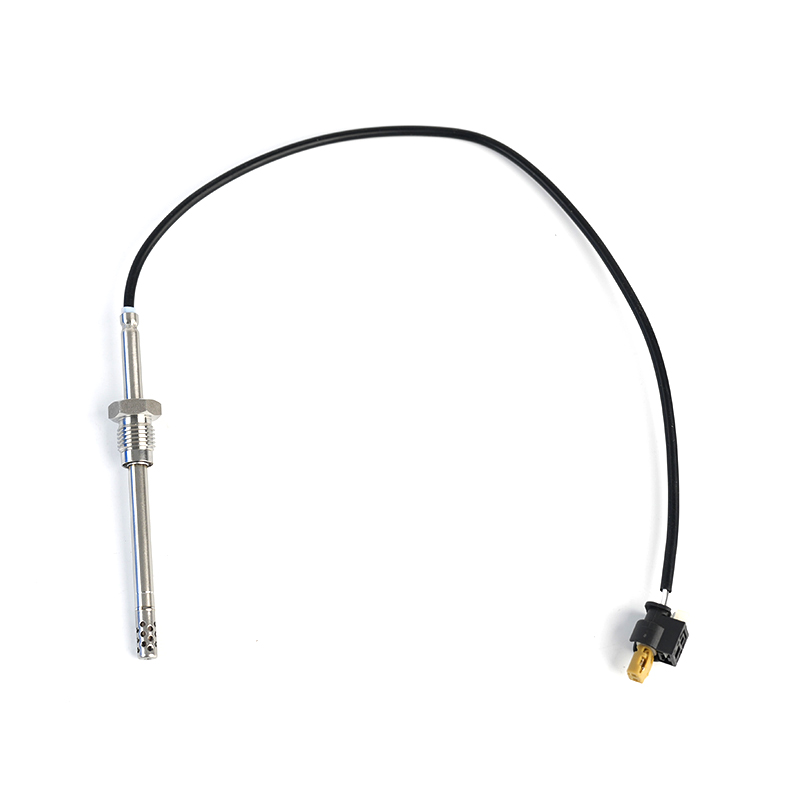
MERCEDES-BENZC-CLASS (W203) (2000/05 - 2007/08)MERCEDES-BENZC-CLASS Coupe (CL203) (2001/03 - 2011/06...
See Details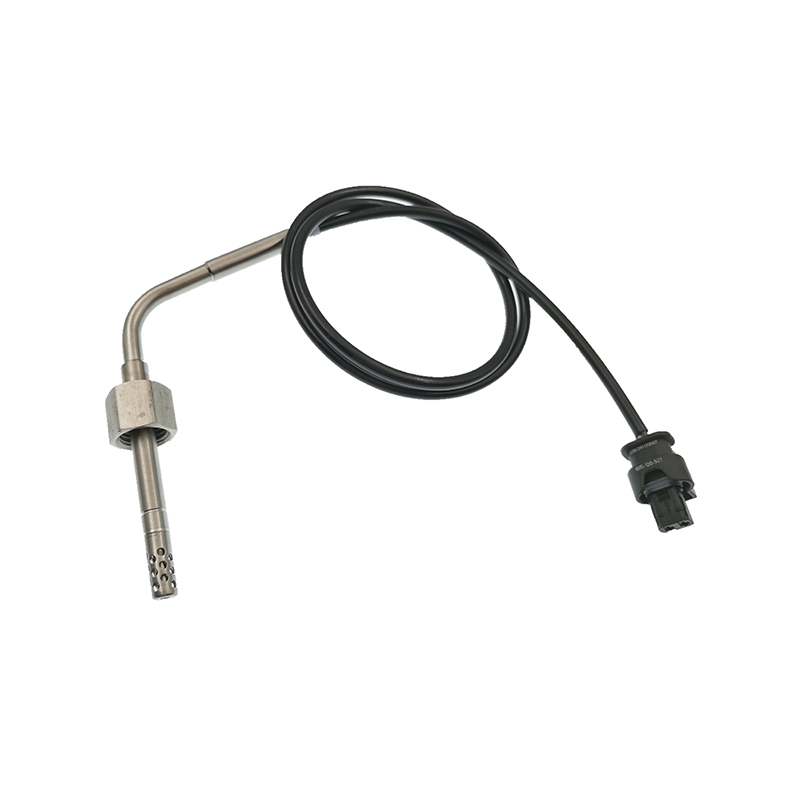
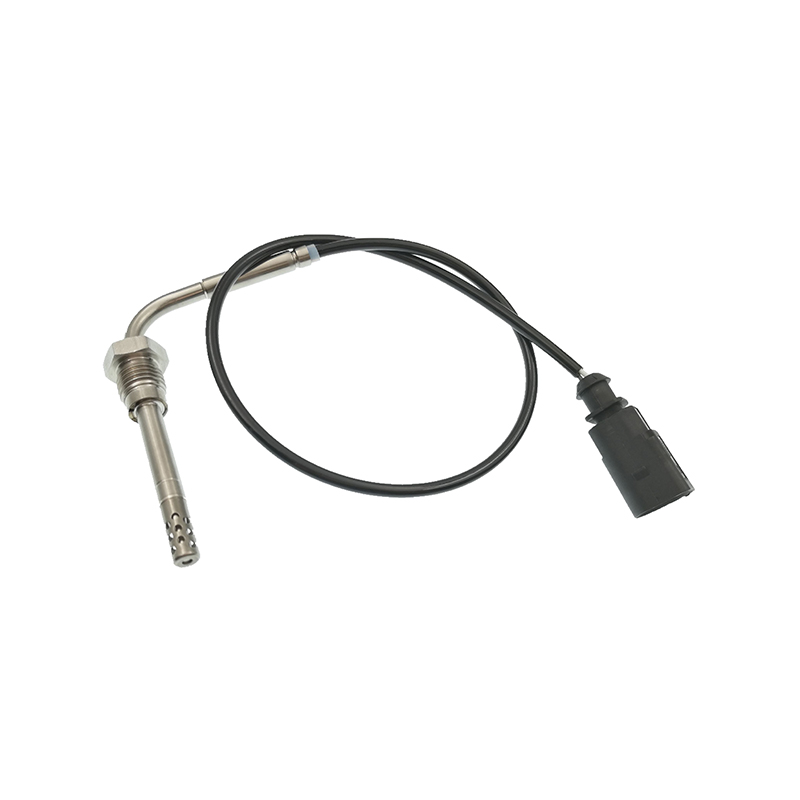
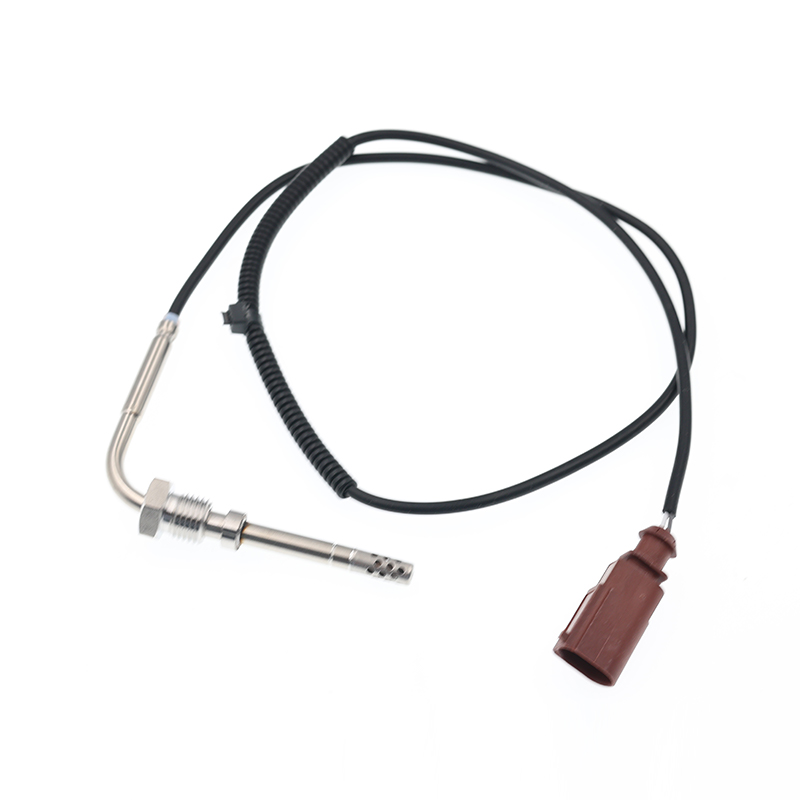
AUDIQ7 (4L) (2006/03 - 2015/08)VWTOUAREG (7LA, 7L6, 7L7) (2002/10 - 2010/05)
See Details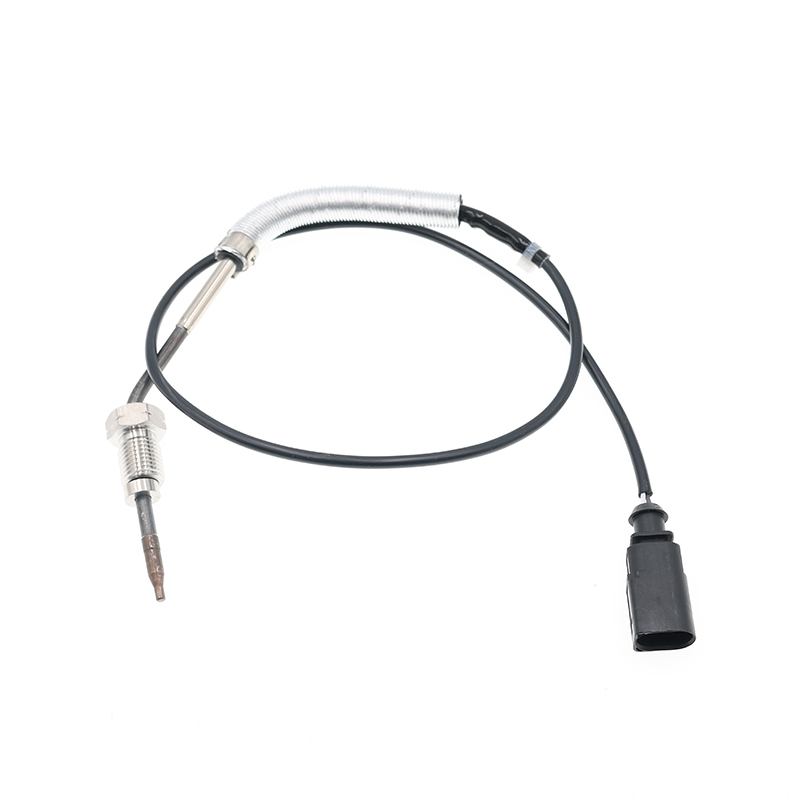
AUDIA3 (8P1) (2003/05 - 2012/08)AUDIA3 Sportback (8PA) (2004/09 - 2013/03)AUDIA4 (8EC, B7) (2004/11 ...
See Details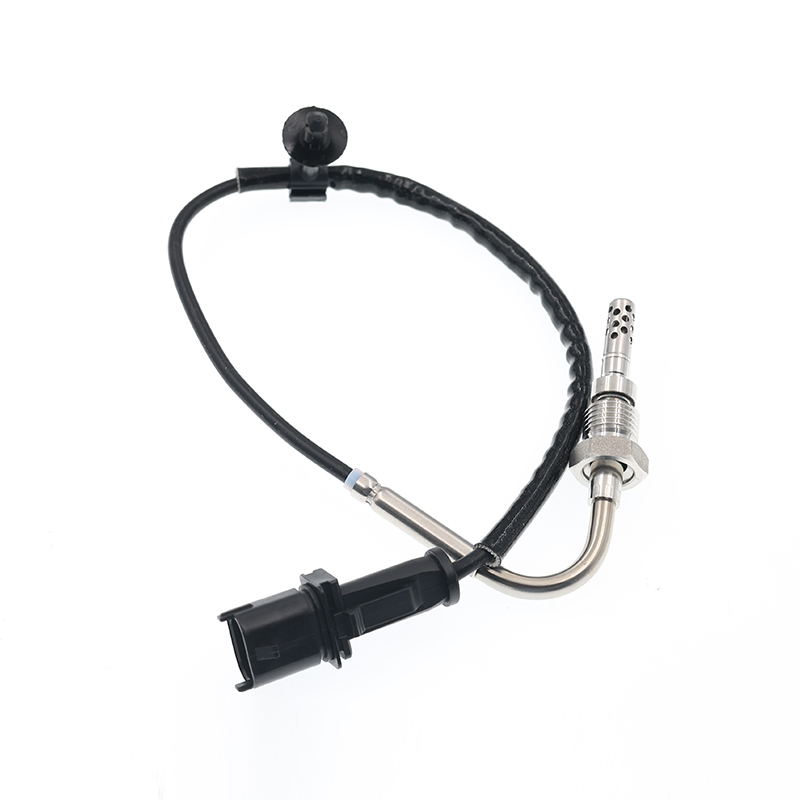
OPEL ASTRA J (2009/12 - /) OPEL ASTRA J Sports Tourer (2010/10 - /) OPEL ASTRA GTC J ...
See Details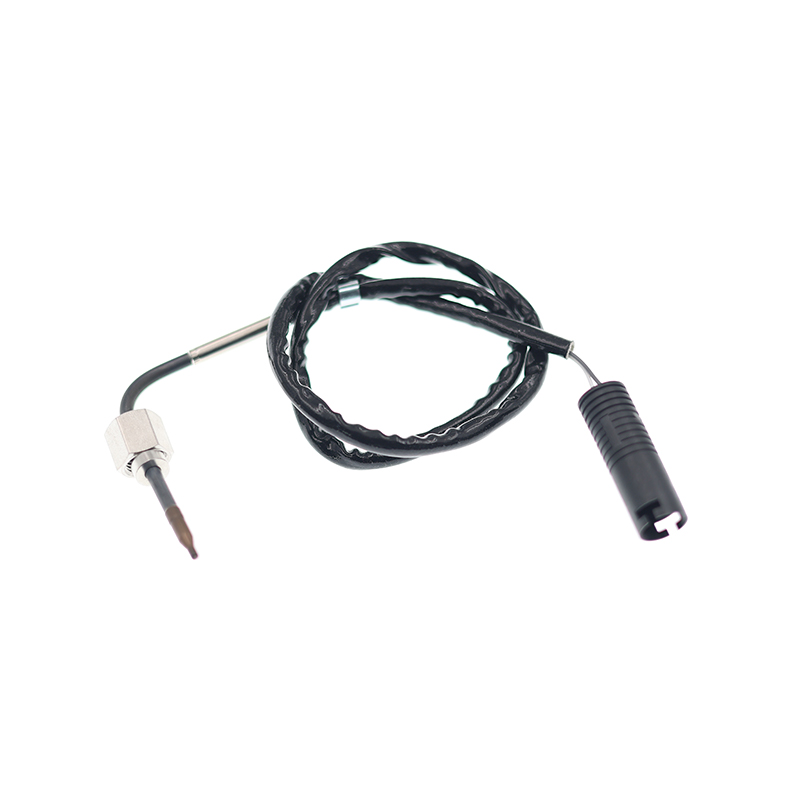
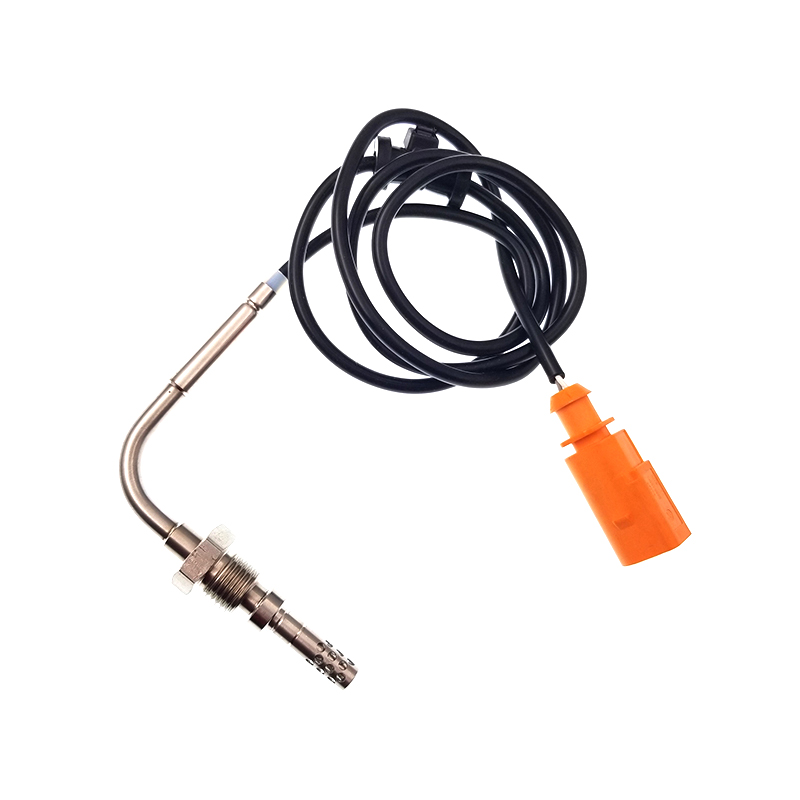
VWJETTA III (1K2) (2005/08 - 2010/10) VWGOLF VI (5K1) (2008/10 - 2013/11) VWGOLF VI Varia...
See Details
ADD: No.85 Jiuyuan Road, Economic Development Zone, Gaoyou city ,Yangzhou city ,225600 Jiangsu Province, China.
Copyright © Sook High Tech (Jiangsu) Co., Ltd. All Rights Reserved. OEM/ODM Automotive Sensor Manufacturers

