
 English
 Español
 Français
 简体中文
简体中文ADD: No.85 Jiuyuan Road, Economic Development Zone, Gaoyou city ,Yangzhou city ,225600 Jiangsu Province, China.
MERCEDES-BENZC-CLASS (W203) (2000/05 - 2007/08)MERCEDES-BENZC-CLASS Coupe (CL203) (2001/03 - 2011/06...
See DetailsContent
A liquid level sensor is a device that detects and measures the height of liquid inside a tank, reservoir, or pipeline, then converts that measurement into an electrical signal an operator or control system can use. In plain terms, it answers the question "how much liquid is in here right now" without anyone needing to open the tank or look inside. Depending on the technology, the output can be a simple on/off switch signal at one or more preset points, or a continuous analog reading that tracks level from empty to full in real time.
Liquid level sensors are used wherever fluid needs to be monitored automatically: coolant reservoirs and windshield washer tanks in vehicles, fuel and water tanks in industrial equipment, chemical storage vessels, and process tanks in manufacturing lines. The core purpose is always the same — prevent a tank from running dry or overflowing, and give the connected system accurate, real-time level data.
Without reliable level monitoring, a system either relies on manual checks or risks running until a failure occurs. A liquid level sensor removes that guesswork by feeding continuous data into a controller, dashboard warning light, or automated pump. This has three practical benefits:
Not every liquid level sensor works the same way. Selecting the right technology depends on the fluid type, tank shape, required accuracy, and whether a simple switch point or a continuous reading is needed. The table below compares the most common types.
| Sensor Type | Output Signal | Best Suited For |
|---|---|---|
| Float switch | On/off at set point | Tanks needing simple high/low alarms |
| Resistive (reed switch) sensor | Stepped or continuous resistance | Automotive coolant and washer fluid tanks |
| Capacitive sensor | Continuous analog signal | Corrosive or viscous liquids, non-contact needs |
| Ultrasonic sensor | Continuous distance-based signal | Open tanks, non-contact measurement |
| Pressure (hydrostatic) sensor | Continuous analog signal | Deep tanks where pressure correlates to depth |
A magnet-carrying float rides on the liquid surface and moves along a sealed stem containing a series of reed switches or a resistive element. As the float rises or falls, it activates different switches, producing either a stepped resistance value or a simple contact closure at a preset height. This design is widely used in automotive water level sensor and coolant level sensor applications because it is compact, sealed, and tolerant of vibration.
A capacitive liquid level sensor measures the change in capacitance between a probe and the tank wall (or a reference electrode) as liquid rises around it, since liquid and air have different dielectric properties. Because the probe has no moving parts, it holds up well in tanks with sediment, foam, or mildly corrosive fluid.
An ultrasonic sensor mounted above the tank sends a sound pulse toward the liquid surface and calculates level from the time it takes the echo to return, allowing fully non-contact measurement. A hydrostatic pressure sensor instead sits near the tank bottom and measures the pressure exerted by the liquid column above it, which increases predictably with depth for a given fluid density.
Choosing between sensor types comes down to matching the technology to the operating environment. Before specifying a liquid level sensor, it helps to work through the following checklist:
Because level monitoring is a near-universal need, liquid level sensors appear across a wide range of sectors:
A liquid level sensor is only as good as its sealing, wetted-material selection, and calibration process. SOOK, a manufacturer focused on automotive and industrial sensing products, produces liquid level sensor variants alongside related temperature sensing products such as EGT sensors and thermocouple sensors, applying similar sealing and connector standards across its automotive sensor and industrial field product lines. Consistent manufacturing controls — leak testing every sealed float assembly and verifying output linearity before shipment — are what keep field failure rates low over years of tank exposure to vibration, temperature cycling, and fluid contact.
For buyers comparing suppliers, it is worth asking directly about ingress protection rating, wetted material certification, and sample test data for output repeatability, since these details matter more to long-term reliability than the headline accuracy specification alone.
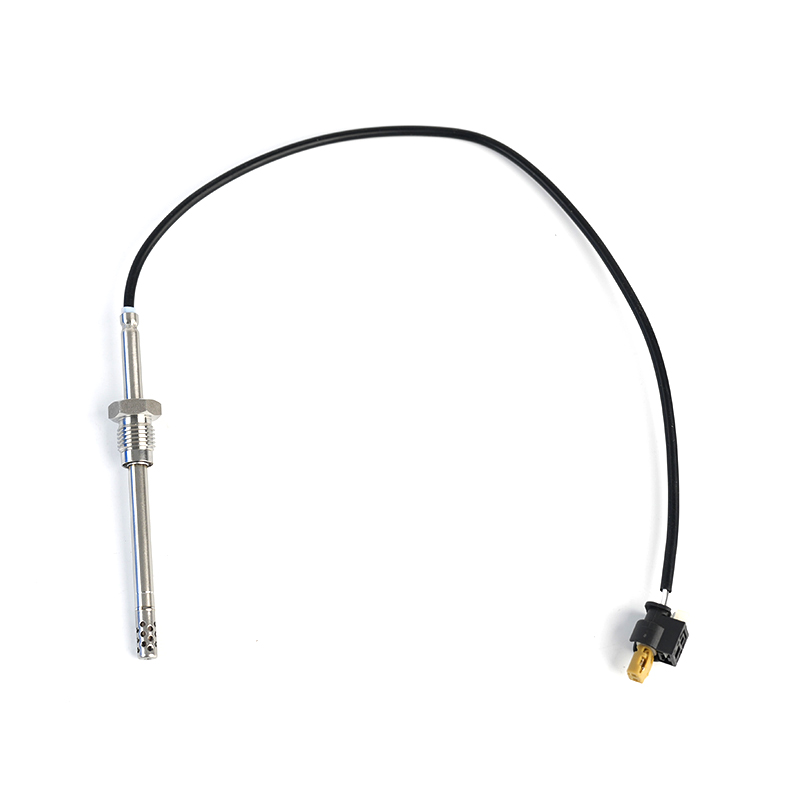
MERCEDES-BENZC-CLASS (W203) (2000/05 - 2007/08)MERCEDES-BENZC-CLASS Coupe (CL203) (2001/03 - 2011/06...
See Details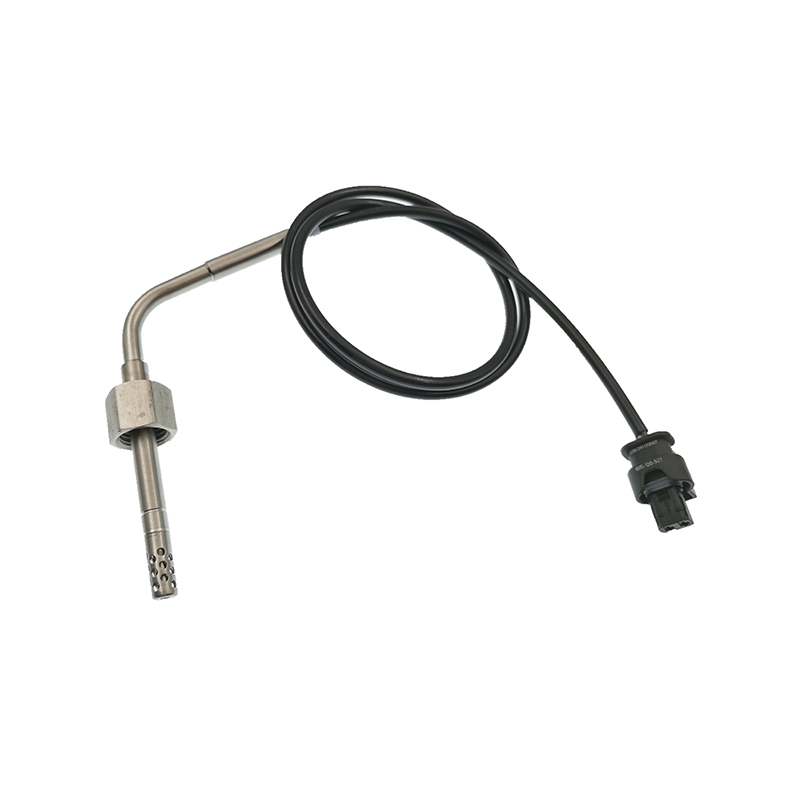
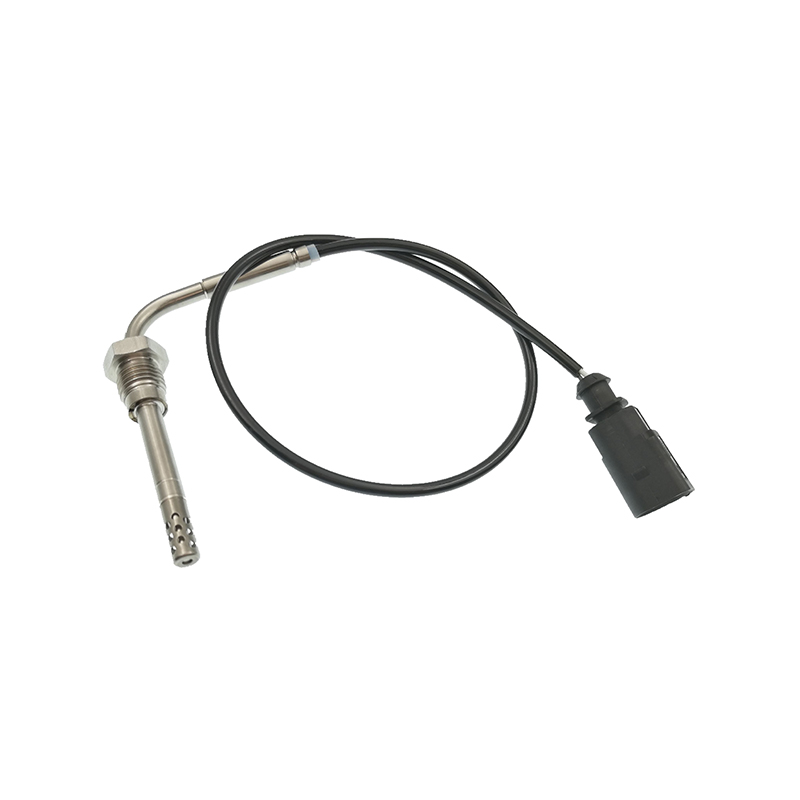
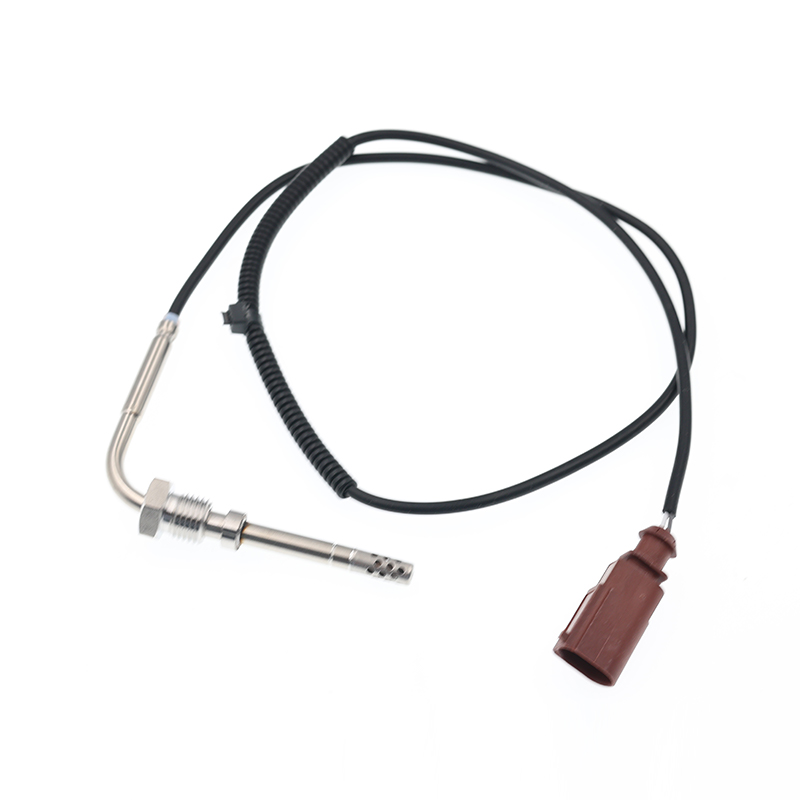
AUDIQ7 (4L) (2006/03 - 2015/08)VWTOUAREG (7LA, 7L6, 7L7) (2002/10 - 2010/05)
See Details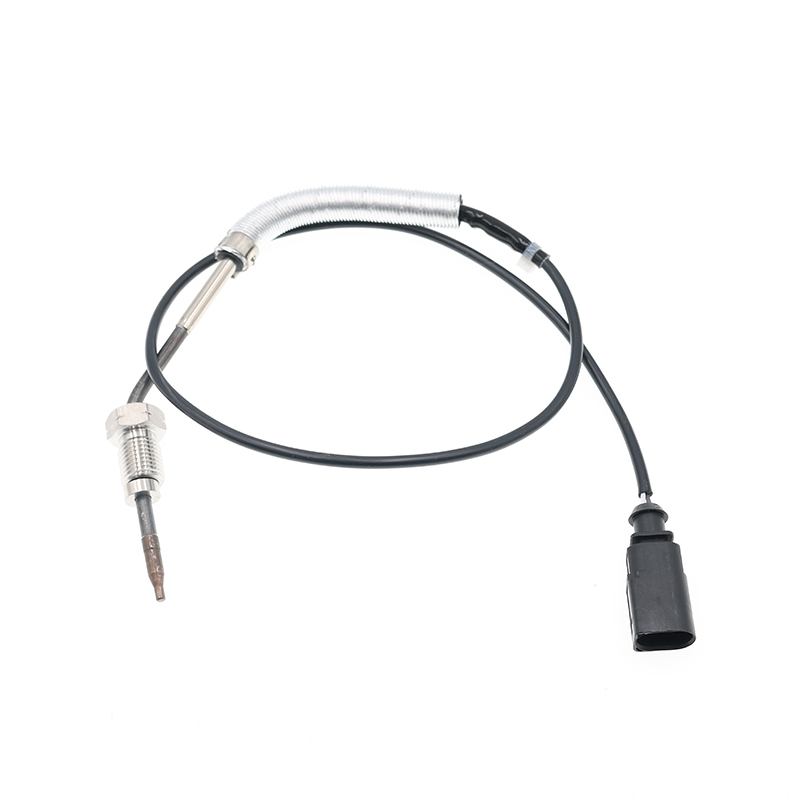
AUDIA3 (8P1) (2003/05 - 2012/08)AUDIA3 Sportback (8PA) (2004/09 - 2013/03)AUDIA4 (8EC, B7) (2004/11 ...
See Details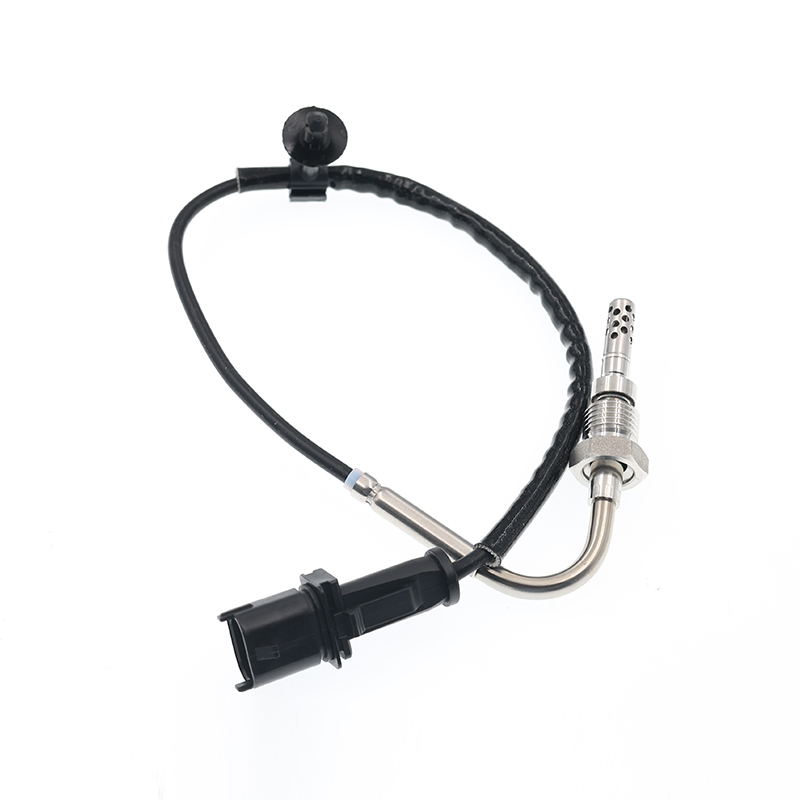
OPEL ASTRA J (2009/12 - /) OPEL ASTRA J Sports Tourer (2010/10 - /) OPEL ASTRA GTC J ...
See Details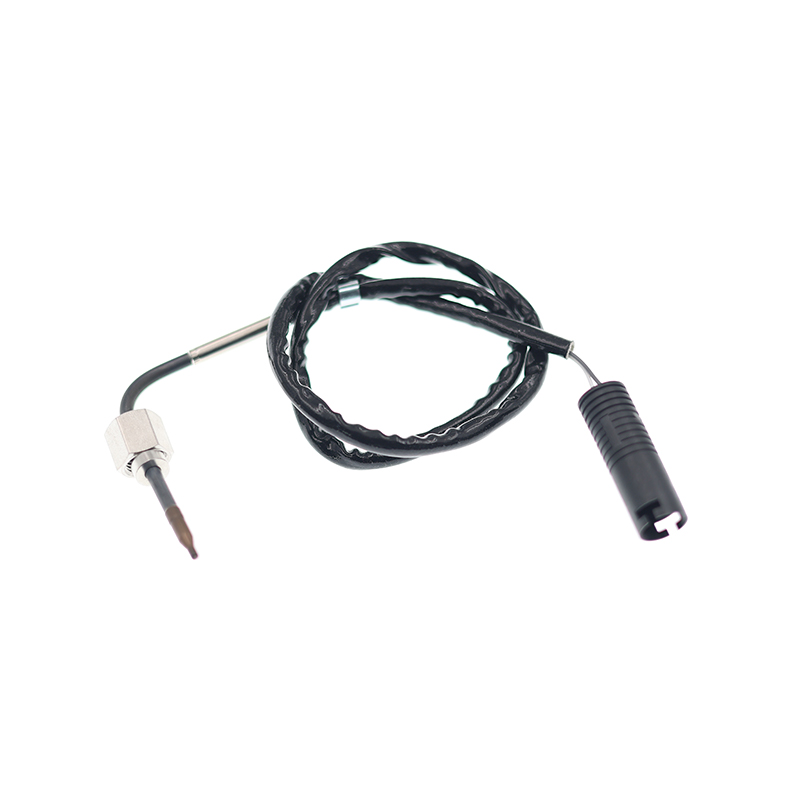
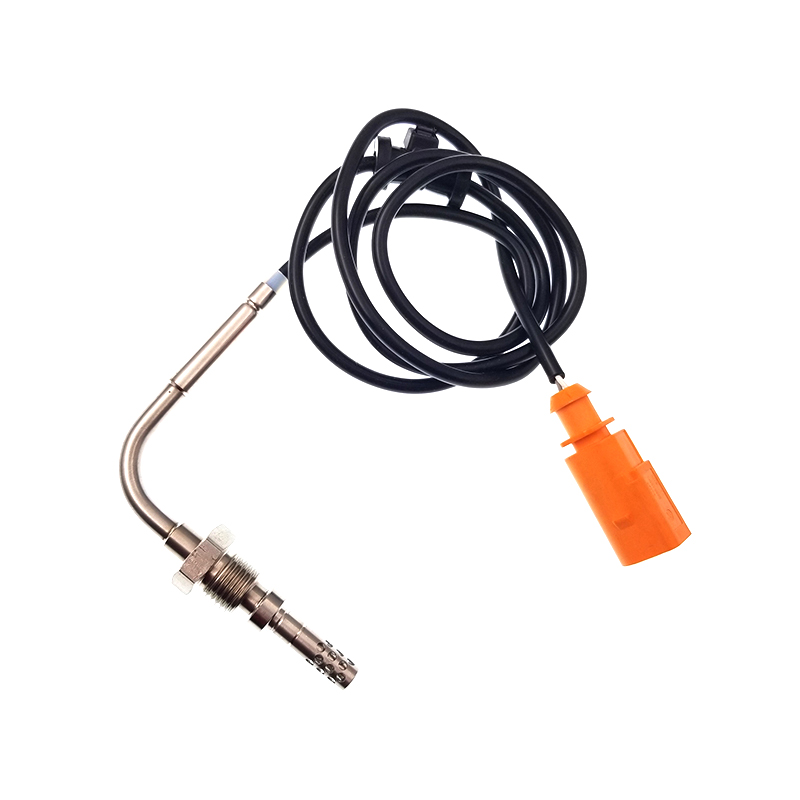
VWJETTA III (1K2) (2005/08 - 2010/10) VWGOLF VI (5K1) (2008/10 - 2013/11) VWGOLF VI Varia...
See Details
ADD: No.85 Jiuyuan Road, Economic Development Zone, Gaoyou city ,Yangzhou city ,225600 Jiangsu Province, China.
Copyright © Sook High Tech (Jiangsu) Co., Ltd. All Rights Reserved. OEM/ODM Automotive Sensor Manufacturers

