
 English
 Español
 Français
 简体中文
简体中文ADD: No.85 Jiuyuan Road, Economic Development Zone, Gaoyou city ,Yangzhou city ,225600 Jiangsu Province, China.
MERCEDES-BENZC-CLASS (W203) (2000/05 - 2007/08)MERCEDES-BENZC-CLASS Coupe (CL203) (2001/03 - 2011/06...
See DetailsContent
In almost all cases, a NOx sensor itself cannot be repaired internally — it is a sealed electrochemical unit, and once the ceramic sensing element or internal circuitry fails, the only reliable fix is replacement. However, many problems that look like a "bad NOx sensor" are actually external issues — a damaged connector, a broken wiring harness, a failed heater circuit, or carbon/soot buildup on the probe tip — and these external issues can often be repaired or cleaned without buying a new sensor.
So the practical answer is: the sensor element is not repairable, but the surrounding system often is. Knowing which category a fault falls into is what separates an unnecessary sensor replacement from a genuine fix.
A NOx sensor uses a multi-chamber zirconia ceramic element to measure nitrogen oxide concentration in the exhaust gas stream, paired with an integrated heater to bring the ceramic to its correct operating temperature. This element is fused and sealed at the factory. There is no serviceable access point, and any attempt to open the housing destroys the calibration and the gas-tight seals that make the readings accurate.
Typical NOx sensors are built to read concentrations across a range of roughly 0–1500 ppm, with tight accuracy tolerances — often within about ±10 ppm at low concentrations and a percentage-based tolerance at higher levels. This level of precision depends on factory-controlled manufacturing, and it cannot be re-established with field tools once the sensing cell degrades.
Before assuming the whole unit needs replacing, these related issues are genuinely fixable:
The table below separates symptoms that usually point to a repairable external issue from symptoms that mean the sensor itself has reached the end of its life.
| Symptom | Likely Cause | Repairable? |
|---|---|---|
| Intermittent fault code, clears and returns | Loose connector or chafed wiring | Yes |
| Sensor never reaches operating temperature | Heater circuit or fuse failure | Often yes |
| Slow or unstable NOx readings | Carbon/soot fouling on probe | Sometimes, via cleaning |
| Fixed fault code, sensor at end of design life | Degraded ceramic sensing element | No, replace |
| Physical damage to housing or cable | Impact, corrosion, or heat damage | No, replace |
Since the sensing element itself cannot be repaired, replacement is the standard fix once the ceramic cell has degraded. A proper replacement procedure matters just as much as the part itself:
Because a NOx sensor cannot be internally repaired, sourcing a dependable replacement is the real decision point. Typical OEM-grade NOx sensors are rated for a design life of around 6,000 operating hours or 350,000 km, and are built to tolerate exhaust temperatures up to roughly 800°C while keeping wire-side temperatures near the sensor connector much lower for durability.
Sook High Tech (Jiangsu) Co., Ltd. designs and manufactures intelligent NOx sensors for modern internal combustion and hybrid vehicles, supporting real-time nitrogen oxide monitoring for compliance with emission standards such as Euro 6. As a self-owned manufacturing facility with an annual production capacity covering hundreds of NOx sensor variants alongside exhaust temperature and ABS sensors, the company handles everything from research and development through production and testing in-house.
Fleet operators and repair shops comparing replacement parts across engine platforms can review the full NOx Sensor range to match OE part numbers, cable lengths, and accuracy specifications before ordering a replacement unit.
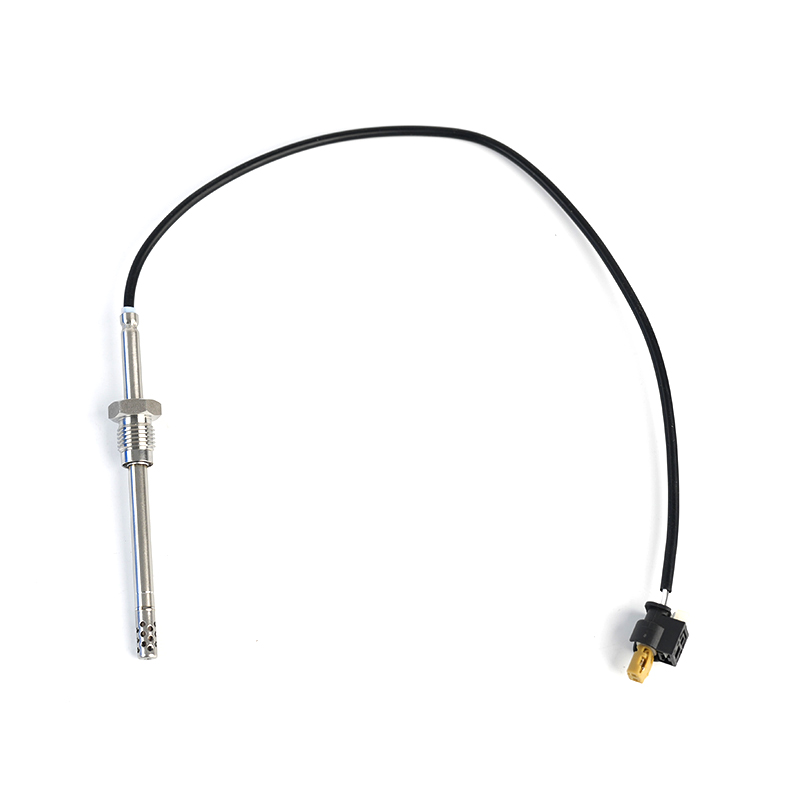
MERCEDES-BENZC-CLASS (W203) (2000/05 - 2007/08)MERCEDES-BENZC-CLASS Coupe (CL203) (2001/03 - 2011/06...
See Details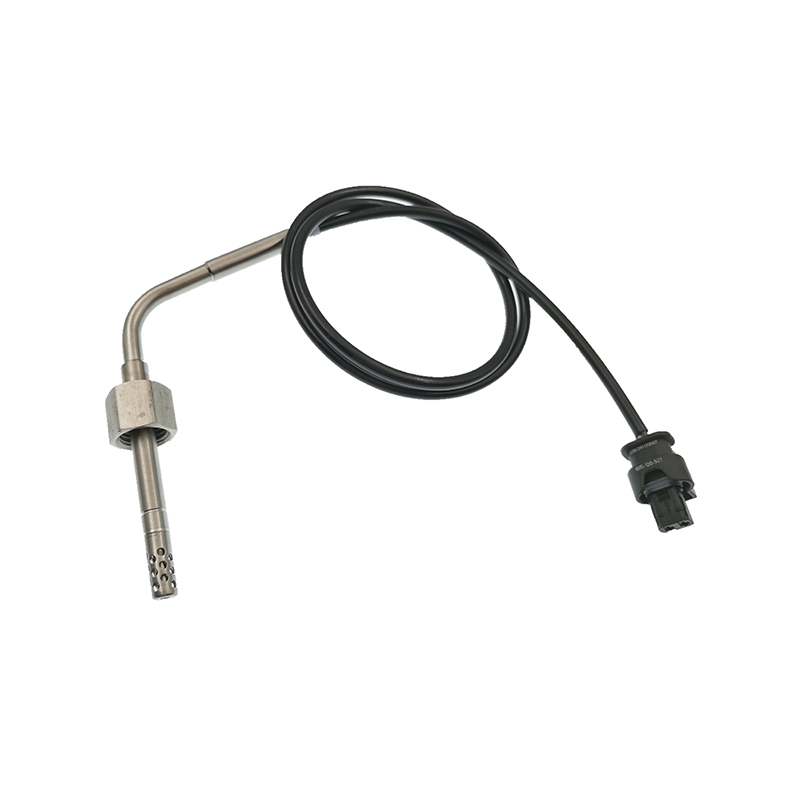
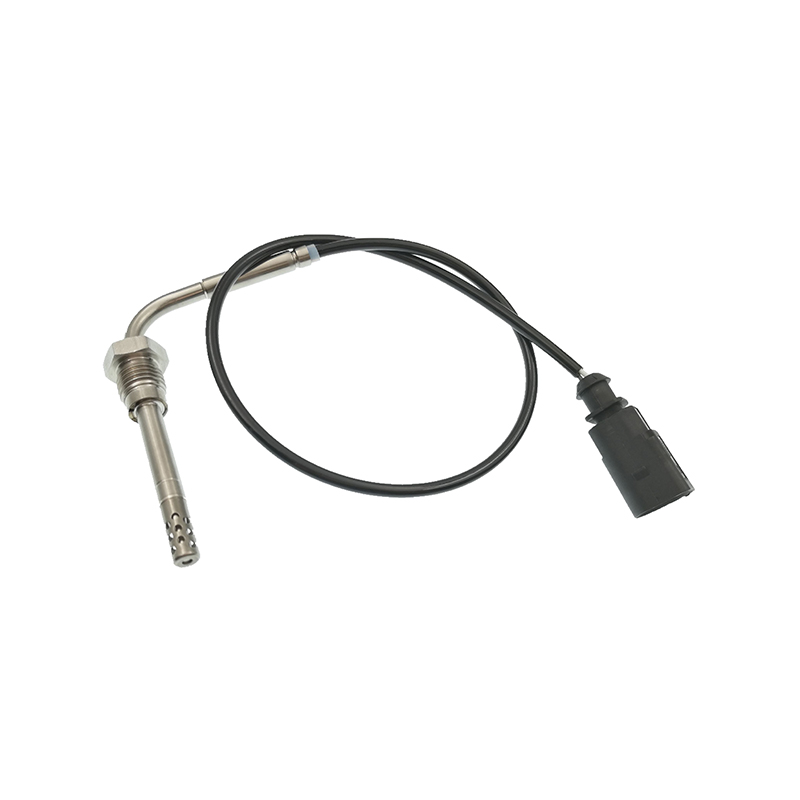
AUDIQ7 (4L) (2006/03 - 2015/08)VWTOUAREG (7LA, 7L6, 7L7) (2002/10 - 2010/05)
See Details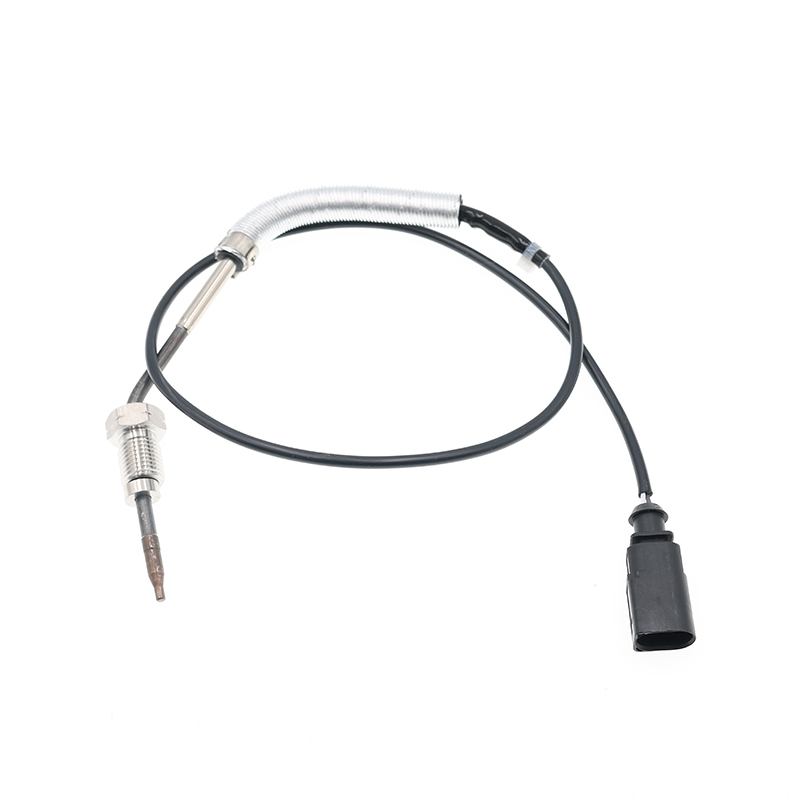
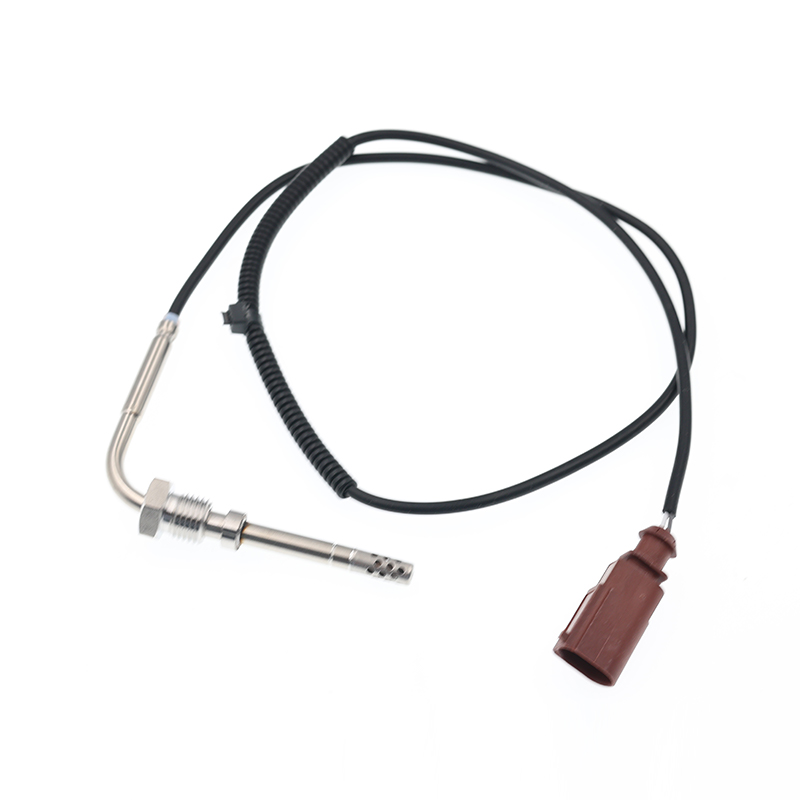
AUDIA3 (8P1) (2003/05 - 2012/08)AUDIA3 Sportback (8PA) (2004/09 - 2013/03)AUDIA4 (8EC, B7) (2004/11 ...
See Details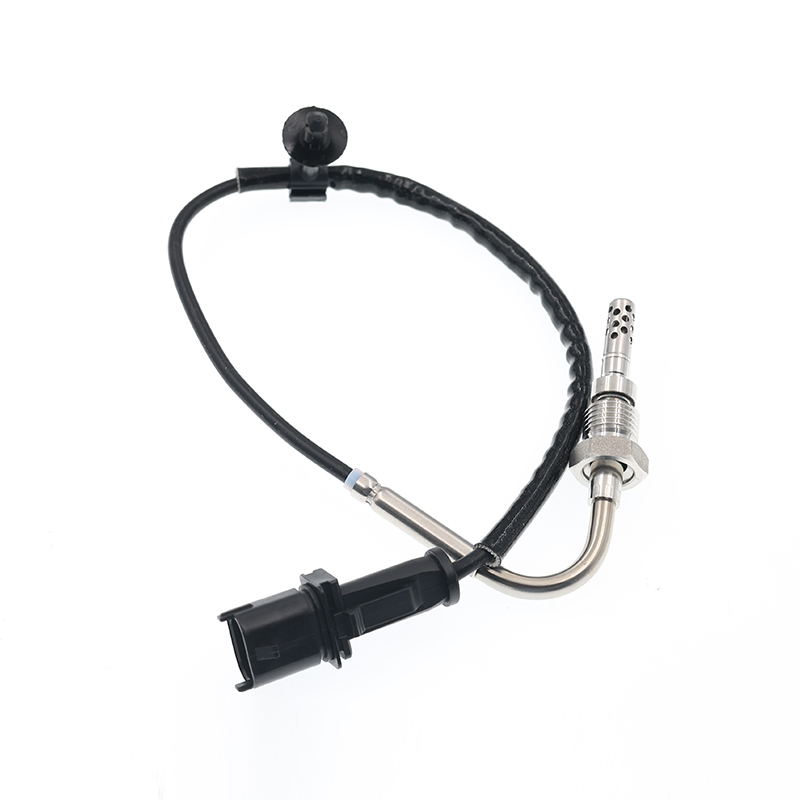
OPEL ASTRA J (2009/12 - /) OPEL ASTRA J Sports Tourer (2010/10 - /) OPEL ASTRA GTC J ...
See Details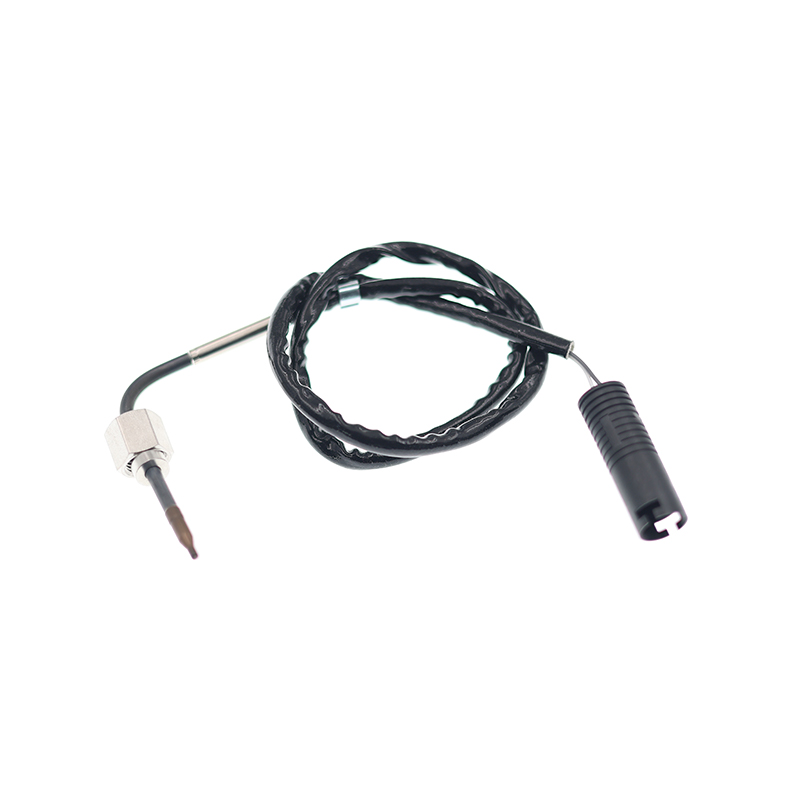
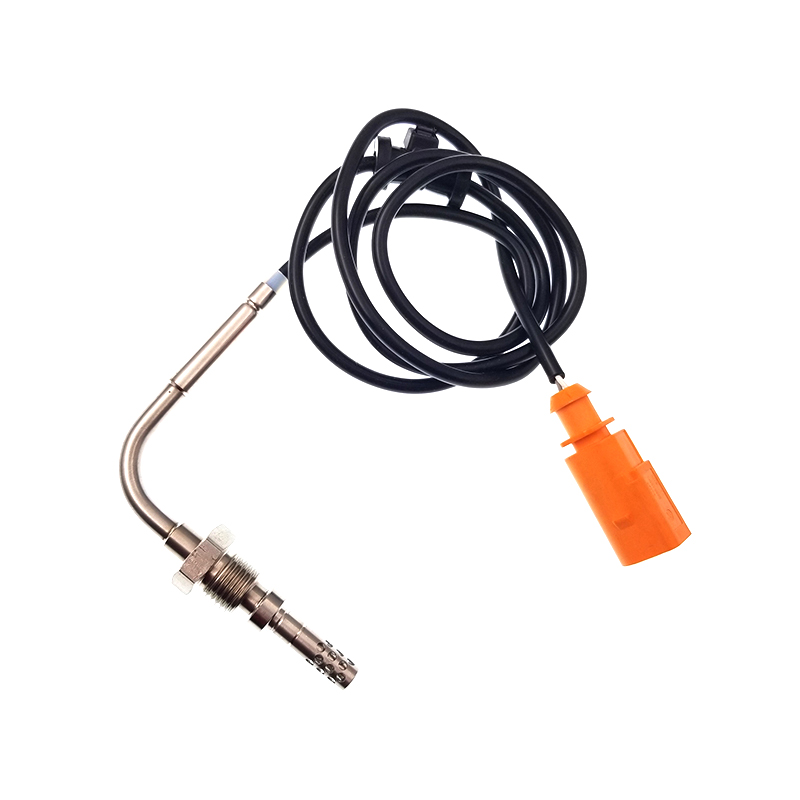
VWJETTA III (1K2) (2005/08 - 2010/10) VWGOLF VI (5K1) (2008/10 - 2013/11) VWGOLF VI Varia...
See Details
ADD: No.85 Jiuyuan Road, Economic Development Zone, Gaoyou city ,Yangzhou city ,225600 Jiangsu Province, China.
Copyright © Sook High Tech (Jiangsu) Co., Ltd. All Rights Reserved. OEM/ODM Automotive Sensor Manufacturers

