
 English
 Español
 Français
 简体中文
简体中文ADD: No.85 Jiuyuan Road, Economic Development Zone, Gaoyou city ,Yangzhou city ,225600 Jiangsu Province, China.
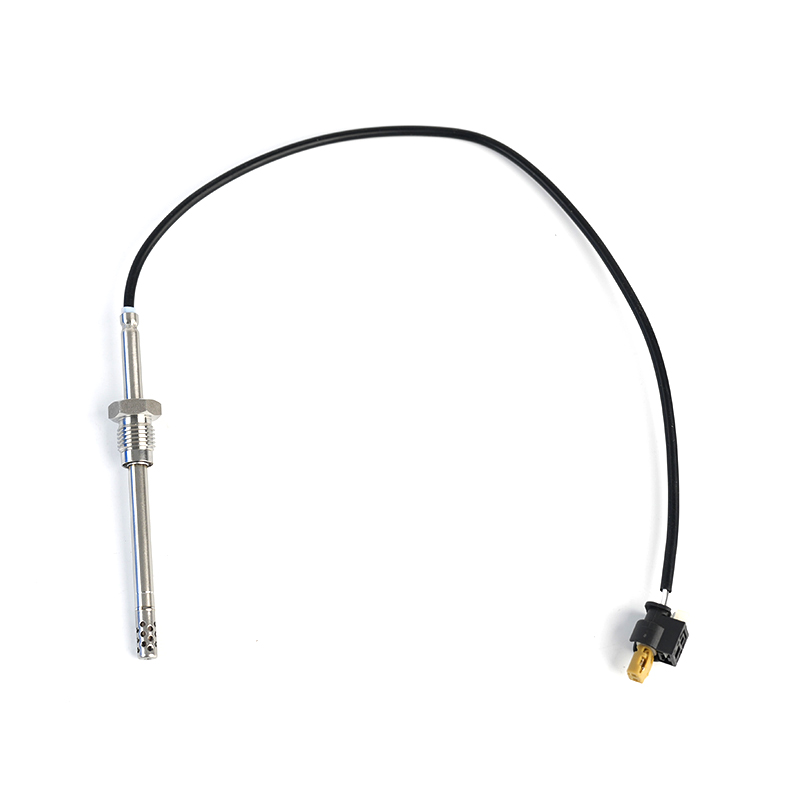
MERCEDES-BENZC-CLASS (W203) (2000/05 - 2007/08)MERCEDES-BENZC-CLASS Coupe (CL203) (2001/03 - 2011/06...
See DetailsContent
A NOx sensor measures nitrogen oxide (NO and NO₂) concentrations in exhaust gases, enabling the engine control unit (ECU) to optimize emissions control. It directly determines the efficiency of Selective Catalytic Reduction (SCR) systems by providing real-time feedback for urea (DEF/AdBlue) injection dosing. Without accurate NOx sensor data, vehicles cannot comply with EPA Tier 4 Final or Euro 6 emission standards, risking regulatory penalties and engine derates.
NOx sensors operate using electrochemical cells with solid electrolyte technology. The sensor consists of two chambers: the first decomposes NOx into nitrogen and oxygen, while the second measures oxygen concentration differences to calculate NOx levels.
| Parameter | Typical Value | Range |
|---|---|---|
| Operating Voltage | 12V DC / 24V DC | 9V - 32V |
| Signal Output | CAN bus (J1939) | PWM / Analog (legacy) |
| Measurement Range | 0 - 3,000 ppm | 0 - 5,000 ppm (HD applications) |
| Response Time | < 500 ms | < 1,000 ms (cold start) |
Modern diesel aftertreatment systems utilize two NOx sensors per bank: one upstream (inlet) and one downstream (outlet) of the SCR catalyst. This dual-sensor configuration enables differential measurement for precise dosing control and OBD monitoring.
The aftertreatment 1 outlet NOx sensor mounts directly after the SCR catalyst, typically positioned 150-300 mm downstream from the catalyst face. This location ensures complete mixing of exhaust gases while maintaining sufficient temperature for sensor operation (>200°C during normal driving).
| Requirement | Minimum Distance | Purpose |
|---|---|---|
| From the SCR catalyst outlet | 150 mm | Gas mixing uniformity |
| From exhaust bends | 100 mm | Flow stability |
| From other sensors | 50 mm | Electromagnetic isolation |
NOx sensor testing requires systematic diagnosis using scan tools and multimeters. A failed NOx sensor typically triggers fault codes P2200-P2299 (ISO/SAE controlled) or manufacturer-specific codes (SPN 3216, FMI variants).
| Symptom | Likely Cause | Diagnostic Code |
|---|---|---|
| Stuck at 0 ppm or 3,000 ppm | Sensor element failure | P2201 (NOx sensor circuit range/performance) |
| Slow response (>2 seconds) | Contaminated sensing element | P2202 (NOx sensor circuit low input) |
| Heater circuit fault | Open/shortened heater element | P2200 (NOx sensor heater control circuit) |
NOx sensors are non-serviceable components requiring complete replacement when faulty. Attempting to repair internal electronics or sensing elements violates emissions compliance and voids warranties. However, certain external issues can be addressed without sensor replacement.
When replacing NOx sensors, always install matching part numbers for inlet and outlet positions. Cross-contamination between upstream and downstream sensors causes erroneous readings due to different calibration curves. Torque sensor to 50-60 N·m using a crowfoot adapter to prevent thread damage.
Short-term operation is possible but not recommended. Most vehicles enter limp mode within 50-200 miles of NOx sensor failure detection, limiting speed to 5 mph (8 km/h) to prevent non-compliant emissions. Continuous operation risks SCR catalyst damage from over/under-dosing.
NOx sensors typically last 150,000 to 300,000 miles (240,000-480,000 km) under normal operating conditions. High-sulfur fuel, frequent short trips, and excessive idle time reduce lifespan by 30-50%.
Outlet sensors experience harsher thermal cycling and potential ammonia (NH₃) slip exposure from overdosing. Ammonia poisoning causes irreversible damage to the sensing element, manifesting as slow response or high baseline readings.
OEM sensors (Continental, NTK, Bosch) provide guaranteed compatibility and calibration accuracy. Aftermarket alternatives may cost 30-50% less but often exhibit ±15% measurement deviation, triggering false fault codes and reducing SCR efficiency below compliance thresholds.
MERCEDES-BENZC-CLASS (W203) (2000/05 - 2007/08)MERCEDES-BENZC-CLASS Coupe (CL203) (2001/03 - 2011/06...
See Details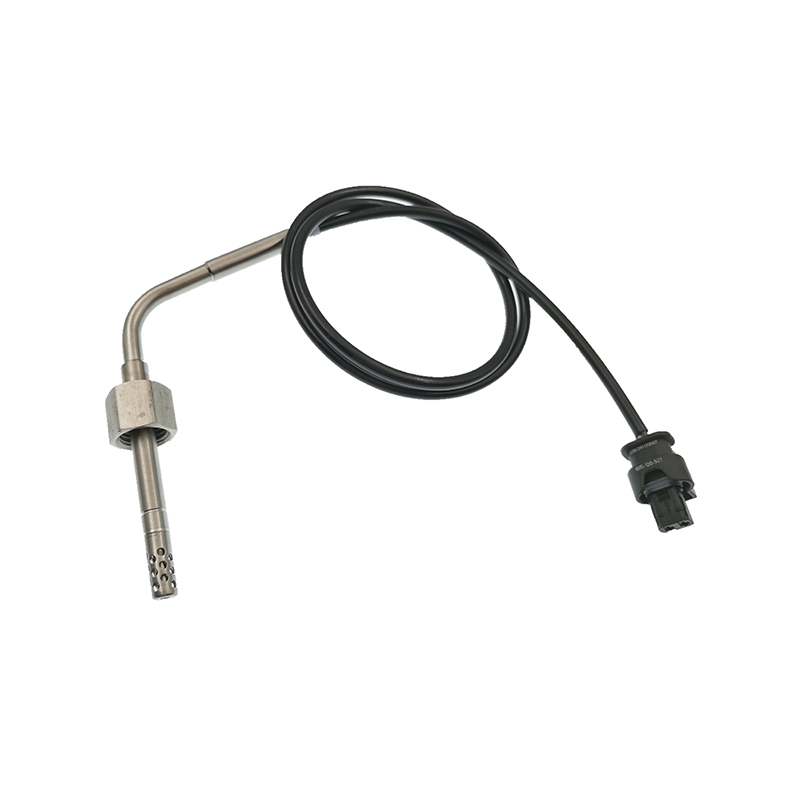
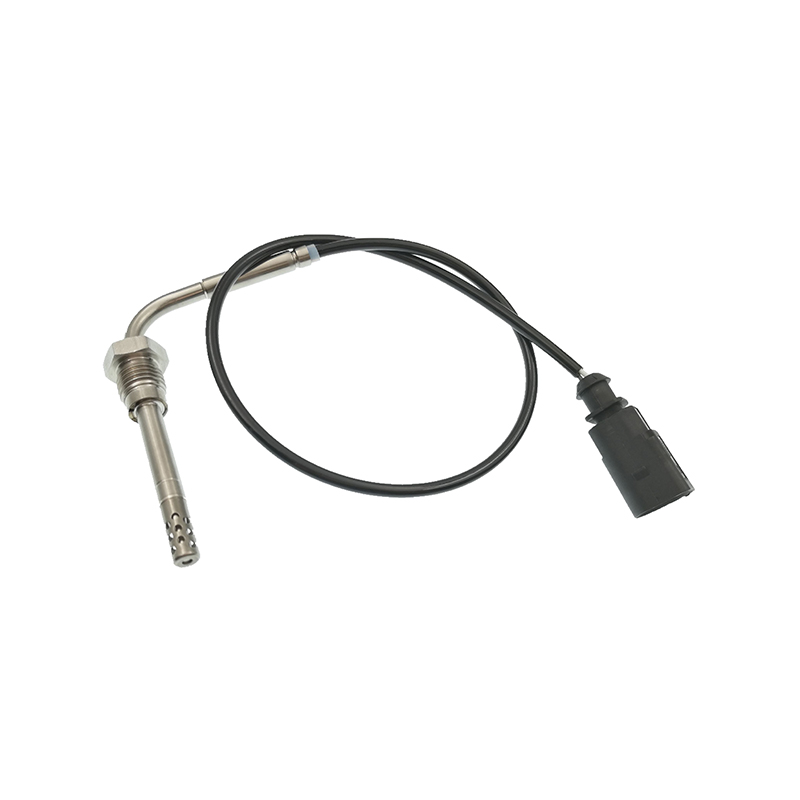
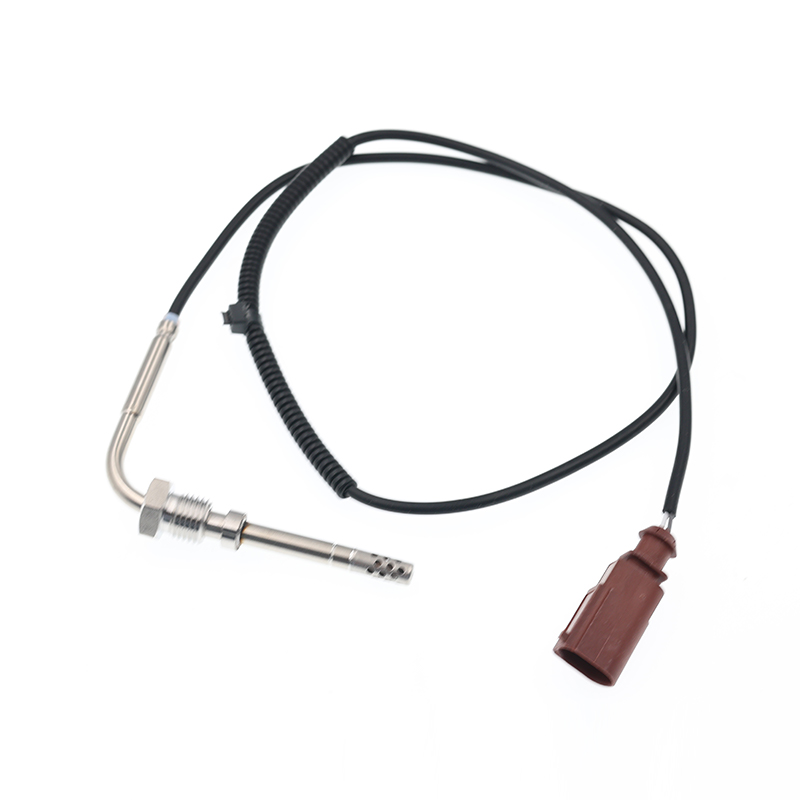
AUDIQ7 (4L) (2006/03 - 2015/08)VWTOUAREG (7LA, 7L6, 7L7) (2002/10 - 2010/05)
See Details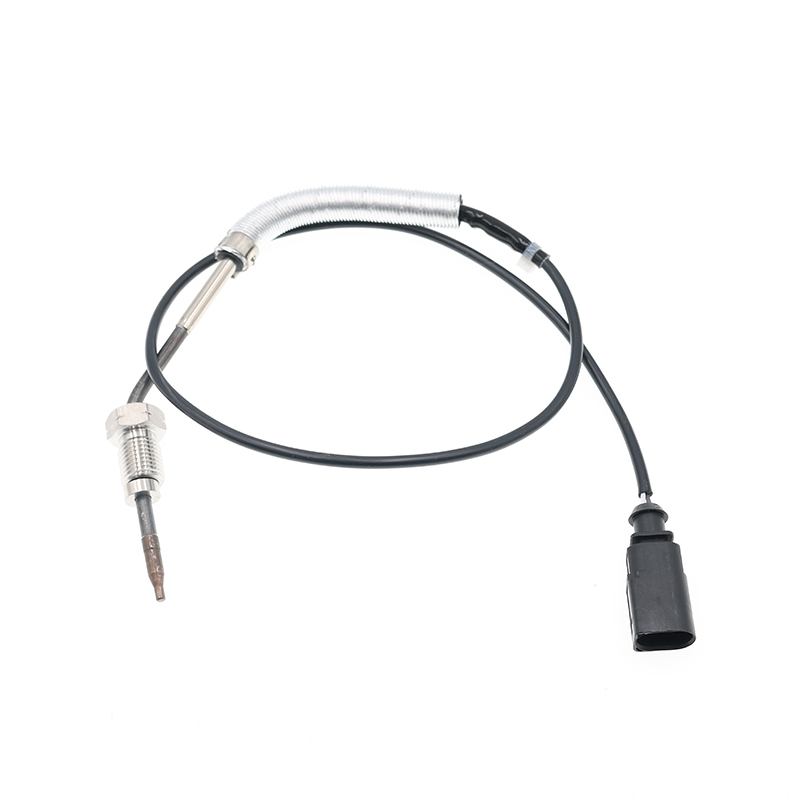
AUDIA3 (8P1) (2003/05 - 2012/08)AUDIA3 Sportback (8PA) (2004/09 - 2013/03)AUDIA4 (8EC, B7) (2004/11 ...
See Details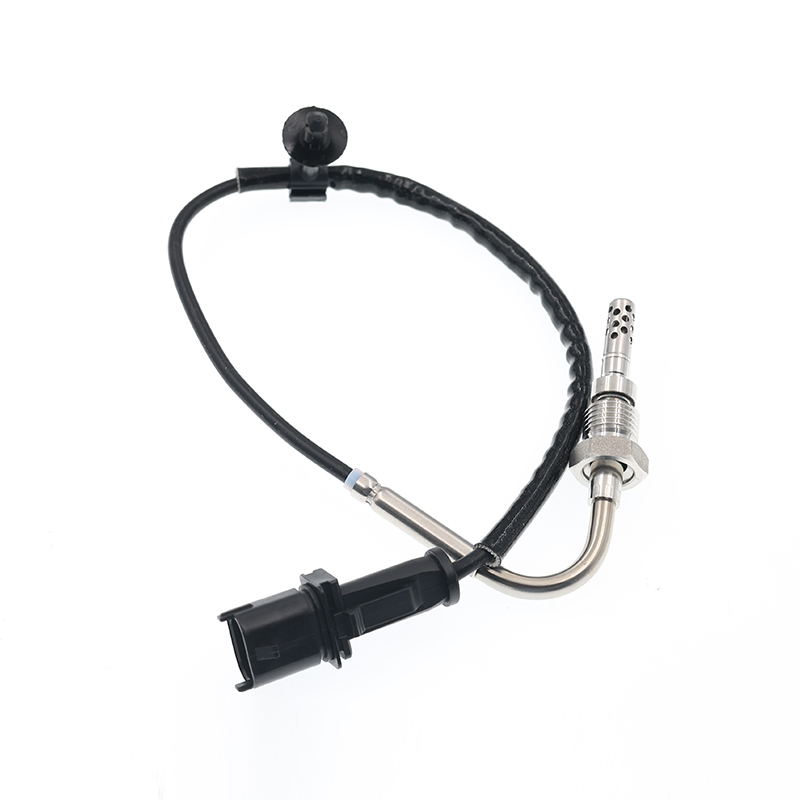
OPEL ASTRA J (2009/12 - /) OPEL ASTRA J Sports Tourer (2010/10 - /) OPEL ASTRA GTC J ...
See Details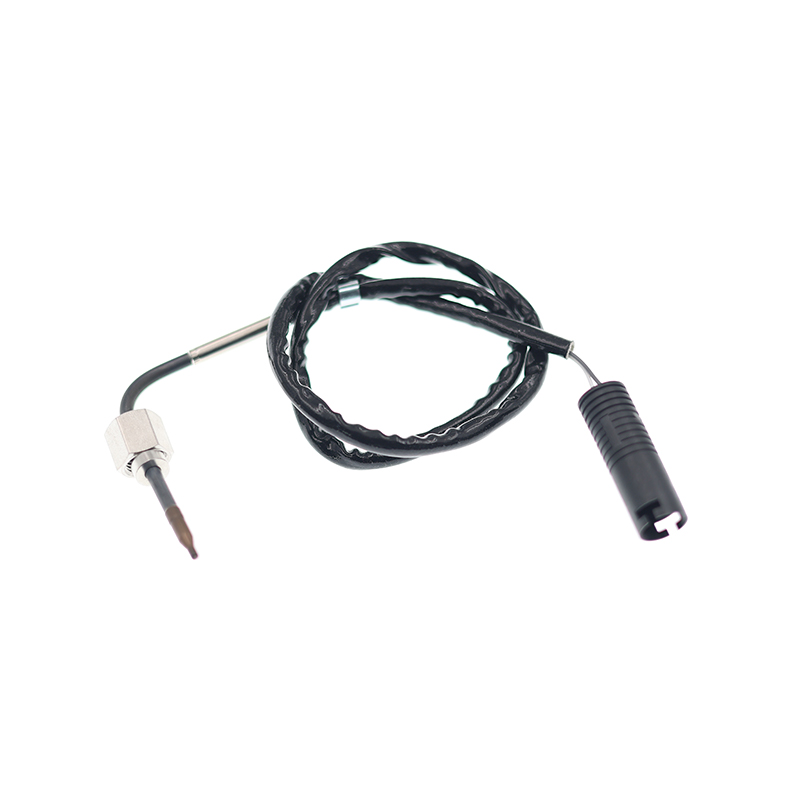
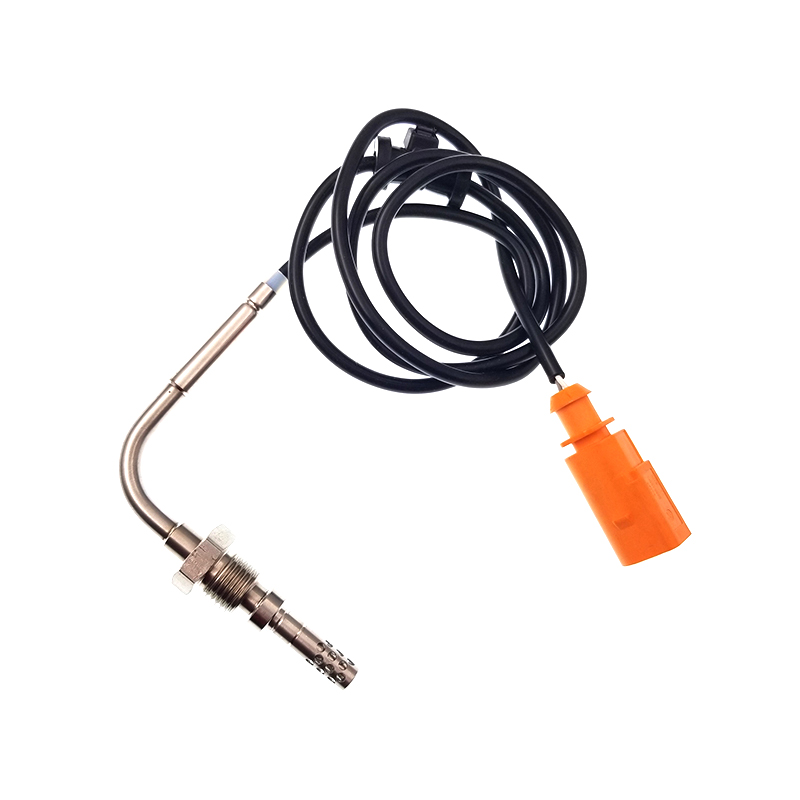
VWJETTA III (1K2) (2005/08 - 2010/10) VWGOLF VI (5K1) (2008/10 - 2013/11) VWGOLF VI Varia...
See Details
ADD: No.85 Jiuyuan Road, Economic Development Zone, Gaoyou city ,Yangzhou city ,225600 Jiangsu Province, China.
Copyright © Sook High Tech (Jiangsu) Co., Ltd. All Rights Reserved. OEM/ODM Automotive Sensor Manufacturers

