
 English
 Español
 Français
 简体中文
简体中文ADD: No.85 Jiuyuan Road, Economic Development Zone, Gaoyou city ,Yangzhou city ,225600 Jiangsu Province, China.
MERCEDES-BENZC-CLASS (W203) (2000/05 - 2007/08)MERCEDES-BENZC-CLASS Coupe (CL203) (2001/03 - 2011/06...
See DetailsContent
A sensor is a device that detects a physical condition or property—such as temperature, pressure, vibration, or light—and converts it into an electrical signal that can be measured, recorded, or used to trigger an action. Sensors serve as the critical interface between the physical world and digital monitoring systems .
The fundamental purpose of sensors is to provide continuous visibility into equipment and environmental conditions. Unlike manual inspections that capture only a snapshot, sensors deliver real-time data streams that enable predictive maintenance, automated control, and data-driven decision-making across industrial, commercial, and consumer applications.
All sensors operate on the principle of transduction—converting one form of energy into another. In industrial sensors, this typically means converting a physical parameter into an electrical signal through specific mechanisms:
A thin metallic or semiconductor element bonds to a diaphragm. When pressure or force deforms the diaphragm, the strain gauge changes resistance. This resistance change is measured using a Wheatstone bridge circuit and converted to a voltage or current output proportional to the applied force .
Capacitive sensors use a diaphragm or sensing face as one plate of a capacitor. When pressure deflects the diaphragm or an object approaches the sensing face, the capacitance changes. An internal oscillator detects this change and triggers the output signal .
Inductive proximity sensors contain an oscillating coil generating an alternating magnetic field. When a metal object enters this field, it induces eddy currents that reduce oscillation amplitude, triggering the output .
| Sensor Type | What It Measures | Key Applications |
|---|---|---|
| Pressure Sensor | Gauge, absolute, or differential pressure | Hydraulic systems, compressed air, process pipelines |
| Temperature Sensor | Surface or ambient temperature | Bearings, motors, electrical panels, heat exchangers |
| Vibration Sensor | Acceleration, velocity, displacement | Rotating machinery: motors, pumps, compressors, gearboxes |
| Flow Sensor | Fluid or gas flow rate/volume | Cooling water, lubricant circuits, compressed air |
| Proximity Sensor | Object presence or position | Machine guarding, conveyor position, valve status |
| Current/Power Sensor | Electrical current draw, power factor | Electric motors, drives, compressors, energy management |
Industrial pressure sensors specifically monitor gas, liquid, or steam pressure inside pipes and tanks to ensure optimal operating ranges and prevent equipment failures. They are widely deployed in oil and gas, pharmaceuticals, and automotive manufacturing .
Industrial pressure sensors measure the force exerted by a liquid or gas on a defined surface area and convert it into an electrical signal proportional to the applied pressure. These are among the most widely used instrument types in industrial facilities .
Proximity sensors detect the presence or absence of objects without physical contact. They are fundamental to industrial automation for triggering conveyor stops, detecting part position, and providing safety interlocks .
Inductive sensors detect metallic objects using electromagnetic induction. An oscillating coil generates an alternating magnetic field; when metal enters this field, eddy currents reduce oscillation amplitude, triggering output. Key characteristics include:
Capacitive proximity sensors detect any material with a dielectric constant different from air. The sensor face forms one plate of a capacitor; the target forms the other. When an object approaches, capacitance changes trigger the output .
Flow sensors measure the rate or volume of fluid (liquid or gas) moving through pipes or systems. They convert fluid movement into electrical signals for monitoring and control .
| Sensor Type | Operating Principle | Best For |
|---|---|---|
| Ultrasonic | Transit-time or Doppler sound wave measurement | Clean or slightly dirty liquids; non-invasive clamp-on options |
| Electromagnetic | Voltage induced by conductive fluid in magnetic field | Conductive liquids (water, slurries, acids) |
| Coriolis | Mass flow via Coriolis force on vibrating tube | High-accuracy mass flow and density measurement |
| Turbine | Rotor speed proportional to flow velocity | Clean, low-viscosity liquids and gases at steady flow rates |
| Vortex | Frequency of vortex shedding downstream of bluff body | Steam, liquids, and gases across wide flow range |
| Thermal Mass | Heat transfer rate proportional to mass flow | Gases (compressed air, natural gas, nitrogen) |
For maintenance teams, flow sensors serve as diagnostic tools. A drop in cooling water flow can indicate a blocked strainer or failing pump; reduced lubricant flow signals potential bearing damage before it occurs .
Limit switches are electromechanical devices that detect the presence or absence of an object and provide position feedback to control systems. They are commonly used to confirm end positions—"valve fully open" or "valve fully closed" .
When an actuator rotates a valve stem, the cam inside the limit switch box rotates synchronously. Once the valve reaches its fully open or closed position, the cam actuates a micro switch, sending an electrical signal back to the control system. This ensures operators always know the exact valve position, preventing guesswork and ensuring safe operation .
Force sensors measure mechanical force and convert it into electrical signals. The most common technology is the strain gauge, where deformation of a sensing element changes electrical resistance proportionally to the applied force.
When force is applied to a load cell or force sensor, the internal sensing element (typically a metal beam or diaphragm) deforms slightly. Strain gauges bonded to this element stretch or compress, changing their resistance. A Wheatstone bridge circuit detects these minute resistance changes and outputs a voltage signal proportional to the applied force.
Modern sensors increasingly utilize integrated circuit (IC) and Micro-Electro-Mechanical Systems (MEMS) technology. These sensors combine mechanical sensing elements with signal conditioning electronics on a single silicon chip.
MEMS pressure sensors, for example, fabricate four resistors on a silicon substrate forming a Wheatstone bridge directly on the chip. When pressure bends the silicon diaphragm, resistance changes produce an output voltage. This integration enables smaller size, lower cost, higher reliability, and better performance compared to traditional discrete sensor designs.
IoT sensors add wireless communication capabilities to traditional sensing, allowing data transmission to cloud or edge platforms without dedicated cabling. This enables deployment on remote assets and supports real-time monitoring at scale .
IoT sensors enable smart irrigation systems that monitor soil moisture and weather conditions to optimize water usage. In supply chain management, sensors attached to containers track location via GPS, monitor environmental conditions (temperature, humidity, light), and provide accurate ETA calculations . Fleet tracking systems using IoT sensors have demonstrated 6-10% monthly fuel cost savings through route optimization.
The output signal type determines how sensors connect to control and monitoring systems. Selecting the appropriate output is critical for successful integration .
| Output Type | Description | Common Use |
|---|---|---|
| 4-20mA Analog | Current loop signal; 4mA = minimum, 20mA = full range | Process instrumentation; long cable runs; noise-resistant |
| 0-10V Analog | Voltage proportional to measured value | HVAC, building automation, simple process monitoring |
| Digital (On/Off) | Binary output triggered by threshold | Limit switches, proximity sensors, alarm contacts |
| Modbus/Profibus/OPC-UA | Industrial digital bus protocols | Automation systems, PLCs, SCADA integration |
| Wireless (BLE, LoRaWAN, Wi-Fi) | No wiring required; data transmitted to gateway/cloud | IIoT condition monitoring; retrofit installations |
A transducer converts one form of energy into another. A sensor is a specific type of transducer that converts a physical condition into an electrical signal. All sensors are transducers, but not all transducers are sensors .
Pressure sensors operate by detecting force exerted on a sensing element (typically a diaphragm), which deforms proportionally to applied pressure. This deformation is converted to an electrical signal using strain gauges, capacitive plates, or piezoelectric materials .
Sensors provide continuous visibility into equipment condition between inspections. They capture data streams that enable predictive maintenance—detecting bearing faults weeks before failure, identifying heat exchanger fouling through temperature trends, and spotting hydraulic pump wear through pressure changes .
Force sensors typically use strain gauge technology. When force deforms a sensing element, bonded strain gauges change resistance. A Wheatstone bridge circuit measures this resistance change and outputs a voltage signal proportional to the applied force.
The main types include ultrasonic (transit-time or Doppler), electromagnetic (for conductive liquids), Coriolis (direct mass flow), turbine (rotor speed), vortex (frequency of vortex shedding), differential pressure (pressure drop across restriction), and thermal mass (for gases) .
Water has a very high dielectric constant (~80 vs air ~1). Condensation on the sensor face or target effectively brings highly dielectric material close to the sensing face, easily triggering the sensor. Solutions include conformal-coated sensors, protective caps, or reduced sensitivity settings .
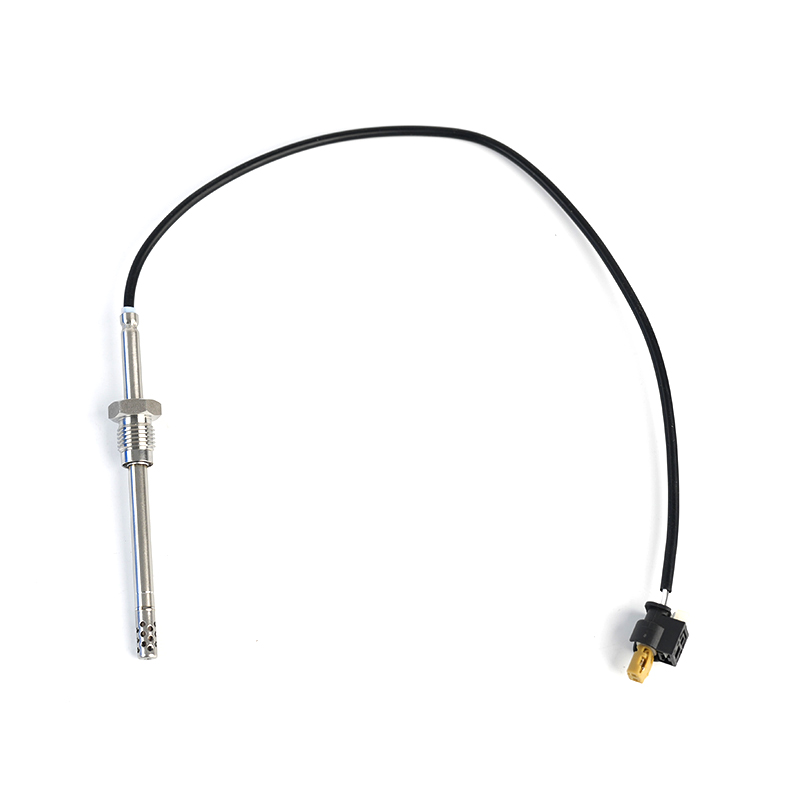
MERCEDES-BENZC-CLASS (W203) (2000/05 - 2007/08)MERCEDES-BENZC-CLASS Coupe (CL203) (2001/03 - 2011/06...
See Details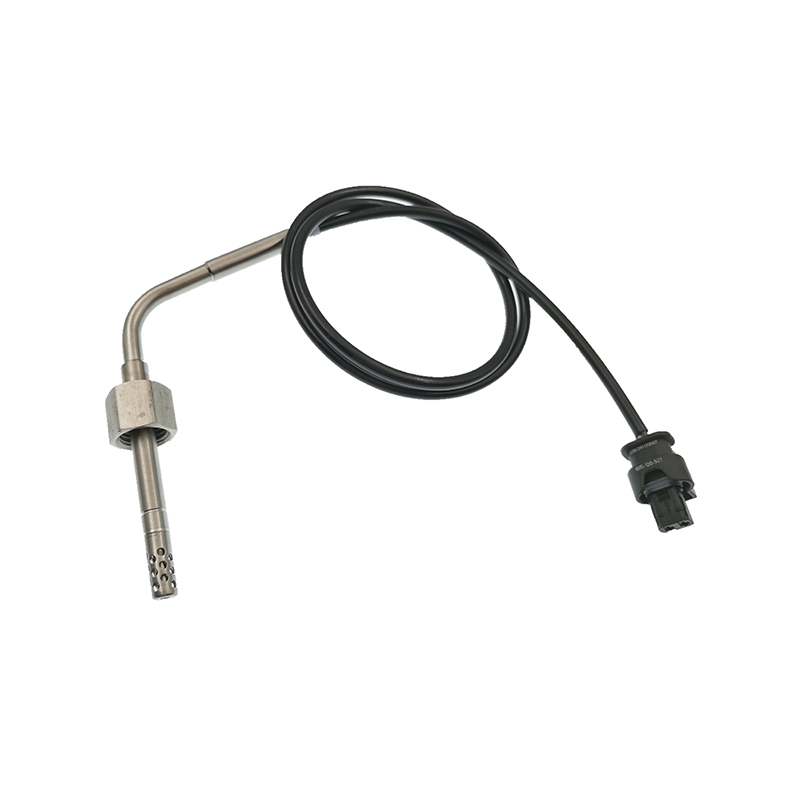
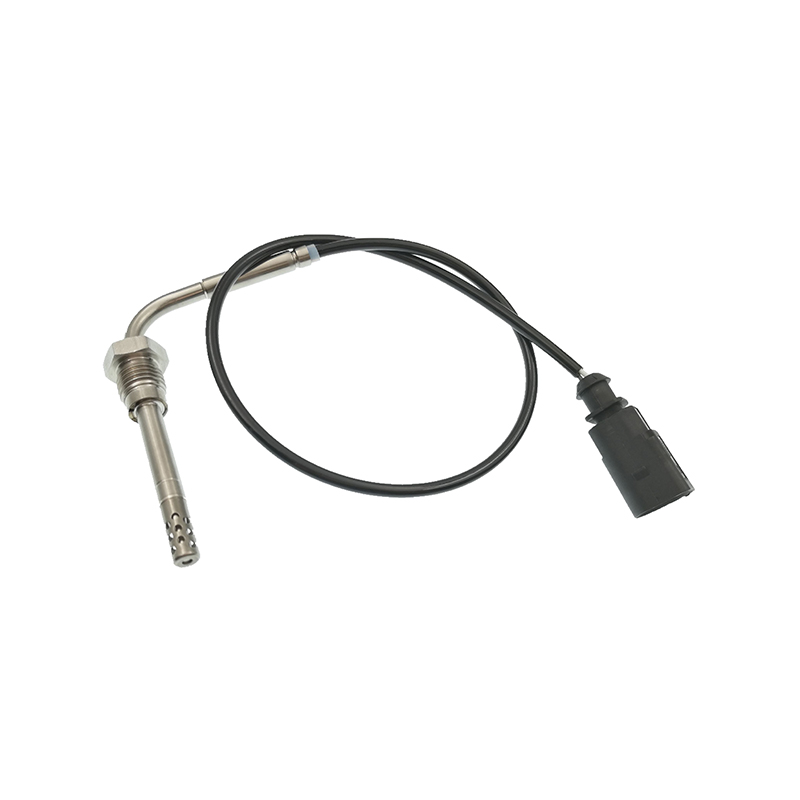
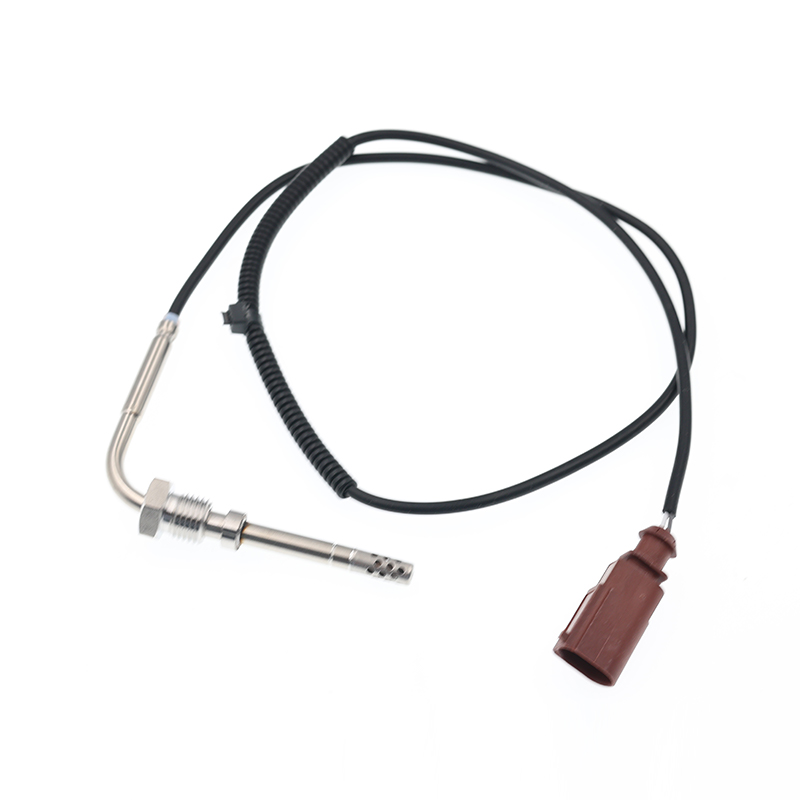
AUDIQ7 (4L) (2006/03 - 2015/08)VWTOUAREG (7LA, 7L6, 7L7) (2002/10 - 2010/05)
See Details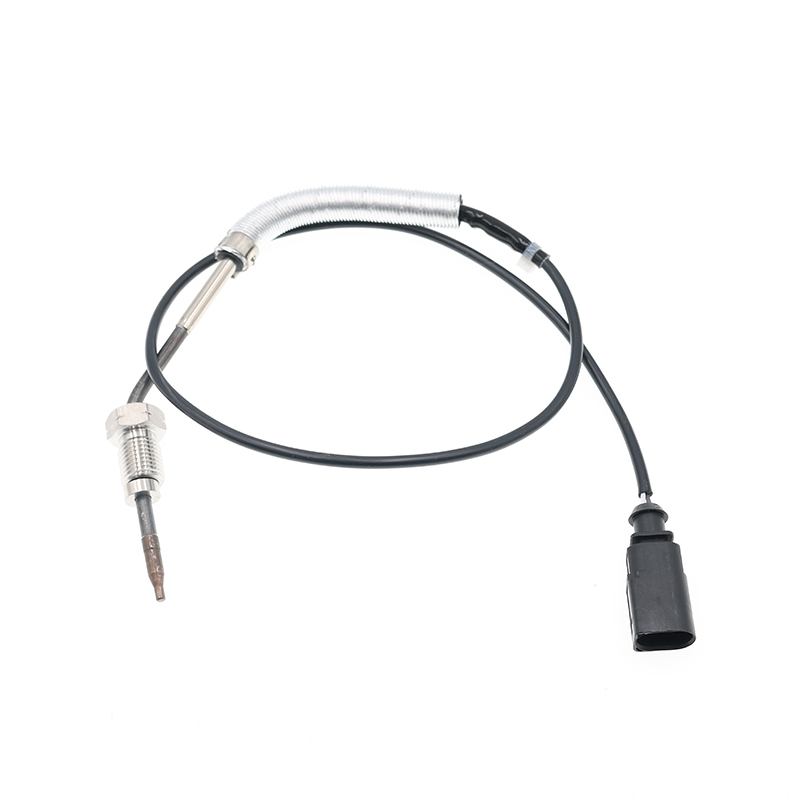
AUDIA3 (8P1) (2003/05 - 2012/08)AUDIA3 Sportback (8PA) (2004/09 - 2013/03)AUDIA4 (8EC, B7) (2004/11 ...
See Details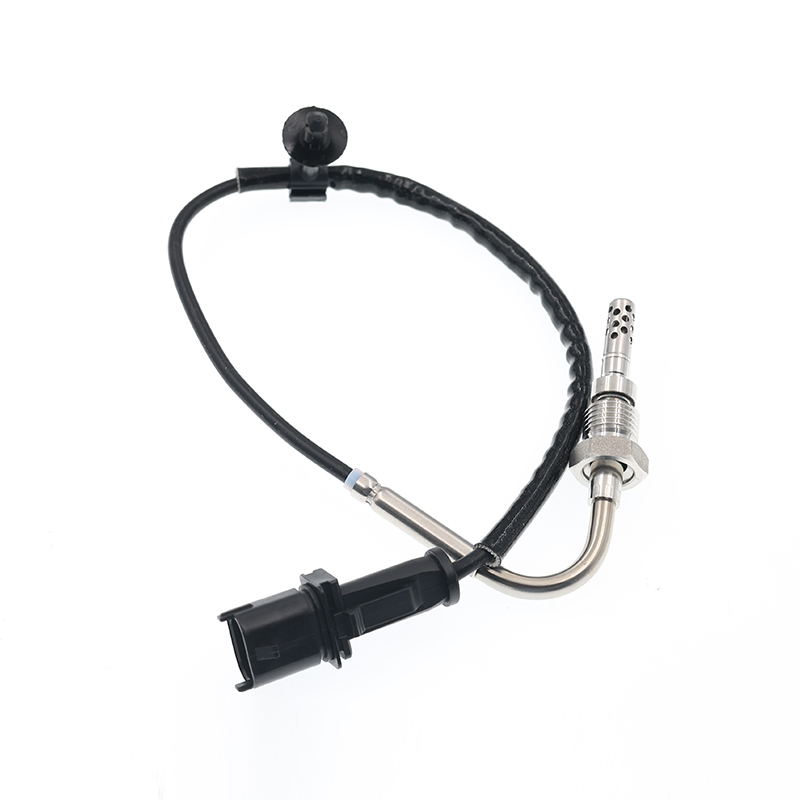
OPEL ASTRA J (2009/12 - /) OPEL ASTRA J Sports Tourer (2010/10 - /) OPEL ASTRA GTC J ...
See Details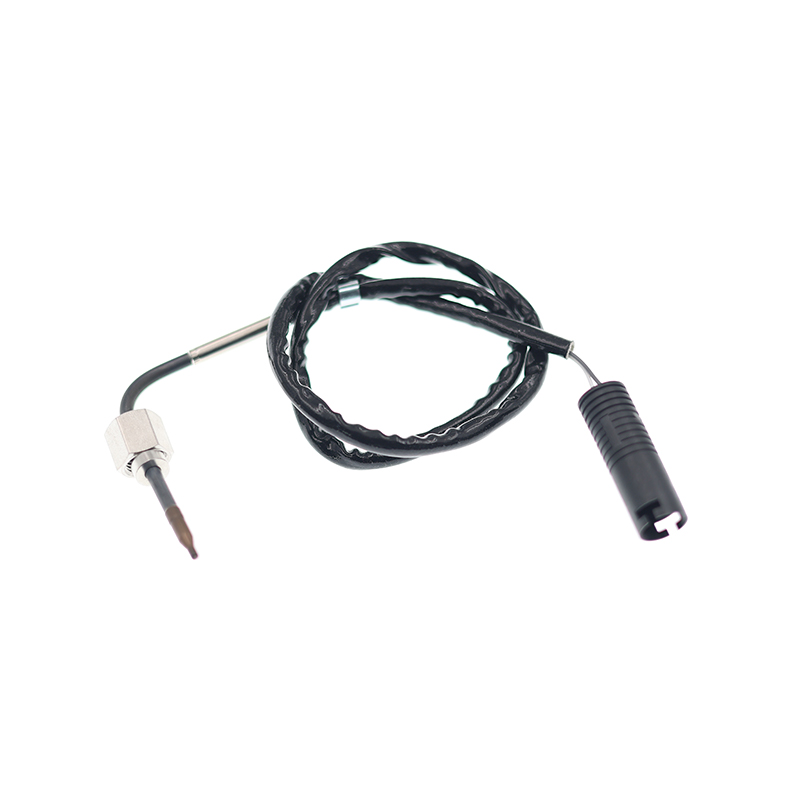
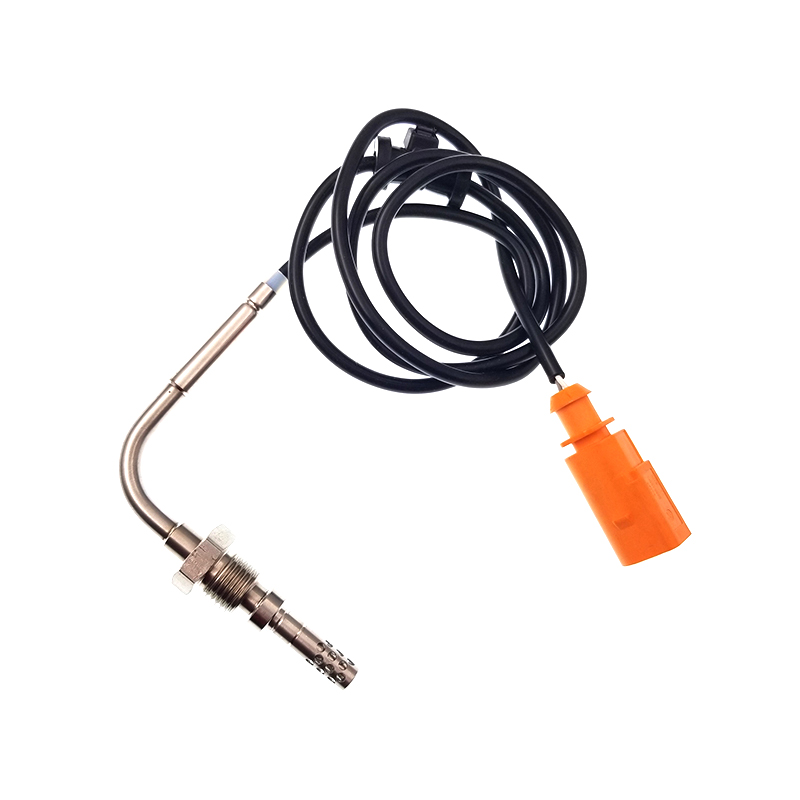
VWJETTA III (1K2) (2005/08 - 2010/10) VWGOLF VI (5K1) (2008/10 - 2013/11) VWGOLF VI Varia...
See Details
ADD: No.85 Jiuyuan Road, Economic Development Zone, Gaoyou city ,Yangzhou city ,225600 Jiangsu Province, China.
Copyright © Sook High Tech (Jiangsu) Co., Ltd. All Rights Reserved. OEM/ODM Automotive Sensor Manufacturers

