
 English
 Español
 Français
 简体中文
简体中文ADD: No.85 Jiuyuan Road, Economic Development Zone, Gaoyou city ,Yangzhou city ,225600 Jiangsu Province, China.
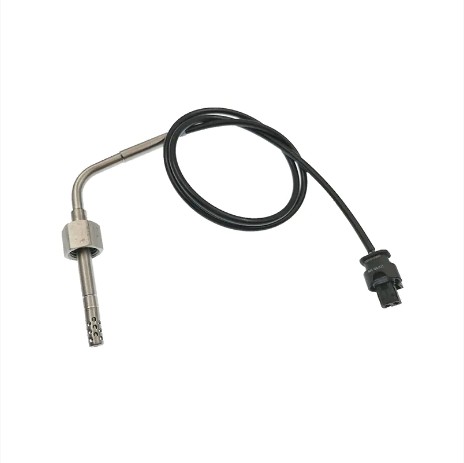
MERCEDES-BENZC-CLASS (W203) (2000/05 - 2007/08)MERCEDES-BENZC-CLASS Coupe (CL203) (2001/03 - 2011/06...
See DetailsContent
When selecting industrial or residential heating solutions, the choice between Armored Heaters, Electric Heating Films, and Heater Fans depends on your specific application, environment, and performance requirements. In short: Armored Heaters excel in harsh industrial environments; Electric Heating Films offer uniform, energy-efficient surface heating; and Heater Fans are best for rapid air-based space heating. Here's a detailed breakdown of each.
The three technologies rely on fundamentally different physics to transfer heat:
Heat is generated inside a metal tube (typically stainless steel or copper) and conducts outward through the tube wall. This makes them ideal for directly heating pipes, containers, and metal components, where surface contact ensures efficient energy transfer.
Conductive ink printed on polyester or polyimide substrates generates heat that is emitted primarily as far-infrared radiation. This technology enables smooth, even surface heating without hot spots, making it a go-to choice for underfloor heating and wall panel systems.
An internal heating element (metal wire or electric tube) heats the air, while a fan circulates it toward the target zone. Heat transfer depends entirely on airflow, so the moment the fan stops, heating stops—there is no residual warmth in the medium itself.
Safety profiles differ significantly across the three technologies:
| Feature | Armored Heater | Electric Heating Film | Heater Fan |
|---|---|---|---|
| Structural Robustness | High (bending & compression-resistant) | Flexible, thin (~0.3 mm) | Bulky, rigid enclosure |
| Harsh Industrial Use | Excellent (petrochemical, aerospace) | Limited (not for high-pressure or corrosive media) | Poor |
| Surface Adaptability | Moderate (bendable tube) | Excellent (adheres to curved or flat surfaces) | None |
| Space Requirement | Moderate | Minimal | Large |
| Maintenance Needs | Minimal | Minimal | Regular (dust, motor wear) |
Electric Heating Films stand out for their ability to conform to glass curtain walls, interior partitions, and curved panels — surfaces where rigid heaters cannot follow the geometry. At only ~0.3 mm thick, they add virtually no bulk to an installation.
Long-term operating cost depends heavily on efficiency and longevity:
High energy efficiency due to direct conductive contact with the target medium. Service life typically exceeds 10 years, making them a low-TCO (Total Cost of Ownership) option for long-running industrial processes such as pipeline tracing and reactor heating.
Among the three, Electric Heating Films deliver the highest radiation efficiency — nearly all electrical energy converts to usable infrared heat with minimal loss. Service life is also 10 years or longer under normal conditions, and the absence of moving parts means there are no mechanical failure modes.
Despite rapid warm-up times, Heater Fans have the lowest overall energy efficiency of the three: the motor consumes additional power, and convective heat dissipates quickly once the fan stops. Service life is constrained by motor and bearing wear, typically requiring replacement or overhaul well before the 10-year mark. They are best suited to short-duration, targeted air-heating tasks rather than continuous industrial processes.
Use the following guidance to select the right technology for your application:
No single technology is universally superior — the optimal choice depends on your heat transfer mode requirements, operating environment severity, installation geometry, and total lifecycle cost expectations.
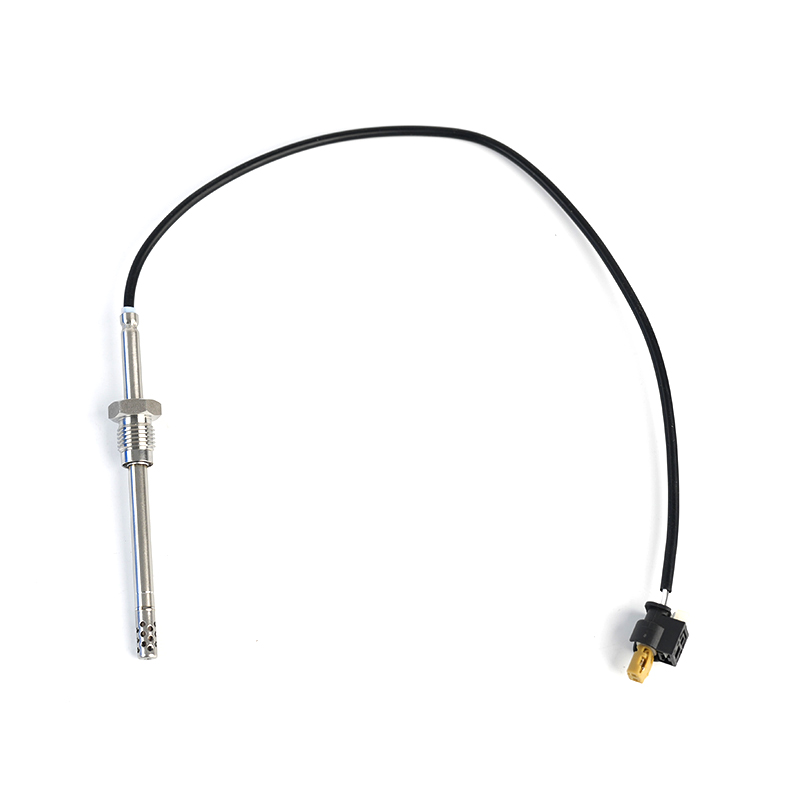
MERCEDES-BENZC-CLASS (W203) (2000/05 - 2007/08)MERCEDES-BENZC-CLASS Coupe (CL203) (2001/03 - 2011/06...
See Details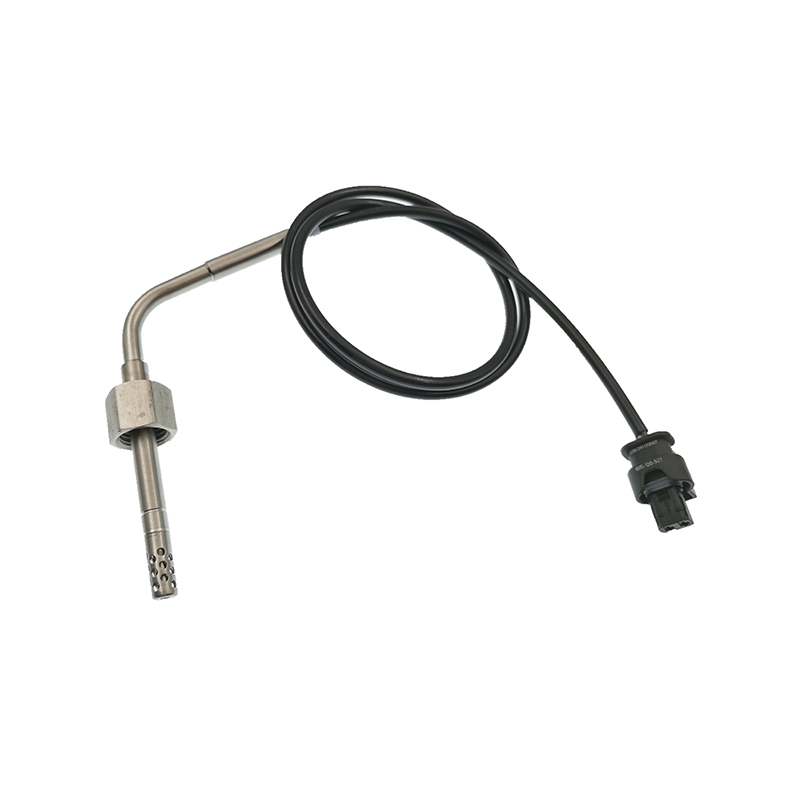
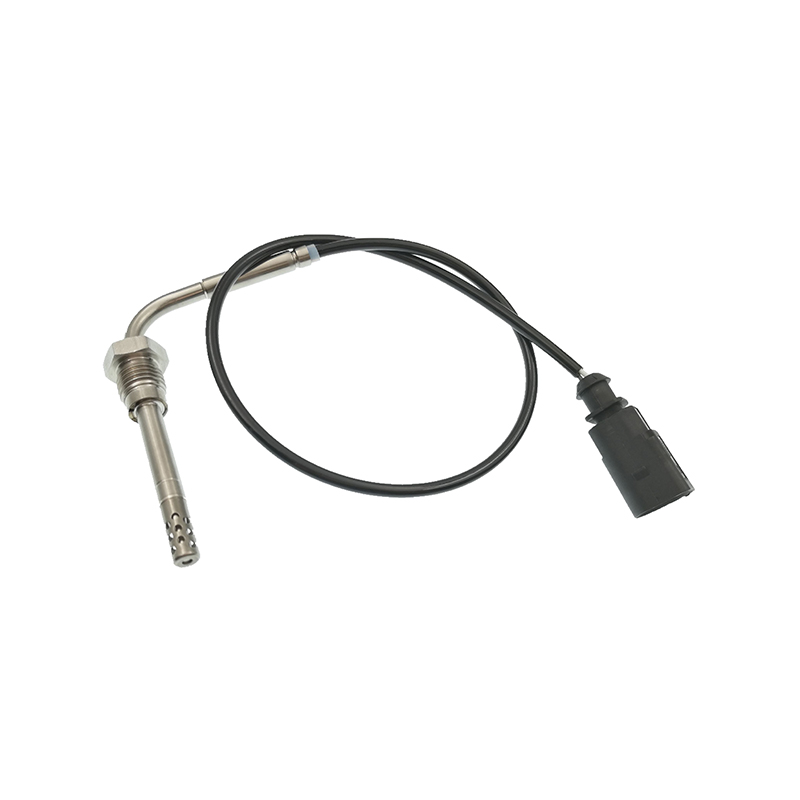
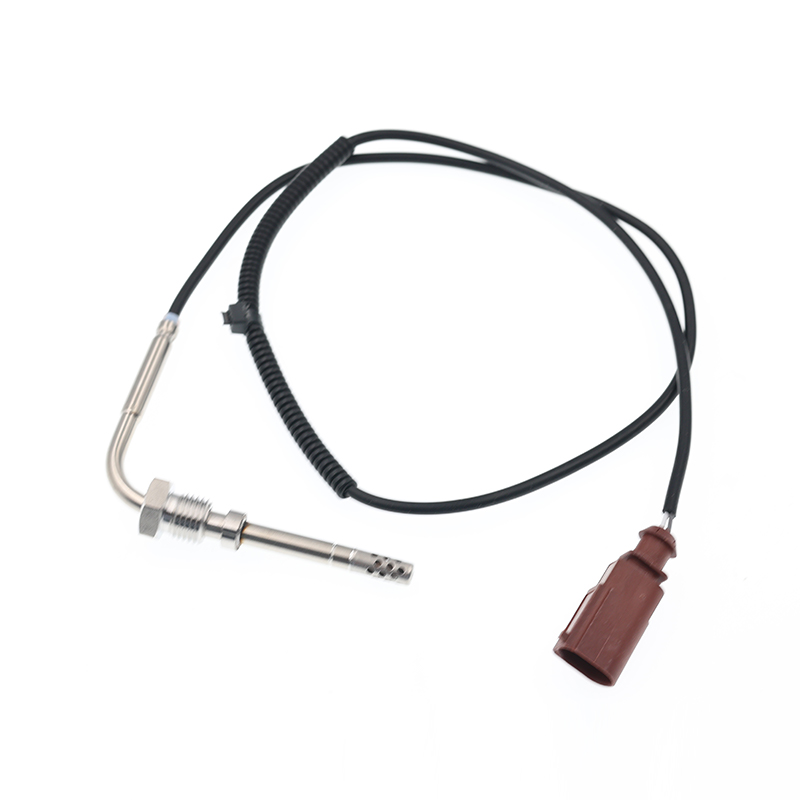
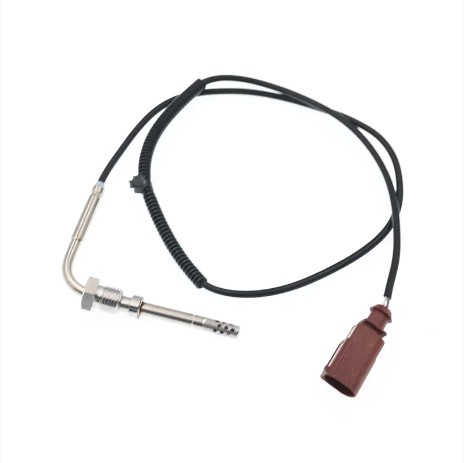
AUDIQ7 (4L) (2006/03 - 2015/08)VWTOUAREG (7LA, 7L6, 7L7) (2002/10 - 2010/05)
See Details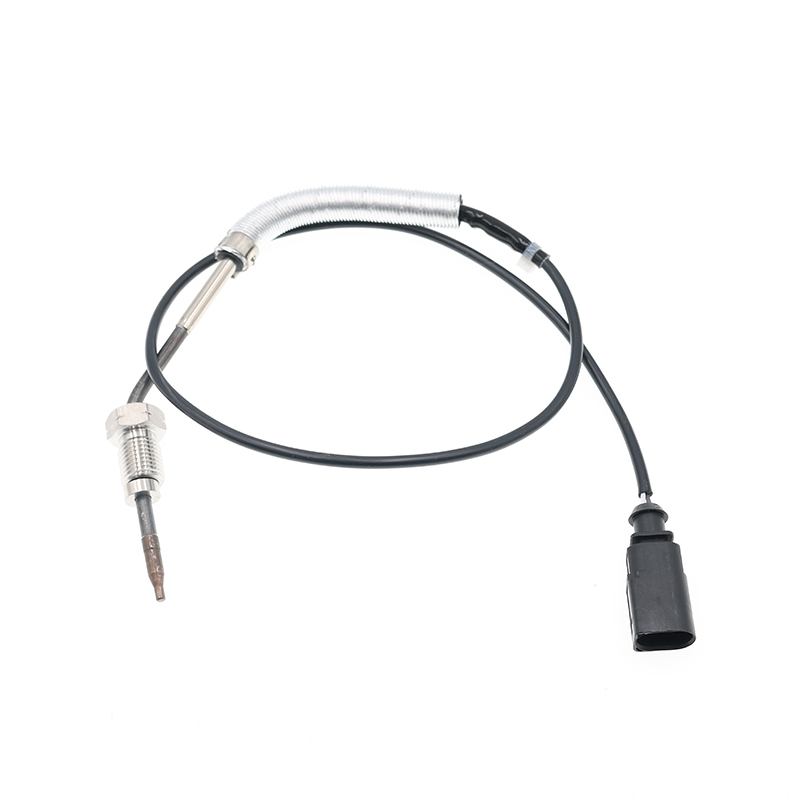
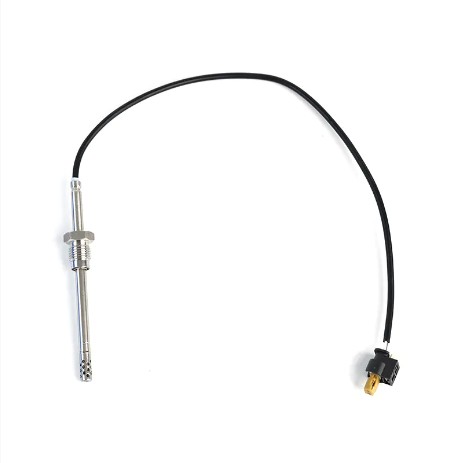
AUDIA3 (8P1) (2003/05 - 2012/08)AUDIA3 Sportback (8PA) (2004/09 - 2013/03)AUDIA4 (8EC, B7) (2004/11 ...
See Details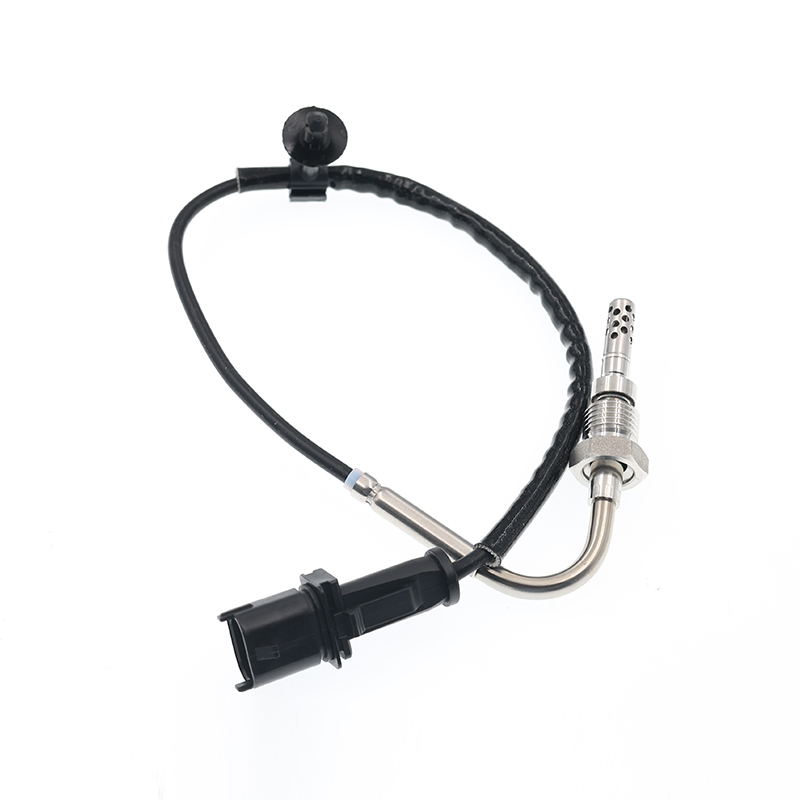
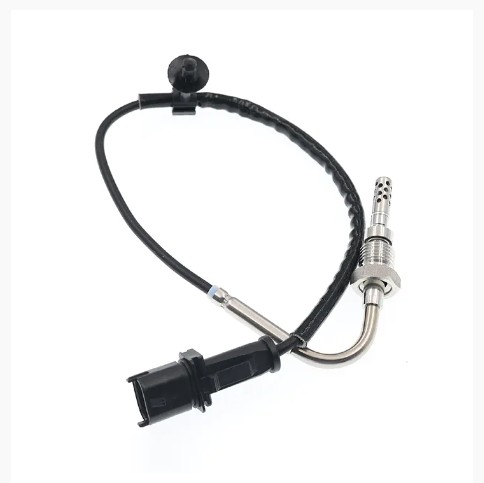
OPEL ASTRA J (2009/12 - /) OPEL ASTRA J Sports Tourer (2010/10 - /) OPEL ASTRA GTC J ...
See Details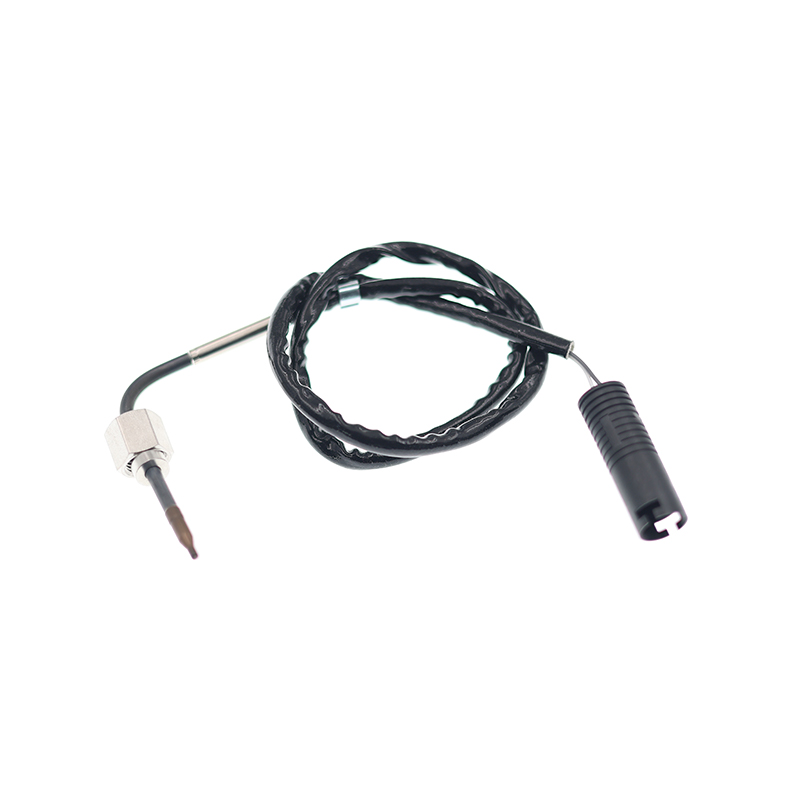
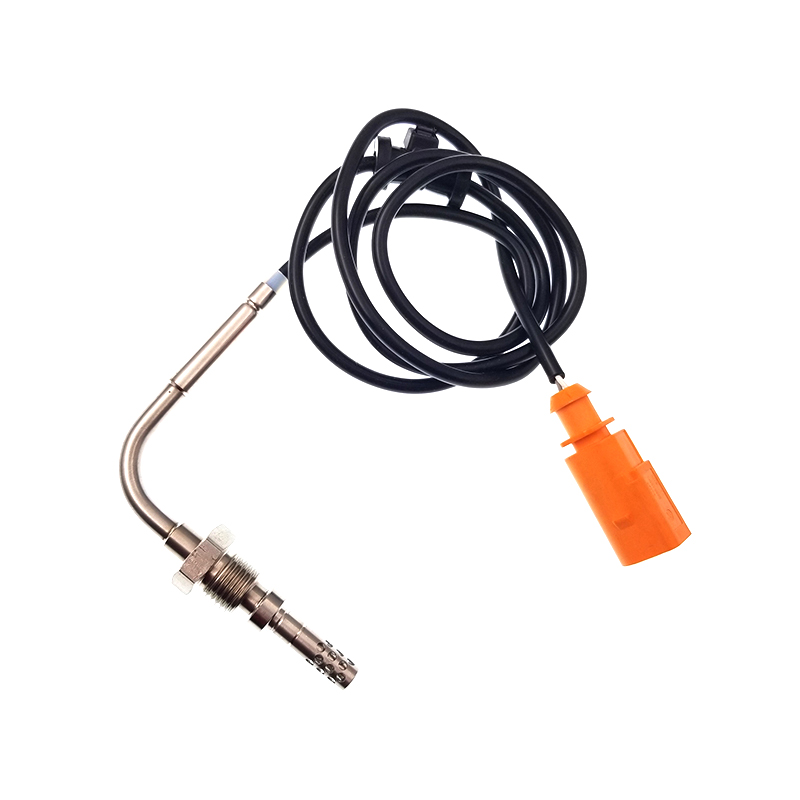
VWJETTA III (1K2) (2005/08 - 2010/10) VWGOLF VI (5K1) (2008/10 - 2013/11) VWGOLF VI Varia...
See Details
ADD: No.85 Jiuyuan Road, Economic Development Zone, Gaoyou city ,Yangzhou city ,225600 Jiangsu Province, China.
Copyright © Sook High Tech (Jiangsu) Co., Ltd. All Rights Reserved. OEM/ODM Automotive Sensor Manufacturers

