
 English
 Español
 Français
 简体中文
简体中文ADD: No.85 Jiuyuan Road, Economic Development Zone, Gaoyou city ,Yangzhou city ,225600 Jiangsu Province, China.
MERCEDES-BENZC-CLASS (W203) (2000/05 - 2007/08)MERCEDES-BENZC-CLASS Coupe (CL203) (2001/03 - 2011/06...
See DetailsContent
A maintenance engineer recently compared two quotes for what looked like the same PT100 temperature probe. One supplier asked exactly one third of the other's price, and both datasheets read PT100, Class B. Six months later, the inexpensive probe was measuring about four degrees too high and still drifting. The other probe sat comfortably inside its tolerance band.
The difference was not the label. It was the type of RTD: the element construction, wiring configuration, and manufacturing quality behind the same nominal specification.
An RTD, or resistance temperature detector, measures temperature through the predictable change in electrical resistance of a metal element. The types of resistance temperature detectors are best understood along four axes: element material, element construction, nominal resistance, and wiring configuration. Each axis changes cost, accuracy, stability, and the applications the sensor can handle. This guide walks through those types in the order you meet them on a datasheet, then compares RTDs with thermocouples and NTC thermistors so the final selection is anchored in real operating conditions.
Temperature loop errors usually trace back to the sensor, not the transmitter or controller. The sensor is the only part of the loop exposed to vibration, heat, moisture, and electrical noise, and each RTD type responds to those conditions differently.
A thin-film element survives vibration and reacts quickly but can drift under sustained high temperatures. A wire-wound element is stable in a laboratory yet vulnerable on a vibrating machine. A nickel element saves cost only inside a modest temperature band. A 2-wire PT100 on a long cable run accumulates lead resistance error that a 3-wire or 4-wire connection removes cleanly. None of these differences appear in the model number; they appear in construction and connection. Knowing the types is what lets you avoid the failure mode your installation is exposed to.
Platinum is the dominant RTD material. It is chemically inert, electrically stable, highly repeatable, and usable from roughly -200°C to 850°C. IEC 60751 defines the platinum resistance curve and its tolerance classes, so a PT100 from a reputable manufacturer is interchangeable with one from another. When a datasheet says PT100 or PT1000, the element is platinum.
Nickel offers about 60 percent more temperature sensitivity than platinum, but its resistance curve is markedly non-linear and the practical range stops near 300°C. Nickel RTDs were common in HVAC and older industrial equipment; today they survive mostly in legacy installations.
Copper has the most linear resistance-to-temperature relationship among common RTD materials. It is inexpensive, but copper oxidizes above roughly 150°C and has low resistivity, so reaching 100 ohms requires a long wire. Copper RTDs therefore fit motor winding and transformer monitoring, where temperature stays moderate.
Balco and tungsten elements exist in niche applications but are rare. The practical material decision almost always comes down to platinum versus nickel versus copper, and platinum wins the large majority of industrial and automotive specifications.
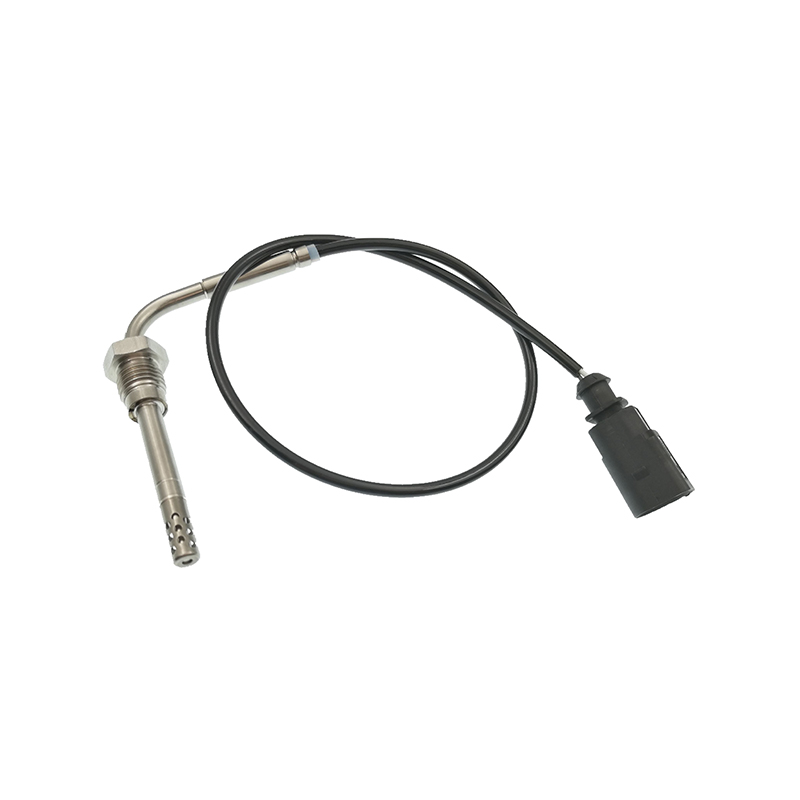
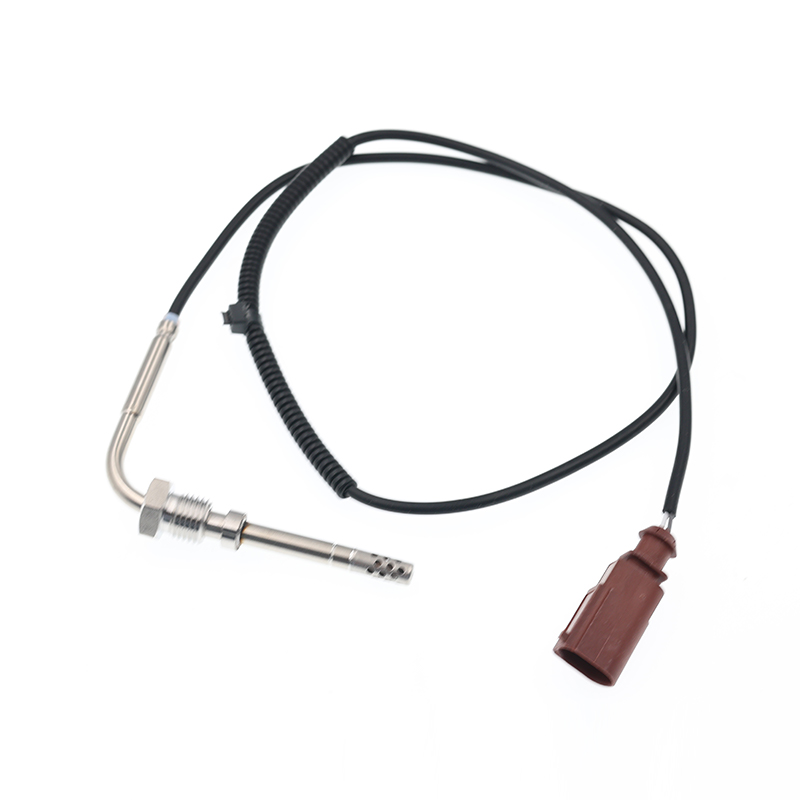
If you interpret resistance temperature detector in its broad sense, PTC thermistors also belong in the classification. A PTC element's resistance rises steeply with temperature, and that repeatable behavior suits simple temperature monitoring circuits, including exhaust gas temperature detection on modern diesel aftertreatment systems. SOOK High Tech manufactures PTC exhaust gas temperature sensors that match original-equipment reference numbers and offer a dependable drop-in option for vehicle repair and replacement.
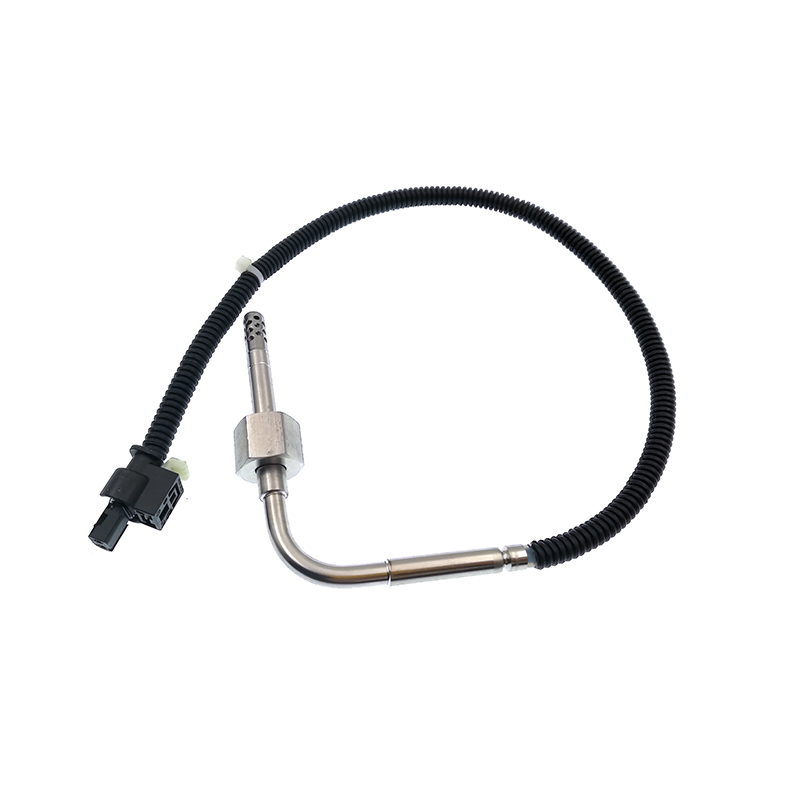 0009050632 , 7452407 PTC EGT Sensor Suppliers, Company - Sook High Tech (JiangsuSook High Tech Co., Ltd is top China wholesale 0009050632 , 7452407 PTC EGT Sensor suppliers and OEM/OEM company, Mercedes S Class W211 P...View Product →
| Material | Typical Range | Linearity | Relative Cost | Typical Applications |
|---|---|---|---|---|
| Platinum | -200 to +850°C | Good | High | Process control, laboratory, automotive |
| Nickel | -80 to +300°C | Moderate | Low | HVAC, legacy equipment |
| Copper | -50 to +150°C | Excellent | Low | Motor windings, transformers |
Element construction is where quality differences become visible, and where cheap sensors fail.
A wire-wound RTD wraps fine platinum wire around a ceramic or glass bobbin and seals it. This design delivers high purity, tight initial tolerance, and excellent long-term stability, which is why reference thermometers and calibration instruments use it. The trade-offs are mechanical fragility and slower response: the wire is restrained, and the thermal mass is relatively large.
A thin-film RTD deposits a thin platinum layer on a ceramic wafer and laser-trims it to the target resistance. The result is small, light, fast, and resistant to shock and vibration, which is why thin-film dominates automotive and industrial probes. The limitation is stability above roughly 400-500°C, where the film can drift.
A coiled element suspends a fine platinum spiral inside a ceramic tube, leaving the metal free to expand without mechanical strain. This makes coiled construction the most stable above 600°C. It is also the most expensive and the most shock-sensitive, and it is chosen for high-temperature process probes and metrology.
PT100 stands for 100 ohms at 0°C and changes by about 0.385 ohms per degree. It is the universal standard in process instrumentation, and it requires a 3-wire or 4-wire connection to keep lead resistance out of the measurement.
PT1000 stands for 1000 ohms at 0°C and changes by about 3.85 ohms per degree. Because the signal is ten times larger, lead resistance has far less influence, and a 2-wire connection becomes feasible over short runs. Lower sensor current also reduces self-heating. Automotive and HVAC systems favor PT1000 because sensors connect through long harnesses to electronic control units.
When replacing an existing sensor, match the nominal resistance of the original installation. When designing a new system, PT1000 simplifies wiring if your controller accepts it.
2-wire connections are the simplest and cheapest. The lead wires become part of the resistance measurement, so ten ohms of lead resistance on a PT100 reads about 25°C high at 0°C. Use 2-wire only for short leads and PT1000 elements.
3-wire connections let the measurement circuit compensate for lead resistance. This is the standard for industrial transmitters and the best balance of cost and accuracy in the field.
4-wire connections use two conductors for the sensing current and two for the voltage measurement, which eliminates lead resistance error completely. Calibration laboratories and precision systems use this method.
| Configuration | Lead Error Compensation | Relative Cost | Typical Application |
|---|---|---|---|
| 2-wire | None | Lowest | Short runs, PT1000 in HVAC and automotive |
| 3-wire | Partial | Medium | Industrial transmitters and process loops |
| 4-wire | Full | Highest | Calibration, laboratory, metrology |
IEC 60751 defines tolerance classes for platinum RTDs. Class B allows ±(0.30 + 0.005 × |t|)°C, about ±0.80°C at 100°C and ±2.30°C at 400°C. Class A permits ±(0.15 + 0.002 × |t|)°C, roughly half the error. Above those, 1/3 DIN and 1/10 DIN classes serve calibration hardware.
Initial accuracy and long-term stability are not the same thing. A Class A sensor with a poorly matched element construction can drift within months. That is why two PT100 Class B probes can perform so differently in service, and why construction and manufacturing quality deserve as much attention as the printed tolerance class.
A thermocouple generates a small voltage at the junction of two dissimilar metals. It measures far beyond the RTD ceiling, to 1000°C and higher, responds faster, and handles rough treatment. The trade-off is lower accuracy and the need for cold-junction compensation. For furnace exhaust, combustion, and processes above 600°C, thermocouples are the obvious choice. SOOK's industrial thermocouple temperature sensors cover that territory with standard probe designs for process and plant use.
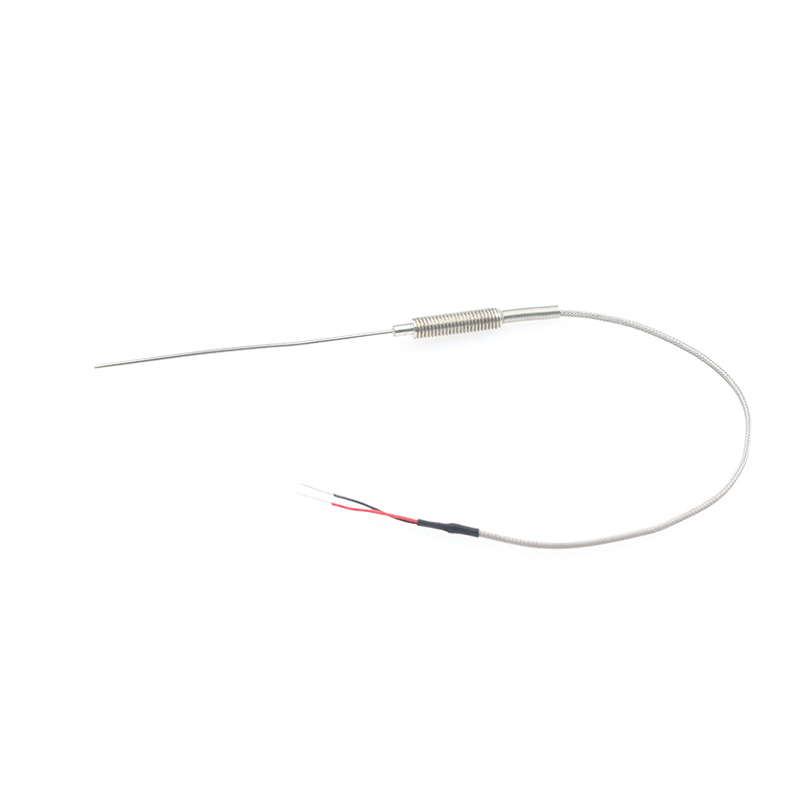 K-type Thermocouple Temperature Sensor Manufacturers, FactorySook High Tech Co., Ltd. is a China OEM/ODM k-type thermocouple temperature sensor manufacturers and custom factory, Provide one-stop cus...View Product →
An NTC thermistor's resistance decreases sharply as temperature rises. It delivers high sensitivity and fast response in a narrow band, typically -50°C to 300°C. The curve is highly non-linear, and NTC thermistors do not share a single interchangeability standard the way platinum RTDs do. That trade-off is worth accepting in automotive applications, where cost, package size, and response time matter more than wide-range precision. SOOK supplies NTC exhaust gas temperature sensors by original-equipment reference number for passenger and commercial vehicle aftermarket use.
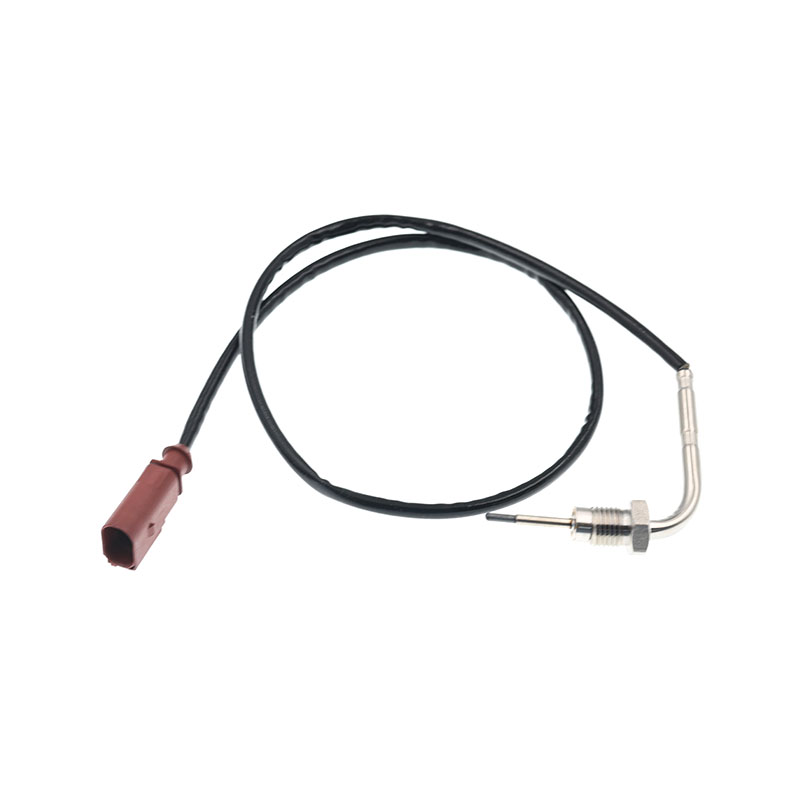 03L906088BH NTC EGT Sensor Suppliers, Company - Sook High Tech (Jiangsu) Co., LtSook High Tech Co., Ltd is top China wholesale 03L906088BH NTC EGT Sensor suppliers and OEM/OEM company, AUDI A3 (8P1), A3 Convertible (8...View Product →
| Property | Platinum RTD | Thermocouple | NTC Thermistor |
|---|---|---|---|
| Typical range | -200 to 850°C | -200 to 2000°C | -50 to 300°C |
| Accuracy | Highest | Moderate | Low to moderate |
| Long-term stability | Excellent | Fair | Fair |
| Response time | Slowest | Fast | Fast |
| Relative cost | High | Low to moderate | Low |
Once you know the types, selection becomes a matching exercise. Put these six items on paper before calling a supplier:
A thin-film PT100 with a 3-wire connection covers most industrial applications at the right price. A wire-wound element earns its cost where years of stability matter and vibration is absent. A PT1000 with a 2-wire connection solves long-harness automotive problems. A thermocouple is justified when the process exceeds 600°C.
Sensor type is only half the equation; manufacturing quality is the rest. Platinum purity, element trimming, packaging, welding, and calibration determine whether the probe holds tolerance in service. A manufacturer that controls these steps in-house is far more likely to deliver repeatable results across large orders.
SOOK High Tech has run its own sensor factories since 2015, with an annual capacity of about 600,000 sensors and temperature sensing lines covering automotive NTC, PTC, and thermocouple exhaust gas sensors as well as industrial thermocouple and thermistor products. The company holds quality management system certification and develops products from customer drawings or original-equipment part numbers. If you are replacing failed probes or developing a new temperature sensing application, discussing the sensor type and the OE reference with an experienced factory helps you avoid the failure mode described at the start of this article. Review the company background on the about page and contact the SOOK factory team with your specification for a direct response.
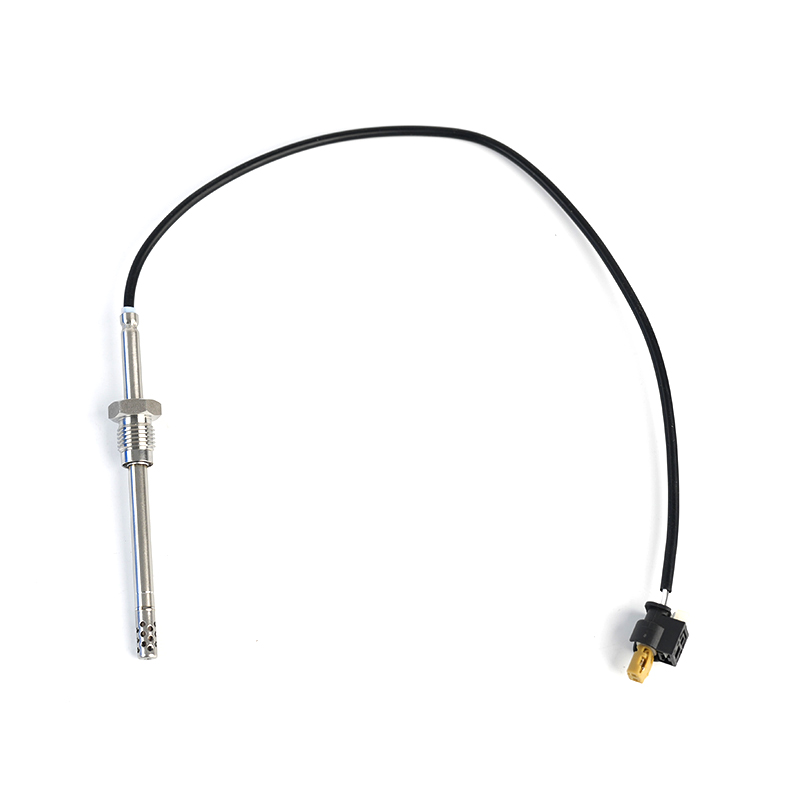
MERCEDES-BENZC-CLASS (W203) (2000/05 - 2007/08)MERCEDES-BENZC-CLASS Coupe (CL203) (2001/03 - 2011/06...
See Details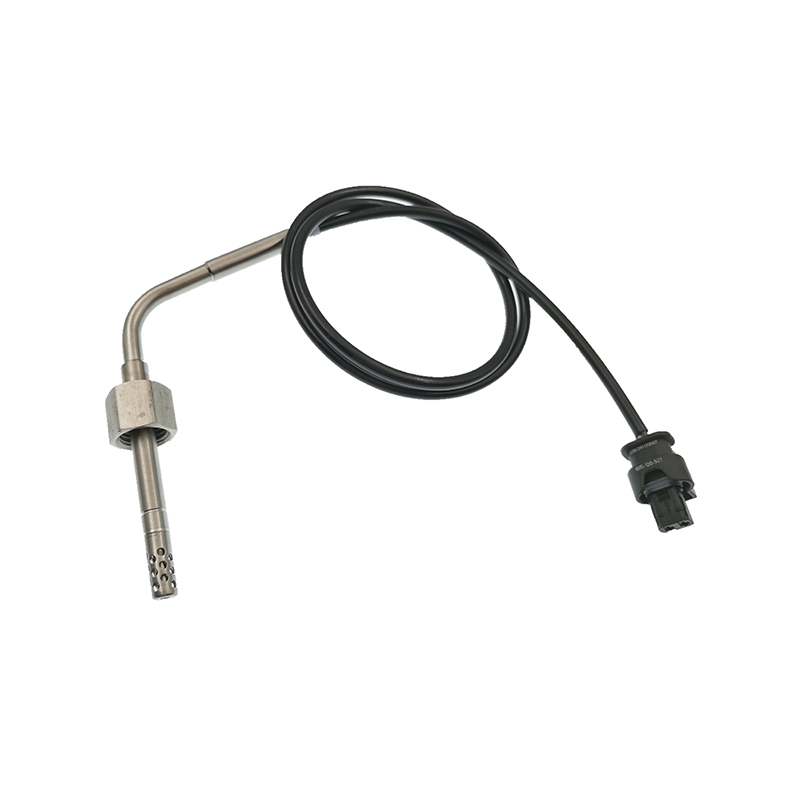
AUDIQ7 (4L) (2006/03 - 2015/08)VWTOUAREG (7LA, 7L6, 7L7) (2002/10 - 2010/05)
See Details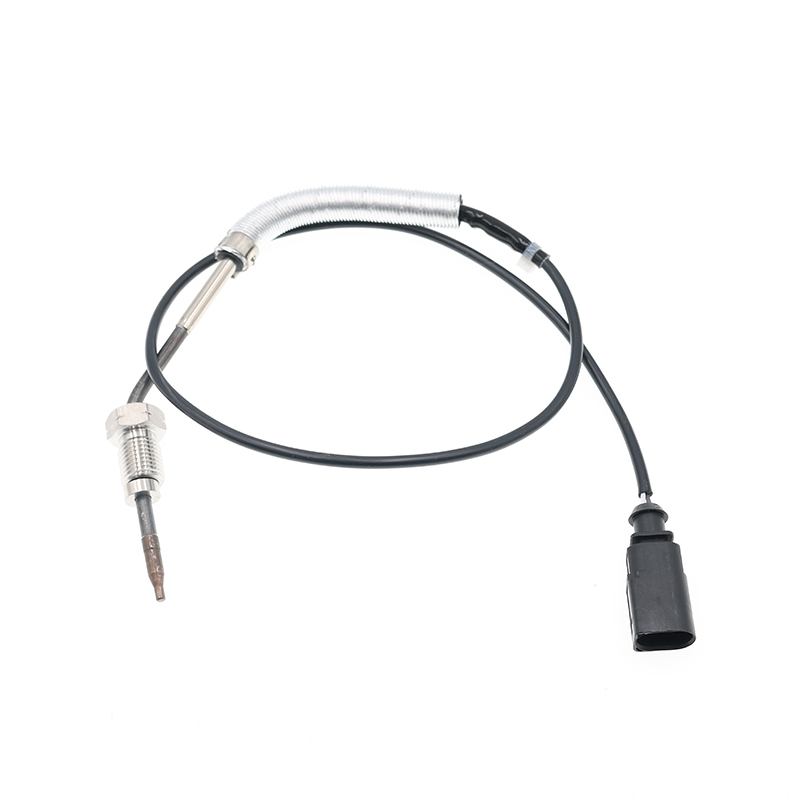
AUDIA3 (8P1) (2003/05 - 2012/08)AUDIA3 Sportback (8PA) (2004/09 - 2013/03)AUDIA4 (8EC, B7) (2004/11 ...
See Details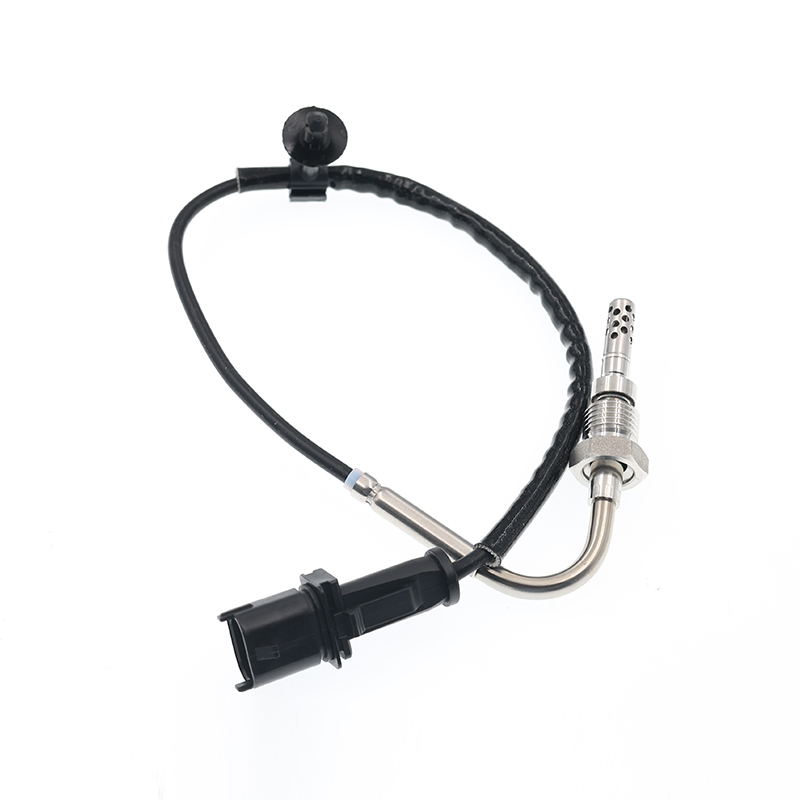
OPEL ASTRA J (2009/12 - /) OPEL ASTRA J Sports Tourer (2010/10 - /) OPEL ASTRA GTC J ...
See Details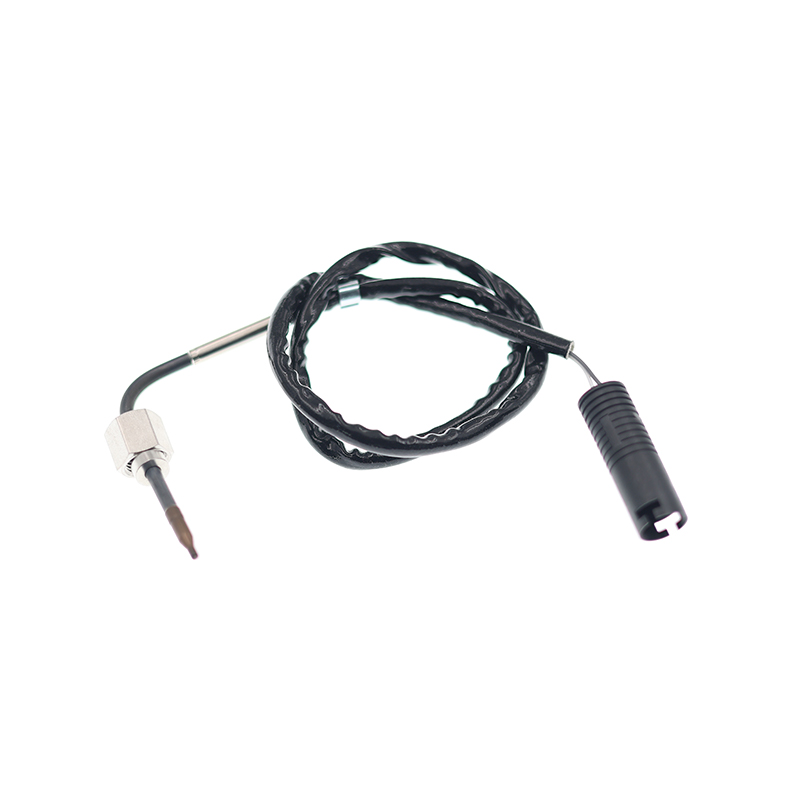
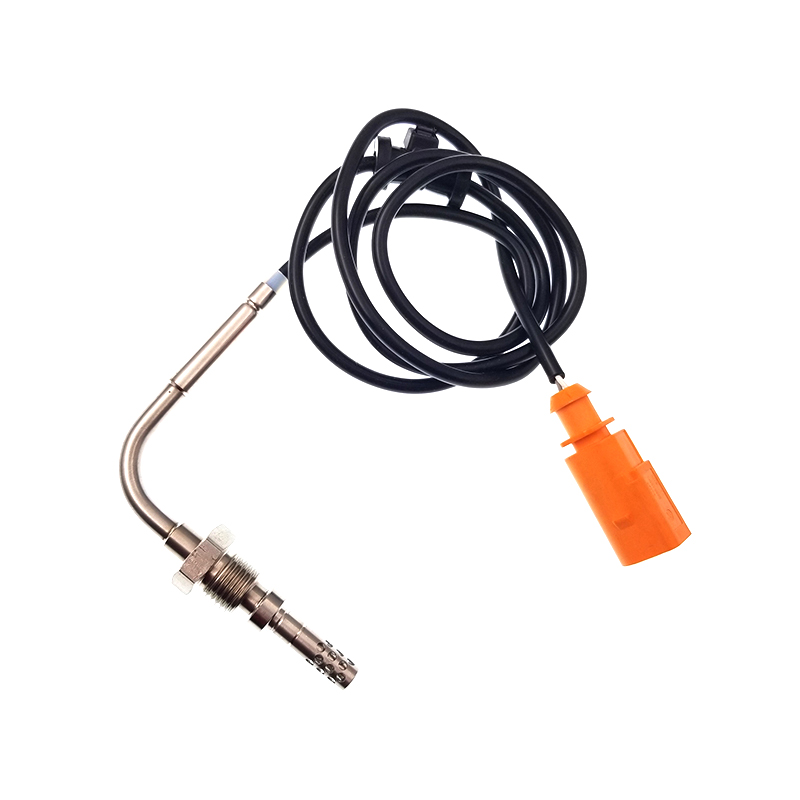
VWJETTA III (1K2) (2005/08 - 2010/10) VWGOLF VI (5K1) (2008/10 - 2013/11) VWGOLF VI Varia...
See Details
ADD: No.85 Jiuyuan Road, Economic Development Zone, Gaoyou city ,Yangzhou city ,225600 Jiangsu Province, China.
Copyright © Sook High Tech (Jiangsu) Co., Ltd. All Rights Reserved. OEM/ODM Automotive Sensor Manufacturers

