
 English
 Español
 Français
 简体中文
简体中文ADD: No.85 Jiuyuan Road, Economic Development Zone, Gaoyou city ,Yangzhou city ,225600 Jiangsu Province, China.
MERCEDES-BENZC-CLASS (W203) (2000/05 - 2007/08)MERCEDES-BENZC-CLASS Coupe (CL203) (2001/03 - 2011/06...
See DetailsContent
Athermocouple on a furnace acts as the primary temperature sensing device, converting heat energy inside the combustion chamber or heating zone into a measurable electrical voltage signal. This signal is sent to a controller, which uses it to regulate burner firing, heating element output, or gas valve position, keeping the furnace operating within a safe and precise temperature range. In residential gas furnaces, a specific type called a flame sensing thermocouple also performs a critical safety function: it confirms that the pilot flame is lit and, if the flame goes out, it signals the gas valve to shut off automatically, preventing unburned gas from accumulating. In industrial furnaces, arrays of Thermocouple Temperature Sensors are placed at multiple zones to provide continuous, real-time feedback for process control, product quality, and equipment protection.
In short, a furnace thermocouple performs three connected jobs: measuring temperature accurately, feeding that data to the control system, and in many designs, acting as a built-in safety interlock that shuts down the heat source when conditions become abnormal.
Installing or replacing a furnace thermocouple follows a consistent sequence, whether the unit is a small residential pilot assembly or an industrial multi-zone sensor. Following the correct order matters because a poorly seated hot junction or a loose connection is one of the most frequent causes of erratic temperature readings.
Shut off the gas or electrical supply and allow the furnace to cool to a safe handling temperature before removing any access panels.
Insert the sensing tip into the zone where an accurate reading is required, such as directly in the flame path or at the specified depth inside the heating chamber, avoiding contact with metal walls unless the design calls for it.
Tighten the bracket or compression fitting to the manufacturer's torque specification so vibration cannot shift the tip position over time.
Match the positive and negative leads to the controller terminals exactly, and use extension wire made of the same alloy pair as the thermocouple to avoid introducing measurement errors.
Restore power, bring the furnace to a known reference temperature, and compare the displayed reading against an independent instrument to confirm accuracy before returning the unit to service.
A properly installed and calibrated thermocouple can maintain measurement accuracy within ±1.5°C to ±2.2°C across most industrial furnace operating ranges.
Response time is another critical parameter for furnace applications. A bare-wire thermocouple junction can respond to a temperature change in under one second, while a heavily sheathed industrial probe, built for durability in harsh furnace atmospheres, may take several seconds to reach full response. Selecting the right balance between response speed and mechanical protection is central to reliable process control, which is why Thermocouple Temperature Sensors are typically offered in multiple sheath materials and diameters for different furnace zones.
Service life also depends heavily on operating conditions. Type K thermocouples used continuously near their upper temperature limit typically need replacement every 6 to 12 months, whereas the same sensor operated well below its maximum rating can often remain accurate for several years.
Choosing the correct sensor is not only about matching a temperature range on a datasheet. The furnace atmosphere, whether oxidizing, reducing, or vacuum, has a major effect on which alloy combination will last the longest before drifting or failing.
A stainless steel or Inconel sheath resists oxidation in most heat-treat furnaces, while ceramic protection tubes are preferred in high-temperature kilns and melting applications where metal sheaths would degrade quickly.
A thinner probe reacts faster to temperature swings but offers less mechanical protection; a thicker sheathed probe survives rough furnace environments longer but reacts more slowly, so the choice should reflect how tightly the process must be controlled.
Most furnace shutdowns attributed to sensor failure trace back to a small set of recurring issues. Recognizing the symptom quickly shortens downtime.
| Problem | Likely Cause | Recommended Solution |
|---|---|---|
| Furnace shuts off pilot repeatedly | Hot junction not fully in the flame | Reposition tip 3-6mm into the flame's blue cone |
| Reading drifts higher over time | Chemical contamination of the wire alloy | Replace probe and switch to a compatible protection tube |
| No output signal at all | Broken wire or corroded terminal | Inspect continuity end-to-end and clean or replace terminals |
| Reading fluctuates rapidly | Loose mounting causing vibration | Retighten bracket and check for a damaged sheath |
Table 2: Frequently reported furnace thermocouple faults and their typical fixes.
Inspect visually every service interval. Look for discoloration, cracking, or corrosion on the sheath, which often signals atmosphere-related degradation before performance drops.
Recalibrate against a reference standard annually. Comparing furnace readings to a certified reference sensor catches slow drift before it affects product quality.
Keep extension wiring shielded and short. Long unshielded runs near high-voltage furnace equipment can introduce electrical noise into the millivolt signal.
Track replacement dates by furnace zone. Logging install dates makes it easier to anticipate failures in the hottest zones, where wear accelerates.
A thermocouple in a gas furnace is often part of a life-safety circuit, so any modification should be treated with caution. Never bypass a faulty flame sensing thermocouple to keep a furnace running; doing so defeats the safety shutoff designed to prevent unburned gas buildup.
Always allow the furnace to cool before handling the probe, since the sheath and mounting hardware retain heat well after the flame or heating element is switched off. When working on industrial furnaces, follow lockout-tagout procedures and confirm zero energy state before disconnecting any signal wiring.
QHow do I know if my furnace thermocouple is bad?
Common signs include the pilot light going out repeatedly, a temperature reading that no longer matches a reference thermometer, or no voltage signal at all when tested with a multimeter set to millivolts.
QCan a furnace run without a thermocouple?
No, a functioning thermocouple or equivalent flame-proving device is required for safe operation, since it is the component that confirms combustion is occurring and enables the gas valve to stay open.
QHow often should furnace thermocouples be replaced?
For residential pilot assemblies, replacement every 3 to 5 years is common practice. Industrial process thermocouples operating near their maximum rated temperature often need replacement annually to maintain calibration accuracy.
QWhat is the difference between a thermocouple and a thermistor in furnace use?
A thermocouple generates its own small voltage from heat and can withstand very high temperatures, making it suitable for furnace interiors, while a thermistor changes resistance with temperature and is generally limited to lower-temperature applications outside the direct heat zone.
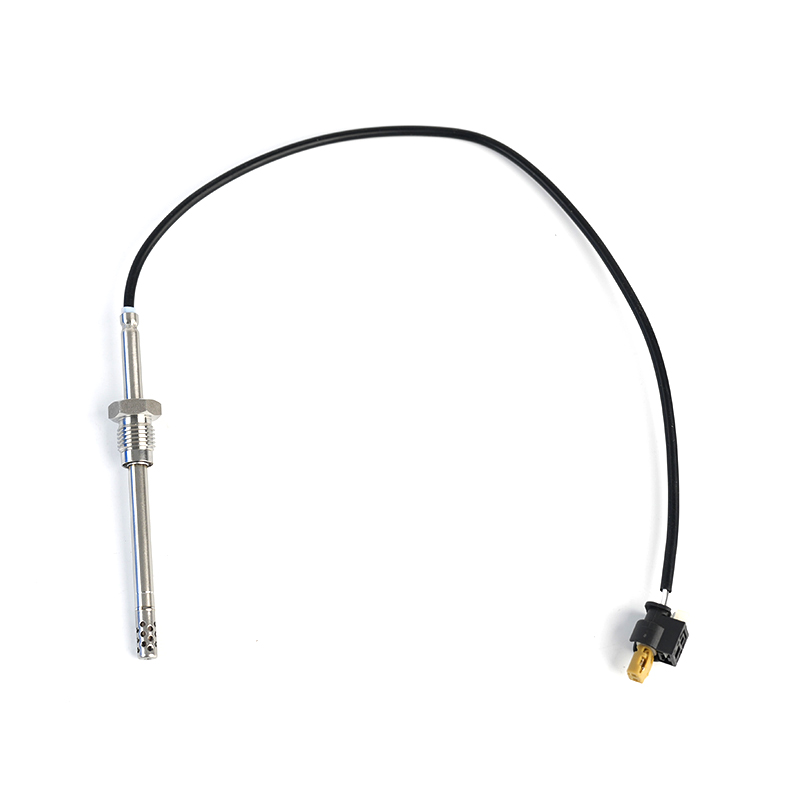
MERCEDES-BENZC-CLASS (W203) (2000/05 - 2007/08)MERCEDES-BENZC-CLASS Coupe (CL203) (2001/03 - 2011/06...
See Details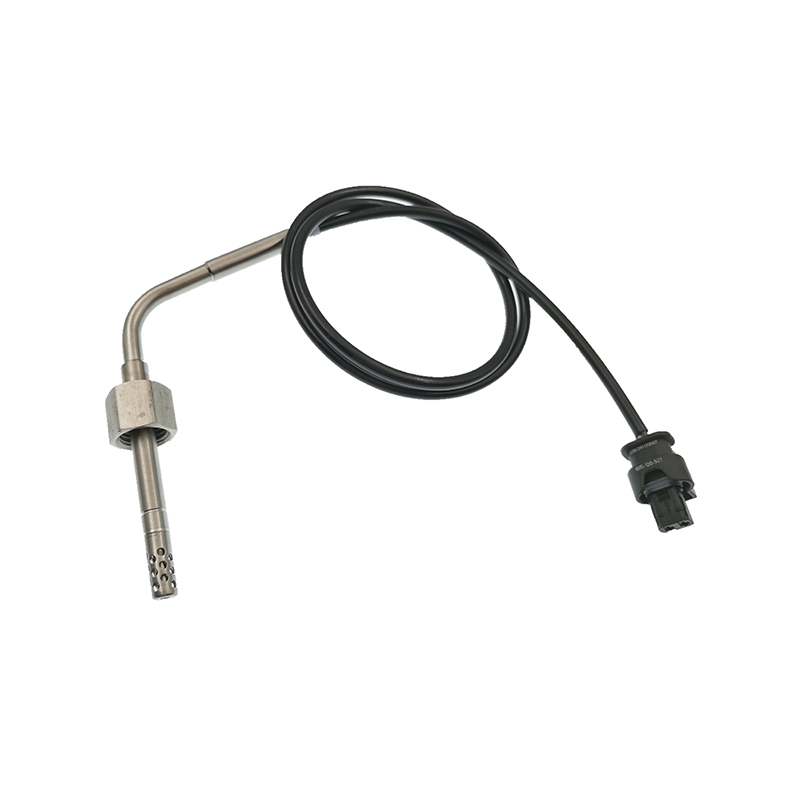
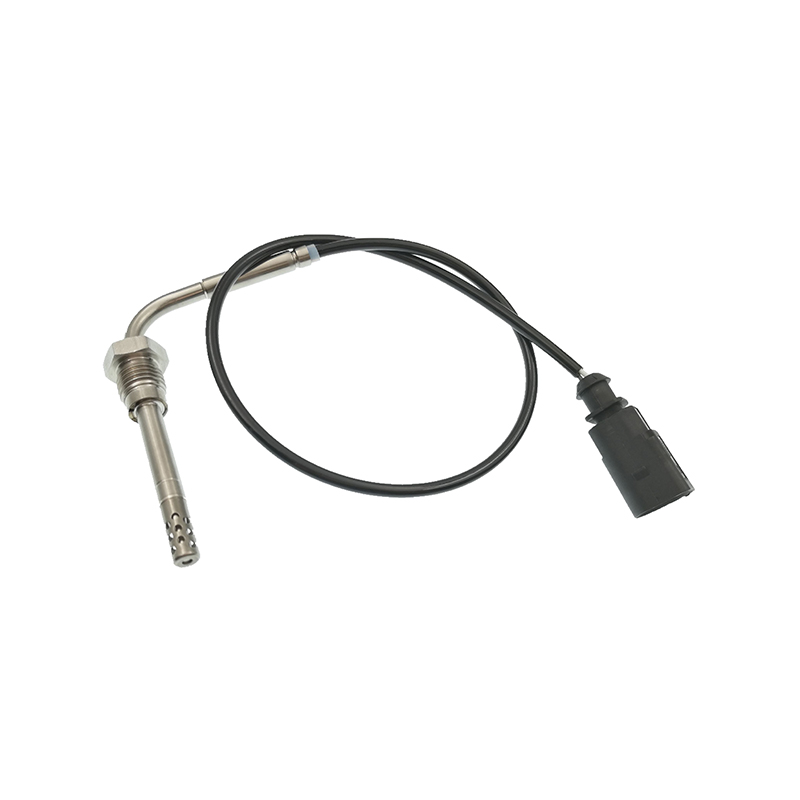
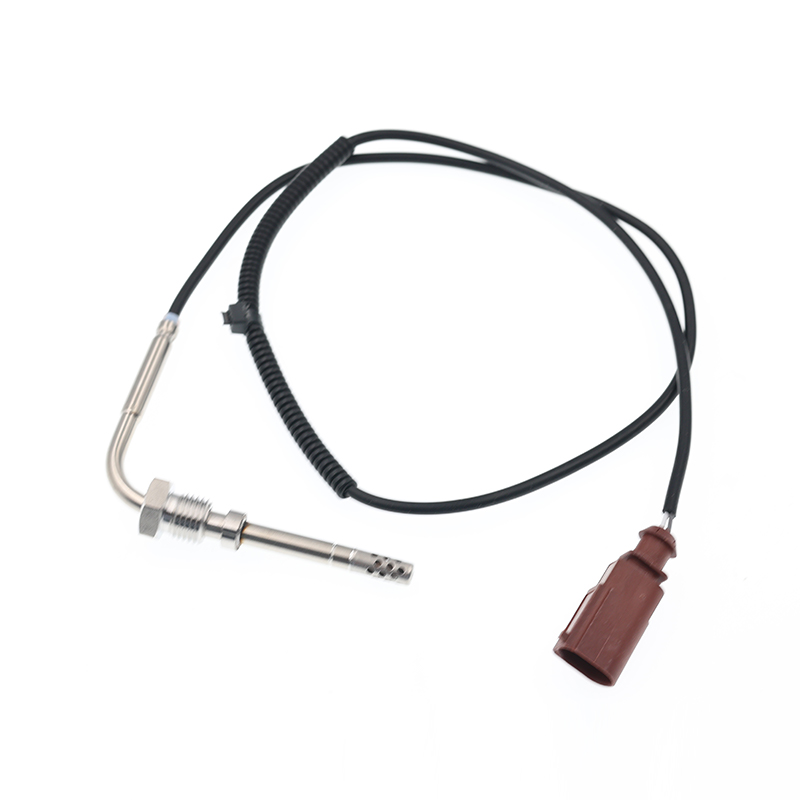
AUDIQ7 (4L) (2006/03 - 2015/08)VWTOUAREG (7LA, 7L6, 7L7) (2002/10 - 2010/05)
See Details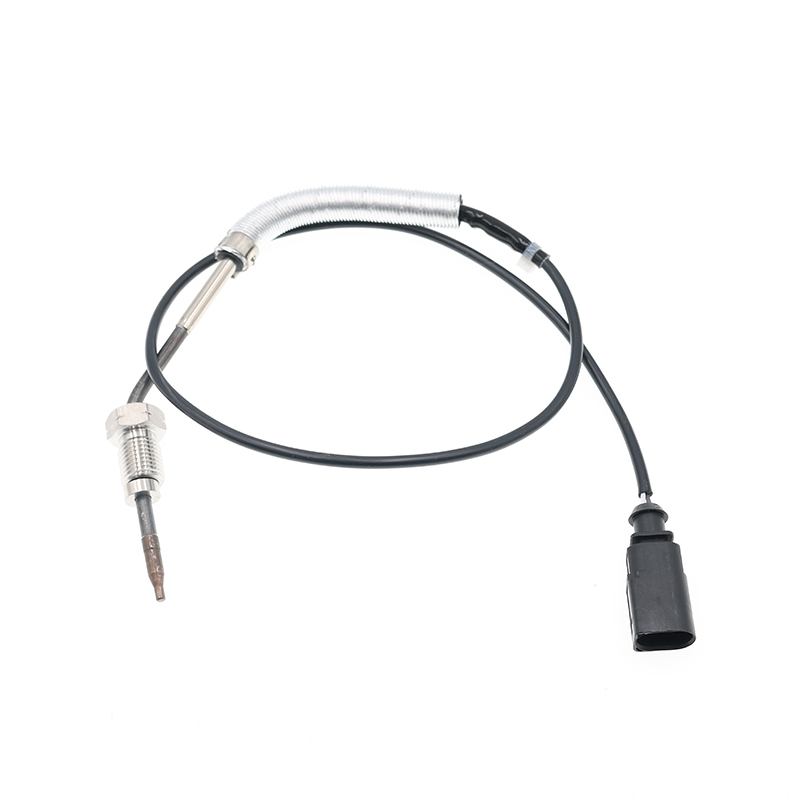
AUDIA3 (8P1) (2003/05 - 2012/08)AUDIA3 Sportback (8PA) (2004/09 - 2013/03)AUDIA4 (8EC, B7) (2004/11 ...
See Details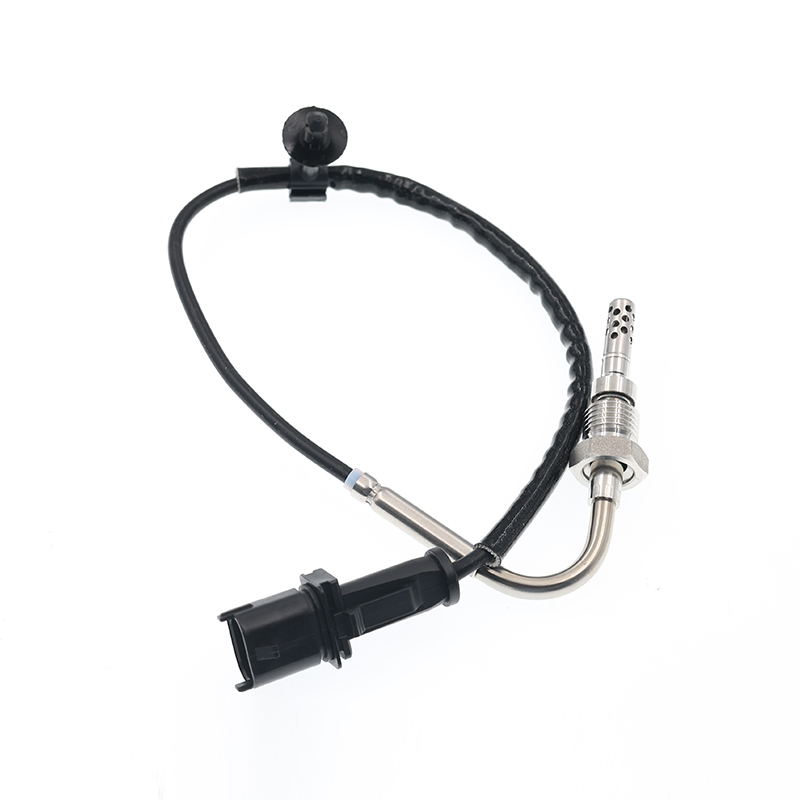
OPEL ASTRA J (2009/12 - /) OPEL ASTRA J Sports Tourer (2010/10 - /) OPEL ASTRA GTC J ...
See Details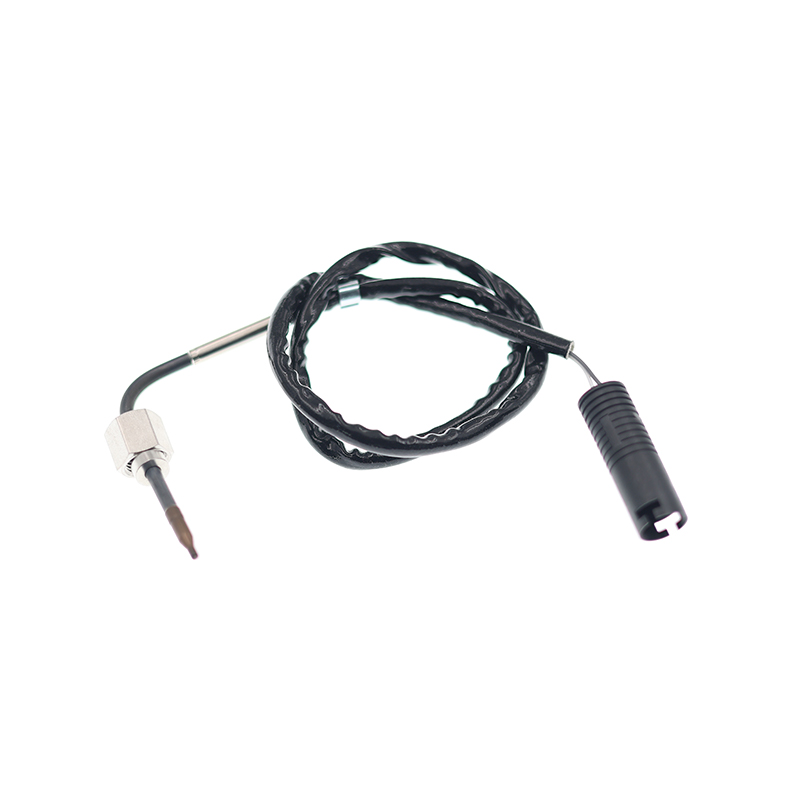
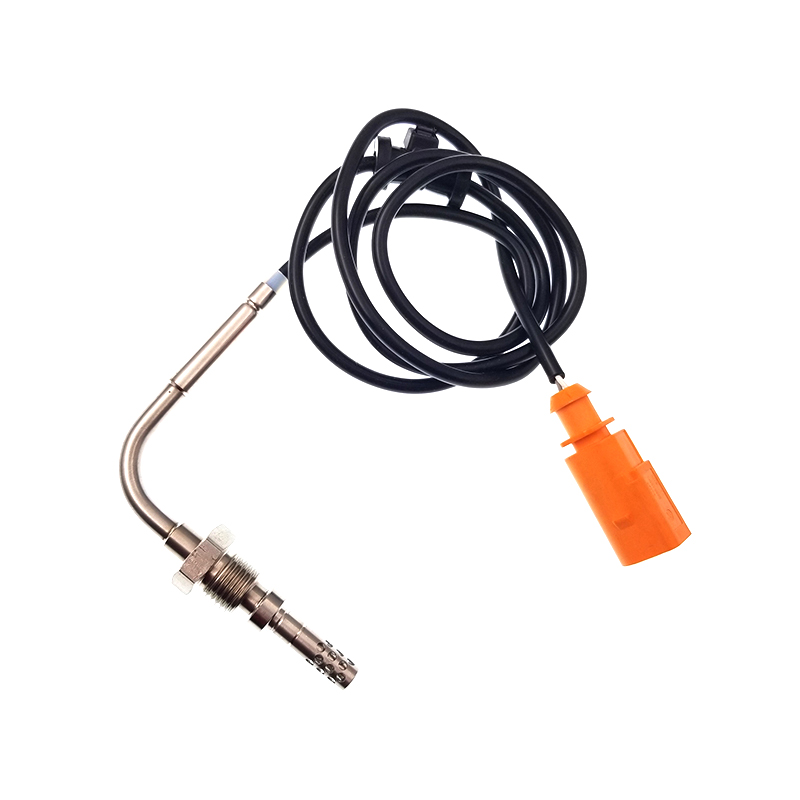
VWJETTA III (1K2) (2005/08 - 2010/10) VWGOLF VI (5K1) (2008/10 - 2013/11) VWGOLF VI Varia...
See Details
ADD: No.85 Jiuyuan Road, Economic Development Zone, Gaoyou city ,Yangzhou city ,225600 Jiangsu Province, China.
Copyright © Sook High Tech (Jiangsu) Co., Ltd. All Rights Reserved. OEM/ODM Automotive Sensor Manufacturers

