
 English
 Español
 Français
 简体中文
简体中文ADD: No.85 Jiuyuan Road, Economic Development Zone, Gaoyou city ,Yangzhou city ,225600 Jiangsu Province, China.
MERCEDES-BENZC-CLASS (W203) (2000/05 - 2007/08)MERCEDES-BENZC-CLASS Coupe (CL203) (2001/03 - 2011/06...
See DetailsContent
In most cases, replacing a NOx sensor is a moderately easy job for anyone comfortable with basic hand tools, and it typically takes between 30 minutes and 2 hours on gasoline vehicles. The task becomes more involved on diesel trucks and vehicles with selective catalytic reduction (SCR) systems, where the sensor may be mounted near the turbo, buried under the intake manifold, or paired with a second downstream sensor that requires additional wiring work.
A NOx sensor threads directly into the exhaust pipe or SCR housing using a standard oxygen-sensor-style socket, and it connects to the engine wiring harness through a plug-in connector. There is no cutting, welding, or major disassembly required for most passenger cars. The real difficulty comes down to physical access to the sensor location and whether the threads have seized from years of heat and corrosion.
Not every NOx sensor swap is the same. Four main factors determine whether the repair takes half an hour or turns into an afternoon project.
A NOx sensor mounted directly on an exposed exhaust manifold is straightforward to reach with a wrench. A second, downstream NOx sensor positioned after the SCR catalyst or near the diesel particulate filter is often tucked underneath the vehicle, which usually means the car needs to be raised on a lift or jack stands.
Because the sensor sits in a hot exhaust stream that repeatedly heats and cools, the threads can seize into the exhaust bung over time. Applying penetrating oil and removing the sensor while the exhaust is cold, rather than heating it with a torch, significantly reduces the risk of stripping the threads.
Some vehicles route the NOx sensor harness through clips, heat shields, or brackets that must be released before the connector can be unplugged. This adds time but rarely requires special tools.
On some diesel applications, an ECU adaptation reset or SCR system relearn procedure is recommended after installing a new NOx sensor. This step normally takes only a few minutes with a scan tool but is easy to overlook on a DIY repair.
| Sensor Position | Typical Access | Estimated Labor Time |
|---|---|---|
| Upstream, on exhaust manifold | Easy, engine bay accessible | 0.5 to 1 hour |
| Downstream, after SCR catalyst | Moderate, may need a lift | 1 to 2 hours |
| Near turbo or under intake | Difficult, tight clearance | 2 to 4 hours |
Once the correct replacement part is confirmed, the physical swap follows the same basic sequence on nearly every vehicle equipped with an emissions or SCR NOx sensor.
A failing NOx sensor rarely causes the engine to stop running, but it does trigger a chain of warnings that get progressively harder to ignore.
Whether to replace a NOx sensor yourself or hand the job to a shop depends less on skill level and more on the specific vehicle's sensor placement and whether a software relearn is required.
If the sensor is on an accessible manifold and no relearn procedure is needed, a driver with a basic socket set, a torque wrench, and an OBD-II scan tool can usually complete the job in under an hour. Many owners on diesel truck forums report doing the swap themselves in 30 to 90 minutes once they located the correct wrench size for the sensor.
If the sensor is seized, located behind a turbo or intake manifold, or the vehicle needs a dealer-level SCR calibration after installation, a professional technician with the right lift, socket, and diagnostic software will save time and reduce the risk of a stripped exhaust bung, which can turn a simple sensor swap into a much larger repair.
Most passenger vehicle owners can expect a total cost between roughly $400 and $900 for a complete NOx sensor replacement, including both the part and labor. Parts alone typically run $80 to $400, with the remainder covering diagnostic and installation labor. Diesel trucks with harder-to-reach sensors or dealer-only calibration requirements can push totals well above $1,000.
| Vehicle Type | Sensor Part Cost | Total Estimated Cost |
|---|---|---|
| Gasoline sedan or crossover | $80 to $200 | $400 to $600 |
| Light diesel SUV or pickup | $150 to $300 | $600 to $900 |
| Heavy-duty diesel truck | $250 to $400 | $900 to $1,200+ |
Choosing a quality aftermarket NOx sensor over an original dealer part can lower the parts bill considerably, since factory sensors often cost 100 to 150 percent more than a well-reviewed aftermarket equivalent while offering similar accuracy and warranty coverage.
Most negative experiences with NOx sensor replacement come from a handful of avoidable errors rather than the repair itself being inherently difficult.
Because the NOx sensor operates continuously in a harsh, high-heat exhaust environment, part quality has a direct impact on how long the replacement lasts. Sensors built with durable ceramic sensing elements, sealed connectors resistant to moisture intrusion, and precise factory calibration tend to hold up longer than budget alternatives.
SOOK Sensors manufactures automotive NOx sensors engineered for accurate nitrogen oxide measurement across gasoline and diesel exhaust systems, with attention to connector sealing and thermal durability so the sensor performs reliably through repeated heat cycles. When sourcing a replacement, matching the exact connector type, wiring pinout, and mounting thread of the original sensor is just as important as the sensor's internal quality, since an incorrect fitment is one of the most common reasons a straightforward replacement turns into a repeat repair.
Before ordering, confirm whether the vehicle uses an upstream sensor, a downstream sensor, or both, and verify the exact part number against the vehicle identification number rather than relying on the engine size alone.
Short trips are usually possible, but a faulty NOx sensor often triggers reduced power or limp mode on diesel vehicles, and it will cause a failed emissions inspection until the sensor is replaced.
A standard oxygen-sensor socket, a torque wrench, penetrating oil, anti-seize compound, and an OBD-II scan tool cover nearly every NOx sensor replacement on a passenger vehicle.
A quality NOx sensor generally lasts well beyond 100,000 miles under normal conditions, though exposure to oil leaks, coolant contamination, or excessive heat can shorten that lifespan considerably.
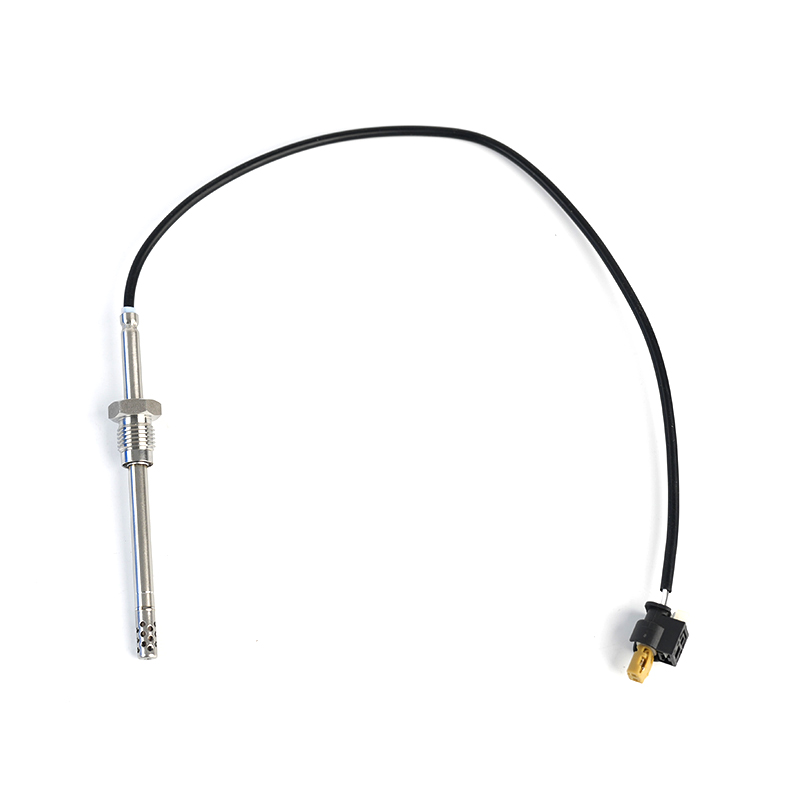
MERCEDES-BENZC-CLASS (W203) (2000/05 - 2007/08)MERCEDES-BENZC-CLASS Coupe (CL203) (2001/03 - 2011/06...
See Details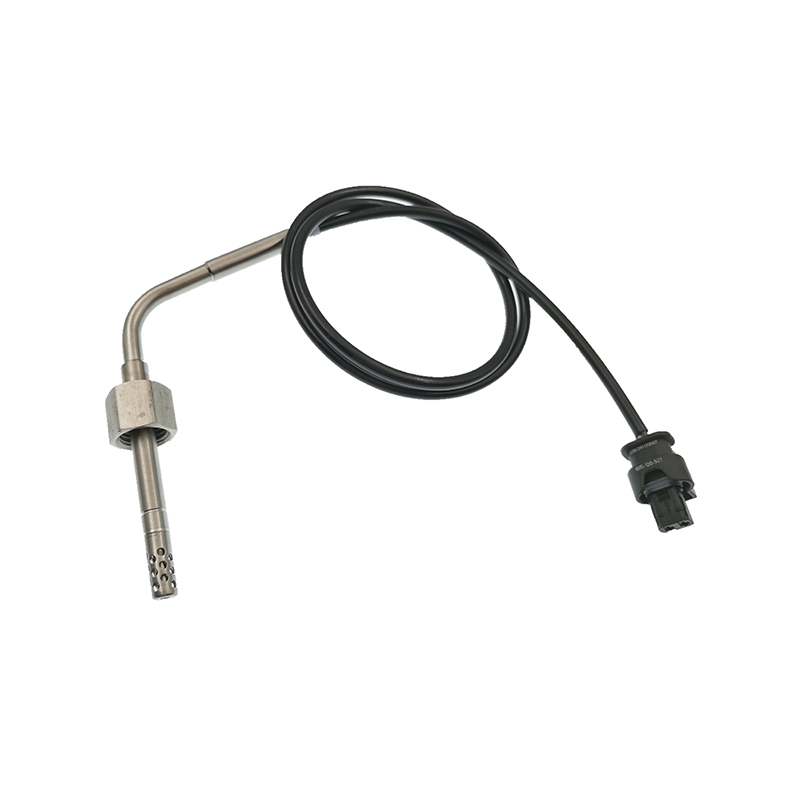
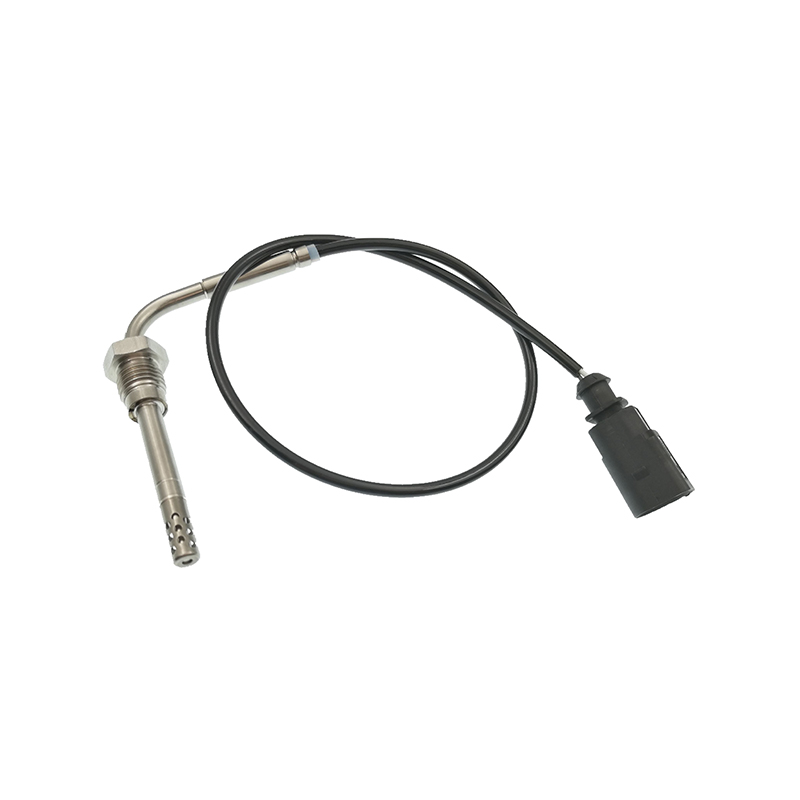
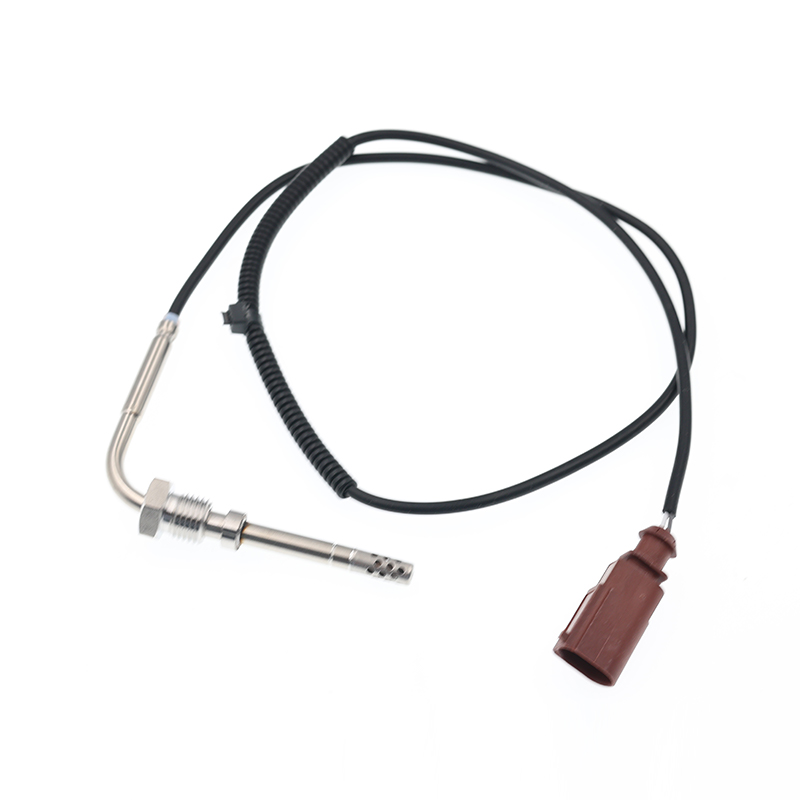
AUDIQ7 (4L) (2006/03 - 2015/08)VWTOUAREG (7LA, 7L6, 7L7) (2002/10 - 2010/05)
See Details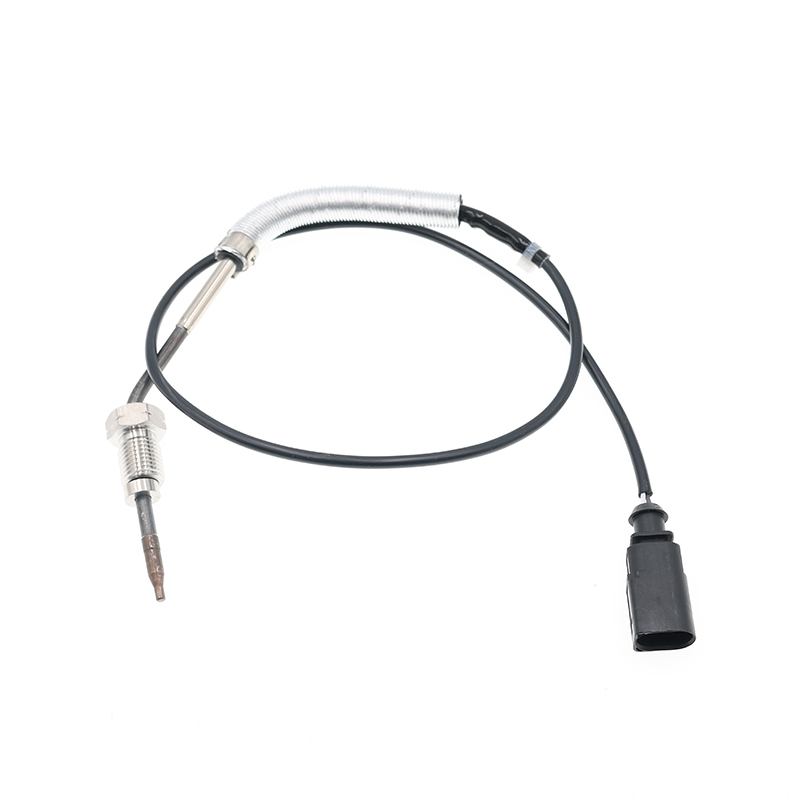
AUDIA3 (8P1) (2003/05 - 2012/08)AUDIA3 Sportback (8PA) (2004/09 - 2013/03)AUDIA4 (8EC, B7) (2004/11 ...
See Details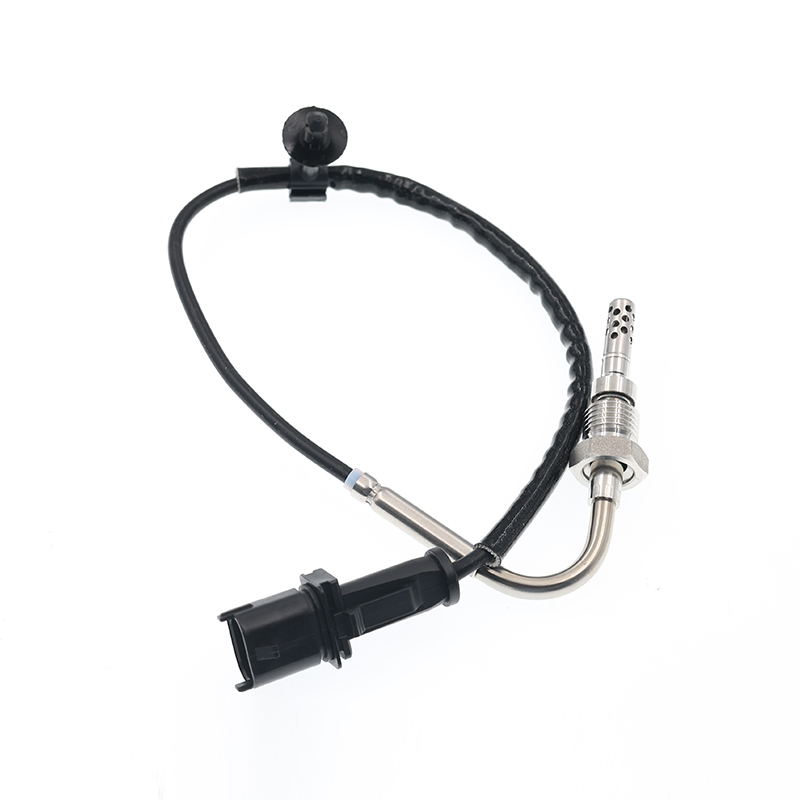
OPEL ASTRA J (2009/12 - /) OPEL ASTRA J Sports Tourer (2010/10 - /) OPEL ASTRA GTC J ...
See Details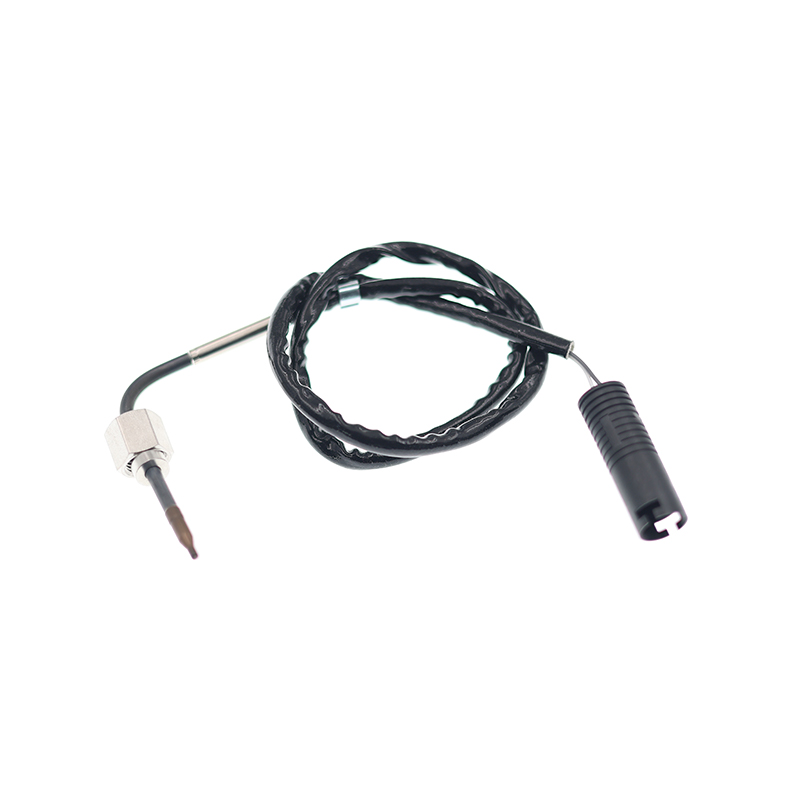
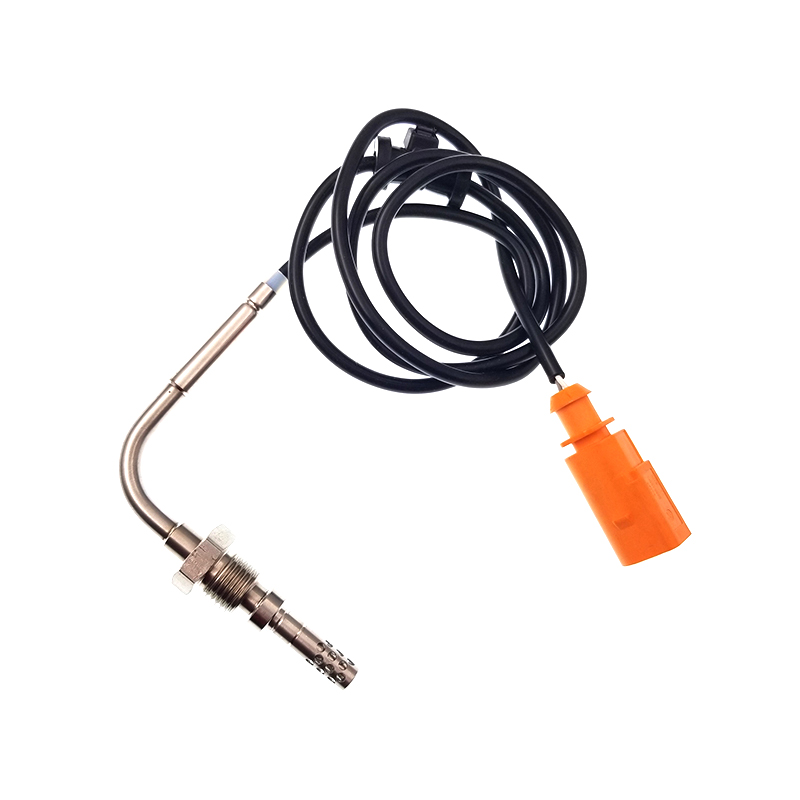
VWJETTA III (1K2) (2005/08 - 2010/10) VWGOLF VI (5K1) (2008/10 - 2013/11) VWGOLF VI Varia...
See Details
ADD: No.85 Jiuyuan Road, Economic Development Zone, Gaoyou city ,Yangzhou city ,225600 Jiangsu Province, China.
Copyright © Sook High Tech (Jiangsu) Co., Ltd. All Rights Reserved. OEM/ODM Automotive Sensor Manufacturers

