
 English
 Español
 Français
 简体中文
简体中文ADD: No.85 Jiuyuan Road, Economic Development Zone, Gaoyou city ,Yangzhou city ,225600 Jiangsu Province, China.
MERCEDES-BENZC-CLASS (W203) (2000/05 - 2007/08)MERCEDES-BENZC-CLASS Coupe (CL203) (2001/03 - 2011/06...
See DetailsContent
The core difference between PTC (Positive Temperature Coefficient) sensors and RTD (Resistance Temperature Detector) sensors lies in how their electrical resistance changes with temperature. A PTC sensor's resistance rises sharply and non-linearly once a threshold temperature is reached, making it ideal for overheat protection, self-regulating heating, and fast-response applications such as a PTC EGT Sensor used in exhaust gas temperature monitoring. An RTD, typically made from platinum, changes resistance in a highly linear and predictable manner across a wide temperature range, making it the preferred choice for laboratory-grade precision measurement.
In short: choose RTD when you need linear, high-precision continuous temperature readings, and choose PTC (including a PTC EGT Sensor) when you need fast thermal response, compact size, and built-in overheat protection at a lower cost.
PTC sensors are typically made from doped polycrystalline ceramic materials, most commonly barium titanate. Below a specific "switching" temperature, resistance stays low and relatively flat. Once the material crosses that switching point, resistance can increase by several orders of magnitude within just a few degrees. This dramatic, non-linear jump is what makes PTC elements so effective as thermal switches and protection devices.
This behavior is precisely why a PTC EGT Sensor is favored in automotive exhaust systems, where rapid detection of overheating gas flow matters more than fractional-degree precision.
RTD sensors rely on the predictable, near-linear relationship between resistance and temperature in pure metals, most commonly platinum (as in the industry-standard Pt100 and Pt1000 types). As temperature rises, the metal's atomic lattice vibrates more, increasing electron scattering and therefore resistance in a smooth, repeatable curve.
Because of this precision, RTDs dominate applications like process control, calibration labs, and HVAC systems where small temperature errors have significant downstream effects.
The table below summarizes the practical distinctions engineers weigh when choosing between the two technologies, including where a PTC EGT Sensor typically outperforms an RTD equivalent.
| Feature | PTC Sensor | RTD Sensor |
|---|---|---|
| Resistance Curve | Non-linear, sharp switch point | Linear across range |
| Typical Material | Barium titanate ceramic | Platinum wire or film |
| Response Time | Fast (seconds) | Moderate to slow |
| Accuracy | Moderate | High precision |
| Cost | Lower | Higher |
| Best Use Case | Overheat protection, EGT sensing | Process control, lab measurement |
Construction differences directly shape performance, durability, and cost. Understanding these physical distinctions helps explain why each sensor type excels in different environments.
Metal electrodes bonded to the ceramic surface
The ceramic-based build of PTC devices generally tolerates vibration and mechanical shock better than delicate wire-wound RTDs, an important factor in mobile or automotive-grade equipment.
Response speed is often the deciding factor for safety-critical systems. A PTC element's small thermal mass allows it to detect temperature changes in as little as 1 to 3 seconds, while a typical sheathed RTD probe may take 5 to 15 seconds to fully stabilize, depending on sheath thickness and mounting method.
Durability also differs. PTC ceramics resist thermal shock and mechanical vibration well, which is why a PTC EGT Sensor can survive the constant vibration and rapid temperature swings found in vehicle exhaust systems, sometimes operating continuously above 600°C in demanding designs. RTDs, while extremely stable in controlled environments, are more sensitive to mechanical strain, which can subtly alter the wire's resistance and reduce long-term accuracy if not properly protected.
In terms of operating range, standard RTDs commonly cover -200°C to 600°C with tight tolerances, while PTC sensors are generally optimized for a narrower functional switching band but can be engineered for high-temperature automotive use when paired with the right ceramic formulation.
Exhaust gas temperature (EGT) monitoring is one of the clearest real-world examples of PTC technology outperforming RTD in a specific niche. Engine exhaust systems experience rapid temperature swings, high vibration, and exposure to moisture and particulates. A PTC EGT Sensor is engineered to withstand these conditions while still delivering the fast response needed to protect turbochargers, catalytic converters, and diesel particulate filters from overheating damage.
Because engine control units often need near-instant feedback to adjust fuel injection or trigger protective measures, the millisecond-level responsiveness of a PTC element can be more valuable than the fractional-degree accuracy of an RTD. Combined with its smaller footprint and lower unit cost, this makes the PTC EGT Sensor a practical choice for high-volume automotive manufacturing.
Sensor manufacturers that specialize in automotive-grade components typically design their PTC EGT Sensor products with reinforced housings, vibration-resistant leads, and calibrated switching points tailored to specific exhaust zones, such as pre-turbo, post-turbo, or DPF inlet locations.
Selecting the right sensor comes down to matching the technology to your application's real priorities. Use the following steps to guide the decision.
For applications combining automotive durability requirements with fast-response overheat protection, a purpose-built PTC EGT Sensor generally offers the best balance of performance and cost. You can review a real-world example of this design approach on the PTC EGT Sensor product page.
Neither PTC nor RTD sensors are universally "better" — each is optimized for a different job. RTDs remain the gold standard for linear, laboratory-grade accuracy across wide temperature ranges, while PTC devices, particularly the PTC EGT Sensor category, excel where fast response, vibration resistance, and cost-efficiency matter most, such as automotive exhaust temperature monitoring.
When specifying a sensor, always weigh accuracy requirements against response time, environmental durability, and total system cost. This ensures the chosen technology, whether an RTD probe or a PTC EGT Sensor, delivers reliable performance for the full lifecycle of the application.
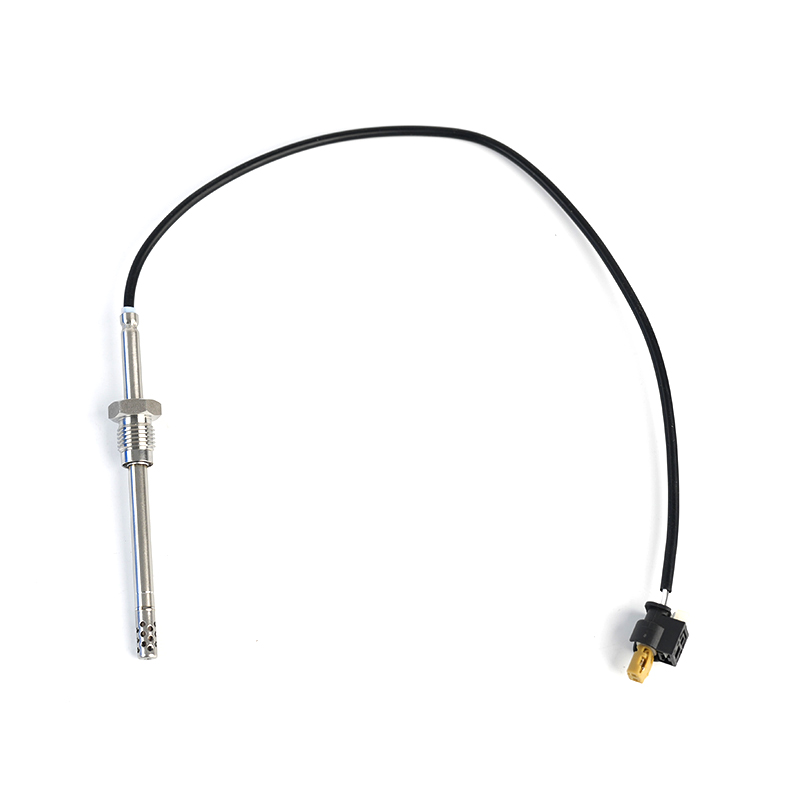
MERCEDES-BENZC-CLASS (W203) (2000/05 - 2007/08)MERCEDES-BENZC-CLASS Coupe (CL203) (2001/03 - 2011/06...
See Details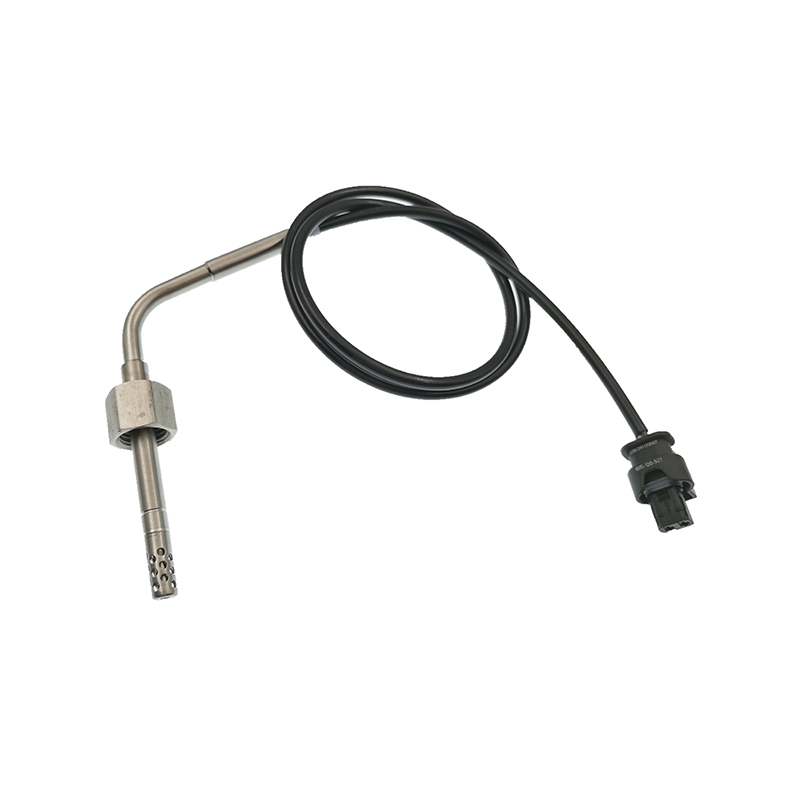
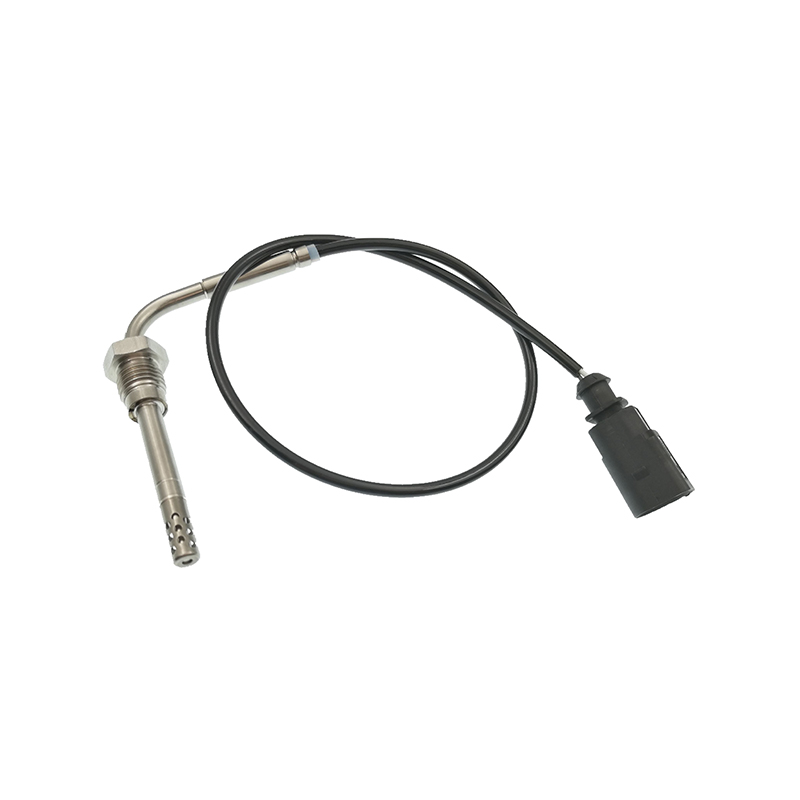
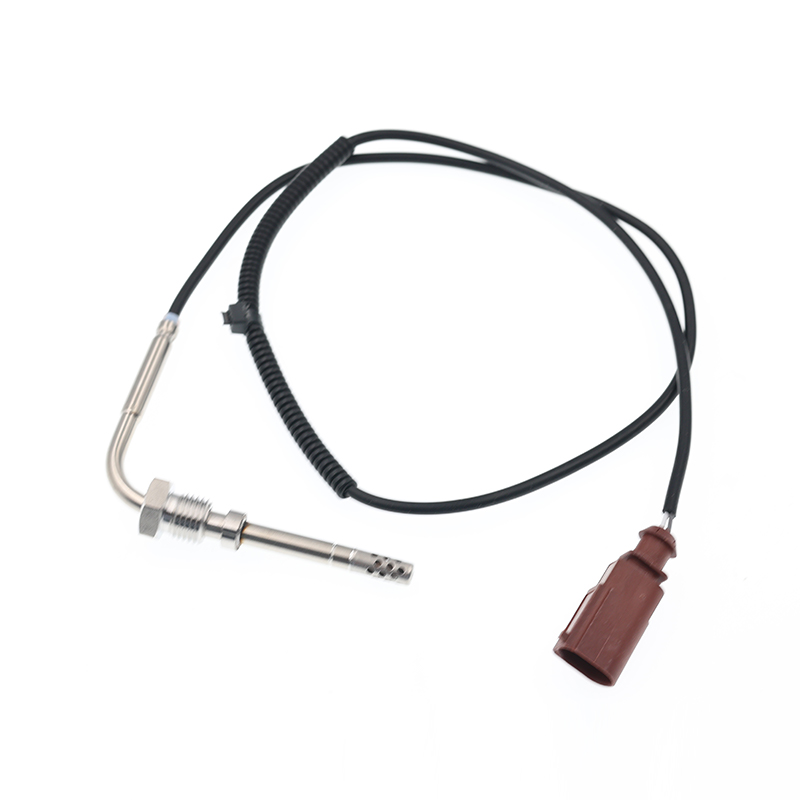
AUDIQ7 (4L) (2006/03 - 2015/08)VWTOUAREG (7LA, 7L6, 7L7) (2002/10 - 2010/05)
See Details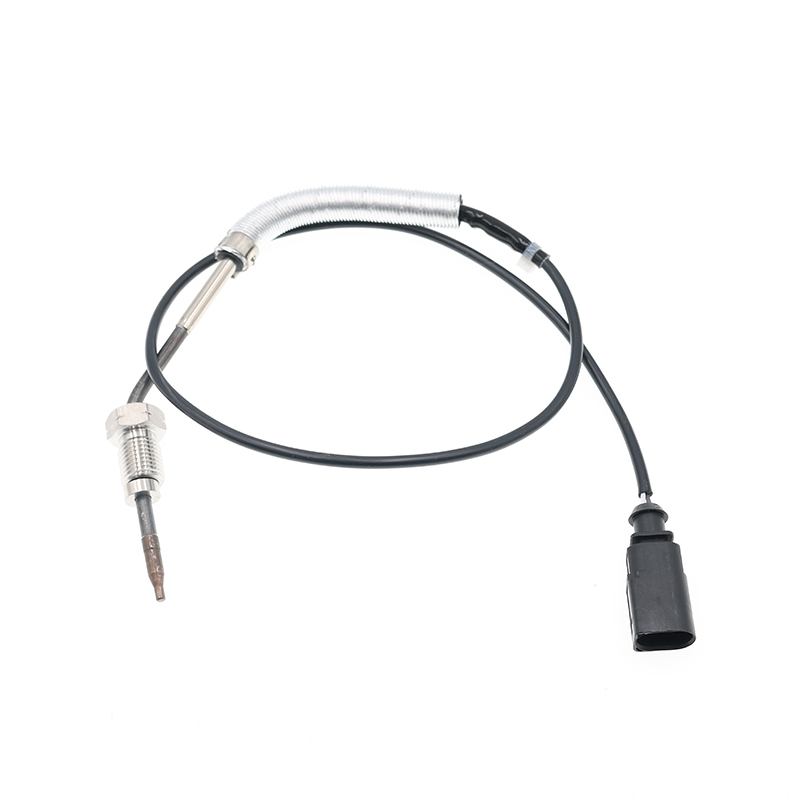
AUDIA3 (8P1) (2003/05 - 2012/08)AUDIA3 Sportback (8PA) (2004/09 - 2013/03)AUDIA4 (8EC, B7) (2004/11 ...
See Details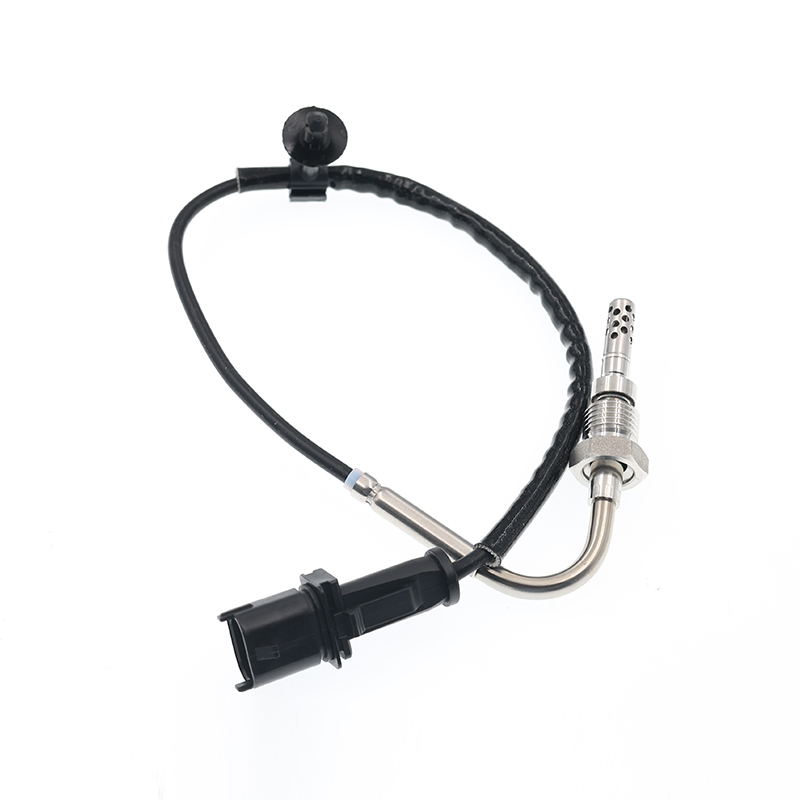
OPEL ASTRA J (2009/12 - /) OPEL ASTRA J Sports Tourer (2010/10 - /) OPEL ASTRA GTC J ...
See Details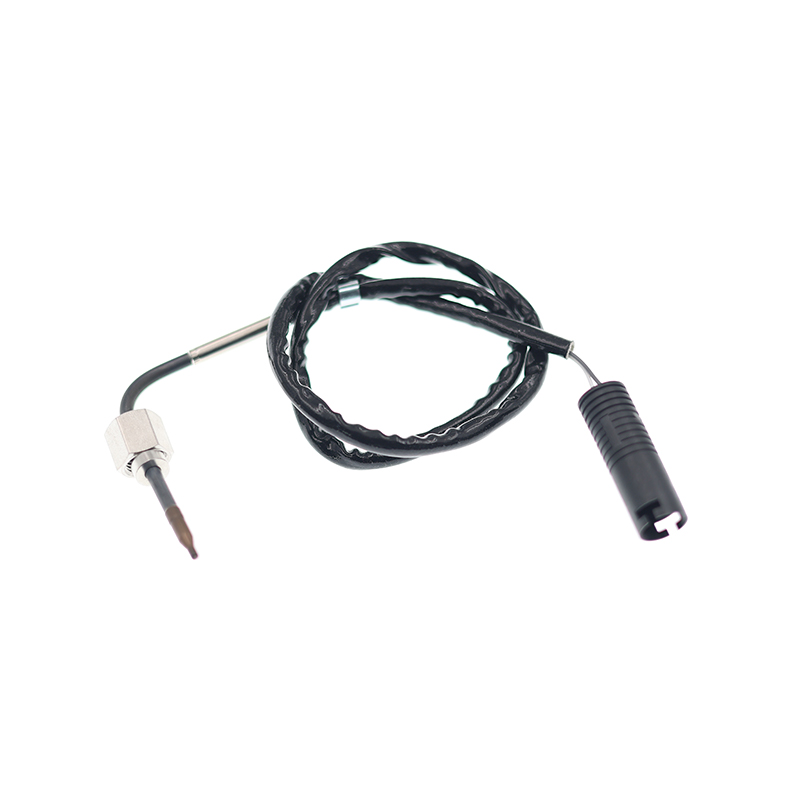
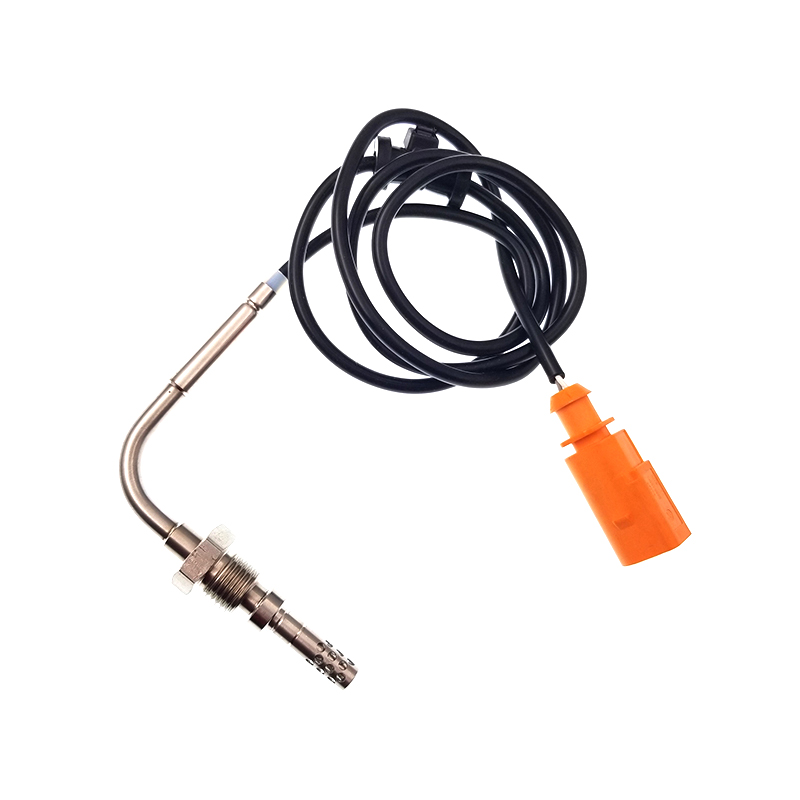
VWJETTA III (1K2) (2005/08 - 2010/10) VWGOLF VI (5K1) (2008/10 - 2013/11) VWGOLF VI Varia...
See Details
ADD: No.85 Jiuyuan Road, Economic Development Zone, Gaoyou city ,Yangzhou city ,225600 Jiangsu Province, China.
Copyright © Sook High Tech (Jiangsu) Co., Ltd. All Rights Reserved. OEM/ODM Automotive Sensor Manufacturers

