
 English
 Español
 Français
 简体中文
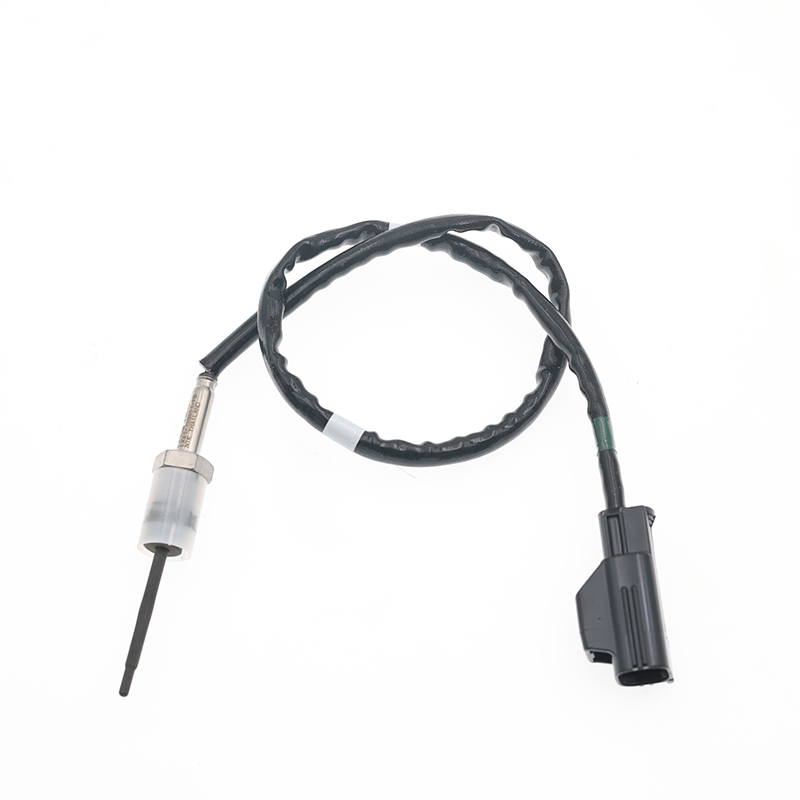
简体中文SKT-2854 SOOK# SKT-2854 OE# LX6112B591FB LX61-12B591-FB 2473403 Application FORD KUGA MK3 Cat...
Thermal Resistance Temperature Sensor Manufacturers
A thermal resistance temperature sensor is a kind of sensor thermometer that uses the principle that the resistance value of a conductor or semiconductor changes with temperature. Thermal resistance temperature sensors are divided into two categories: metal thermal resistance and semiconductor thermistors. Thermal resistors are widely used to measure temperatures in the range of -200 ~850°C.
| Type | PT10, PT50, PT100, PT200, PT500, PT1000, Cu50, Cu100, Cu200, Cu500, Cu1000, etc. |
| Temperature Range | -200°C to 850°C |
| Accuracy | A level, B level, C level |
| Response Time | 1 second to 30 seconds |
-
-
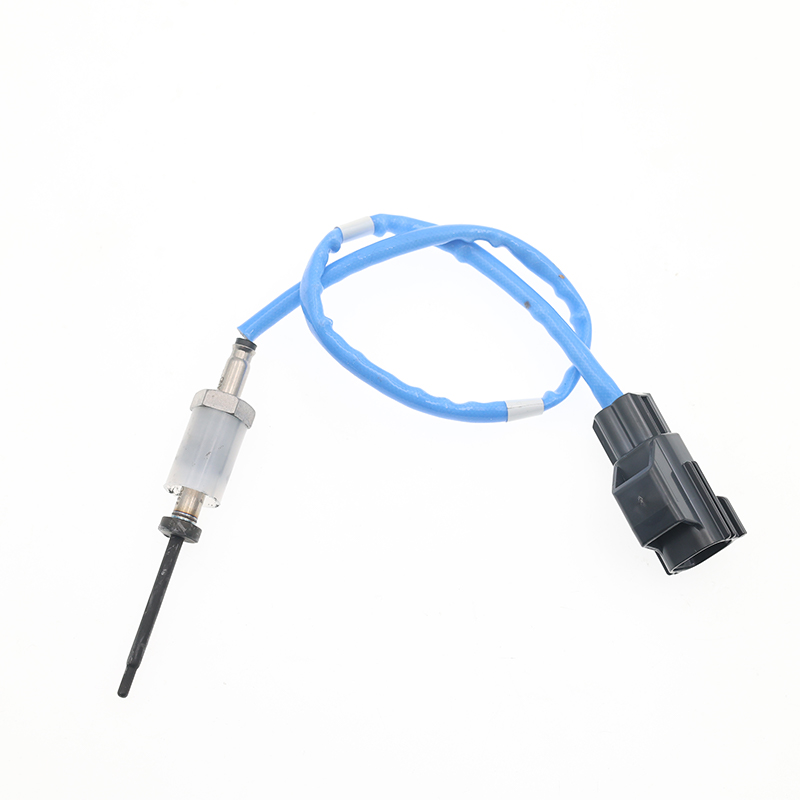 LX6112B591EB LX61-12B591-EB Thermistors Temperature Sensors
SKT-2855 SOOK# SKT-2855 OE# LX6112B591EB LX61-12B591-EB Application Ford Kuga III 2022 ...
-
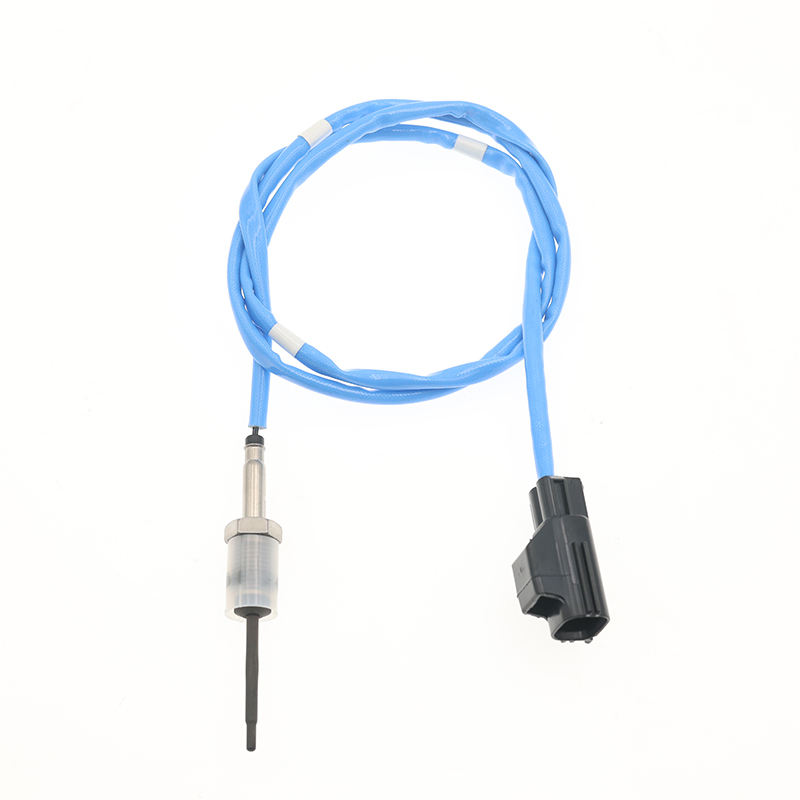 JX6112B591CA JX61-12B591-CA 2317663 LX6112B591GB LX61-12B591-GB 220647 Thermistors Temperature Sensors
SOOK# SKT-2856 OE# JX6112B591CA JX61-12B591-CA 2317663 LX6112B591GB LX61-12B591-GB 220647 App...
-
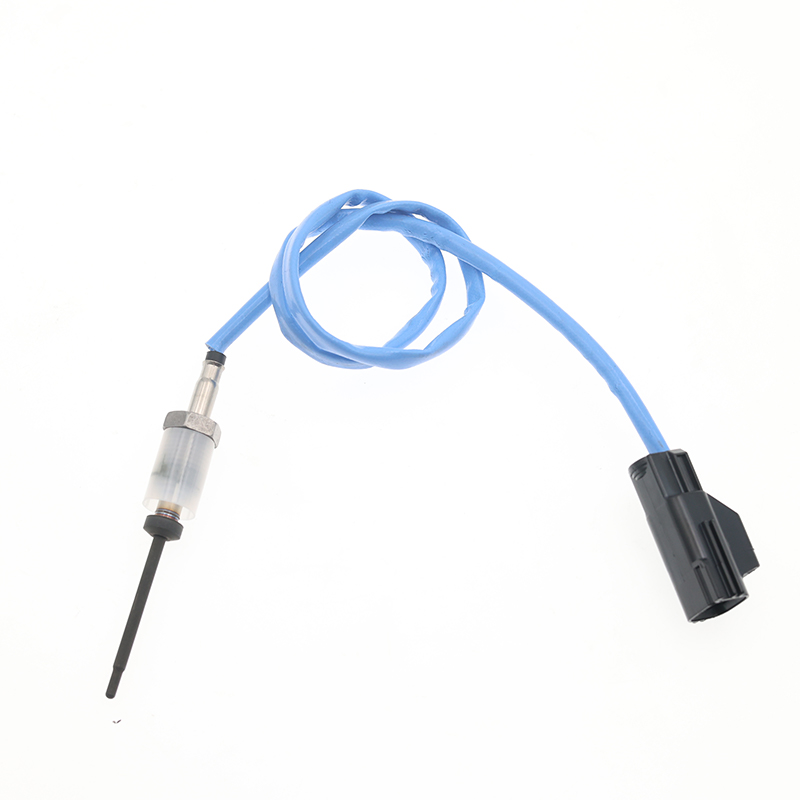 8V4112B591BA 8V41-12B591-BA Thermistors Temperature Sensors
SKT-2857 SOOK# SKT-2857 OE# 8V4112B591BA 8V41-12B591-BA Application FORD TRANSIT CONNECT 1.6 ...
-
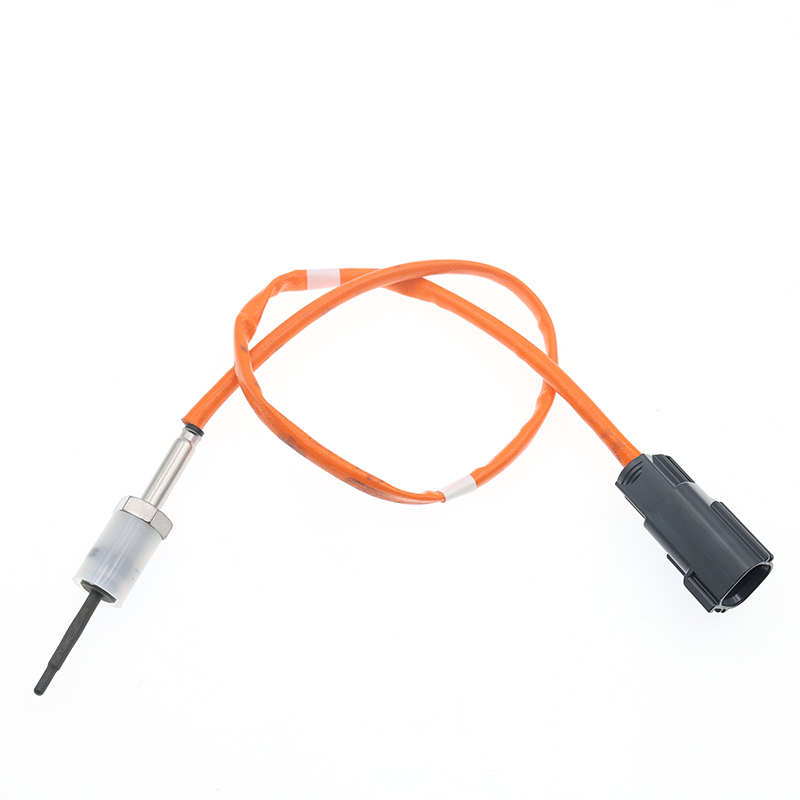 MT7112B591AA MT71-12B591-AA 4444470 Thermistors Temperature Sensors
SKT-2858 SOOK# SKT-2858 OE# MT7112B591AA MT71-12B591-AA 4444470 Application FORD TRANSIT COUR...
-
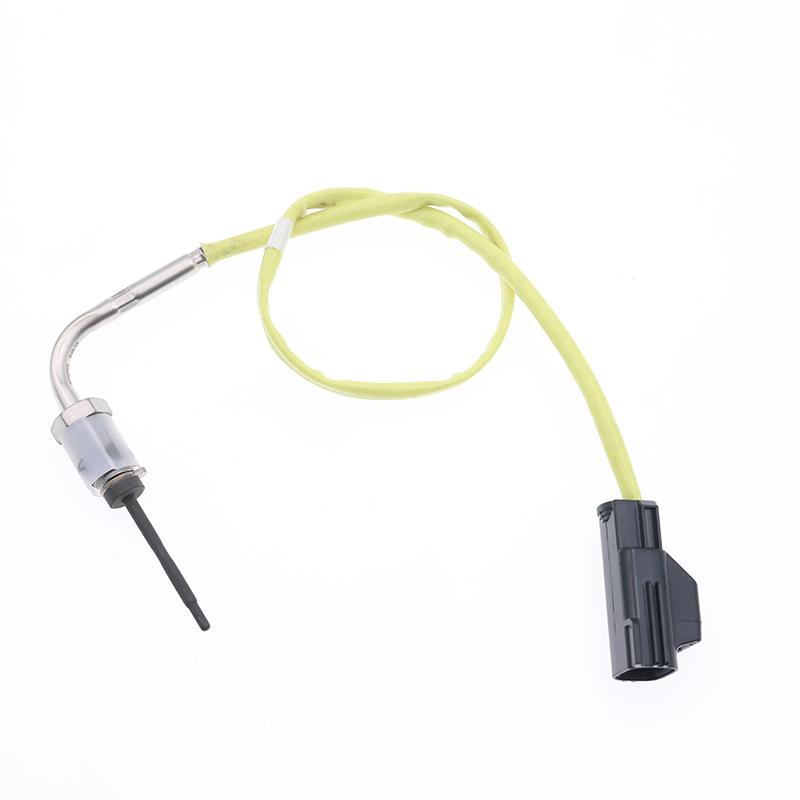 MT7112B591BB MT71-12B591-BB 4444181 Thermistors Temperature Sensors
SKT-2859 SOOK# SKT-2859 OE# MT7112B591BB MT71-12B591-BB 4444181 Application FORD TOURNEO COU...
-
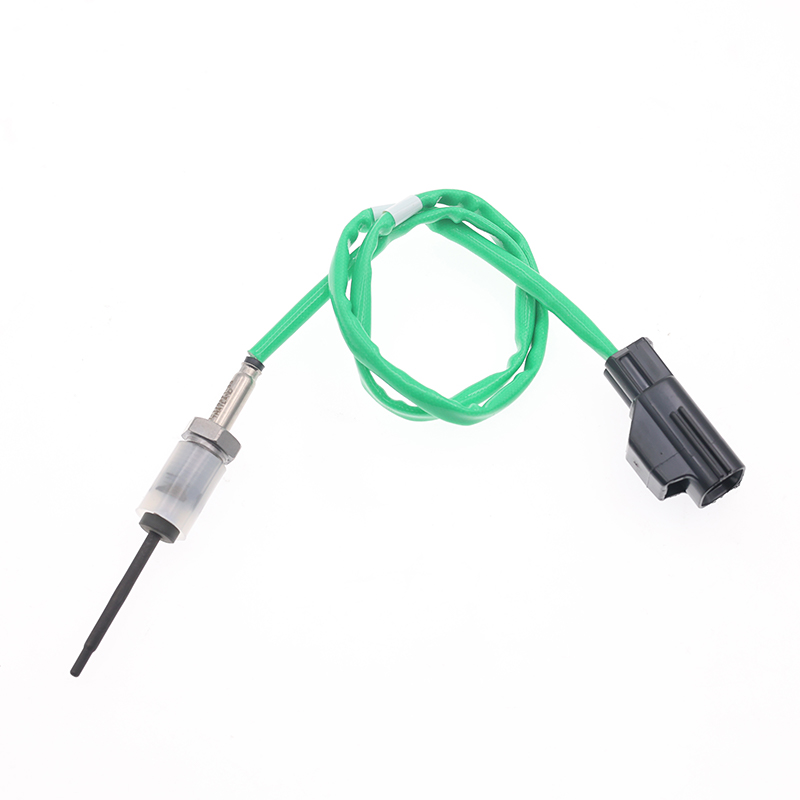 NITI12B591BB NITI-12B591-BB Thermistors Temperature Sensors
SKT-2860 SOOK# SKT-2860 OE# NITI12B591BBNITI-12B591-BB Application FORD
-
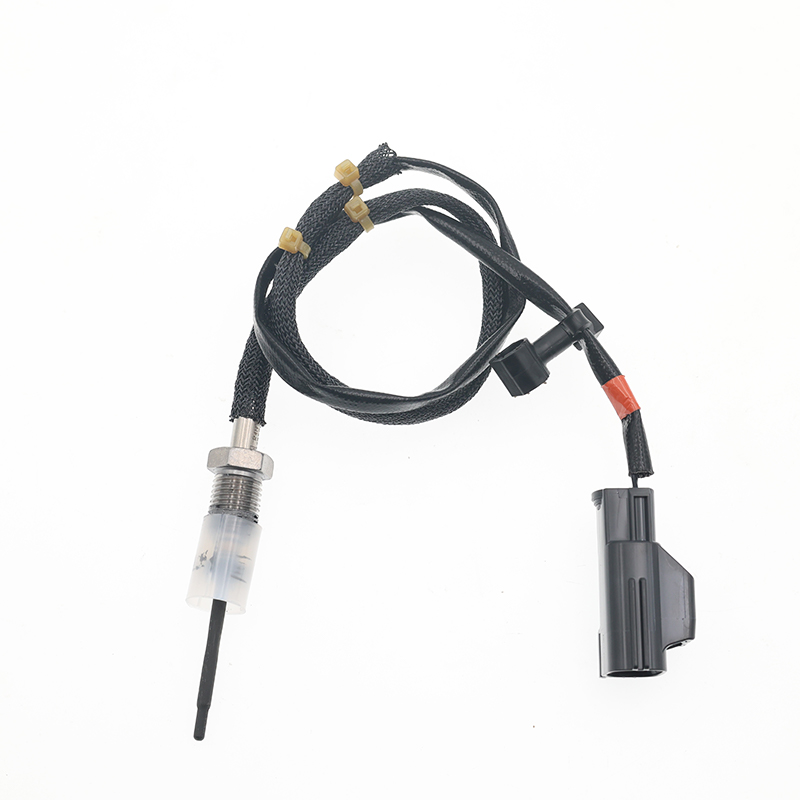 JB3G12B591EC JB3G-12B591-EC 2300929 Thermistors Temperature Sensors
SKT-2861 SOOK# SKT-2861 OE# JB3G12B591ECJB3G-12B591-EC2300929 Application Ford Ranger 2,0TDci...
-
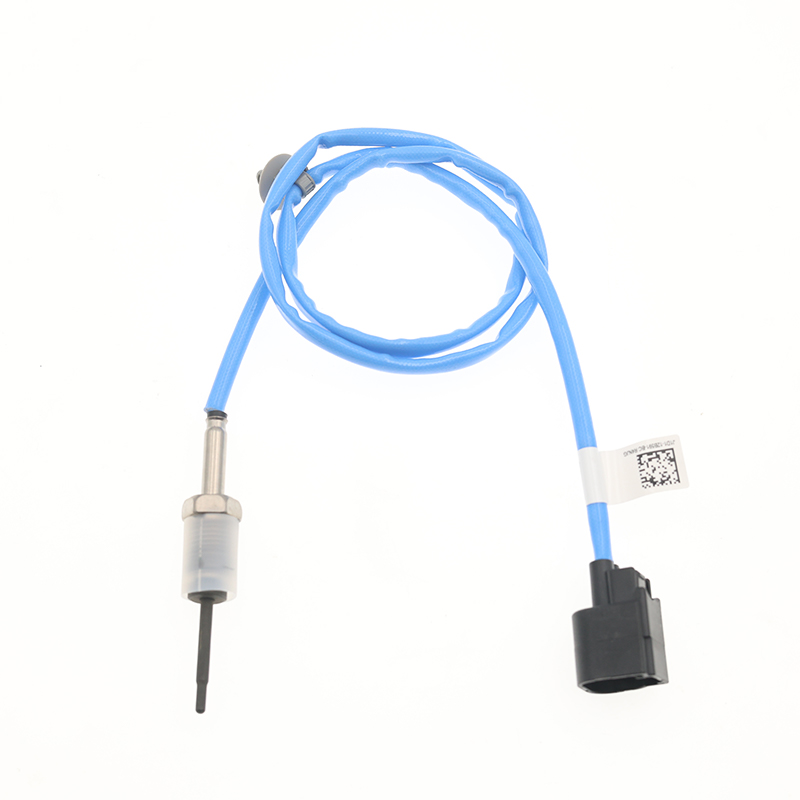 J1D112B591BC J1D1-12B591-BC 779442 Thermistors Temperature Sensors
SKT-2862 SOOK# SKT-2862 OE# J1D112B591BCJ1D1-12B591-BC779442 Application FORD C-MAX CE For...
-
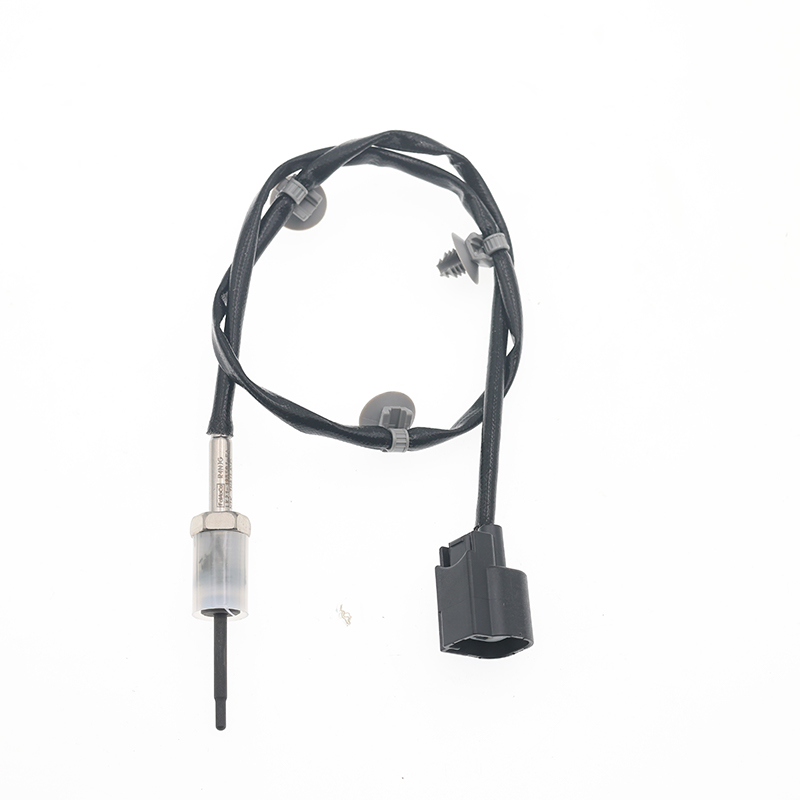 LK2112B591EA LK21-12B591-EA 2380116 Thermistors Temperature Sensors
SKT-2863 SOOK# SKT-2863 OE# LK2112B591EALK21-12B591-EA2380116 Application FORD TRANSIT CUSTOM...
Certificate
Specializing in the research and development of intelligent vehicle exhaust temperature sensor, intelligent NOX sensor, NH3 sensor, H2 sensor and speed sensor, design, production, sales and integration.
ABOUT US
Sook High Tech (Jiangsu) Co., Ltd.
Sook High Tech (Jiangsu) Co., Ltd. was established in 2015, with a registered capital of 30.5 million yuan. Has won High-tech enterprise, National science and technology small and medium-sized enterprise, Software enterprise, Member of China Machinery Industry Standardization Technology Association, Council Members of Sensor and IoT Industry Association, Council Members of China Instrument Industry Association Sensor Branch and Council Members of Jiangsu Import and Export Chamber of Commerce.
As a professional China OEM Thermal Resistance Temperature Sensor Manufacturers and ODM Thermal Resistance Temperature Sensor-RTD Factory
, SOOK High Tech focuses on the design, production, sales and integration of various sensors for smart cars and industrial fields, as well as cables and heaters for the industrial field.
Has an annual production capacity of 600,000 sensors of various types. There are more than 2,000 items of exhaust temperature sensors, 450 items of NOx sensors, and 1,300 items of ABS sensor, which are exported to Europe and the United States.
Message Feedback
Recent News
Learn about our industry exhibition information and recent events in our company.
-
How to Deploy an Ammonia Sensor in Agriculture?
Best Practices for Deploying Ammonia Sensors in Agriculture: 1. Monitoring Point Layout: Deploy Ammonia Sensors at ventilation openings, manure accumulation areas, and feed storage...28 -
How to Properly Install an NH3 Sensor?
Proper Installation of an NH3 Sensor 1. Select a Suitable Installation LocationInstall the Ammonia Sensor at a high point or near the gas inlet where ammonia leaks may occur, such ...21 -
What impact does the PTCEGT sensor have on emission control?
1. Accurate Temperature Monitoring Improves Combustion Efficiency Real-time Temperature Feedback: The PTC EGT sensor utilizes the positive temperature change characteristic of plat...14 -
What is an NTC EGT Sensor?
1. Working Principle The NTC EGT Sensor uses NTC (Negative Temperature Coefficient) thermistor technology, where the resistance drops rapidly as the temperature rises. When the tem...07
Thermistors Temperature Sensors Industry knowledge
What are some typical applications for Thermistors Temperature Sensors in automotive electronics or portable devices?
1. Gas Turbine and Engine Exhaust Temperature Monitoring
K-type thermocouples, due to their wide temperature measurement range (-200°C to 1250°C) and excellent oxidation resistance, are commonly used for real-time exhaust temperature monitoring in gas turbines, aircraft engines, and automotive engines, helping to optimize combustion efficiency and provide fault warnings.
2. Metallurgy and Metal Heat Treatment
In the heat treatment of metals such as steel and aluminum alloys, precise control of the furnace temperature profile is essential. K-type thermocouples maintain stable output in high-temperature environments, making them the preferred sensor for critical locations such as furnace temperatures, heat treatment furnaces, and forging dies.
3. Petrochemical and Chemical Process Control
Petroleum refining and chemical reactors often involve high-temperature, corrosive media. The high-temperature and corrosion-resistant properties of K-type thermocouples enable reliable temperature measurement of critical nodes such as reactors, heat exchangers, and steam pipes, ensuring production safety.
4. Industrial Furnaces and Ceramic Firing
High-temperature firing processes for ceramics, glass, and other applications require extremely high temperature uniformity. K-type thermocouples can be placed at multiple locations within the furnace to achieve multi-point temperature acquisition, helping to achieve uniform temperature control and improve product quality.
How to calibrate Thermistors Temperature Sensors?
1. Two-Point Calibration: Select two known temperature points (e.g., 0°C and 70°C), measure the corresponding resistance values, and use a logarithmic model to determine the β coefficient, achieving a calibration accuracy of ±0.03°C.
2. Three-Point Calibration: Measure at low, medium, and high temperatures (e.g., -40°C, 25°C, and 125°C). This method further improves linearization accuracy and is suitable for automotive or industrial sensors with a wide temperature range.
3. Using the Steinhart-Hart equation: Solve the equation coefficients at four or more temperature points to achieve higher fitting accuracy. This method is commonly used in scientific research and for high-precision instrument calibration. 4. Batch sampling calibration: Only a small number of samples are taken from a large number of thermistors in the same batch for complete calibration. Statistical methods are used to estimate the overall error range to achieve a balance between cost and accuracy.

ADD: Changjiang Road, Gaoyou Economic Development Zone, Jiangsu Province, 225600, China(within the Technology Innovation Center)

