
 English
 Español
 Français
 简体中文
简体中文ADD: No.85 Jiuyuan Road, Economic Development Zone, Gaoyou city ,Yangzhou city ,225600 Jiangsu Province, China.
MERCEDES-BENZC-CLASS (W203) (2000/05 - 2007/08)MERCEDES-BENZC-CLASS Coupe (CL203) (2001/03 - 2011/06...
See DetailsContent
A wireless sensor node is a compact, self-contained device that measures a physical quantity, processes the reading locally, and transmits it to a gateway or neighbouring node without cables. Here is the conclusion you can take to your next project: the node, not the cloud platform or the dashboard, decides whether a sensor network returns trustworthy data for years or fails within weeks.
Each node pairs a sensing element with a processor, a radio, and a power source. Sampling rate, battery chemistry, radio protocol, enclosure rating, and calibration accuracy are all node-level choices. When engineers ask whether a network is reliable, they are really asking whether every node can sense accurately, keep its radio usage disciplined, and tolerate the environment it sits in.
Although node designs vary from coin-cell tags to rugged industrial transmitters, every node follows the same four-part architecture. The trade-off you make in one part ripples through the others.
| Building block | Primary job | Typical options | Failure mode to watch |
|---|---|---|---|
| Sensing unit | Converts a physical quantity into an electrical signal | Thermistor, thermocouple, MEMS, gas sensor, level probe | Drift or wrong range creates misleading data |
| Processing unit | Samples, filters, and formats the signal | 8-bit MCU to 32-bit SoC | Over-processing drains the battery early |
| Communication unit | Transmits readings to a gateway or peer nodes | LoRa, Zigbee, BLE, Wi-Fi, NB-IoT | Longer range and higher throughput increase power draw |
| Power unit | Supplies the node over its working life | Primary lithium cell, rechargeable, energy harvesting | Cold temperature and high duty cycles shorten life sharply |
The four building blocks of a wireless sensor node. No block can be optimized in isolation.
Node design changes with the deployment environment. These five categories from wireless sensor literature show how far the node architecture must flex.
Whatever the network type, the sensing element still carries the accuracy. A water-level monitoring node, for example, is only as good as its probe and signal conditioning.
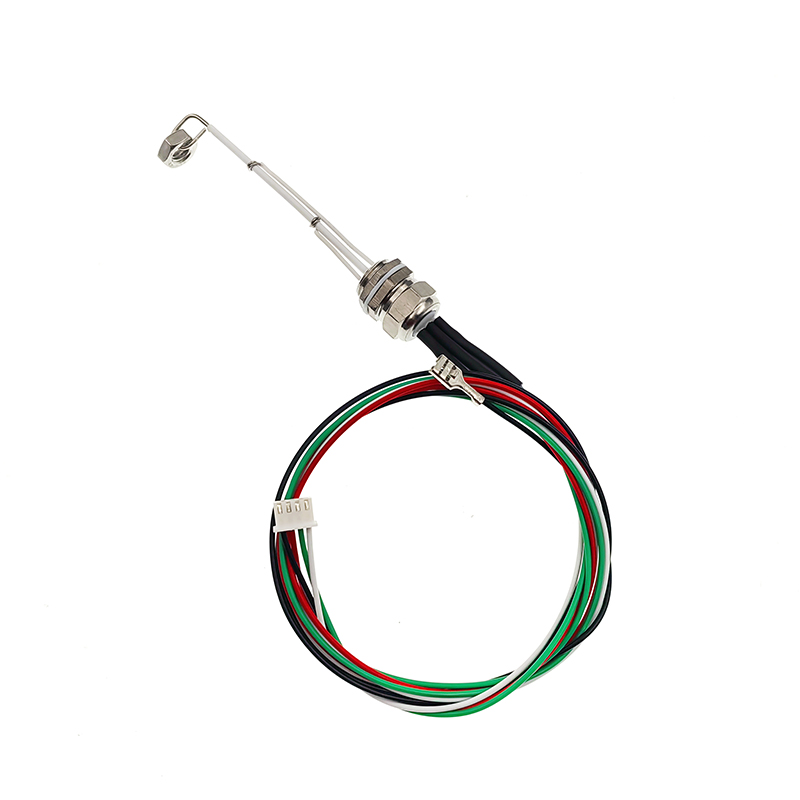 Water level sensorProduct item No.: SKT-2570View Product →
The fastest way to overspend on a sensor network is to buy hardware before defining the measurement plan. This sequence keeps node choices aligned with what the site actually needs.
Wireless nodes earn their keep in remote, moving, or hard-to-cable locations, but the decision is rarely absolute. The table below compares common assumptions with the evaluations that prevent expensive surprises.
| Common assumption | What to evaluate instead |
|---|---|
| Wireless always costs less than wired. | Count batteries, gateway hardware, RF site surveys, and field troubleshooting over five years before comparing prices. |
| One node type fits every location. | Temperature extremes, chemical exposure, and mounting constraints change both the sensing element and the enclosure. |
| Faster sampling gives better data. | More samples drain the battery and saturate the radio; match the interval to the real process dynamics. |
| Data that reaches the cloud is accurate. | A miscalibrated or drifting sensor produces clean-looking but false readings. Verify calibration, not just connectivity. |
Wireless nodes solve cabling problems; they do not remove the physics of power, range, or sensor accuracy.
Vehicles illustrate the wired side well. A diesel truck keeps its NOx sensor wired to the ECU because the powertrain controller needs deterministic timing, heater control, and failsafe diagnostics — yet the sensing element still has to survive extreme vibration, thermal shock, and soot exposure, exactly the questions a wireless node designer faces.
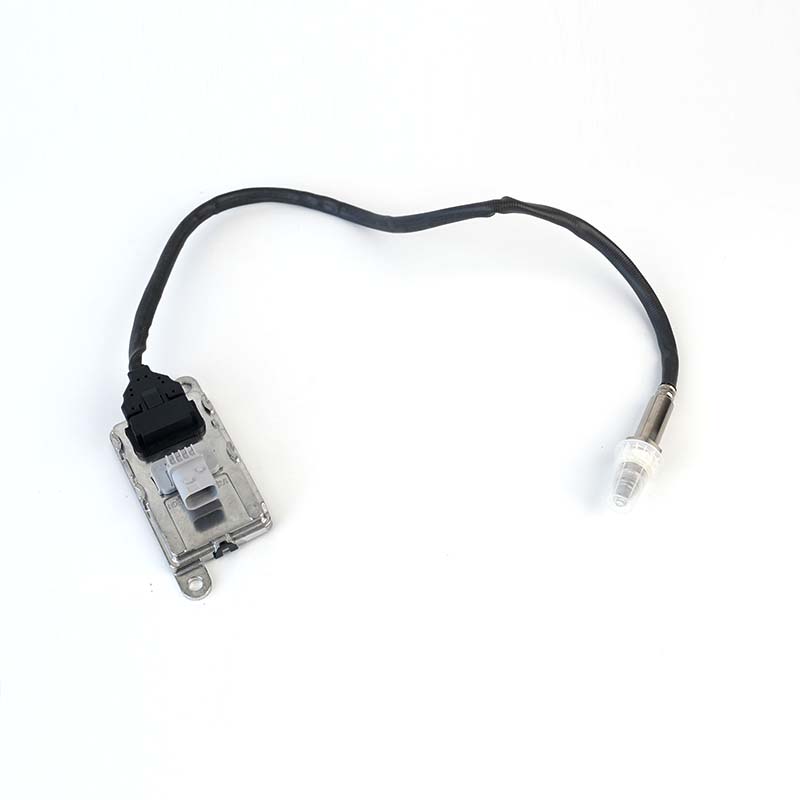 NOx Sensor ManufacturersOur NOx sensors are specifically designed for modern internal combustion engines and hybrid vehicles, enabling real-time monitoring of NOx concentrations in exhaust ga...View Product →
In most field deployments, the radio draws 60–80% of a node's energy budget, so reducing transmission frequency extends node life more than installing a bigger battery.
Beyond the radio, these parameters separate a workable specification from a recurring headache:
For temperature-heavy applications, the sensing element is usually the first component to reach its specification limit. A thermistor-based exhaust temperature probe designed for engine bays and an industrial temperature transmitter for a boiler are not interchangeable, even when the measurement range looks similar.
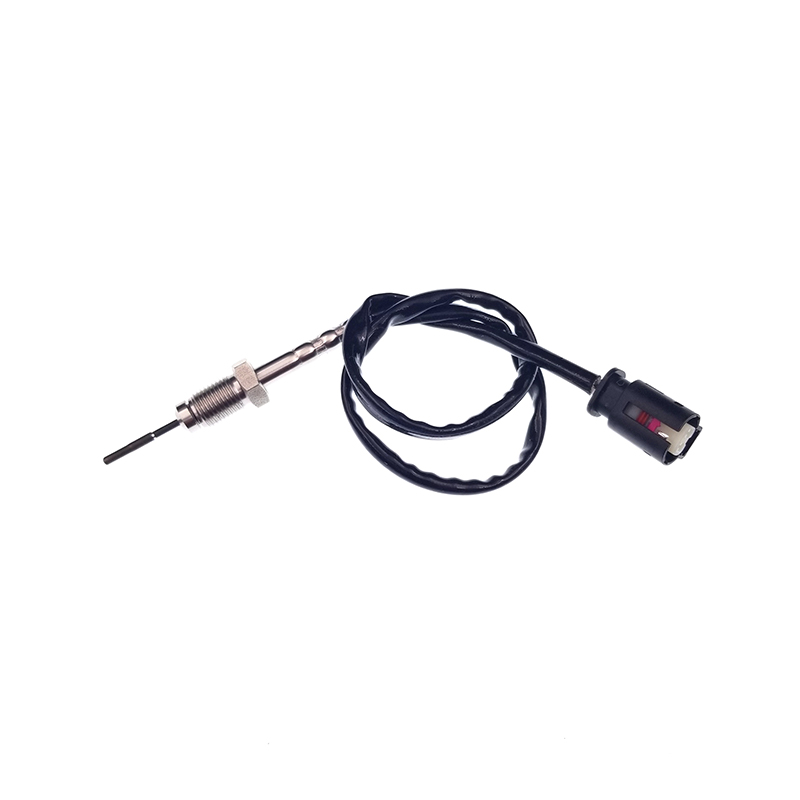 NTC EGT Sensor ManufacturersThe NTC EGT Sensor uses NTC thermistor technology. When the temperature of the three-way catalytic converter rises abnormally, the resistance value drops rapidly, trig...View Product →
Buying sensing elements for a wireless node is different from buying finished sensor devices. We work on the manufacturing side every day, and these four checks catch most specification errors.
You can walk through our in-house manufacturing facilities to see how sheathed sensors and cables are produced and tested before they ship.
Wireless sensor node failures rarely announce themselves. They show up as gaps in a time series, a slightly colder reading, or a battery that dies in January. These pitfalls account for most field problems:
Design the system backward from the maintenance plan: know who will visit which node, when, and what they will check. A small, documented routine is the cheapest insurance for a sensor network.
When your sensing element must survive engine heat, exhaust gas, or the harsh conditions of industrial processing, contact our engineering team to review samples and lead times.
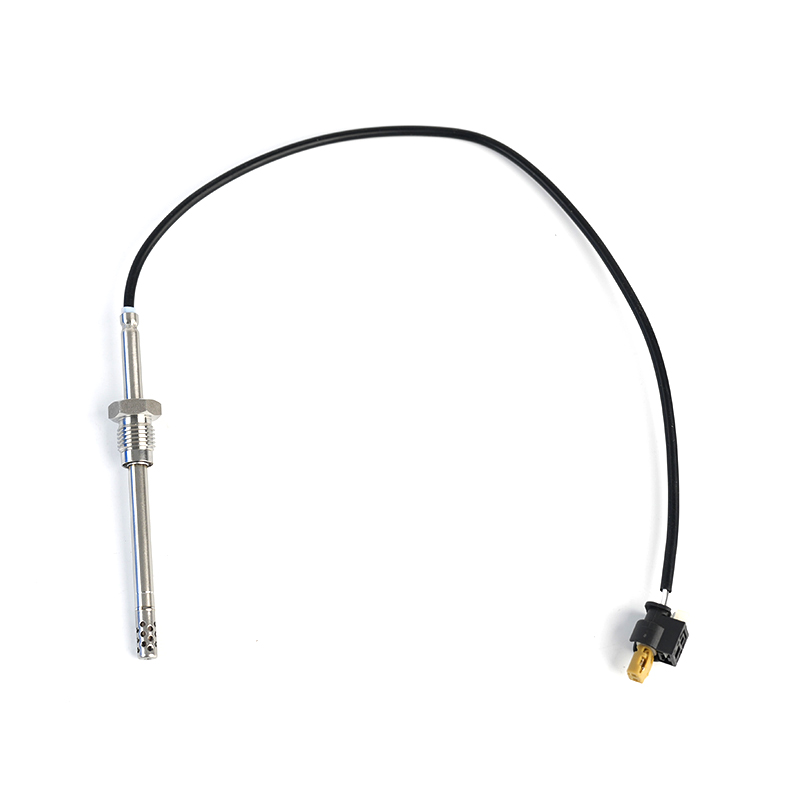
MERCEDES-BENZC-CLASS (W203) (2000/05 - 2007/08)MERCEDES-BENZC-CLASS Coupe (CL203) (2001/03 - 2011/06...
See Details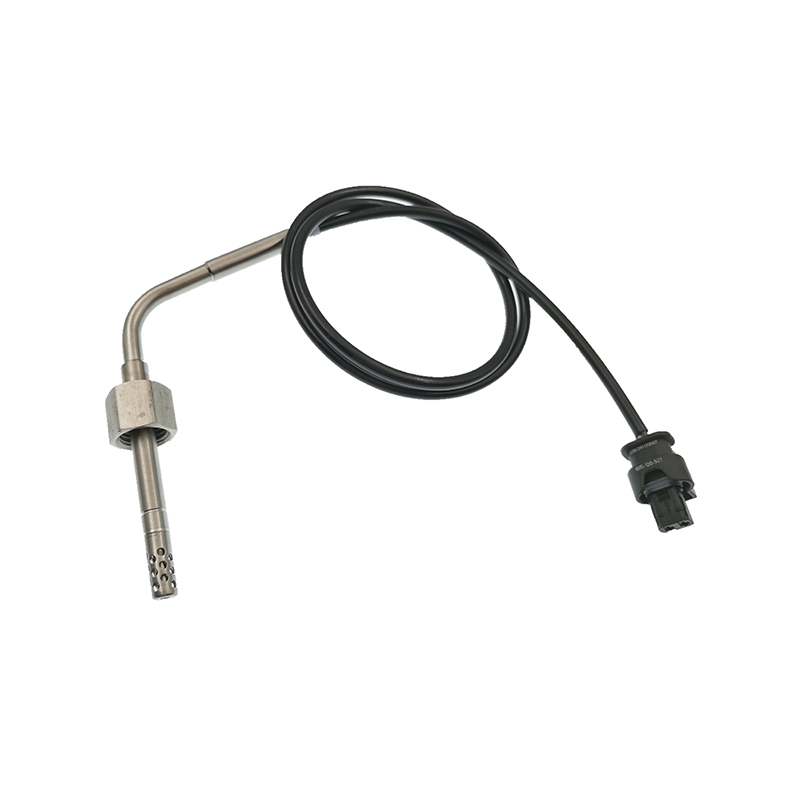
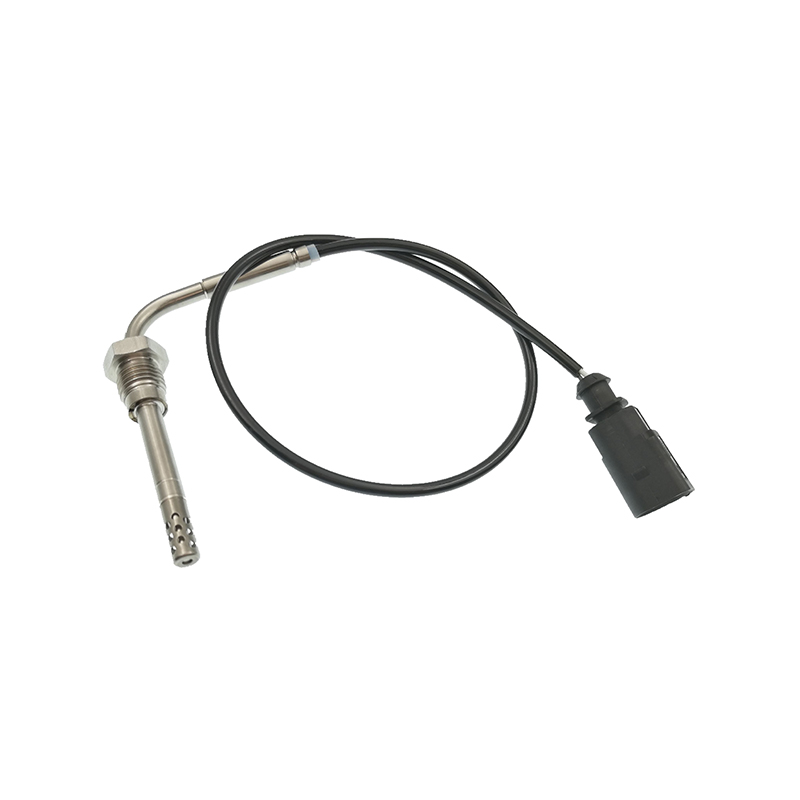
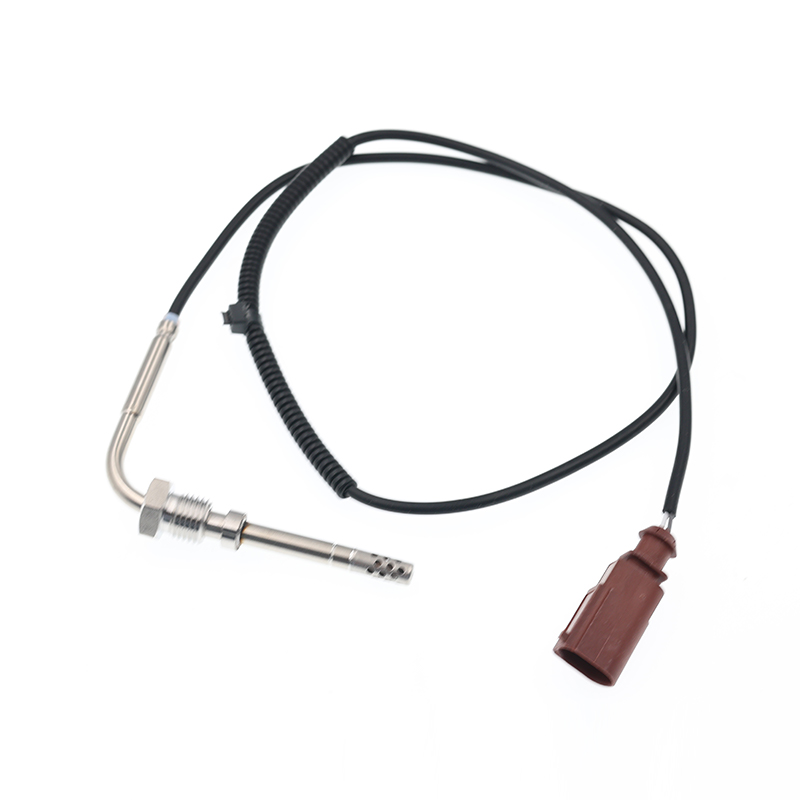
AUDIQ7 (4L) (2006/03 - 2015/08)VWTOUAREG (7LA, 7L6, 7L7) (2002/10 - 2010/05)
See Details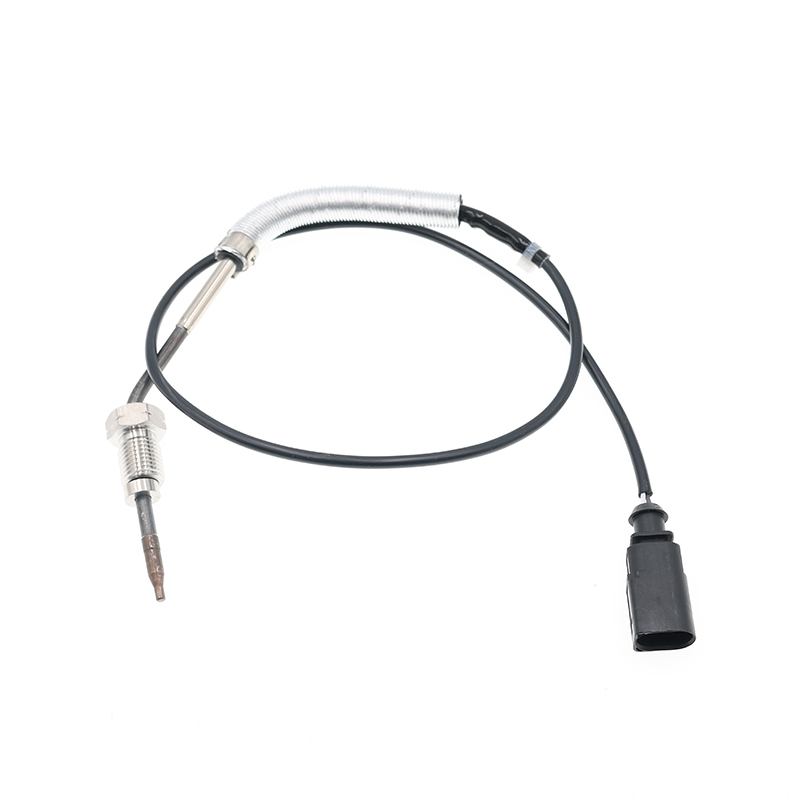
AUDIA3 (8P1) (2003/05 - 2012/08)AUDIA3 Sportback (8PA) (2004/09 - 2013/03)AUDIA4 (8EC, B7) (2004/11 ...
See Details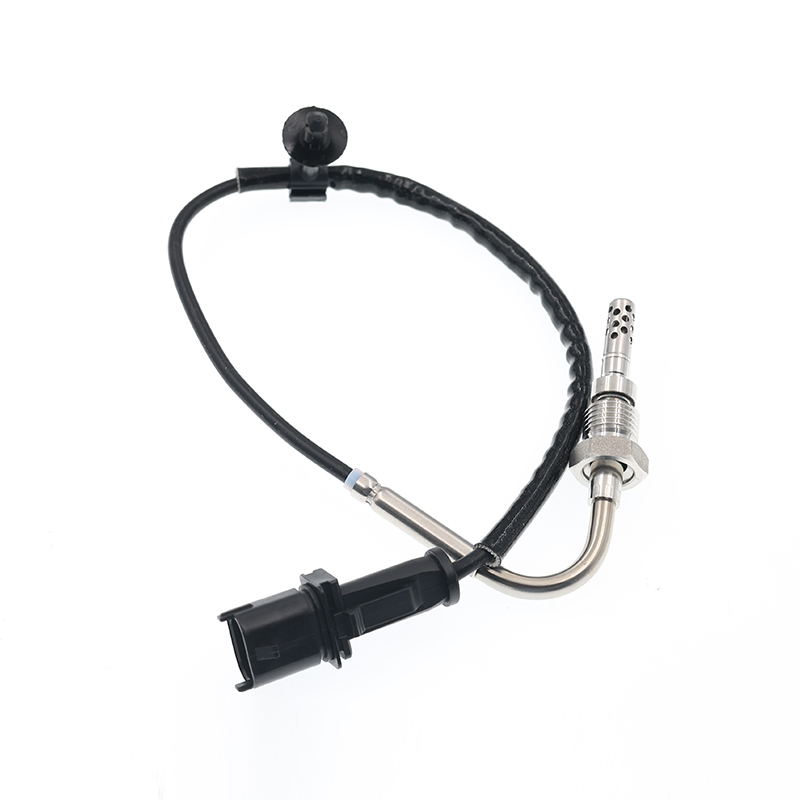
OPEL ASTRA J (2009/12 - /) OPEL ASTRA J Sports Tourer (2010/10 - /) OPEL ASTRA GTC J ...
See Details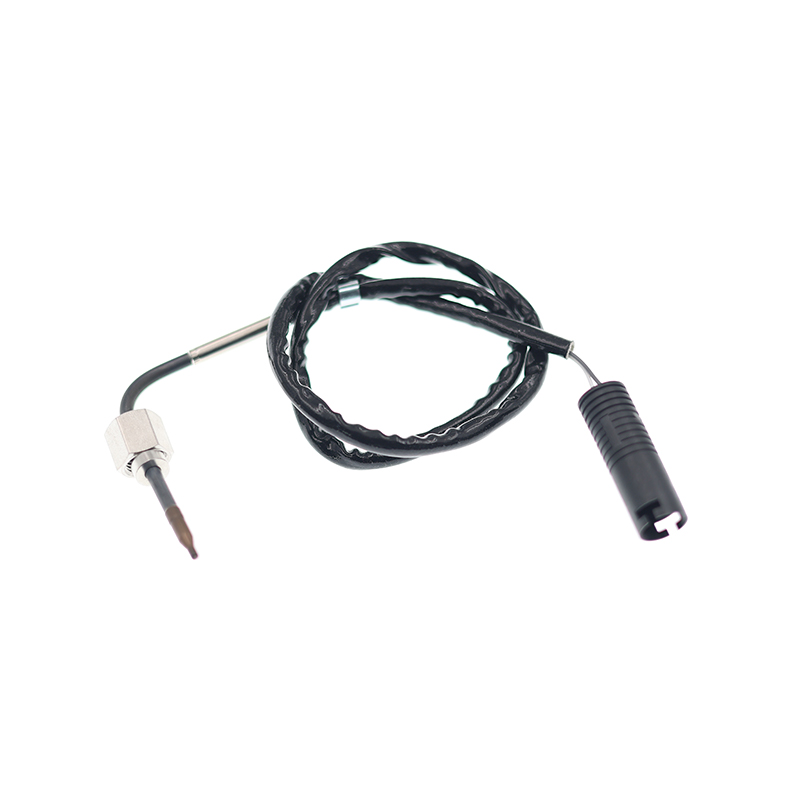
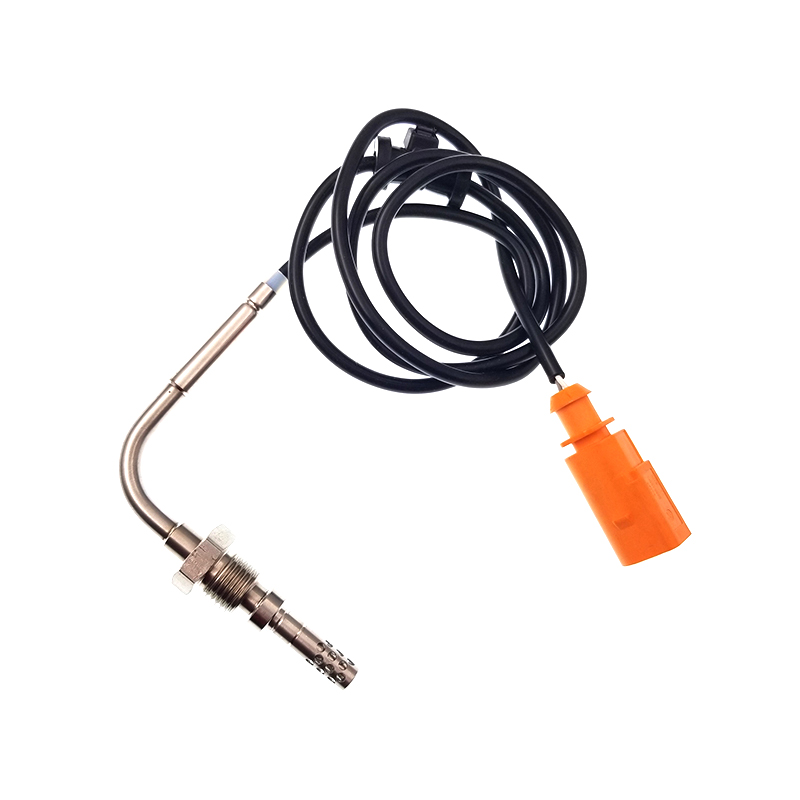
VWJETTA III (1K2) (2005/08 - 2010/10) VWGOLF VI (5K1) (2008/10 - 2013/11) VWGOLF VI Varia...
See Details
ADD: No.85 Jiuyuan Road, Economic Development Zone, Gaoyou city ,Yangzhou city ,225600 Jiangsu Province, China.
Copyright © Sook High Tech (Jiangsu) Co., Ltd. All Rights Reserved. OEM/ODM Automotive Sensor Manufacturers

