
 English
 Español
 Français
 简体中文
简体中文ADD: No.85 Jiuyuan Road, Economic Development Zone, Gaoyou city ,Yangzhou city ,225600 Jiangsu Province, China.
MERCEDES-BENZC-CLASS (W203) (2000/05 - 2007/08)MERCEDES-BENZC-CLASS Coupe (CL203) (2001/03 - 2011/06...
See DetailsContent
A heavy-duty diesel truck is mid-regeneration on a highway. Its engine control unit polls the exhaust-gas temperature at the diesel particulate filter every few hundred milliseconds, with gas temperatures above 500°C, for ten minutes or more. No practical energy-harvesting circuit can feed that data stream, because self-powered sensing is not a universal replacement for wired measurement. It is a proven, valuable option for low-power monitoring — and a poor fit for continuous, safety-critical or high-temperature channels. Knowing that boundary first makes every downstream specification decision easier.
A self-powered sensor generates the energy it needs from its surroundings. It still consumes power — for the sensing element, signal conditioning and wireless transmission — but it draws that power from ambient sources instead of a battery or a cable. The governing term is energy harvesting, and each harvesting route has a practical output ceiling.
| Energy source | Practical yield | Typical application | Maturity |
|---|---|---|---|
| Mechanical vibration | 1–100 µW/cm³ | Machine and bearing monitoring | Commercial |
| Thermal gradient | 10–100 µW per 10°C | Pipeline tags, heat-exchanger monitors | Commercial |
| Ambient RF | 0.1–10 µW at distance | Indoor asset tracking | Niche |
| Indoor light | 10–100 µW/cm² | Building automation nodes | Commercial |
| Magnetic field near a wire | 0.1–10 mW | Power-line and load monitoring | Research to pilot |
Yields are order-of-magnitude figures; actual output depends on harvester size, efficiency and installation conditions.
The pattern is consistent: harvesting works best when a sensor wakes briefly, transmits a small packet and sleeps again. When the application demands continuous sampling of fast-changing signals, the power budget moves from microwatts to watts — and the self-powered concept loses its technical and economic case.
A magnetic-energy harvester mounted next to a high-current conductor can keep a temperature sensor running for years without a battery change — a genuine advantage in hard-to-reach locations. The same logic serves structural monitoring, conveyor systems and building automation. The evaluation changes, however, when a measurement is continuous, the load is high, or the signal feeds a safety function.
| Application area | Self-powered fit | Why it matters |
|---|---|---|
| Remote structural monitoring | Yes | Low data rate; sensor wakes, samples and sleeps |
| Conveyor and machine vibration | Conditional | Vibration energy exists but varies with load cycles |
| Exhaust-gas temperature sensing | No | Continuous sampling; high temperature; ECU control loop |
| SCR NOx sensing | No | Heated element draws watts; closed-loop dosing control |
| Wheel-speed (ABS) sensing | No | Safety-critical; continuous pulse train to ABS/ESC |
Fit assessment assumes realistic installation conditions; always validate with a field prototype.
Exhaust temperature, NOx and wheel-speed channels sit firmly on the "no" side. They need continuous, fast and reliable measurement, and some channels also power an internal heater. For these applications, the specification starts with the sensing element and signal integrity, not with the energy source. That is why catalog depth based on real OE cross-references matters more than the novelty of the power source.
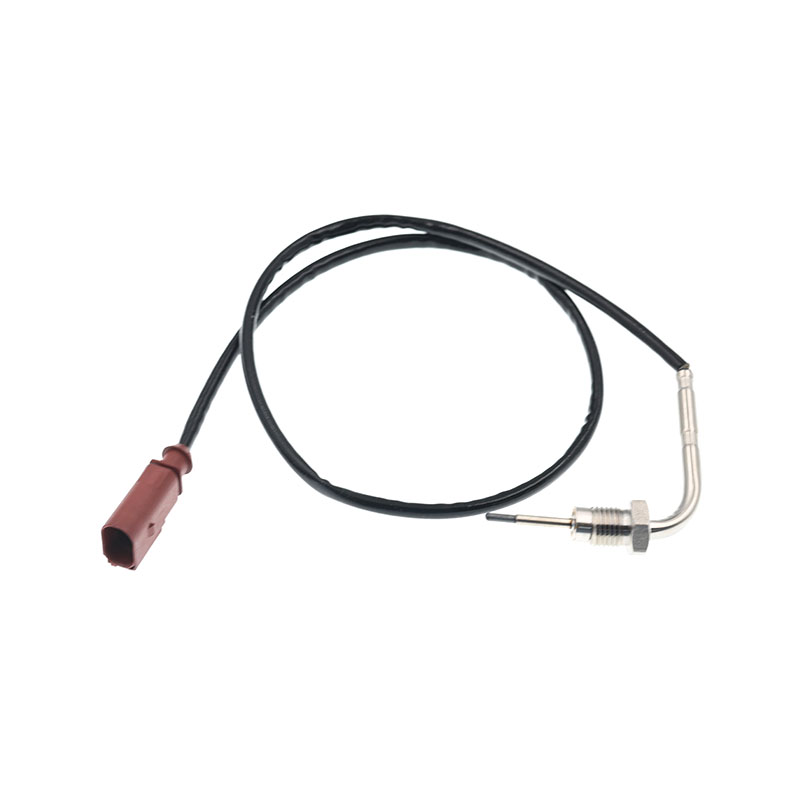 03L906088BH NTC Exhaust Gas Temperature Sensor for VW, Audi, SEAT, SkodaA passive NTC element backed by OE-style cross-references, this EGT sensor suits continuous exhaust temperature monitoring across several VW Group platforms, where signal integrity matters more than the power source.View Product →
A "no" verdict is not a failure of the technology; it is the result of comparing real loads with real harvester output.
If an application looks suitable, evaluate it with the same discipline used for any industrial sensing decision.
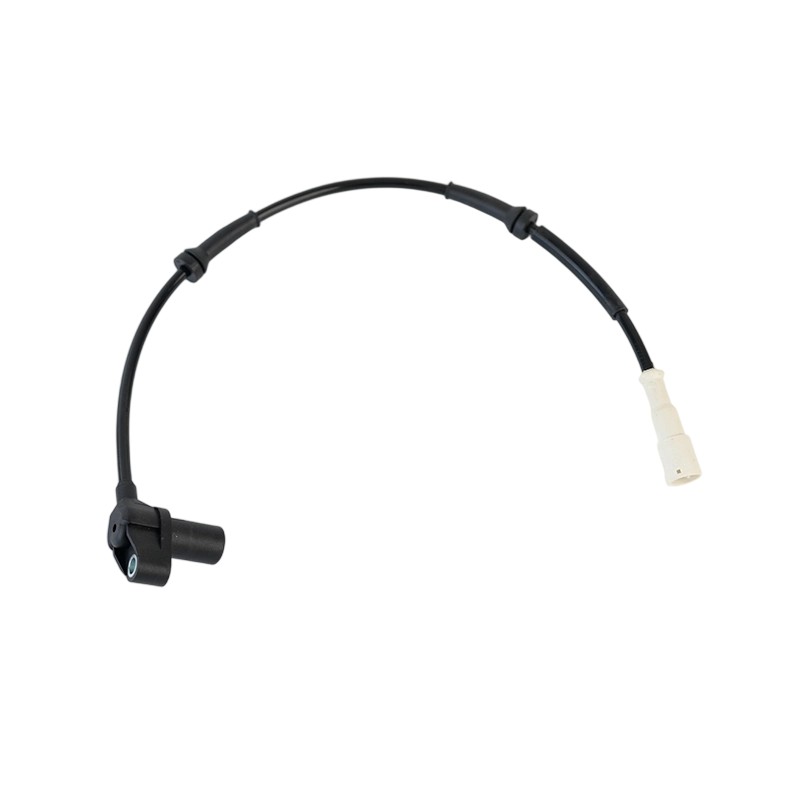 0265006383 / 7700411747 ABS Wheel Speed Sensor for Renault Clio and SymbolThis ABS sensor provides the continuous wheel-speed pulse train required by ABS and ESC systems without external power, making it a practical option for Renault Clio II and Symbol applications.View Product →
ABS and ESC systems rely on a continuous wheel-speed pulse train, not on intermittent data. If a sensor cannot guarantee that pulse train without external power, it does not belong on a wheel hub.
A diesel NOx sensor's internal heater can draw 8–15 W during warm-up. A microwatt-class harvester is three orders of magnitude too small for that load.
That single number explains why aftertreatment sensing remains wired. The same logic applies to exhaust temperature measurement: an NTC or thermocouple element is passive, but its signal chain — excitation, conditioning, diagnostics — has a continuous power budget. When comparing sensors, check element temperature range, response time, insulation resistance and connector integrity rather than energy-harvesting ratings.
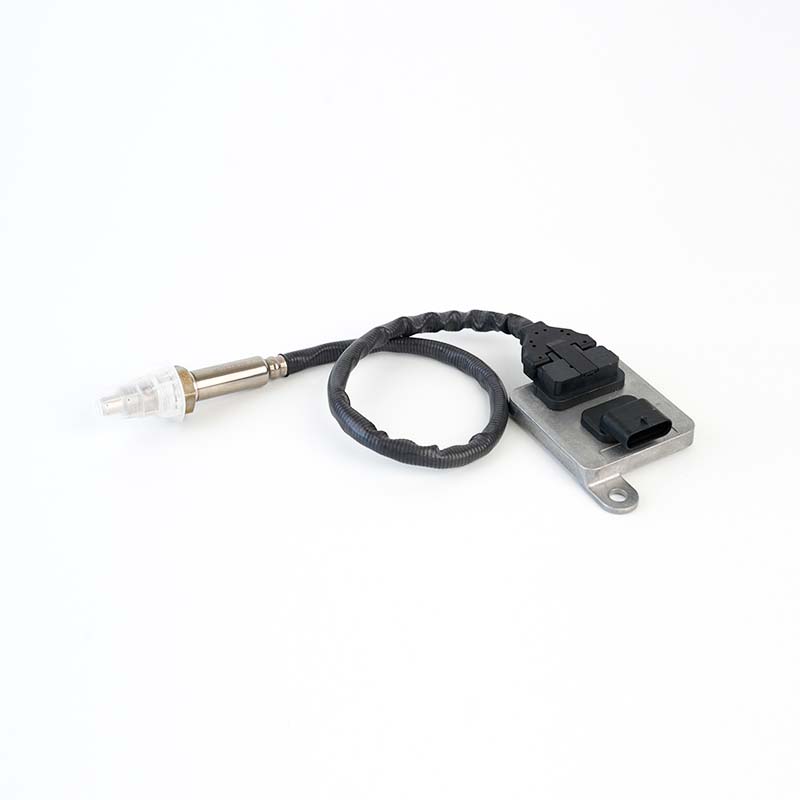 11787587130 NOx Sensor with Continental Reference 5WK96621FA wired aftertreatment sensing solution whose continuous power budget supports the demanded signal chain; it is backed by verified testing and a broad catalog for correct package, thread and cable fit.View Product →
Verification capability is part of the specification. SOOK's in-house test laboratory, which backs its two manufacturing plants and 600,000-unit annual capacity, exists to confirm those numbers under thermal cycling and vibration. Catalog breadth also matters: more than 2,500 exhaust-temperature references and 450 NOx references mean the correct OE-style package, thread size and cable length are available without redesigning the harness.
When the decision lands on a powered sensor — as it does for most exhaust, NOx and wheel-speed channels — the sourcing questions change. Keep these checks on the list.
If you are specifying thermocouple-type exhaust sensors, the difference between grounded and ungrounded junctions directly affects noise behaviour and response time — a detail covered in our thermocouple EGT sensor note.
The bottom line: self-powered sensors are a serious, useful option for low-power monitoring where batteries are impractical. For continuous measurement, high-temperature exhaust, or safety-related signals, specify a sensor designed for the measurement itself — and buy it from a manufacturer that tests it properly.
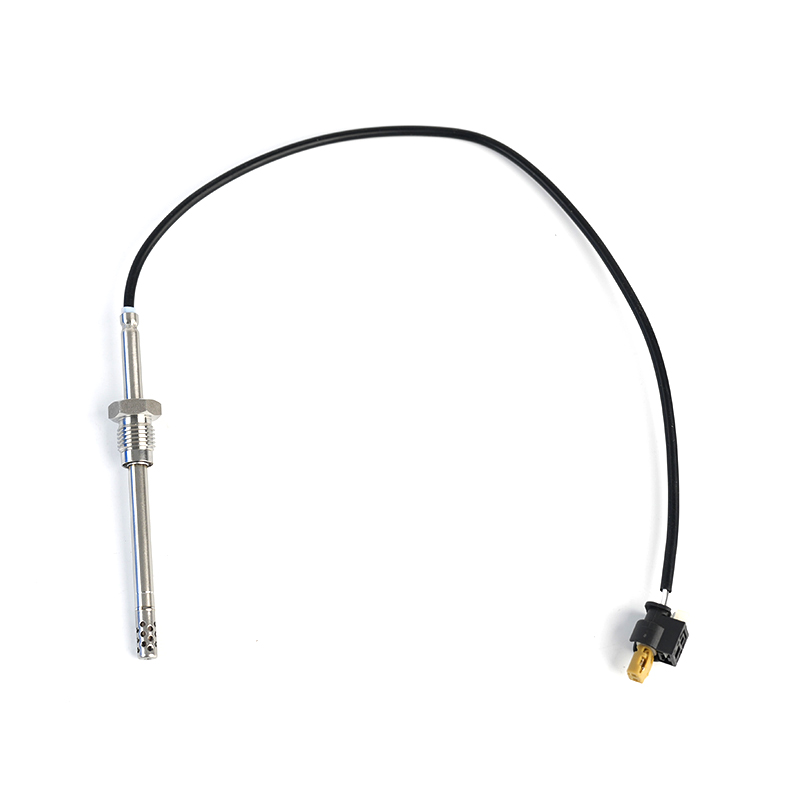
MERCEDES-BENZC-CLASS (W203) (2000/05 - 2007/08)MERCEDES-BENZC-CLASS Coupe (CL203) (2001/03 - 2011/06...
See Details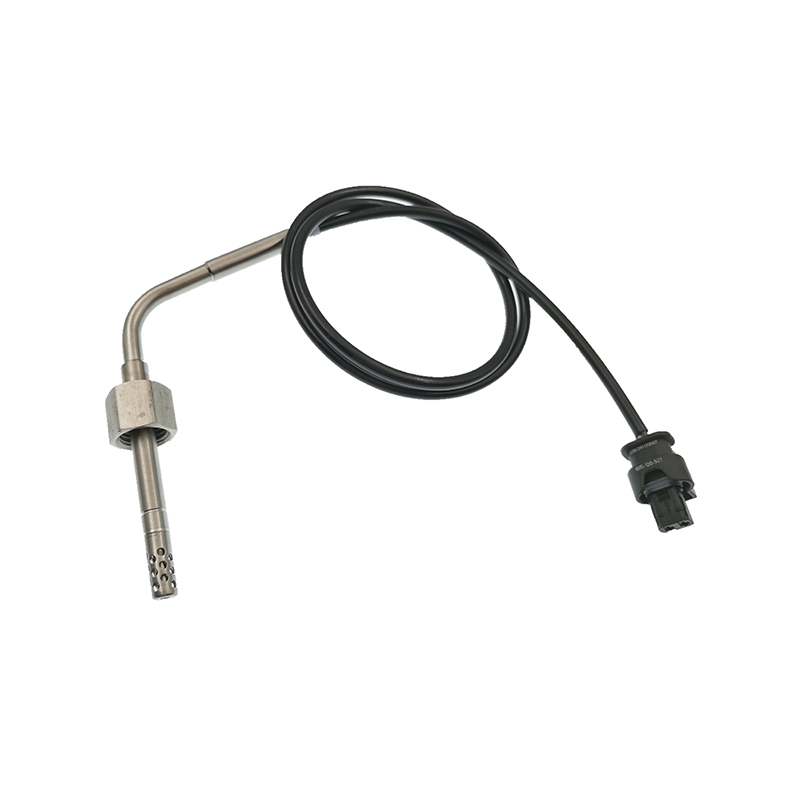
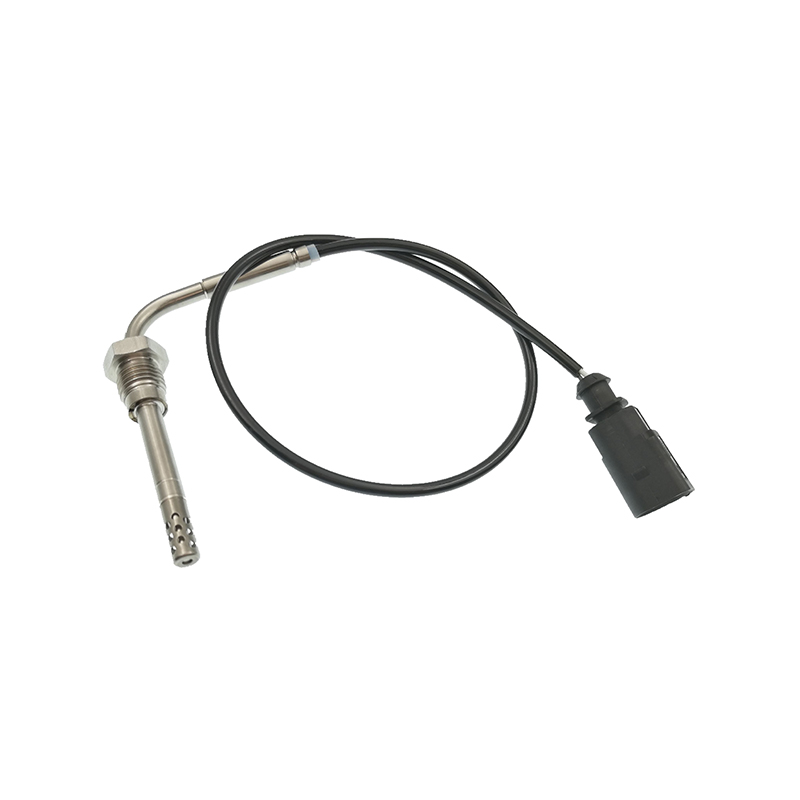
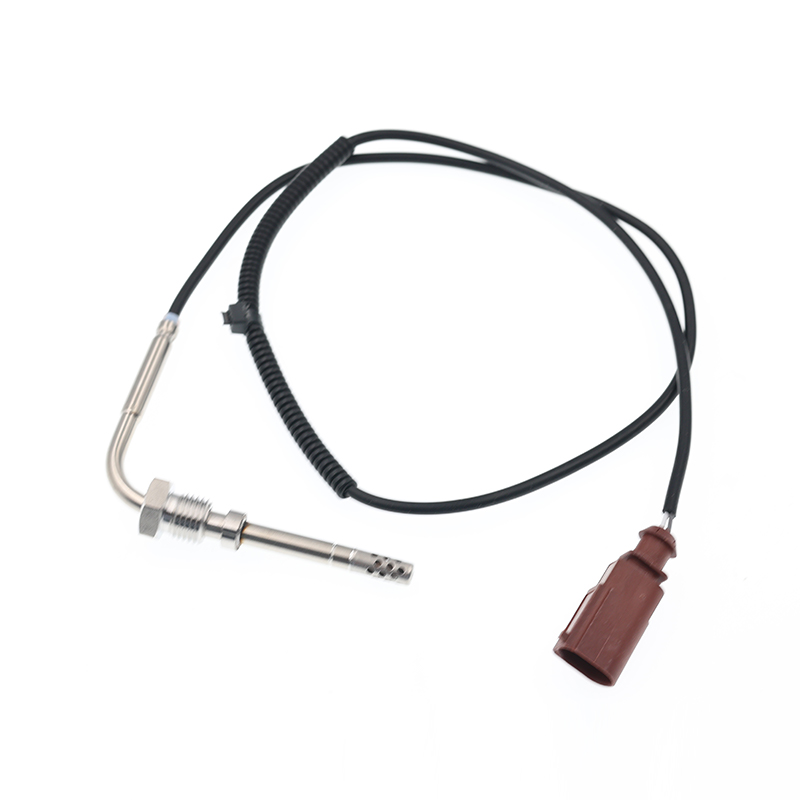
AUDIQ7 (4L) (2006/03 - 2015/08)VWTOUAREG (7LA, 7L6, 7L7) (2002/10 - 2010/05)
See Details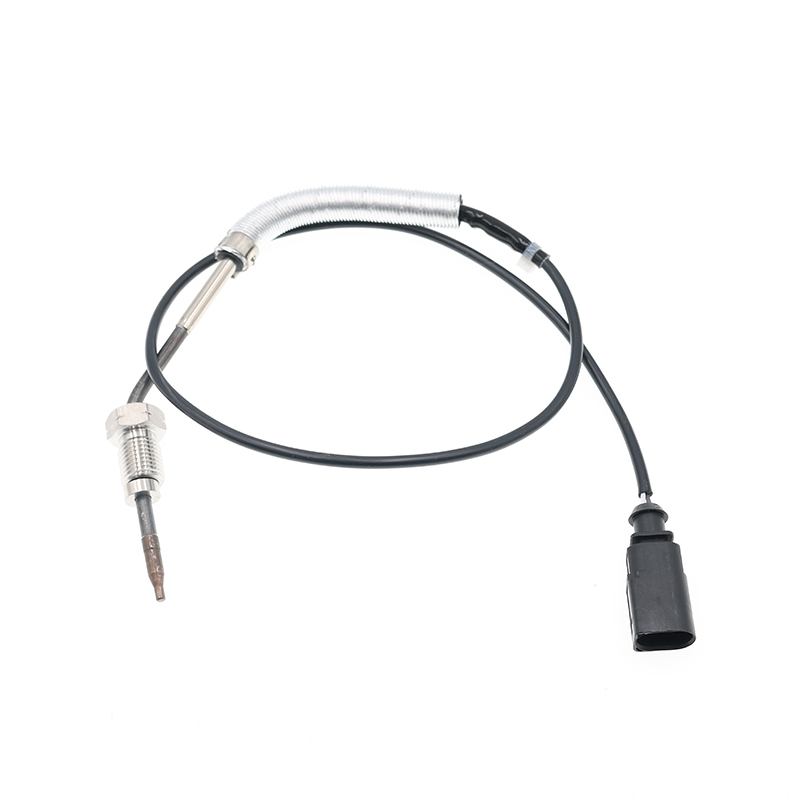
AUDIA3 (8P1) (2003/05 - 2012/08)AUDIA3 Sportback (8PA) (2004/09 - 2013/03)AUDIA4 (8EC, B7) (2004/11 ...
See Details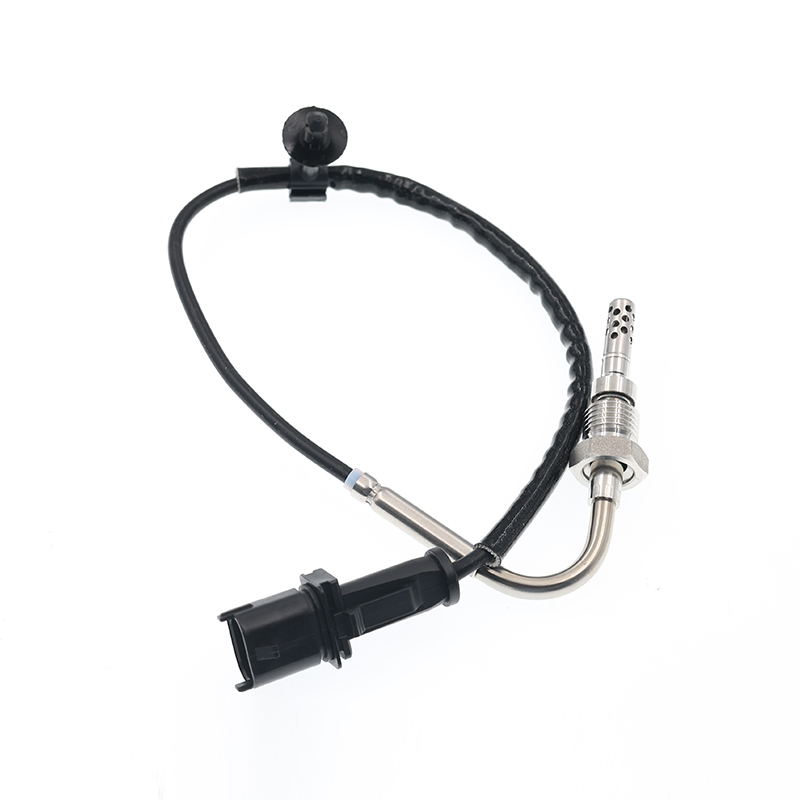
OPEL ASTRA J (2009/12 - /) OPEL ASTRA J Sports Tourer (2010/10 - /) OPEL ASTRA GTC J ...
See Details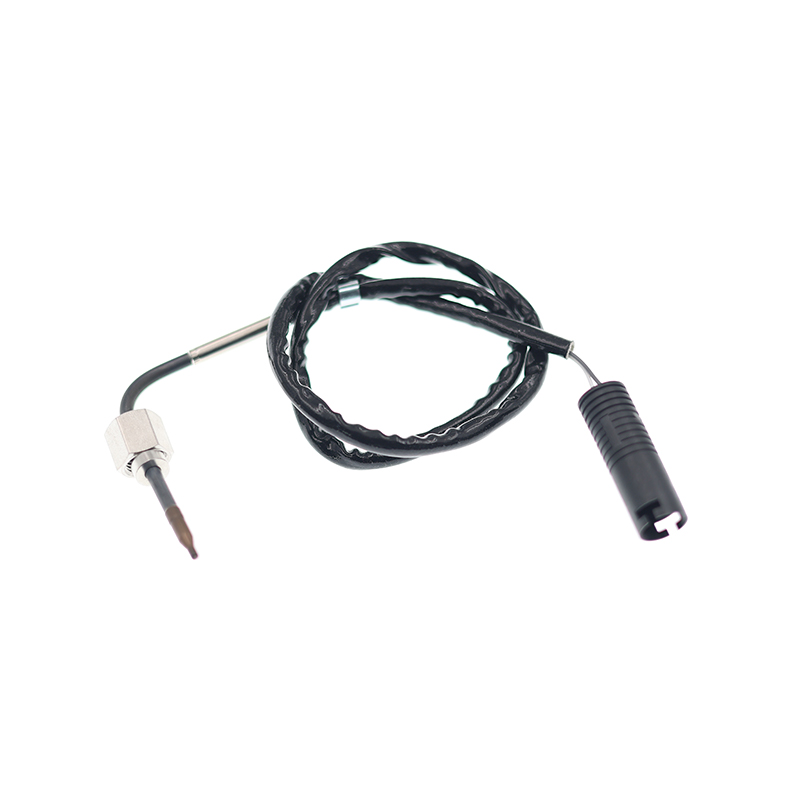
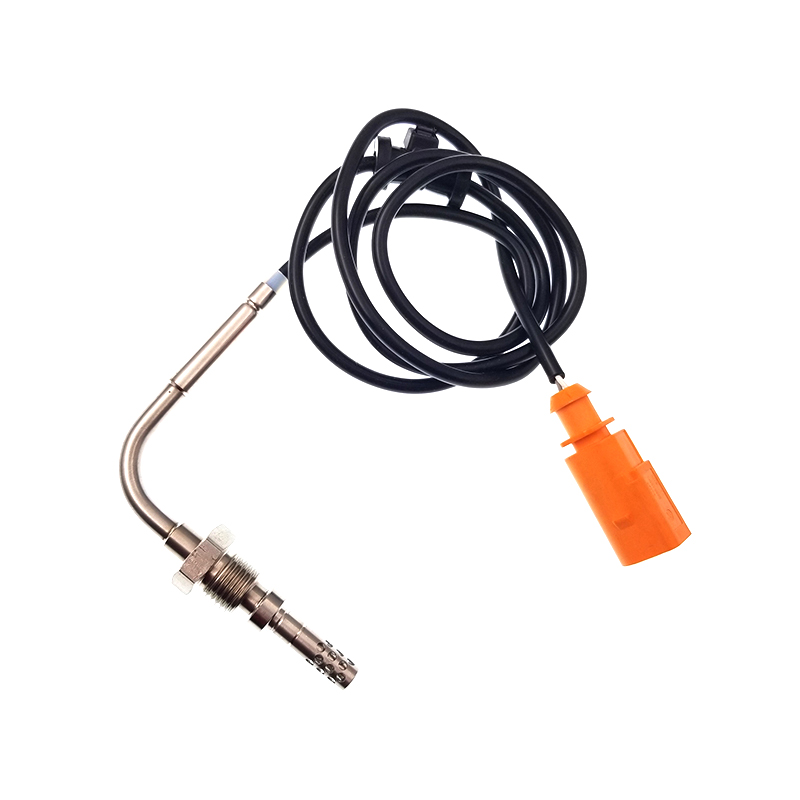
VWJETTA III (1K2) (2005/08 - 2010/10) VWGOLF VI (5K1) (2008/10 - 2013/11) VWGOLF VI Varia...
See Details
ADD: No.85 Jiuyuan Road, Economic Development Zone, Gaoyou city ,Yangzhou city ,225600 Jiangsu Province, China.
Copyright © Sook High Tech (Jiangsu) Co., Ltd. All Rights Reserved. OEM/ODM Automotive Sensor Manufacturers

