
 English
 Español
 Français
 简体中文
简体中文ADD: No.85 Jiuyuan Road, Economic Development Zone, Gaoyou city ,Yangzhou city ,225600 Jiangsu Province, China.
MERCEDES-BENZC-CLASS (W203) (2000/05 - 2007/08)MERCEDES-BENZC-CLASS Coupe (CL203) (2001/03 - 2011/06...
See DetailsContent
In automotive exhaust gas temperature measurement, NTC (Negative Temperature Coefficient) sensors are preferred over PTC (Positive Temperature Coefficient) sensors in the majority of passenger vehicles and light commercial vehicles because they offer higher sensitivity across a wider temperature range, faster response times, simpler signal conditioning circuitry, and lower system cost. An NTC EGT sensor's resistance drops rapidly and predictably as exhaust temperature rises — a characteristic that gives the engine control unit (ECU) a high-resolution, real-time temperature signal with minimal processing overhead.
That said, NTC and PTC are not interchangeable. Each has a distinct electrical behavior, a defined operating range, and a specific set of application advantages. Understanding the technical difference between them — and why automotive engineers consistently select the NTC EGT sensor for catalytic converter and exhaust aftertreatment monitoring — is essential for workshops, fleet managers, and procurement professionals sourcing replacement sensors.
Both NTC and PTC sensors are thermistors — resistors whose electrical resistance changes with temperature. The fundamental difference lies in the direction of that resistance change.
An NTC thermistor is made from a semiconducting metal oxide ceramic material whose resistance decreases exponentially as temperature increases. This inverse, highly non-linear relationship gives the NTC sensor its defining characteristic: extreme sensitivity at lower temperatures and a broad measurable range. Even a small temperature increase produces a large, immediately detectable resistance drop — precisely the property required to monitor the rapid temperature swings in an automotive exhaust system.
In an NTC EGT sensor, this thermistor element is housed in a high-temperature-resistant stainless steel probe, sealed against exhaust gas ingress, and connected to the vehicle's wiring harness. The ECU applies a reference voltage across the sensor, reads the resulting output voltage (which varies with resistance, and therefore temperature), and maps it to an exhaust gas temperature value in real time.
A PTC thermistor is typically made from barium titanate or similar ceramic materials and exhibits the opposite characteristic: its resistance increases with temperature. In most PTC devices, this increase is strongly nonlinear above a defined "Curie temperature," producing a very sharp resistance peak. This switching behavior makes PTC sensors useful for overcurrent protection, self-regulating heaters, and specific high-temperature threshold detection — but less suited to the continuous, wide-range temperature monitoring that an exhaust aftertreatment system demands.
PTC EGT sensors are found in certain diesel engine exhaust systems, particularly upstream of diesel particulate filters (DPFs) and selective catalytic reduction (SCR) systems, where detecting specific high-temperature threshold events — rather than tracking a continuous temperature curve — is the primary function.
The NTC thermistor's exponential resistance-temperature curve delivers high sensitivity across a very wide temperature band. A quality NTC EGT sensor, such as those in the SOOK High Tech product range, operates continuously from −40°C to +900°C — covering everything from cold-start conditions to sustained high-load operation. Within that range, even small temperature changes produce measurable resistance shifts that the ECU can resolve and act upon.
PTC sensors, by contrast, have a region of relatively flat (and less sensitive) resistance change below their Curie temperature, followed by a sharp nonlinear transition. This makes them better suited to threshold detection than continuous temperature tracking.
In exhaust aftertreatment systems, the ECU needs temperature data with minimal lag to adjust fueling, control DPF regeneration, and manage SCR urea dosing. The NTC EGT sensor achieves a response time below 8 seconds at an air flow velocity of 10 m/s — fast enough to capture the rapid temperature transients that occur during engine load changes, gear shifts, and regeneration cycles. This responsiveness is critical for emission control systems that must react in real time to maintain compliance with Euro 6 and equivalent standards.
Because the NTC sensor outputs a resistance change that varies smoothly and predictably with temperature, the ECU requires only a simple voltage divider circuit and an analog-to-digital converter to interpret the signal. No cold-junction compensation (as required by thermocouples) and no complex linearization hardware are needed. This straightforward interface keeps system component cost low and reliability high — an important consideration for high-volume automotive production where sensor cost and warranty return rates are closely tracked.
For exhaust aftertreatment monitoring — where the three-way catalytic converter, DPF, and SCR catalyst all have specific operating temperature windows — the most important measurement range is typically 300°C to 800°C. NTC EGT sensors deliver a measurement accuracy of ±10°C below 600°C, tightening to a specification that the ECU can use directly to evaluate catalytic converter light-off status, control DPF regeneration timing, and prevent catalyst overtemperature damage. This level of accuracy, combined with the sensor's fast response, gives the ECU the data quality it needs for precise closed-loop aftertreatment management.
NTC EGT sensors are the dominant sensor type for exhaust temperature monitoring on gasoline engines and many diesel engines globally. This means a broad range of OEM-compatible replacement parts exists to serve the aftermarket. A manufacturer such as SOOK High Tech (Jiangsu) Co., Ltd., established in 2015 and holding National High-Tech Enterprise certification, maintains a catalog of more than 2,000 exhaust temperature sensor models — the majority NTC EGT sensors — covering a wide cross-section of mainstream passenger vehicle, SUV, and commercial vehicle applications across European and North American markets.
When evaluating or sourcing an NTC EGT sensor, the key specification parameters and their practical significance are:
| Parameter | Typical Value | Why It Matters |
|---|---|---|
| Sensor Type | NTC Thermistor | Determines the resistance-temperature characteristic and signal direction |
| Operating Temperature Range | −40°C to +900°C | Must cover both cold-start and sustained high-load exhaust conditions |
| Measurement Accuracy (<600°C) | ±10°C | Governs catalytic converter light-off detection and DPF regeneration timing |
| Measurement Accuracy (>600°C) | ±20°C | Controls overtemperature protection for catalyst and DPF substrates |
| Response Time (at 10 m/s airflow) | <8 s | Enables real-time ECU feedback for closed-loop aftertreatment control |
| Probe Count | 1–2 | Single probe for one measurement point; dual probe for upstream/downstream comparison |
| Signal Output | On-car voltage (resistance-to-voltage conversion) | Direct ECU compatibility without additional signal processing modules |
Modern vehicles — particularly diesel-powered cars, SUVs, and light commercial vehicles with Euro 5/6-compliant engines — may carry two, three, or even four EGT sensors at different points along the exhaust aftertreatment system. Understanding each installation location helps technicians and parts buyers identify which sensor type is required for each position.
The upstream NTC EGT sensor monitors the temperature of exhaust gases exiting the engine before they enter the first aftertreatment component. This reading tells the ECU whether conditions are hot enough for the three-way catalytic converter (gasoline engines) or diesel oxidation catalyst to operate efficiently — a condition known as "light-off," typically reached above 250°C to 300°C. If the upstream sensor signals that temperatures are below light-off, the ECU may advance ignition timing, increase fueling, or delay fuel injection to raise exhaust temperatures more quickly.
On diesel engines with both a DPF and an SCR catalyst for NOx reduction, an NTC EGT sensor positioned between the two components monitors the temperature entering the SCR catalyst. Urea (AdBlue) injection — the process that reduces NOx to nitrogen and water — is only effective within a defined temperature window (typically 200°C to 600°C). The mid-position sensor gives the ECU the precise temperature data needed to control urea dosing quantity and timing accurately.
The downstream sensor monitors the temperature of exhaust gases leaving the DPF. During active DPF regeneration — when the ECU deliberately raises exhaust temperatures to burn off accumulated soot — the downstream sensor confirms that regeneration is proceeding effectively and alerts the ECU if temperatures exceed the DPF's safe operating limit (typically around 700°C to 800°C for most substrates). An NTC EGT sensor that fails at this position will commonly trigger a DPF fault code and inhibit active regeneration, causing soot to accumulate until the DPF becomes blocked.
On turbocharged engines, an NTC EGT sensor may be fitted at the turbocharger turbine outlet to monitor the temperature of gases passing through the turbine wheel. This data is used to protect the turbocharger from thermal overload under sustained high-load operation and to map turbocharger behavior for ECU calibration purposes.
The automotive exhaust temperature sensor market offers three primary technology choices. Understanding the differences guides both OEM specification decisions and aftermarket replacement choices.
| Feature | NTC EGT Sensor | PTC EGT Sensor | Thermocouple EGT Sensor |
|---|---|---|---|
| Operating principle | Resistance decreases with temperature | Resistance increases with temperature | Two-metal junction generates millivolt voltage |
| Max operating temperature | Up to 900°C | Up to ~800°C (model-dependent) | Up to 1,000°C and beyond |
| Sensitivity | Very high — especially in mid-range | High near Curie temperature; lower elsewhere | Moderate — millivolt output requires amplification |
| Signal conditioning | Simple voltage divider | Simple voltage divider | Requires amplification and cold-junction compensation |
| Response speed | Fast (<8 s at 10 m/s) | Fast | Fast with small-diameter armored probe |
| Cost | Low to moderate | Low to moderate | Lowest element cost; higher system cost |
| Primary application | Catalytic converter, DPF, SCR monitoring (gasoline and diesel) | DPF regeneration control, high-temperature threshold detection (diesel) | High-temperature applications, gas turbines, industrial exhaust |
Because the NTC EGT sensor operates continuously in a chemically aggressive, mechanically vibrating, high-temperature environment, it is subject to several failure modes that workshops should be able to identify and diagnose efficiently.
The most common NTC EGT sensor failures are open-circuit and short-circuit conditions in the thermistor element or wiring harness. An open circuit produces infinite resistance, causing the ECU to log a fault code indicating a missing or out-of-range sensor signal. A short circuit produces near-zero resistance, giving the ECU a signal corresponding to an impossibly high temperature. Both conditions trigger the exhaust temperature warning light and — in systems where the sensor reading controls DPF regeneration or SCR urea dosing — disable those functions until the fault is cleared.
Prolonged exposure to exhaust temperatures above the sensor's rated maximum (900°C) causes gradual degradation of the NTC ceramic element, leading to drift in the resistance-temperature characteristic. The sensor does not fail abruptly but instead begins reporting temperatures that are progressively lower than the actual exhaust temperature. This condition is harder to detect without comparing the sensor reading to a known reference, but it produces subtle symptoms such as inaccurate DPF regeneration cycles or slightly elevated exhaust opacity.
Exhaust system vibration — particularly in commercial vehicles and high-performance engines — can cause intermittent open-circuit conditions if the sensor's internal conductor connections fatigue over time, or if the wiring harness connector suffers fretting corrosion at the ECU-facing terminal. Intermittent NTC EGT sensor faults are often position-sensitive: the fault code appears under load or during high-vibration conditions and disappears at idle.
If coolant or engine oil enters the exhaust system — due to a blown head gasket, failing valve stem seals, or a damaged EGR cooler — the deposited residue can contaminate the sensor probe cavity and alter its thermal contact with the exhaust gas stream. This results in measurement errors and, in severe cases, physical damage to the thermistor element.
Sourcing the right NTC EGT sensor for a specific vehicle requires matching the replacement part to the original sensor's mechanical dimensions, electrical characteristics, and connector specification. Using an incorrect sensor — even one that physically fits the exhaust bung — can result in calibration errors, persistent fault codes, and incorrect ECU behavior.
The most reliable way to source a compatible NTC EGT sensor is to cross-reference the original equipment manufacturer (OEM) part number to an equivalent aftermarket part. A well-catalogued supplier maintains cross-reference databases linking OEM numbers to their replacement sensors. For example, part numbers such as ETS105, ETS109, ETS127, ETS129 are cross-referenced to specific vehicle applications, allowing technicians to confirm fitment by OEM number, vehicle make, model, year, and engine variant simultaneously.
The electrical connector on the NTC EGT sensor must match the vehicle wiring harness precisely — both in physical form and in terminal pin count. The most common NTC EGT sensor connectors for European and Japanese vehicle applications are 2-pin and 3-pin designs, with the additional pin(s) used for shielding or ground in sensors installed close to strong electrical interference sources such as the engine management wiring bundle.
NTC EGT sensors are threaded into the exhaust pipe using standard metric threads. Confirming the thread diameter and pitch before installation prevents cross-threading damage to the exhaust bung — a repair that may require welding if the original thread is stripped. Installation torque specifications vary by sensor diameter and must be observed to ensure a gas-tight seal and correct probe insertion depth in the exhaust stream.
For both OEM supply and aftermarket replacement, NTC EGT sensors should be sourced from manufacturers with documented quality management certifications. SOOK High Tech (Jiangsu) Co., Ltd., for instance, has been recognized as a National High-Tech Enterprise and a National Science and Technology Small and Medium-Sized Enterprise, holds Software Enterprise certification, and serves as a member of the China Machinery Industry Standardization Technology Association and a council member of the Sensor and IoT Industry Association. With an annual production capacity of 600,000 sensors of various types and a catalog of more than 2,000 exhaust temperature sensor models exported to Europe and the United States, the company provides an example of the documentation trail and production scale that quality NTC EGT sensor procurement requires.
The NTC EGT sensor is not merely a diagnostic component — it is an active participant in the vehicle's emission control strategy. Modern Euro 6 and equivalent emission standards impose strict limits on NOx, particulate matter, and hydrocarbon emissions under real-world driving conditions, not just on a test cycle. Meeting these limits in the real world requires the aftertreatment system to operate within its effective temperature window as much of the time as possible — a goal that depends directly on the accuracy and responsiveness of the NTC EGT sensor.
During cold starts, the NTC EGT sensor upstream of the three-way catalytic converter (gasoline engines) monitors exhaust temperature as it rises from ambient toward the catalyst's light-off threshold. The ECU uses this reading to decide how aggressively to apply cold-start enrichment strategies — including secondary air injection, late ignition timing, and increased idle speed — that raise exhaust temperature as quickly as possible without engine damage. A slow or inaccurate upstream NTC EGT sensor means the catalyst takes longer to reach operating temperature, increasing cold-start hydrocarbon and CO emissions.
Active DPF regeneration — the process of burning accumulated soot by raising exhaust temperature above 550°C — is triggered and controlled by the ECU based on NTC EGT sensor readings at multiple points in the aftertreatment system. If the upstream sensor over-reads (reports a temperature higher than actual), the ECU may attempt regeneration when temperatures are actually too low, resulting in incomplete soot combustion and progressive DPF blocking. If the downstream sensor under-reads, the ECU may continue regeneration beyond the point at which soot combustion is complete, exposing the DPF substrate to unnecessary thermal stress.
In diesel engines equipped with SCR systems for NOx reduction, the NTC EGT sensor positioned at the SCR catalyst inlet provides the temperature data that governs urea injection quantity. Urea hydrolysis and NOx reduction efficiency are strongly temperature-dependent: below approximately 200°C, urea cannot fully hydrolyze; above approximately 550°C, side reactions begin to deposit ammonium sulfate on the catalyst. An accurate, responsive NTC EGT sensor at the SCR inlet is therefore essential for maintaining NOx reduction efficiency across a wide range of driving conditions.
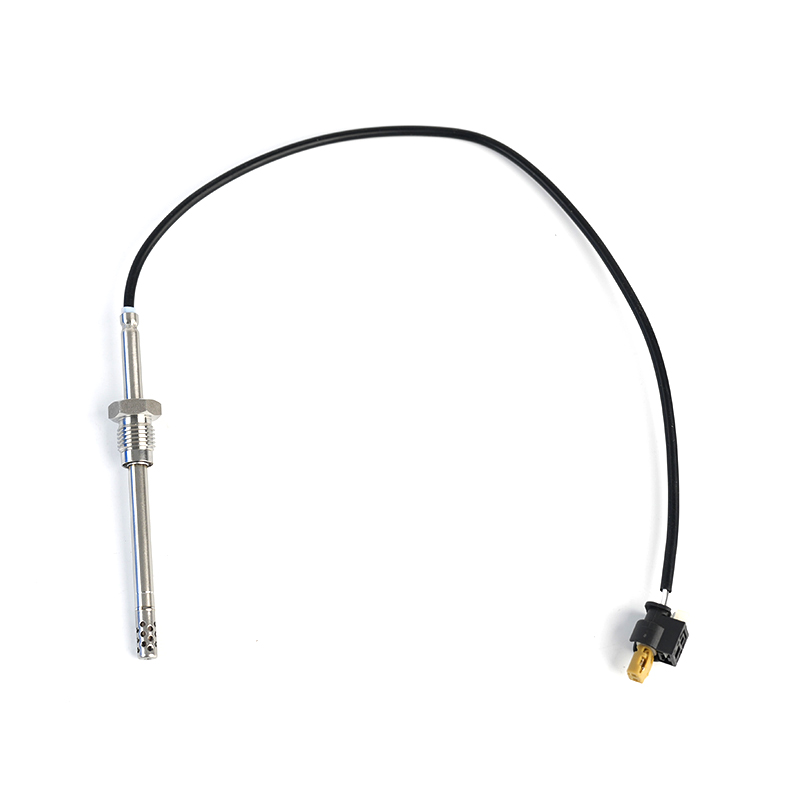
MERCEDES-BENZC-CLASS (W203) (2000/05 - 2007/08)MERCEDES-BENZC-CLASS Coupe (CL203) (2001/03 - 2011/06...
See Details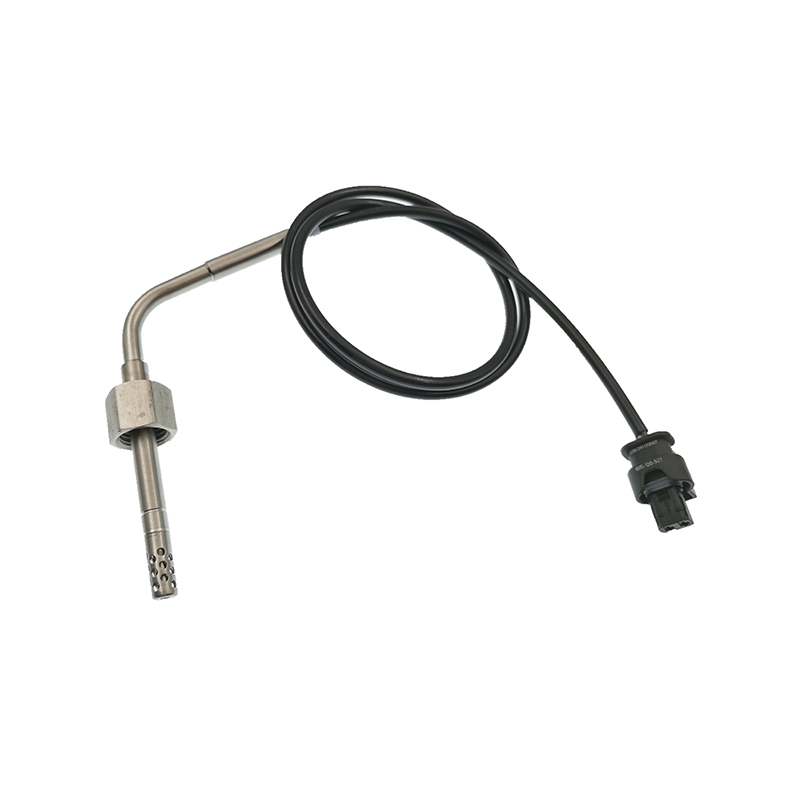
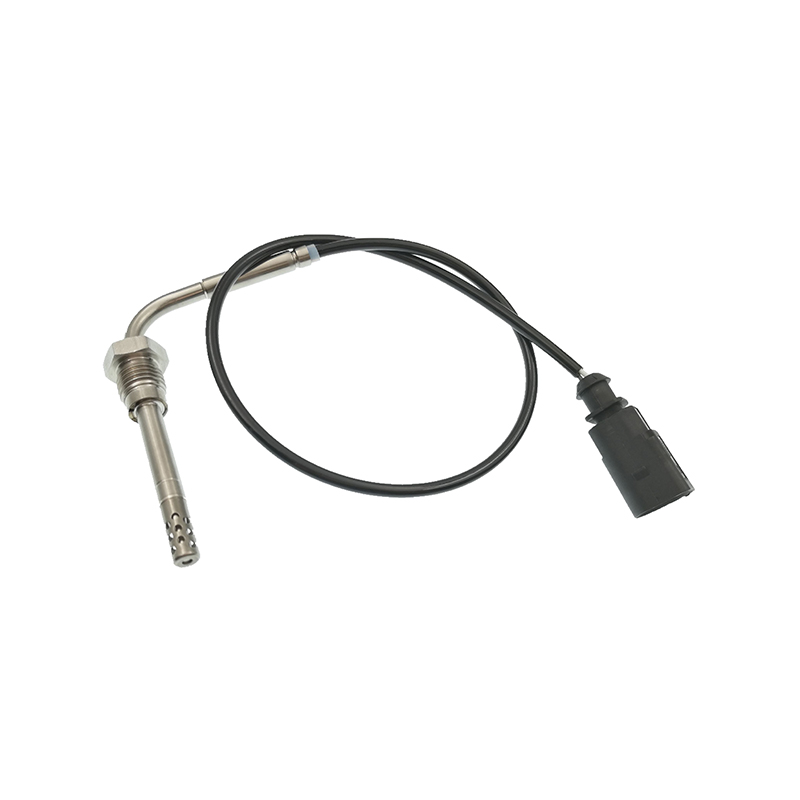
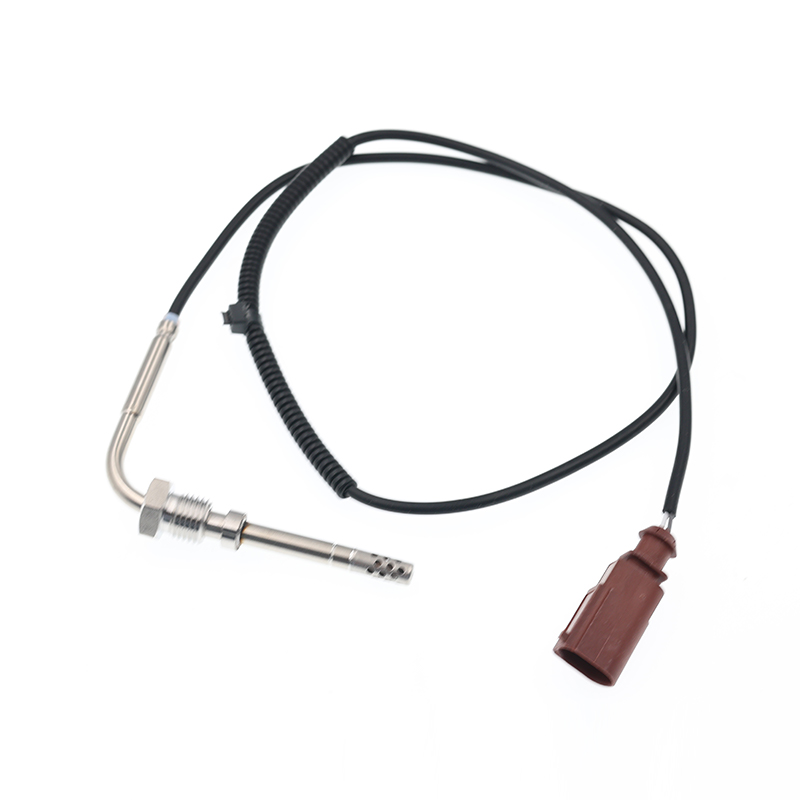
AUDIQ7 (4L) (2006/03 - 2015/08)VWTOUAREG (7LA, 7L6, 7L7) (2002/10 - 2010/05)
See Details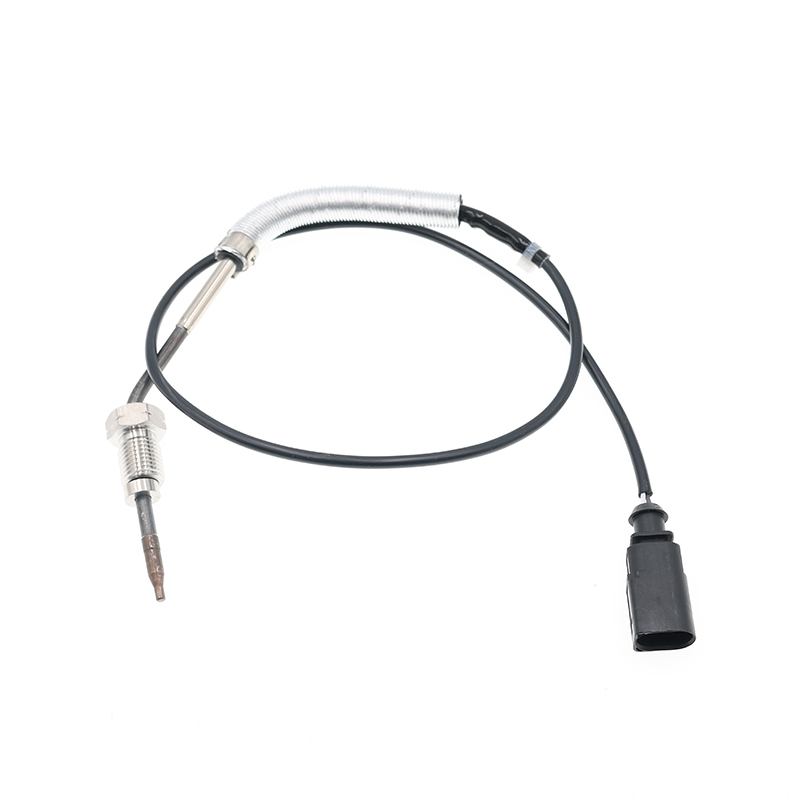
AUDIA3 (8P1) (2003/05 - 2012/08)AUDIA3 Sportback (8PA) (2004/09 - 2013/03)AUDIA4 (8EC, B7) (2004/11 ...
See Details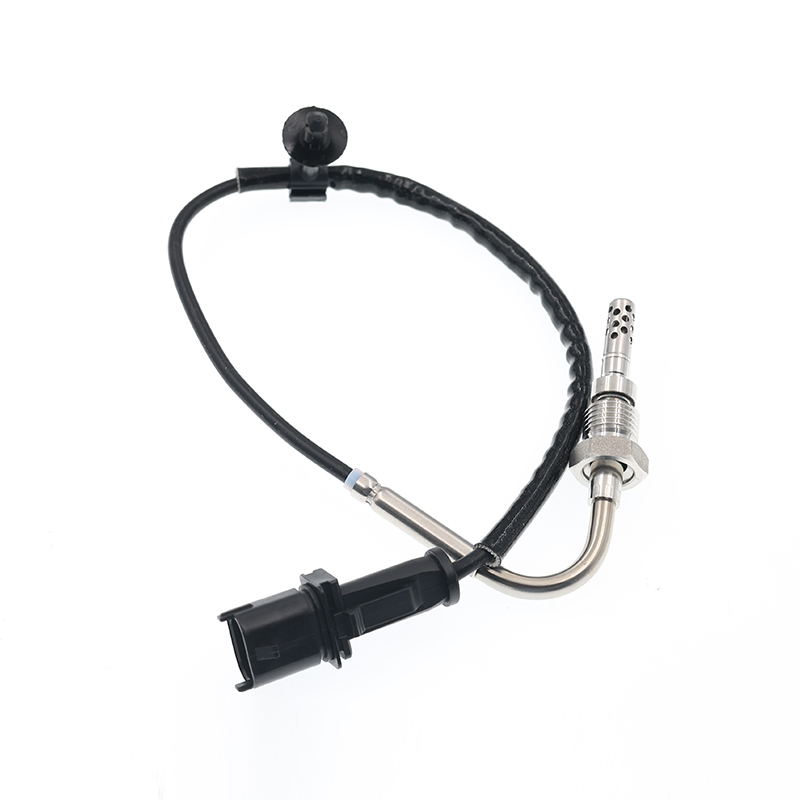
OPEL ASTRA J (2009/12 - /) OPEL ASTRA J Sports Tourer (2010/10 - /) OPEL ASTRA GTC J ...
See Details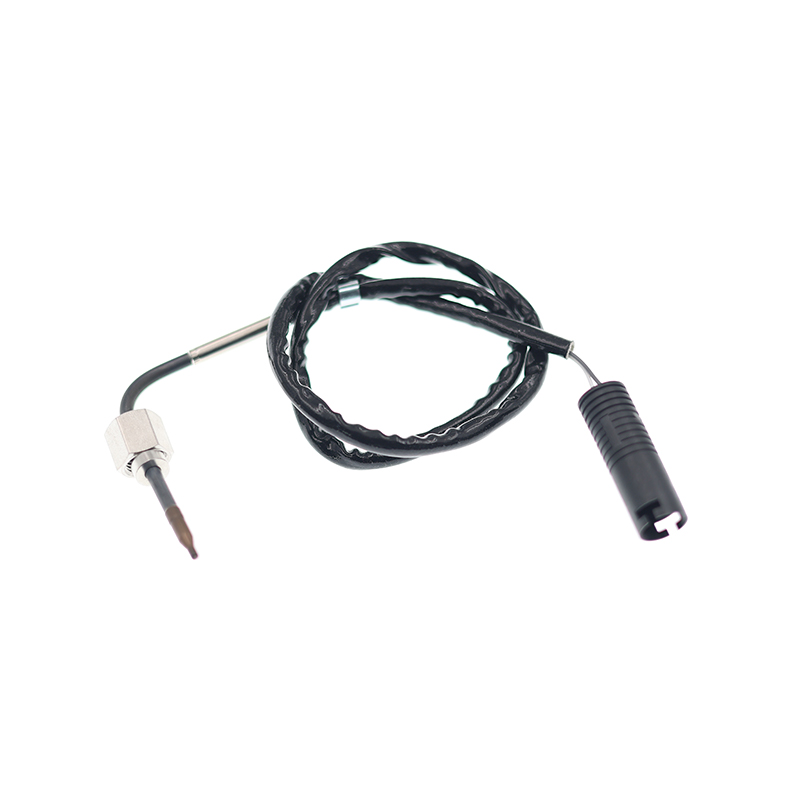
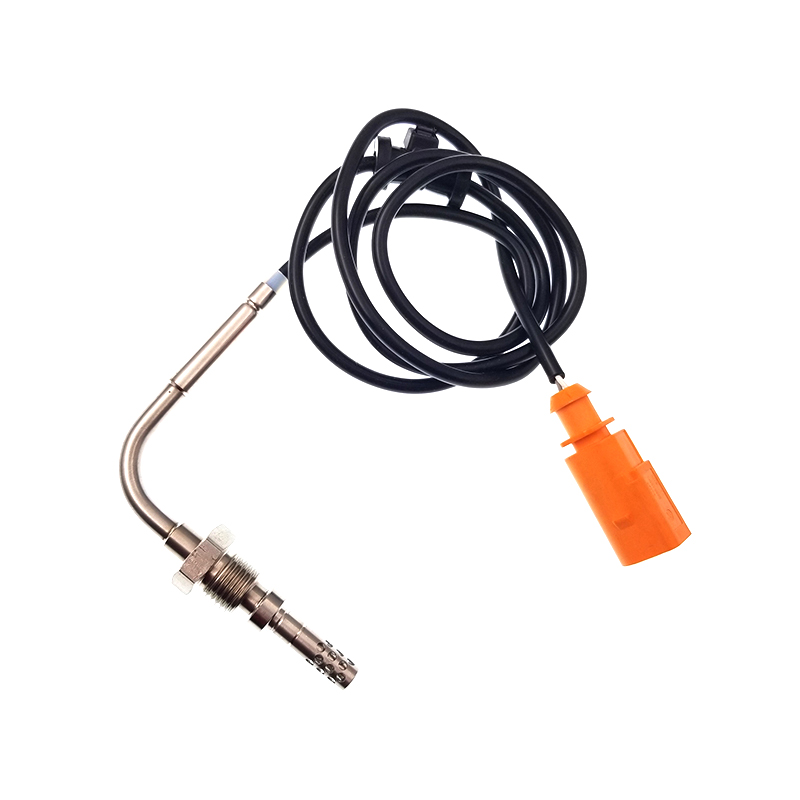
VWJETTA III (1K2) (2005/08 - 2010/10) VWGOLF VI (5K1) (2008/10 - 2013/11) VWGOLF VI Varia...
See Details
ADD: No.85 Jiuyuan Road, Economic Development Zone, Gaoyou city ,Yangzhou city ,225600 Jiangsu Province, China.
Copyright © Sook High Tech (Jiangsu) Co., Ltd. All Rights Reserved. OEM/ODM Automotive Sensor Manufacturers

