
 English
 Español
 Français

 简体中文
ADD: No.85 Jiuyuan Road, Economic Development Zone, Gaoyou city ,Yangzhou city ,225600 Jiangsu Province, China.
MERCEDES-BENZC-CLASS (W203) (2000/05 - 2007/08)MERCEDES-BENZC-CLASS Coupe (CL203) (2001/03 - 2011/06...
See DetailsContent
ADAS stands for advanced driver assistance systems: the electronics in a car that watch the road, warn the driver, and in many cases take over a narrow, clearly defined slice of the driving task — braking before a collision, holding a lane on a motorway, or steering into a parking bay. The system assists; it does not drive. A licensed human stays responsible for the vehicle the entire time.
The useful answer is that ADAS is a family, not a single feature. Two cars can both wear an "ADAS" badge while one only beeps and flashes and the other actively brakes and steers. What separates them is the sensor set, the processing behind it, and how much authority the manufacturer has handed to the software.
The industry uses the SAE J3016 scale to keep the conversation honest. It is not a marketing ladder; it describes how much of the driving task sits with the machine at any given moment. Regulation did much of the pushing — electronic stability control became mandatory on new cars in the EU and US around 2011–2012, and the EU's General Safety Regulation added a wider package of assistance features for new models from 2022.
| Level | What the car can do | Your job |
|---|---|---|
| 0 | Warns or intervenes briefly: forward-collision alert, ABS, stability control | Everything, all the time |
| 1 | One task at a time — speed (adaptive cruise) or steering (lane keeping) | Hands on wheel, eyes on road |
| 2 | Speed and steering together on some roads (highway assist) | Supervise constantly, ready to take over instantly |
| 3 | Drives inside a defined domain and asks you to take over at its limit | Stay alert enough to respond when asked |
| 4–5 | Full driving task inside an operating area, with no human fallback | Nothing inside the domain — and not yet sold as an ordinary passenger car |
Table note: most new cars sold today sit at Level 1 or 2. A "Level 2 plus" badge usually means more sensors and more features, not more autonomy.
Every assistance feature runs the same five-stage loop. In the workshop, failures usually sit at stage one or stage five — which is exactly where diagnosis should start.
One wheel, one tone ring, motorway speed: a 40-tooth ring on a wheel of roughly 2 metres circumference at 100 km/h generates about 550 to 600 speed pulses every second.
That single figure explains a lot. Stability control, emergency braking, traction control, hill-hold and even indirect tyre-pressure monitoring all lean on that stream, which is why a failing wheel-speed sensor can extinguish half the assistance features on the dashboard at once.
Other ranges are fixed by physics rather than marketing. Long-range radar operates around 77 GHz, ultrasonic parking sensors read a few metres, and a forward camera sees perhaps 100 to 150 metres in good light. Rain, spray, low sun and road grime shorten all three, and the system reacts by derating itself — a behaviour drivers often mistake for a fault.
Before a car can brake for you, it has to know how fast each wheel is turning. That is the job of the ABS sensor at each hub: it reports wheel speed to the ABS and stability controller, which then shares that number with the assistance functions upstream.
Two designs dominate. Passive inductive sensors generate their own alternating signal from a toothed ring and lose resolution at very low speed. Active Hall-effect sensors need a supply voltage but read down to near standstill and can report rotation direction — which is why low-speed manoeuvring and reverse-parking functions depend on them.
When one fails, the dashboard rarely stays quiet. ABS, stability control, traction control and often the forward-collision warning light up together, because the controller can no longer verify what the vehicle is doing. Matching the OE number matters more than the catalogue suggests: one platform can carry three sensor variants across model years, with different cable lengths and connector keyways.
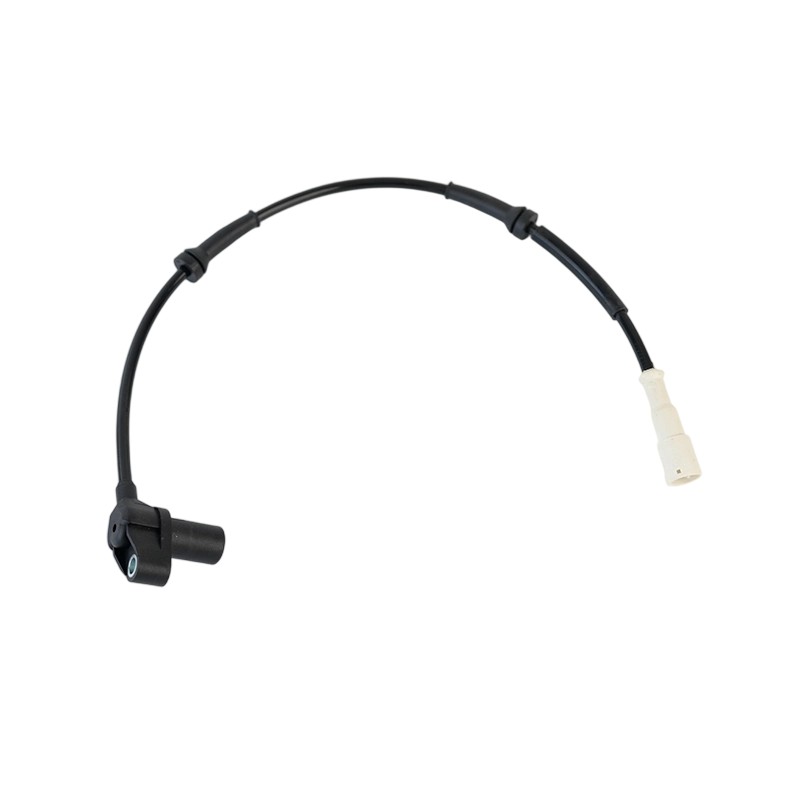 Inductive ABS Sensor for Renault Clio II and SymbolCheck this 450 mm inductive ABS sensor against the listed OE numbers and Renault Clio II, Clio II Box and Symbol applications before ordering.View Product →
New to the subject? Our short explainer on how an ABS sensor works follows the signal path from tone ring to controller.
Most ADAS complaints are not software bugs. They are blocked sensor faces, disturbed alignment, or a missing signal from a part that has nothing to do with the camera.
| What you notice | What it usually means |
|---|---|
| Forward-collision warning appears in heavy rain or snow | The radar or camera face is blocked by dirt, ice or condensation. Clean it and drive a few kilometres before booking any repair. |
| ABS, stability and ADAS lights come on together | A wheel-speed sensor or its wiring has dropped out. The controller normally stores which corner. |
| Lane keeping pulls consistently to one side | Windscreen camera misalignment after a glass replacement or a kerb strike. Static or dynamic calibration is required. |
| Steering assist cuts out on the motorway | The system reached its limit — faded markings, low sun — or a driver-monitoring timeout ended the session. |
| Parking sensors beep at empty space | A damaged ultrasonic disc or water inside the connector. Swap the sensor, then inspect the plug. |
Table note: a warning that clears after a restart still leaves a stored fault code — read it before assuming the problem has gone away.
Whether you are buying used, quoting a repair or stocking parts, five checks cover most of the risk.
 Hall-Effect Front ABS Sensor for Mercedes-Benz C300Review the 970 mm Hall sensor and listed OE references for a right-side 2015 Mercedes-Benz C300 4Matic front fitment before quoting or stocking.View Product →
An assistance system has no judgement. It compares patterns and thresholds; it does not anticipate a child stepping out from between parked cars, and it does not understand why a driver is hesitating. Its performance is bounded by sensor physics — low sun into a camera, heavy spray in front of a radar, faded paint where a lane marking used to be.
Its accuracy also drifts. A kerb strike, a pothole or a windscreen replacement can move a camera by a fraction of a degree, which is enough to shift the aim point at 100 metres. Calibration is maintenance, not a formality, and a clean sensor face is the cheapest reliability upgrade available.
ADAS is only as dependable as the weakest signal feeding it. A wheel-speed sensor that drops out for a few milliseconds at motorway speed can disable emergency braking for the rest of the drive, and no amount of software cleverness recovers a signal that never arrived. That is why tier-one supply, potting, cable strain relief and temperature testing matter more in this category than the price difference per unit.
SOOK High Tech (Jiangsu) Co., Ltd. has been manufacturing automotive sensors since 2015, running two plants with capacity for roughly 600,000 sensors a year, and holds quality and environmental management system certification. Its wheel-speed range covers more than 1,300 OE-referenced variants, alongside exhaust gas temperature and NOx sensors for the emissions side of the same vehicles. You can read more about the company and its factories before requesting samples.
Not every sensor on an ADAS-equipped car belongs to ADAS. Exhaust gas temperature, NOx and ammonia sensors sit on the same harnesses and diagnostic networks, use comparable connectors and fail in similar ways — so workshops that stock one family usually end up stocking the others.
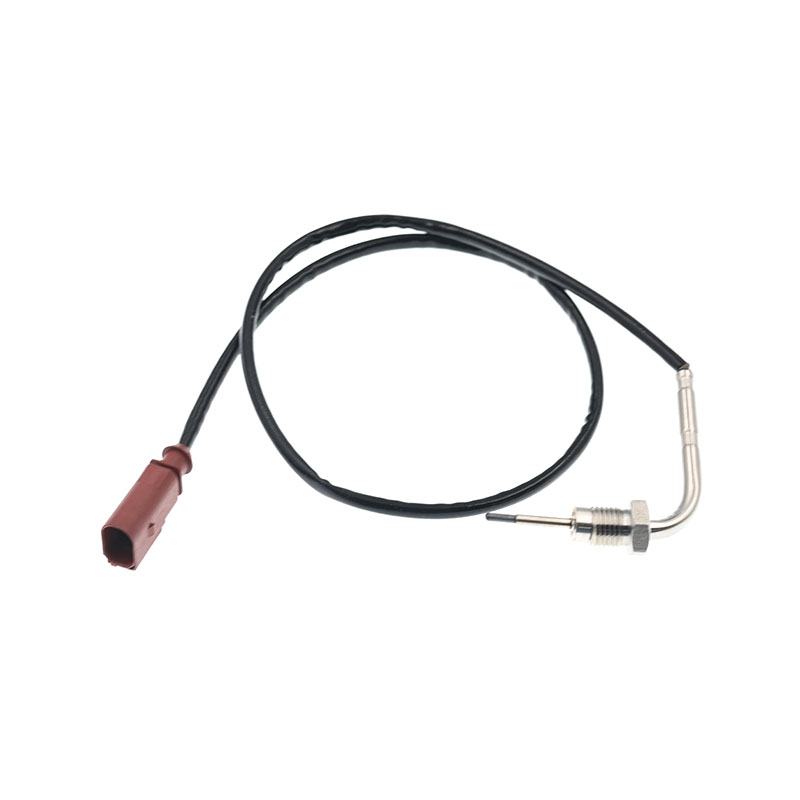 NTC Exhaust Gas Temperature Sensor for VAG ModelsCheck the 90° M14×1.5 NTC sensor and 660 mm cable against the listed Audi, Seat, Skoda and Volkswagen applications when sourcing an EGT replacement.View Product →
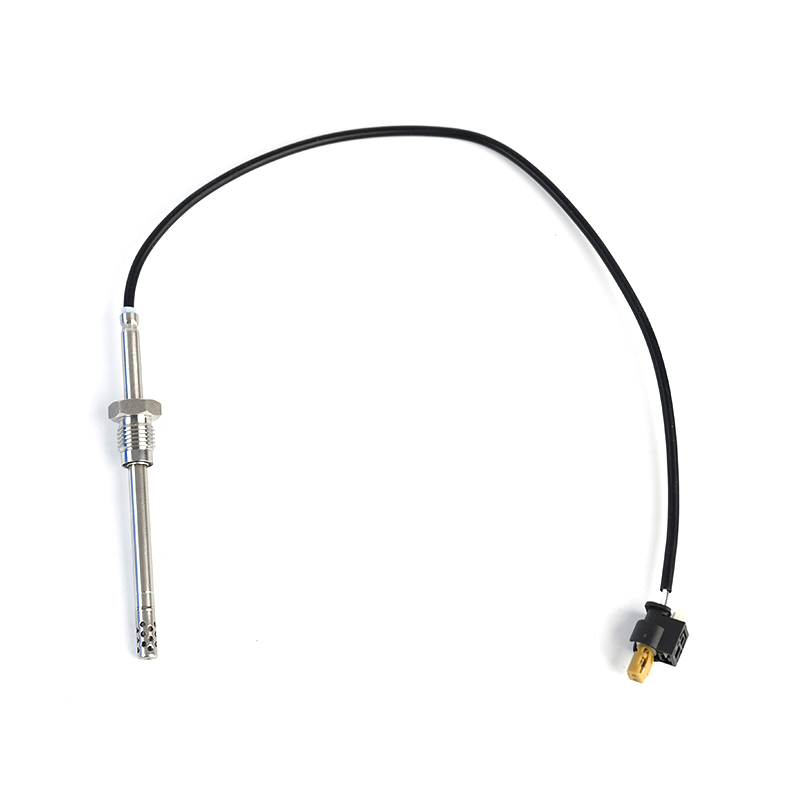
MERCEDES-BENZC-CLASS (W203) (2000/05 - 2007/08)MERCEDES-BENZC-CLASS Coupe (CL203) (2001/03 - 2011/06...
See Details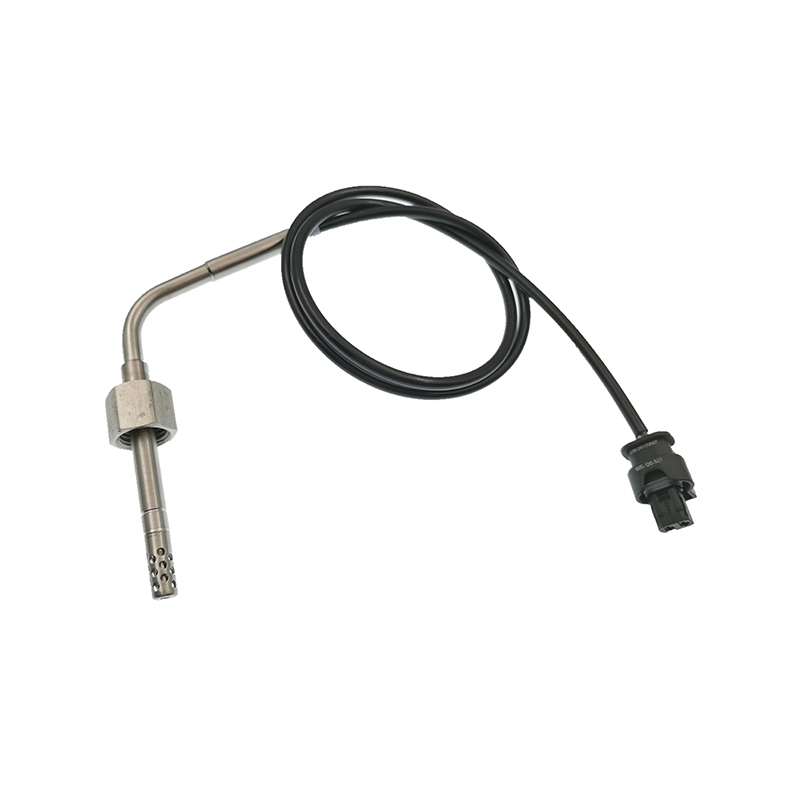
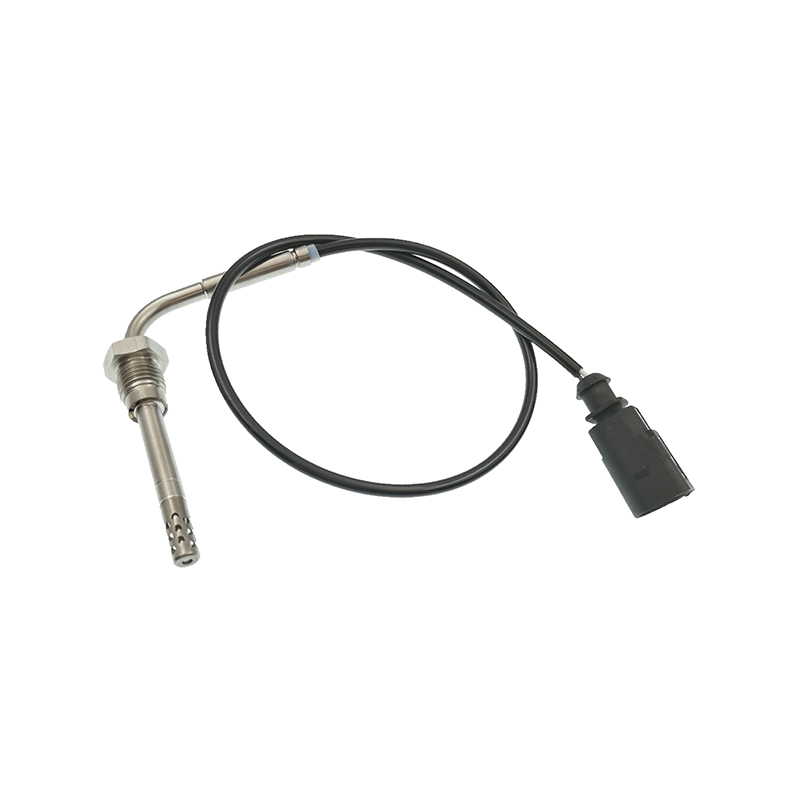
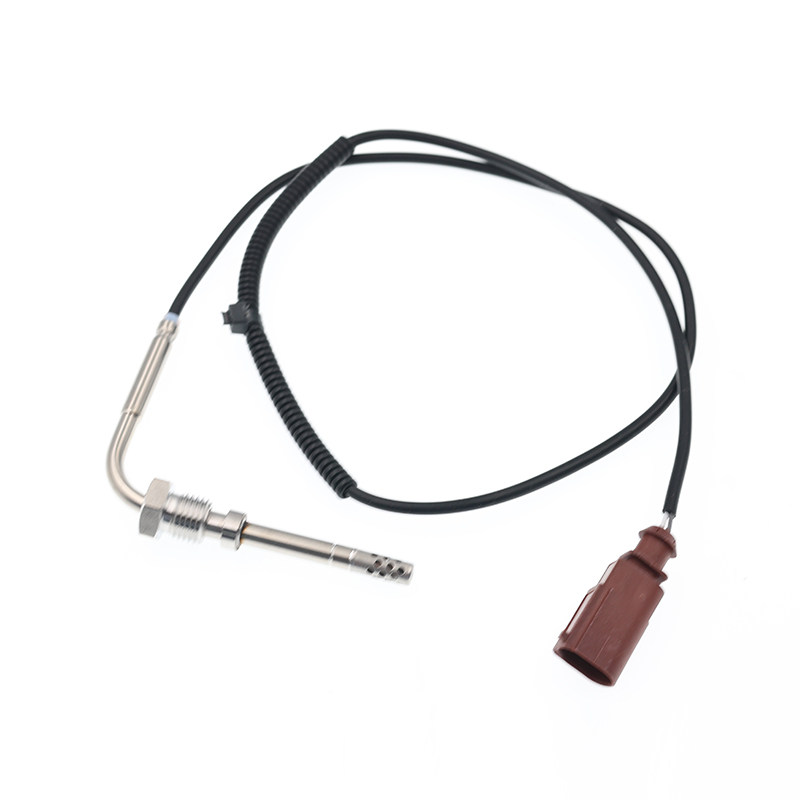
AUDIQ7 (4L) (2006/03 - 2015/08)VWTOUAREG (7LA, 7L6, 7L7) (2002/10 - 2010/05)
See Details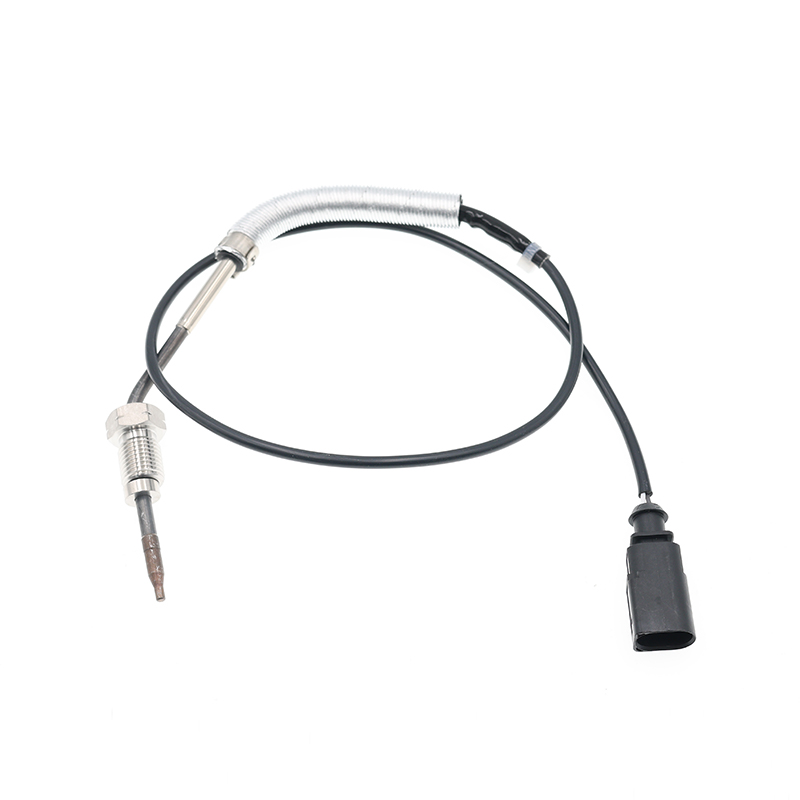
AUDIA3 (8P1) (2003/05 - 2012/08)AUDIA3 Sportback (8PA) (2004/09 - 2013/03)AUDIA4 (8EC, B7) (2004/11 ...
See Details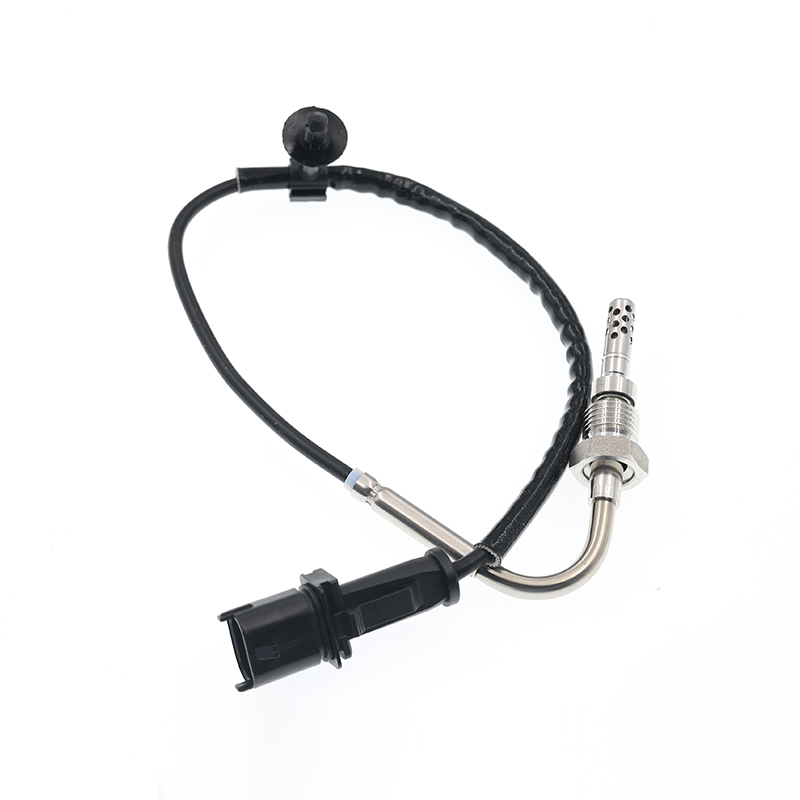
OPEL ASTRA J (2009/12 - /) OPEL ASTRA J Sports Tourer (2010/10 - /) OPEL ASTRA GTC J ...
See Details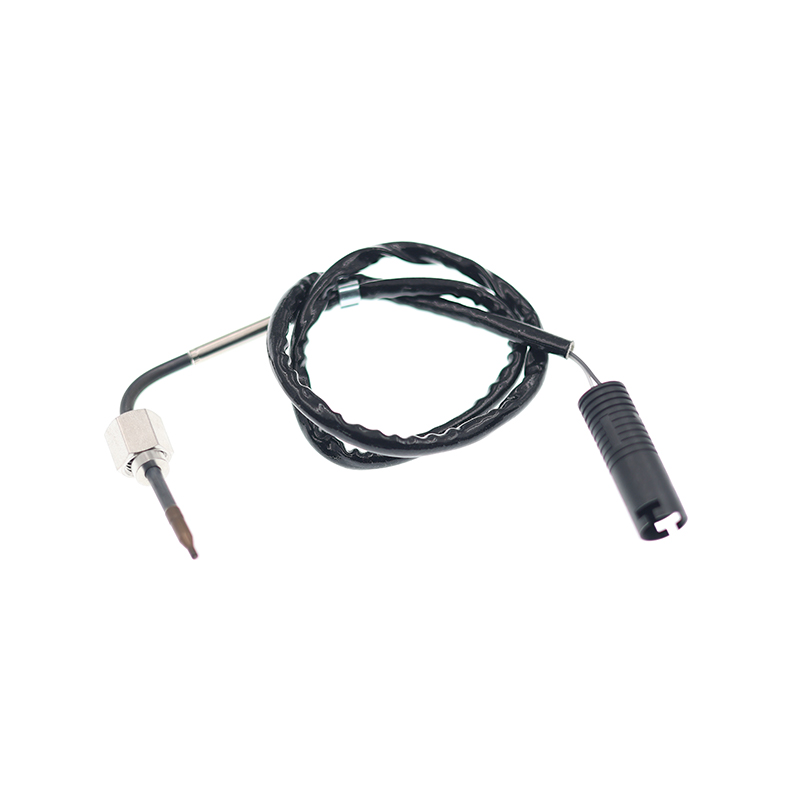
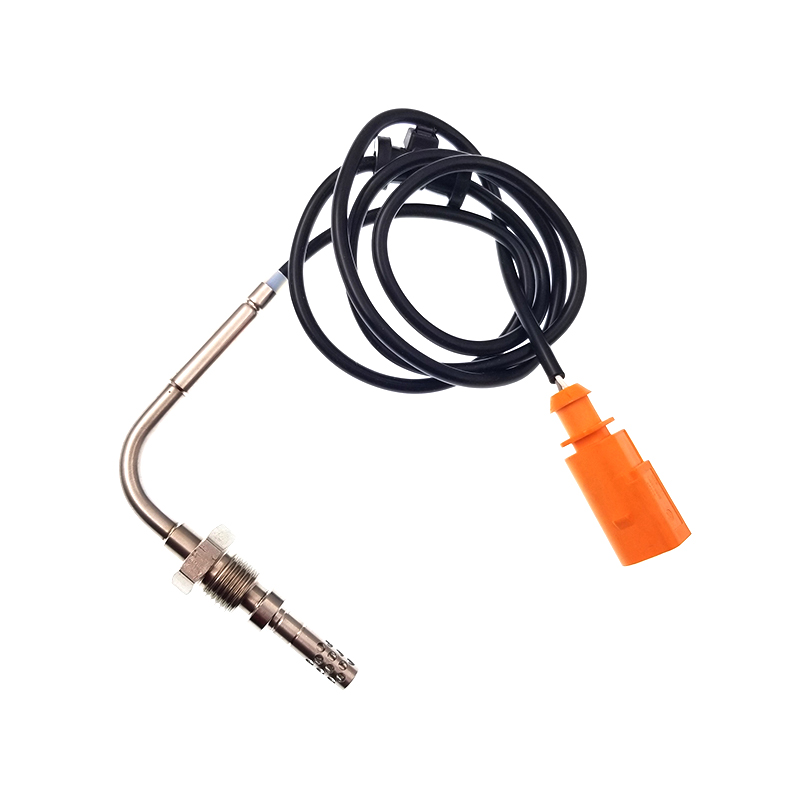
VWJETTA III (1K2) (2005/08 - 2010/10) VWGOLF VI (5K1) (2008/10 - 2013/11) VWGOLF VI Varia...
See Details
ADD: No.85 Jiuyuan Road, Economic Development Zone, Gaoyou city ,Yangzhou city ,225600 Jiangsu Province, China.
Copyright © Sook High Tech (Jiangsu) Co., Ltd. All Rights Reserved. OEM/ODM Automotive Sensor Manufacturers

