
 English
 Español
 Français
 简体中文
简体中文ADD: No.85 Jiuyuan Road, Economic Development Zone, Gaoyou city ,Yangzhou city ,225600 Jiangsu Province, China.
MERCEDES-BENZC-CLASS (W203) (2000/05 - 2007/08)MERCEDES-BENZC-CLASS Coupe (CL203) (2001/03 - 2011/06...
See DetailsContent
When an ABS sensor goes bad, the vehicle does not lose its brakes entirely — the conventional hydraulic braking system keeps working normally. What is lost is the anti-lock function itself: the ABS control unit can no longer read accurate wheel-speed data, so it switches to a fail-safe mode, turns on the ABS warning light, and disables pulse-modulated braking at that wheel. In practice this means a higher risk of wheel lock-up and skidding during hard braking, especially on wet, icy, or loose surfaces, until the faulty sensor is diagnosed and replaced.
Because most vehicles use one ABS sensor per wheel, a single sensor failure is rarely catastrophic on its own. The remaining three sensors can still feed usable data to the control unit, allowing a degraded but functional level of anti-lock control. The real danger comes from ignoring the warning light, since a second sensor failure — or a related issue such as a damaged tone ring or wiring fault — can disable ABS entirely.
A failing ABS sensor rarely fails silently. Drivers typically notice one or more of the following warning signs before a complete failure occurs:
An ABS sensor is a magnetic or Hall-effect device mounted close to a toothed ring that rotates with the wheel hub. Because it sits in one of the harshest locations on the vehicle — exposed to road debris, moisture, heat, and constant vibration — its failure modes are fairly predictable.
| Cause | How It Affects the Sensor |
|---|---|
| Contamination (mud, brake dust, metal shavings) | Debris builds up in the air gap between the sensor tip and the tone ring, weakening or blocking the signal. |
| Wiring damage or connector corrosion | Chafed insulation, broken strands, or corroded pins cause intermittent or total signal loss. |
| Damaged or worn tone ring | Cracked or rusted teeth on the rotating ring produce an irregular pulse pattern that the control unit reads as a fault. |
| Excessive air gap from bearing wear | Play in the wheel bearing increases the distance between sensor and ring beyond the design tolerance, dropping signal strength. |
| Internal coil or circuit failure | Heat cycling and vibration over years of service can break down the internal winding or electronics, ending the sensor's service life. |
The core job of the ABS sensor is to give the control unit a continuous, accurate picture of wheel rotation speed. When that signal becomes inaccurate or disappears, the system cannot tell the difference between a wheel that is rolling normally and one that is about to lock up, so it has no choice but to step back from active intervention at that corner.
| Condition | Healthy Sensor | Failed Sensor |
|---|---|---|
| Hard braking on dry pavement | Wheel pulses rapidly to prevent lock-up | Wheel can lock and skid like a non-ABS vehicle |
| Braking on wet or icy roads | Maintains steering control during the stop | Higher risk of skidding and loss of steering |
| Traction control / stability control | Functions normally using shared wheel-speed data | May deactivate or behave inconsistently |
| Dashboard indication | No warning lights | ABS light on, sometimes with traction control light |
Most modern ABS modules are built with redundancy in mind. Even with one sensor down, the system can usually still provide limited anti-lock control using the data from the remaining three sensors, which is why many vehicles remain drivable — though less safe under hard braking — after a single sensor fault.
Confirming that the ABS sensor — rather than the wiring, tone ring, or control module — is the actual point of failure takes a structured approach:
Since an ABS sensor operates in a high-vibration, high-contamination environment for the life of the vehicle, the quality of the replacement part directly affects how long the repair lasts. Key factors to check before ordering a replacement include exact OEM cross-reference numbers, connector type and wire length, sealing rating against moisture and road salt, and consistency of signal output across temperature extremes.
Sook High Tech (Jiangsu) Co., Ltd. designs and manufactures ABS wheel speed sensors as part of its automotive sensor product line, alongside exhaust temperature sensors and NOx sensors built for OEM and aftermarket applications. The company's ABS sensor catalog covers more than 1,300 part numbers, supported by in-house testing equipment intended to verify signal accuracy and durability before sensors leave the factory. For workshops and parts buyers sourcing replacement sensors at volume, working with a manufacturer that controls its own production and testing process can help reduce the risk of receiving a part that fails again shortly after installation.
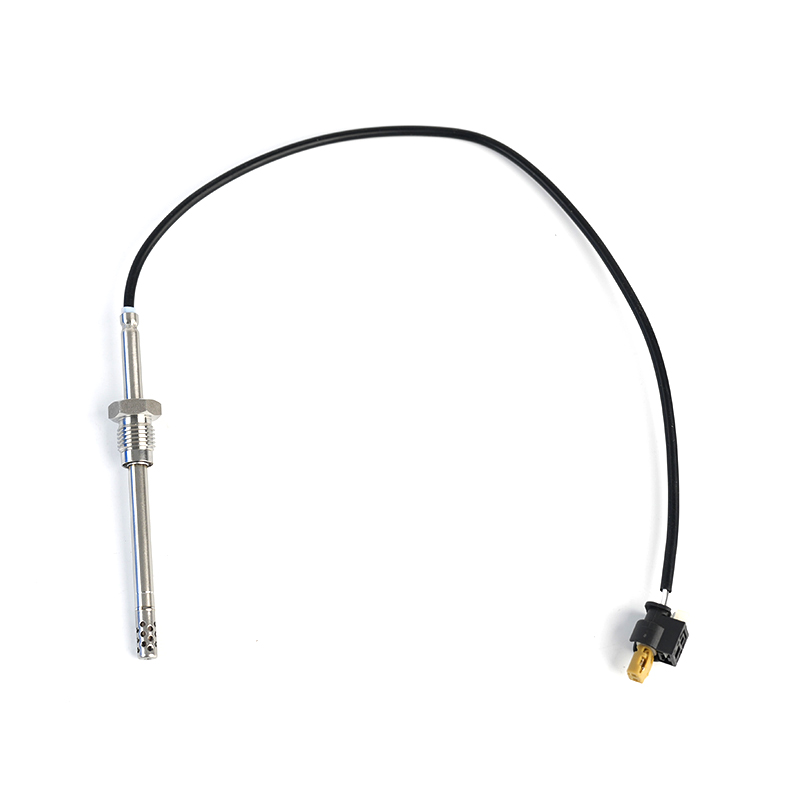
MERCEDES-BENZC-CLASS (W203) (2000/05 - 2007/08)MERCEDES-BENZC-CLASS Coupe (CL203) (2001/03 - 2011/06...
See Details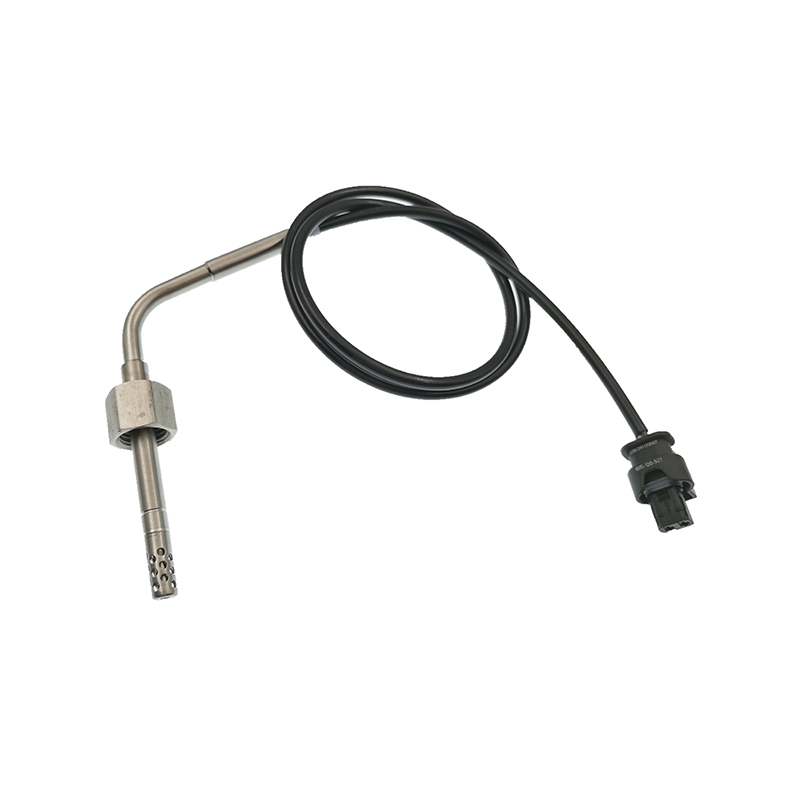
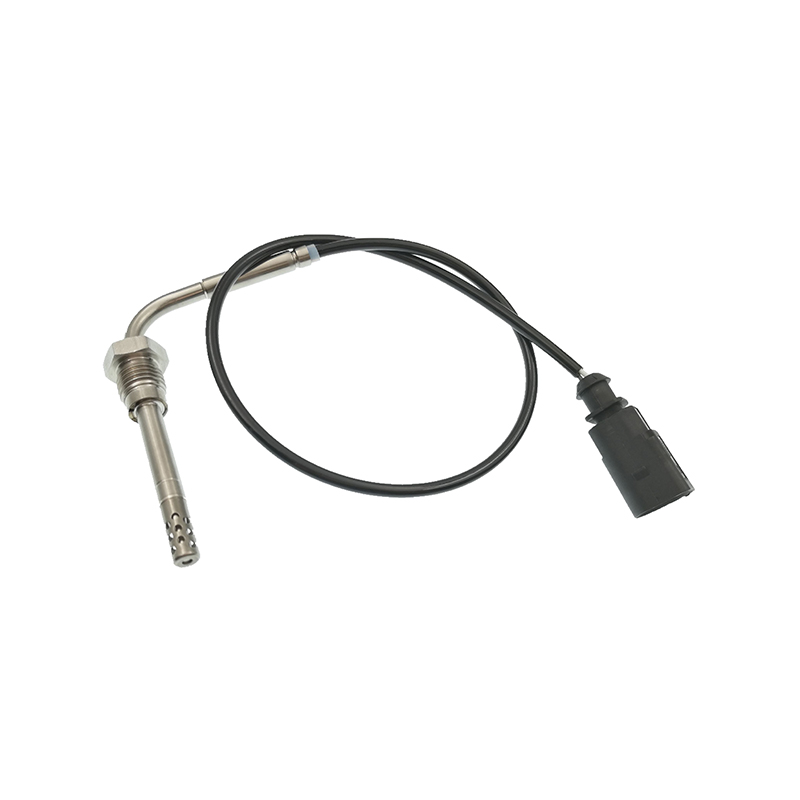
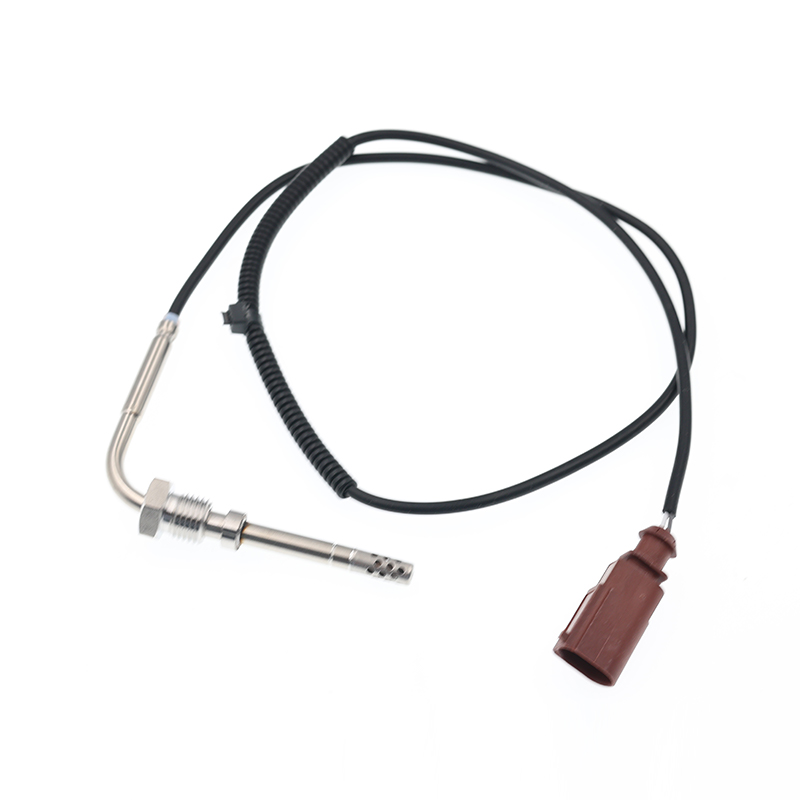
AUDIQ7 (4L) (2006/03 - 2015/08)VWTOUAREG (7LA, 7L6, 7L7) (2002/10 - 2010/05)
See Details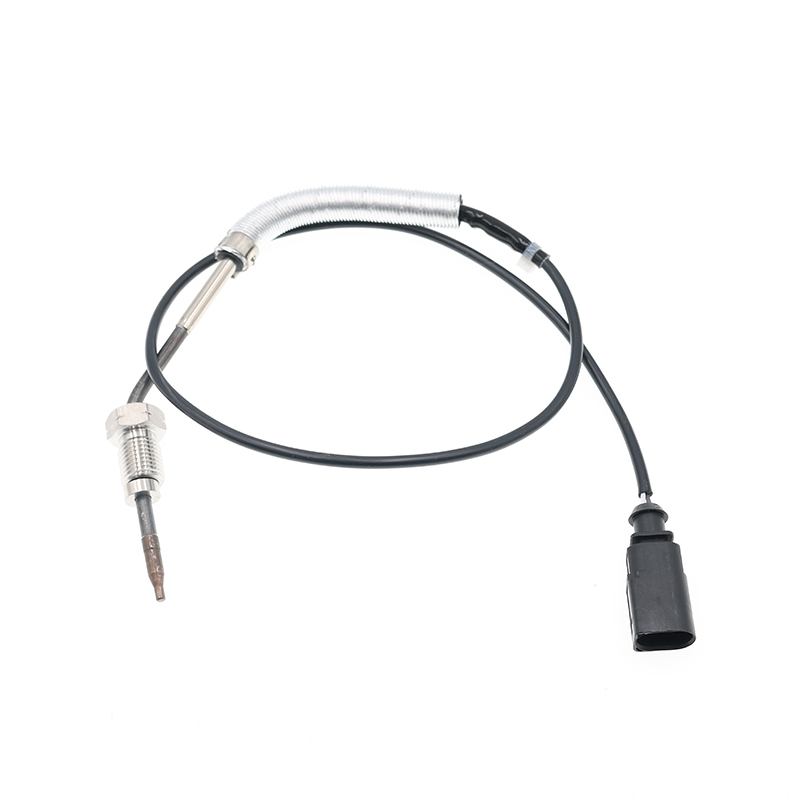
AUDIA3 (8P1) (2003/05 - 2012/08)AUDIA3 Sportback (8PA) (2004/09 - 2013/03)AUDIA4 (8EC, B7) (2004/11 ...
See Details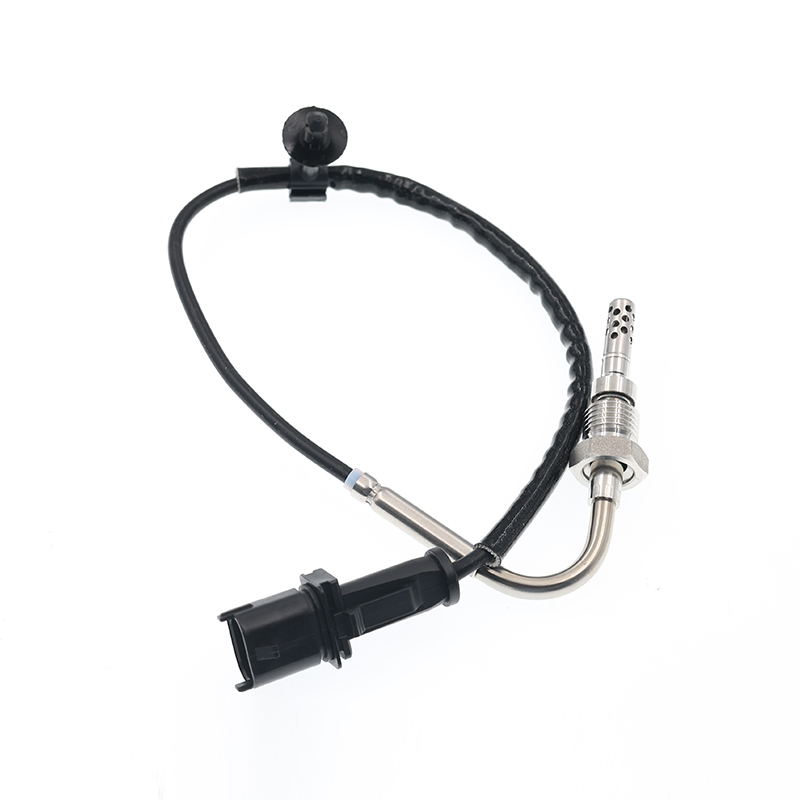
OPEL ASTRA J (2009/12 - /) OPEL ASTRA J Sports Tourer (2010/10 - /) OPEL ASTRA GTC J ...
See Details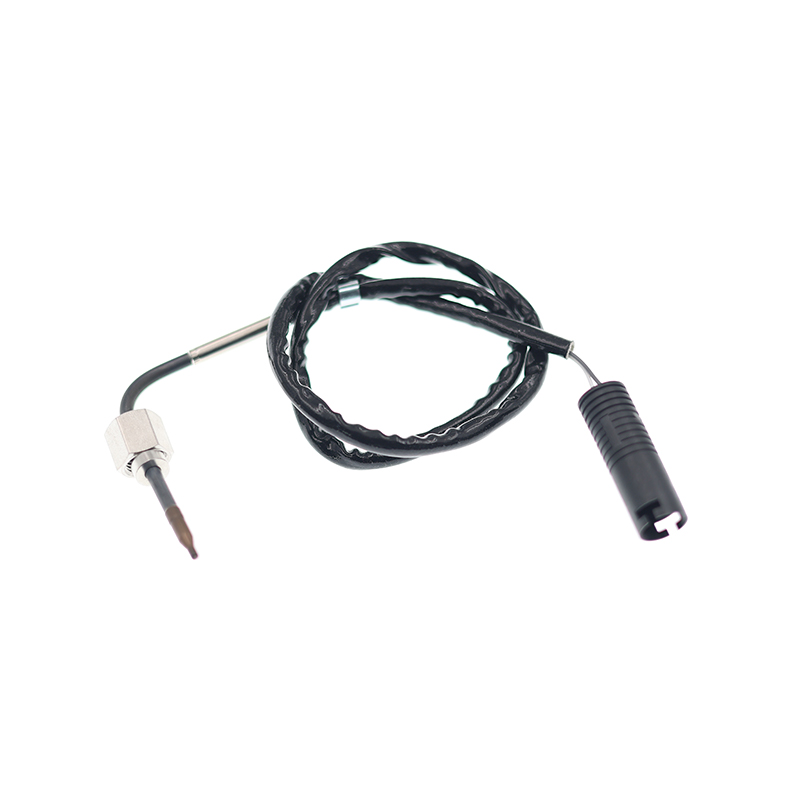
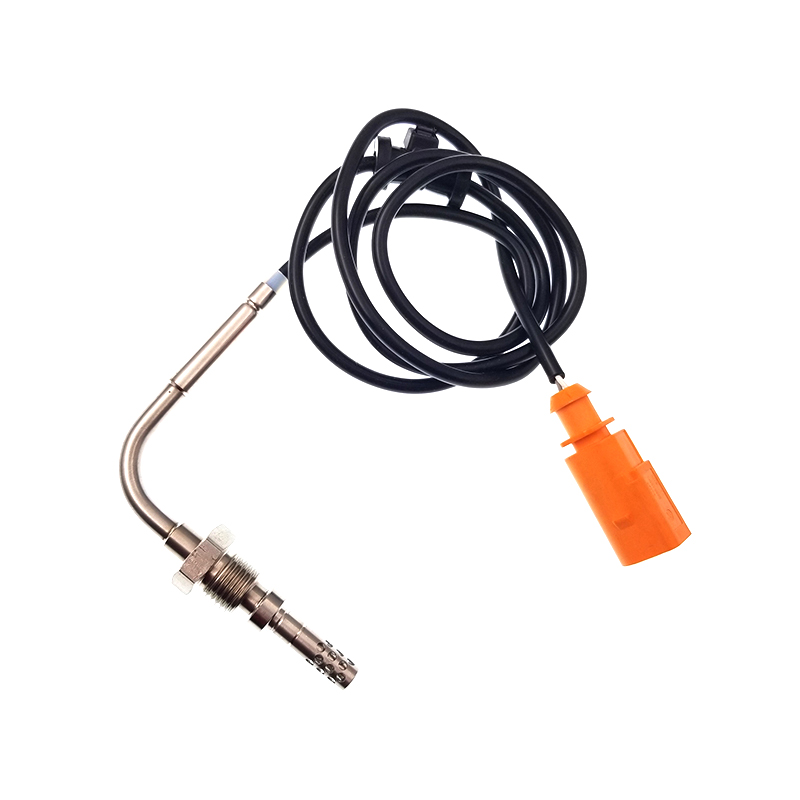
VWJETTA III (1K2) (2005/08 - 2010/10) VWGOLF VI (5K1) (2008/10 - 2013/11) VWGOLF VI Varia...
See Details
ADD: No.85 Jiuyuan Road, Economic Development Zone, Gaoyou city ,Yangzhou city ,225600 Jiangsu Province, China.
Copyright © Sook High Tech (Jiangsu) Co., Ltd. All Rights Reserved. OEM/ODM Automotive Sensor Manufacturers

