
 English
 Español
 Français
 简体中文
简体中文ADD: No.85 Jiuyuan Road, Economic Development Zone, Gaoyou city ,Yangzhou city ,225600 Jiangsu Province, China.
MERCEDES-BENZC-CLASS (W203) (2000/05 - 2007/08)MERCEDES-BENZC-CLASS Coupe (CL203) (2001/03 - 2011/06...
See DetailsContent
A NOx sensor measures the concentration of nitrogen oxides in a vehicle’s exhaust gas and sends that information to the engine or aftertreatment control unit. The control system uses the signal to evaluate combustion and exhaust-treatment performance, adjust diesel exhaust fluid dosing in an SCR system, and detect emission-related faults.
In practical terms, the sensor acts as the feedback device for NOx control. It tells the vehicle whether nitrogen oxide emissions are being reduced as expected. Without reliable feedback, the control unit cannot accurately judge SCR conversion efficiency or confirm that the exhaust system is operating within its intended range.
Depending on the vehicle design, one NOx sensor may be installed before the SCR catalyst, another may be installed after it, or both positions may be used. The upstream sensor measures the NOx entering the catalyst, while the downstream sensor checks how much remains after treatment.
NOx is a collective term for nitrogen oxides produced when nitrogen and oxygen react at high combustion temperatures. In vehicle exhaust, the two compounds most commonly discussed are nitric oxide and nitrogen dioxide. Their concentration changes with engine load, combustion temperature, air-fuel conditions, exhaust gas recirculation operation, and aftertreatment efficiency.
Monitoring NOx is important because an exhaust-treatment system cannot be controlled effectively from engine calculations alone. Real driving conditions change continuously. Vehicle speed, payload, ambient temperature, fuel injection, exhaust temperature, and catalyst condition can all affect the quantity of NOx entering and leaving the SCR catalyst.
A typical automotive NOx sensor combines a sensing probe, internal heating element, electronic control module, wiring harness, and connector. The probe is installed directly in the exhaust stream, while the electronic module processes the sensing signal and communicates with the vehicle control system.
The sensing element must operate within a controlled temperature range. An internal heater brings it to the required condition after startup and helps keep the measurement stable as exhaust temperature changes. Until the sensor reaches its operating state, the control unit may rely more heavily on calculated values.
A controlled quantity of exhaust gas reaches the internal measurement chambers. Oxygen-related electrochemical processes are used to separate and evaluate the gas components. The electrical current required during this process corresponds to the NOx concentration present in the sample.
The integrated control electronics compensate for operating conditions, process the raw signal, and transmit the result to the vehicle network. The engine or aftertreatment controller then uses the reported NOx value together with temperature, pressure, airflow, oxygen, and dosing information.
Selective catalytic reduction, commonly shortened to SCR, reduces nitrogen oxides by introducing diesel exhaust fluid into the exhaust upstream of the catalyst. The fluid produces ammonia under suitable exhaust conditions, and the catalyst uses it to convert NOx into nitrogen and water.
The NOx sensor does not inject the fluid itself. Instead, it supplies the feedback that helps the control system decide whether dosing and catalyst performance are appropriate.
Accurate sensing helps prevent both under-dosing and unnecessary over-dosing. Too little fluid can leave excessive NOx untreated, while excessive dosing can waste fluid and contribute to deposits or ammonia-related measurement interference.
| Sensor Position | Main Measurement Purpose | How the Signal Is Used |
|---|---|---|
| Upstream of SCR | Measures or verifies engine-out NOx entering the catalyst | Supports dosing calculations and validates modeled NOx values |
| Downstream of SCR | Measures NOx remaining after catalyst treatment | Monitors conversion efficiency and supports onboard diagnostics |
A two-sensor arrangement provides a more direct comparison across the SCR catalyst. However, the exact layout and control strategy vary by engine, model year, emission system, and vehicle manufacturer. Replacement parts must therefore be matched by application and part reference rather than by appearance alone.
A failed or inaccurate NOx sensor can cause the control unit to receive a missing, implausible, delayed, or biased signal. Because the sensor is part of the emission-control feedback loop, a fault can affect SCR dosing decisions and onboard diagnostic monitoring.
These symptoms do not prove that the sensor itself is defective. A damaged harness, poor connector contact, exhaust leak, incorrect fluid, dosing-system fault, catalyst deterioration, contamination, or control-module issue may produce similar symptoms.
The probe operates in a demanding exhaust environment. Repeated heating and cooling can stress the sensing element, welded joints, cable insulation, and electronic module. Incorrect cable routing near hot surfaces can accelerate damage.
Soot and exhaust deposits can restrict gas access to the sensing element or slow its response. Oil consumption, coolant entry, fuel-related contamination, or excessive fluid crystallization may also damage the sensor environment.
Road debris, vibration, moisture, corrosion, stretched wiring, loose pins, and poor connector locking can interrupt power or communication. Because many NOx sensors include a separate electronic module, both the probe cable and vehicle-side connector should be inspected.
A high downstream reading may indicate that the sensor is reporting a genuine problem. Replacing it without checking exhaust leaks, fluid quality, injector operation, catalyst temperature, and SCR efficiency can leave the original fault unresolved.
A NOx sensor should be diagnosed as part of the complete aftertreatment system. A scan tool with access to live emission data is normally required. The exact procedure depends on the vehicle’s service information.
Do not judge the sensor only from a single idle reading. Exhaust temperature may be too low for stable SCR operation, and the control system may not be dosing under that condition. A controlled road test or service test may be necessary.
A vehicle may continue to run after a NOx sensor fault appears, but postponing diagnosis is not recommended. The emission system may no longer control or verify NOx reduction correctly, and some vehicles can eventually apply warnings, torque limitations, restart restrictions, or other inducement measures.
Continued operation can also make troubleshooting more difficult if an unresolved dosing or catalyst fault creates deposits or additional diagnostic codes. The practical approach is to read the codes, inspect the system, and identify the root cause before replacing parts.
Sensor selection should be based on verified application data rather than general appearance. Important specifications include measurement range, accuracy, response behavior, supply voltage, operating temperature, cable length, connector configuration, communication protocol, and expected durability.
According to the referenced SOOK NOx sensor product page, the listed product range includes 12 V and 24 V supply options, NOx measurement up to 1,500 ppm, cable length options of 415 mm, 615 mm, and 915 mm, and an exhaust-temperature specification of up to 800°C. These figures describe the product-page range and should be confirmed against the exact part selected for a specific vehicle.
| Specification | Published Value | Why It Matters |
|---|---|---|
| NOx measurement range | 0–1,500 ppm | Defines the concentration range covered by the product specification |
| Power supply | 12 V or 24 V | Supports matching with passenger-vehicle and commercial-vehicle electrical systems |
| Published design life | 6,000 hours or 350,000 km | Provides a stated durability reference under the supplier’s specified conditions |
| Cable-length options | 415, 615, or 915 mm | Helps match installation position and harness routing |
For distributors, repair networks, and vehicle-parts buyers, product coverage is only one part of the decision. A practical supplier should provide clear cross-reference information, stable electrical and sensing performance, traceable production control, application verification, packaging protection, and responsive technical communication.
SOOK High Tech develops and manufactures automotive sensing products, including NOx sensors for different vehicle applications. Its product page lists multiple voltage, cable-length, measurement, and application options. Buyers can use the part number, vehicle application, installation position, connector details, and technical requirements to request an appropriate match.
Before ordering, provide the original part reference, vehicle model, engine information, model year, emission system, and photos of the connector and sensor module where available. This reduces the risk of selecting a visually similar but electrically incompatible sensor.
No. An oxygen sensor primarily measures oxygen content for combustion and catalyst control, while a NOx sensor is designed to evaluate nitrogen oxide concentration and may also provide oxygen-related information as part of its measurement process. The parts are not interchangeable.
The sensor supplies measurement data; the control unit makes the dosing decision. It combines the NOx reading with exhaust temperature, flow, engine load, pressure, and other operating information.
Cleaning is generally not a dependable repair for an internally failed, electrically damaged, or aged sensor. Aggressive chemicals or mechanical cleaning can damage the sensing element. Diagnosis should identify whether contamination is the cause and whether the underlying engine or aftertreatment problem also needs correction.
No. Sensor quantity and placement vary. Some systems use one downstream sensor, while others use both upstream and downstream sensors for dosing control and conversion-efficiency monitoring.
Some vehicles require a reset, adaptation, learned-value procedure, or guided replacement function. Others recognize the sensor automatically. Always follow the service procedure for the specific vehicle.
So, what does a NOx sensor do? It measures nitrogen oxide levels in the exhaust and gives the control system the feedback needed to manage SCR dosing, monitor catalyst efficiency, detect emission faults, and verify that the aftertreatment system is working properly.
A correct reading protects the entire control strategy, not just one component. When a fault appears, test the wiring, exhaust, dosing system, catalyst condition, and live data before deciding that the sensor must be replaced.
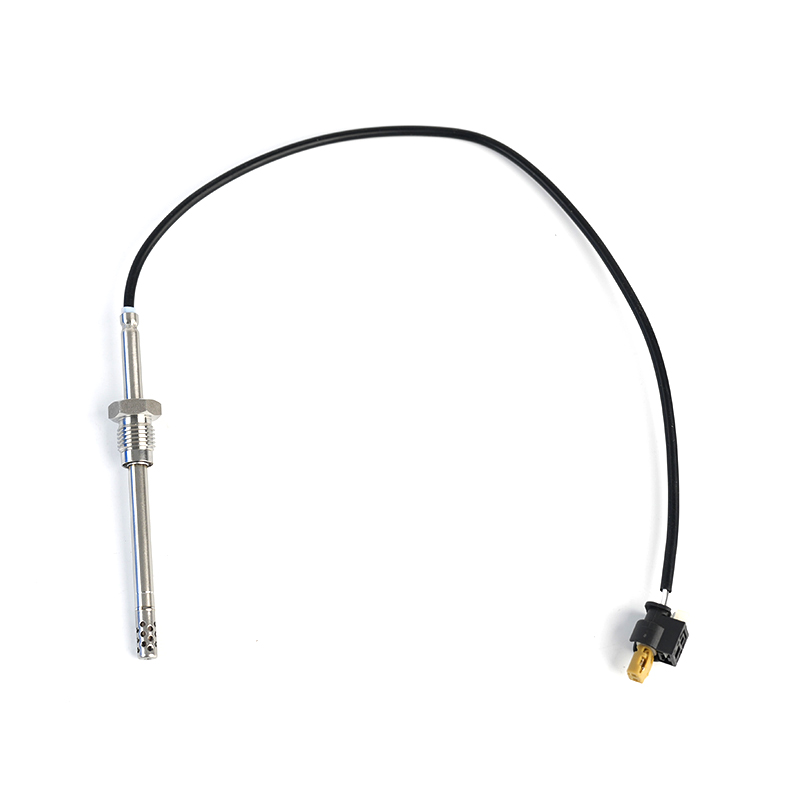
MERCEDES-BENZC-CLASS (W203) (2000/05 - 2007/08)MERCEDES-BENZC-CLASS Coupe (CL203) (2001/03 - 2011/06...
See Details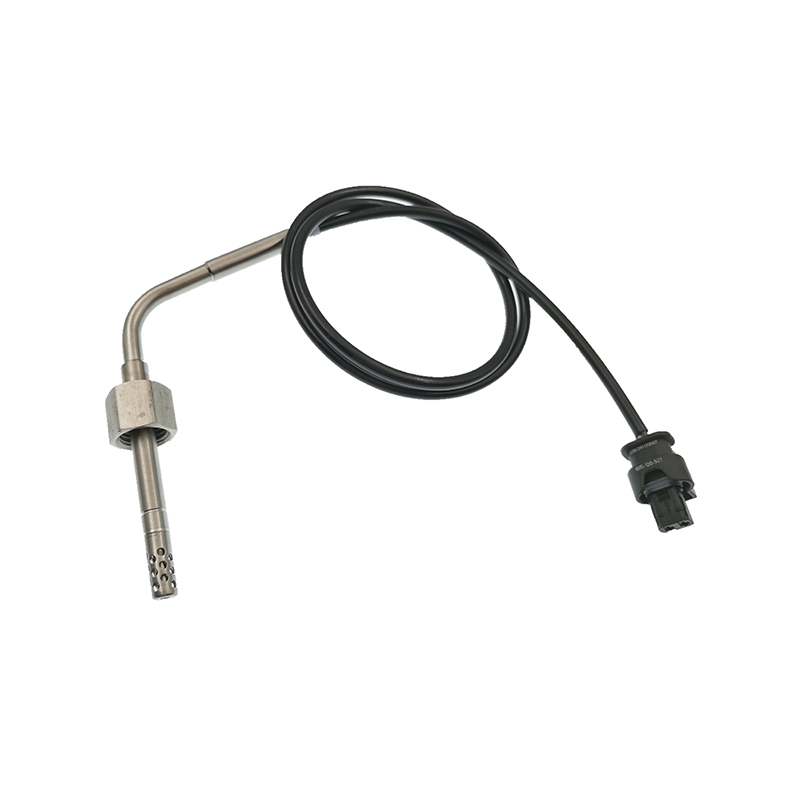
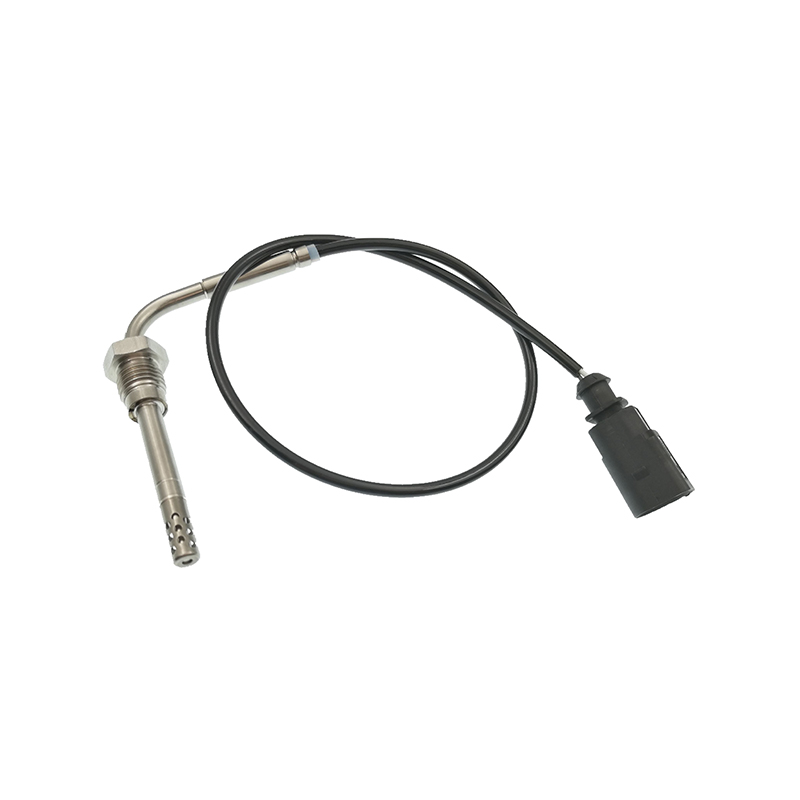
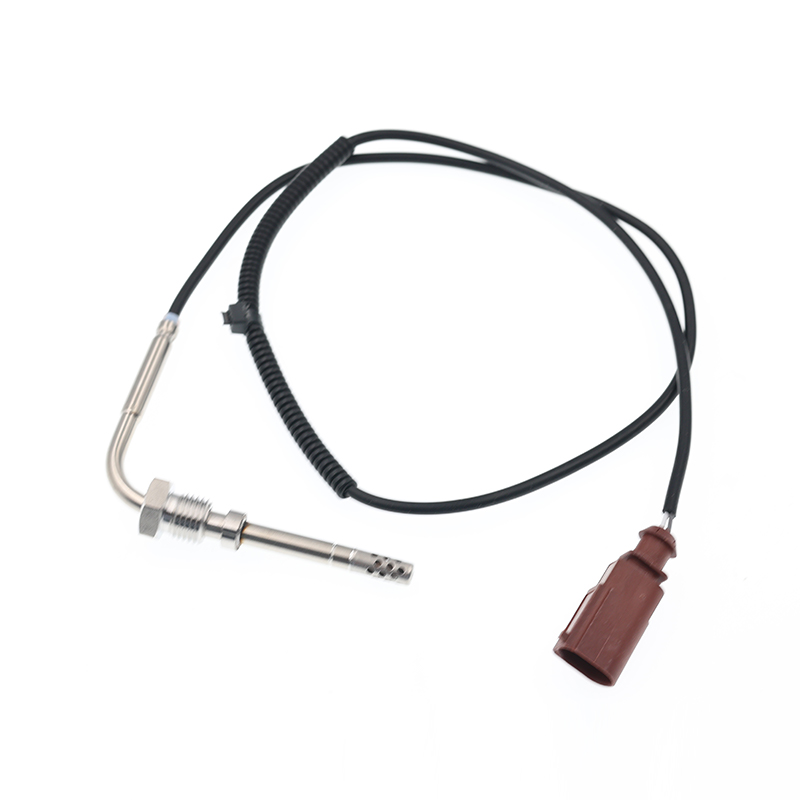
AUDIQ7 (4L) (2006/03 - 2015/08)VWTOUAREG (7LA, 7L6, 7L7) (2002/10 - 2010/05)
See Details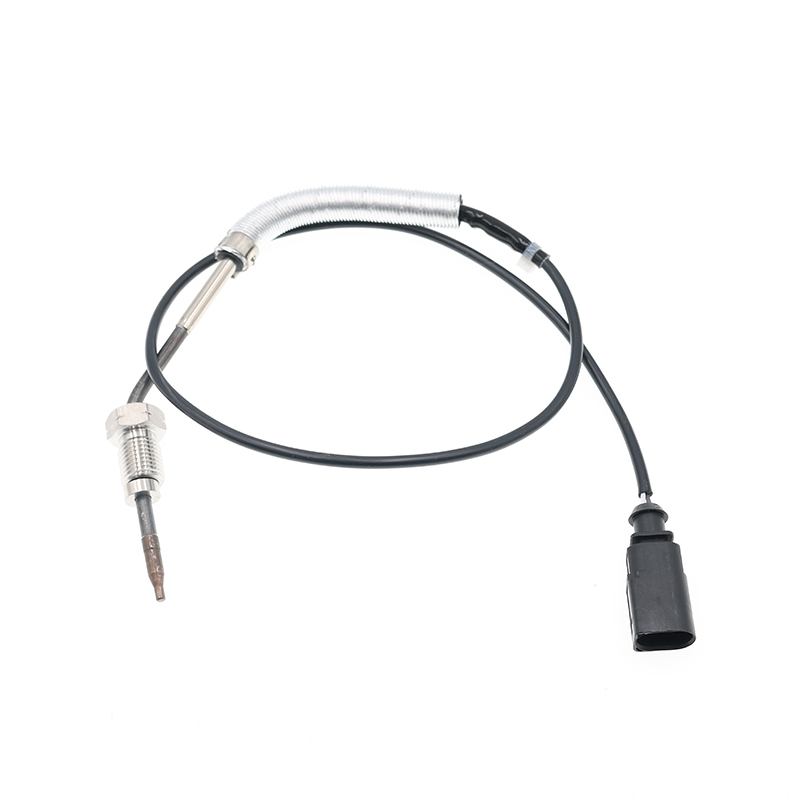
AUDIA3 (8P1) (2003/05 - 2012/08)AUDIA3 Sportback (8PA) (2004/09 - 2013/03)AUDIA4 (8EC, B7) (2004/11 ...
See Details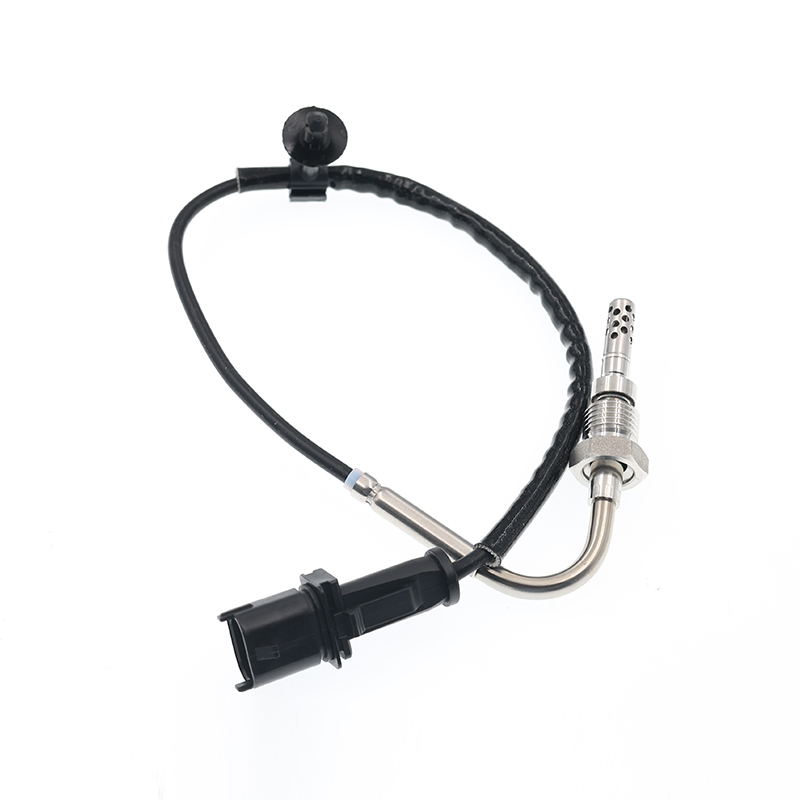
OPEL ASTRA J (2009/12 - /) OPEL ASTRA J Sports Tourer (2010/10 - /) OPEL ASTRA GTC J ...
See Details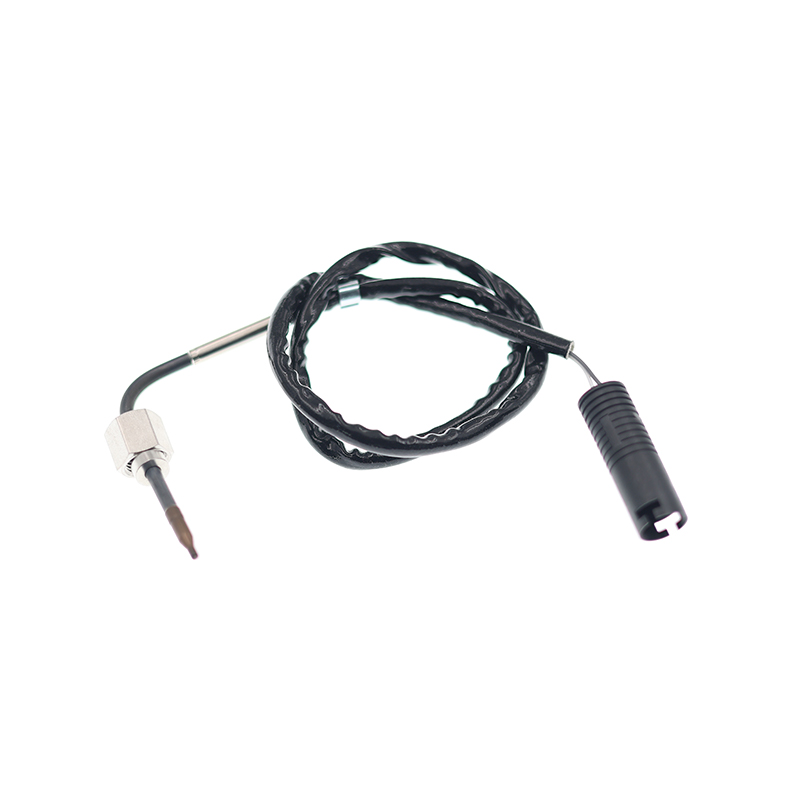
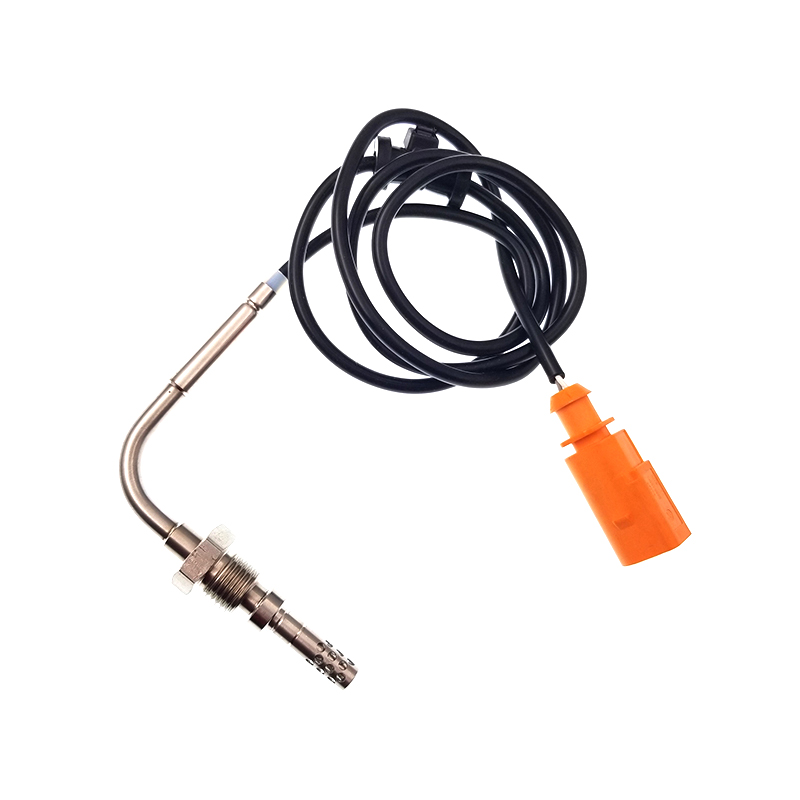
VWJETTA III (1K2) (2005/08 - 2010/10) VWGOLF VI (5K1) (2008/10 - 2013/11) VWGOLF VI Varia...
See Details
ADD: No.85 Jiuyuan Road, Economic Development Zone, Gaoyou city ,Yangzhou city ,225600 Jiangsu Province, China.
Copyright © Sook High Tech (Jiangsu) Co., Ltd. All Rights Reserved. OEM/ODM Automotive Sensor Manufacturers

