
 English
 Español
 Français
 简体中文
简体中文
ADD: No.85 Jiuyuan Road, Economic Development Zone, Gaoyou city ,Yangzhou city ,225600 Jiangsu Province, China.
MERCEDES-BENZC-CLASS (W203) (2000/05 - 2007/08)MERCEDES-BENZC-CLASS Coupe (CL203) (2001/03 - 2011/06...
See DetailsContent
Thermocouple reliability is not settled on a datasheet. It is settled by the tolerance class you accept, the sheath alloy that sits in the gas stream, the way the extension wire is routed and terminated, and whether the junction is grounded once or twice. A diesel exhaust gas temperature sensor that reads within 3 °C on the bench can be 15 to 20 °C away after a year of regeneration cycles, which is usually enough to push a DPF strategy out of its control window and bring the vehicle back on warranty.
The fix is seldom a different brand of sensor. It is specifying the right alloy, the right tolerance class, and the right installation, then verifying that they hold in service.
A published accuracy figure is only the starting point. Under IEC 60584-2, a Type K thermocouple in Class 1 is allowed ±1.5 °C between -40 °C and 375 °C, or ±0.4 % of reading above that; Class 2 relaxes the same limits to ±2.5 °C and ±0.75 %. Two sensors from the same production line can therefore sit 3 °C apart at 600 °C and both still pass inspection.
Drift is the part most specifications leave out. A Type K junction held between 850 °C and 1000 °C for several hundred hours can shift by 2 to 5 °C as chromium oxidises and the alloy reorders. Type N was developed for that window and holds its curve longer; platinum-rhodium types (R, S and B) drift very little above 1200 °C but cost many times more per measuring point.
The practical reading is simple. If your control window is ±10 °C, buy Class 1 and set a recalibration interval. If it is ±3 °C, no supplier's Type K will hold it at 900 °C, because the alloy, not the brand, is the limit.
Field returns point to the same handful of causes again and again. Each one can be prevented before the sensor is fitted.
±1.5 °C, or 0.4 % of reading — the Class 1 boundary that decides whether a sensor can carry a DPF control loop.
A specification that survives procurement review usually contains six lines: tolerance class and reference standard (IEC 60584-1 or ASTM E230); operating range and sheath alloy; junction type and isolation; response time stated as t90; insulation resistance, for example ≥100 MΩ at 500 VDC at room temperature for MgO cable; and a drift allowance with a stated recalibration interval.
Automotive exhaust is harsher than most process plants. Thermocouple EGT sensors mounted before and after the turbo on a diesel see 700 to 900 °C continuously and short peaks above 1000 °C during regeneration, with vibration and thermal cycling on top. Class 1 tolerance and a 310 stainless or Inconel sheath are the minimum, and the calibration interval should be short enough to catch drift before it reaches the control window.
Numbers only hold if someone verifies them, and that verification belongs in a laboratory rather than a brochure. The in-house test equipment used for tolerance and insulation checks is what turns a specification into a repeatable result.
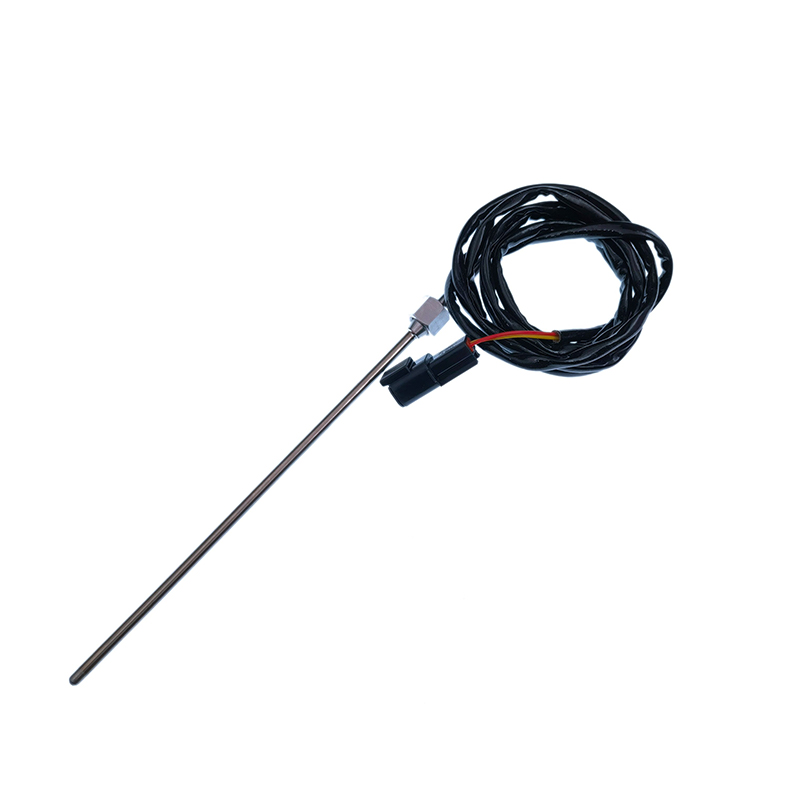 Thermocouple EGT Sensor ManufacturersThermocouple EGT Sensor supports continuous measurement from -40°C to 1000°C, meeting the needs of high-temperature scenarios and ensuring structural stability and mea...View Product →
| Symptom | Likely cause | Fix that lasts |
|---|---|---|
| Reading drifts 5 to 15 °C over months | Alloy ageing in Type K at high temperature, or compensation set for the wrong type | Move to Type N or an Inconel-sheathed Type K and shorten the recalibration interval |
| Erratic spikes under load or vibration | Loose terminal block, intermittent junction, or cable pulled tight at the fitting | Re-terminate with the correct terminals, add strain relief, and support the probe body |
| Consistent 10 to 30 °C low reading at high load | Reversed extension wire, or two ground paths on a grounded junction | Verify polarity against the colour code and remove the second ground connection |
| Insulation resistance below 1 MΩ | Moisture inside mineral-insulated (MgO) cable, or a damaged seal at the transition | Replace the cable, seal the transition, and specify a sealed gland or PEEK outer covering |
| Failure within weeks on an exhaust line | Sheath alloy unsuitable for 900 °C peaks, or the tip is not in the gas flow | Specify a 310 stainless or Inconel 600 sheath and correct the insertion depth |
Each correction combines a mechanical change with a replacement sensor built to the same corrected specification.
Choosing that replacement is the other half of the repair. Assemblies that pair a Class 1 junction with the right alloy sheath and a sealed transition are the ones that stay inside the control window after the mechanical fix.
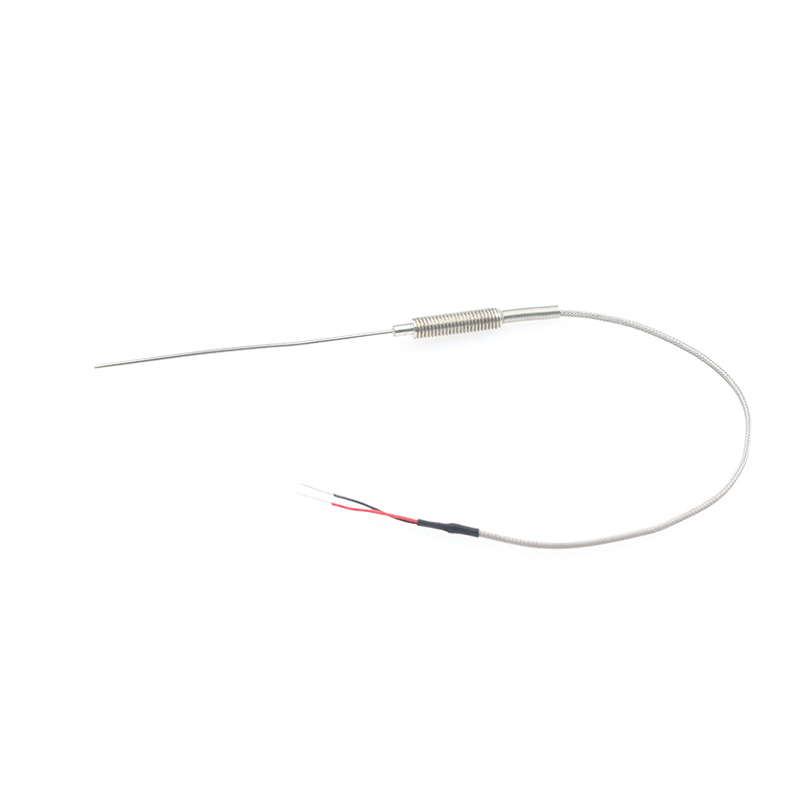 Thermocouple Temperature Sensors ManufacturersThermocouples measure temperature by the electric potential generated by two different metals. When two different metal conductors (or semiconductors) are connected in...View Product →
Five questions separate suppliers who understand thermocouple reliability from those who only resell it:
Documents matter as much as the answers. A supplier who can show a quality management system certificate alongside a traceable test report carries a very different risk profile from one who sends only a datasheet and a price list.
Reliability is settled in the specification, not in the warranty conversation. Fix the tolerance class, the sheath alloy, the junction type and the ground path before the first purchase order goes out, record a baseline at commissioning, and check it on a schedule.
None of that requires exotic parts. It requires a supplier who can state the alloy and tolerance class for every part number, test insulation resistance before shipping, and replace a batch when the numbers do not hold. That, in practice, is the whole of thermocouple reliability.
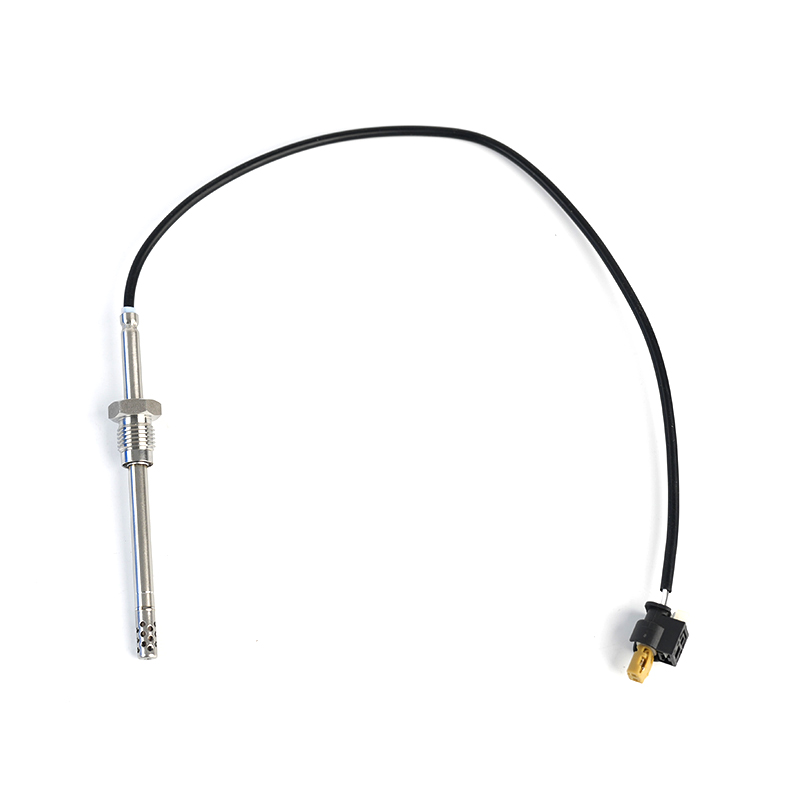
MERCEDES-BENZC-CLASS (W203) (2000/05 - 2007/08)MERCEDES-BENZC-CLASS Coupe (CL203) (2001/03 - 2011/06...
See Details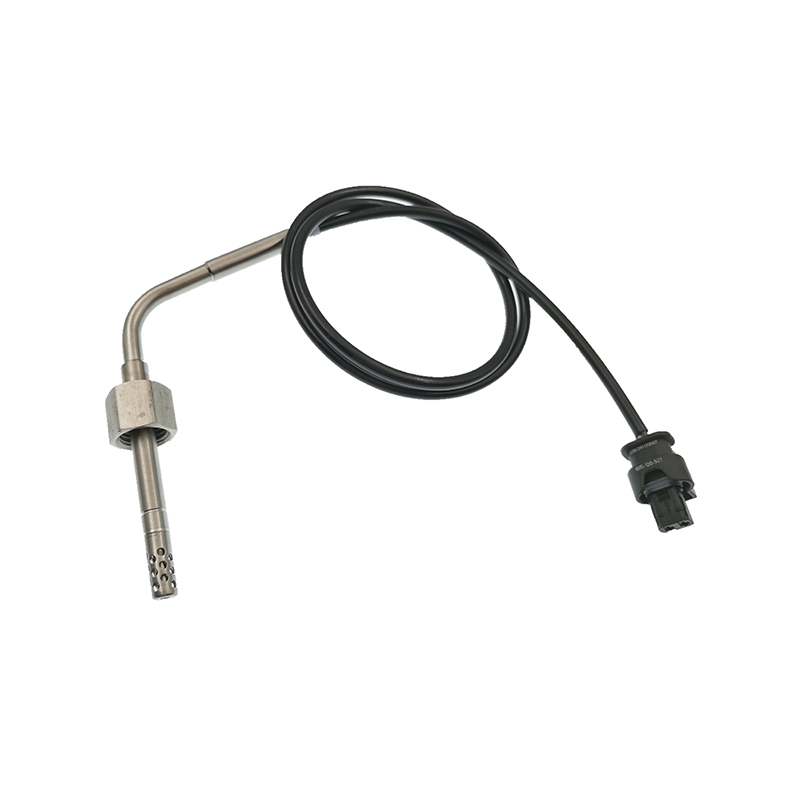
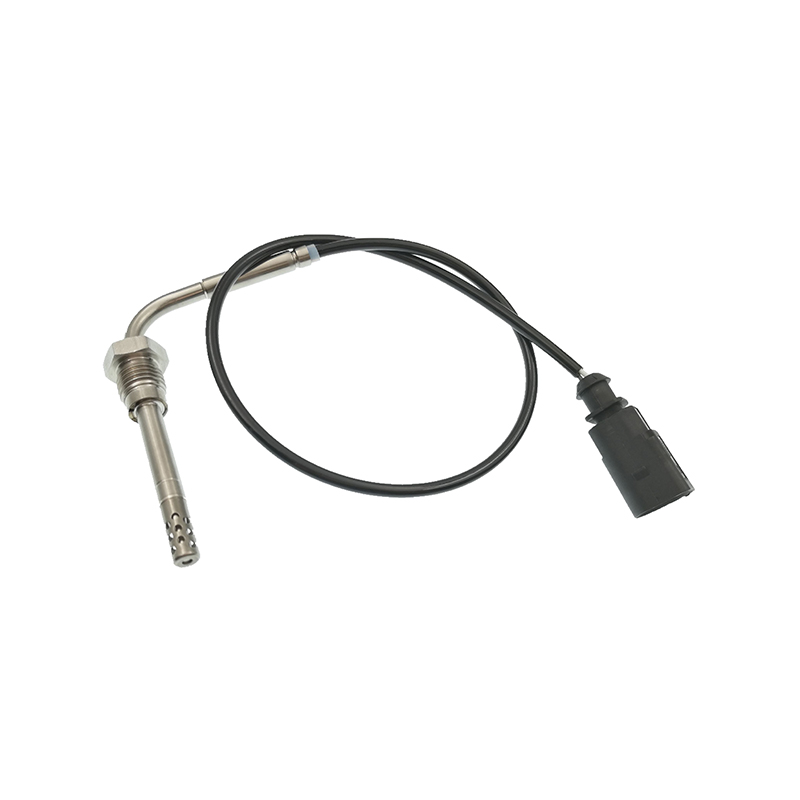
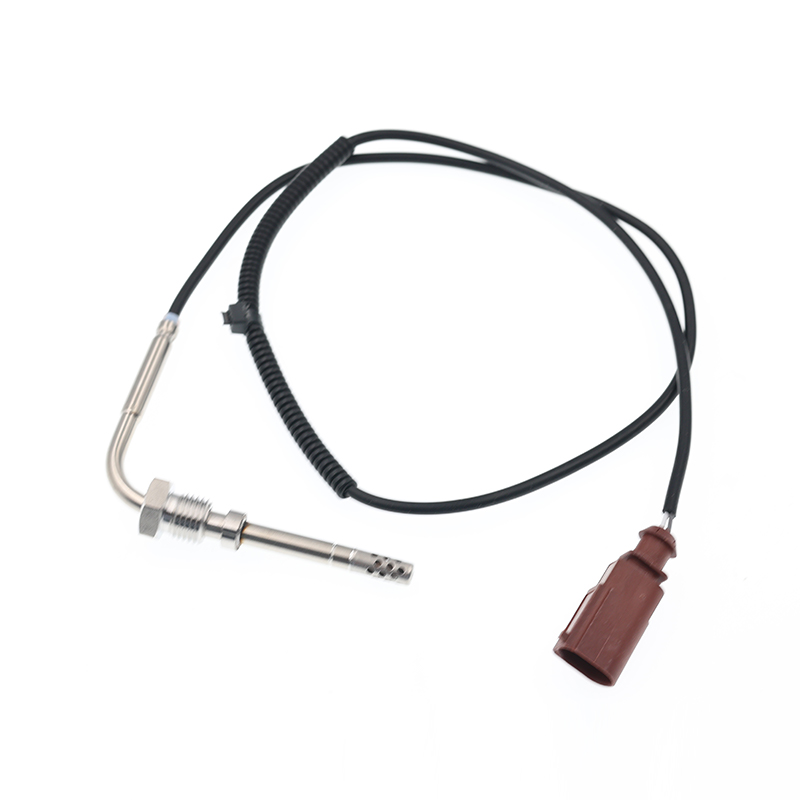
AUDIQ7 (4L) (2006/03 - 2015/08)VWTOUAREG (7LA, 7L6, 7L7) (2002/10 - 2010/05)
See Details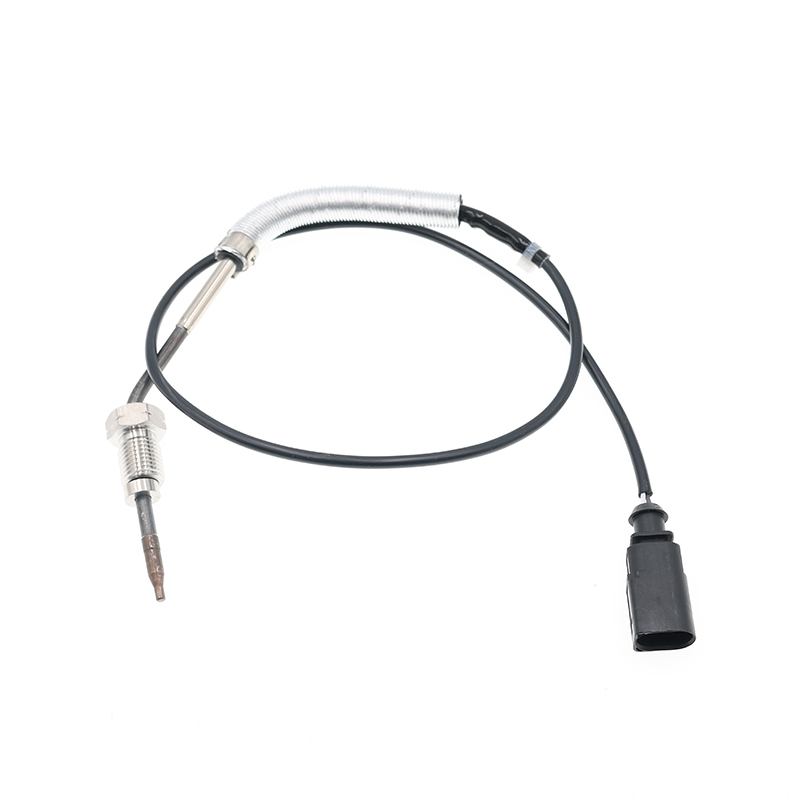
AUDIA3 (8P1) (2003/05 - 2012/08)AUDIA3 Sportback (8PA) (2004/09 - 2013/03)AUDIA4 (8EC, B7) (2004/11 ...
See Details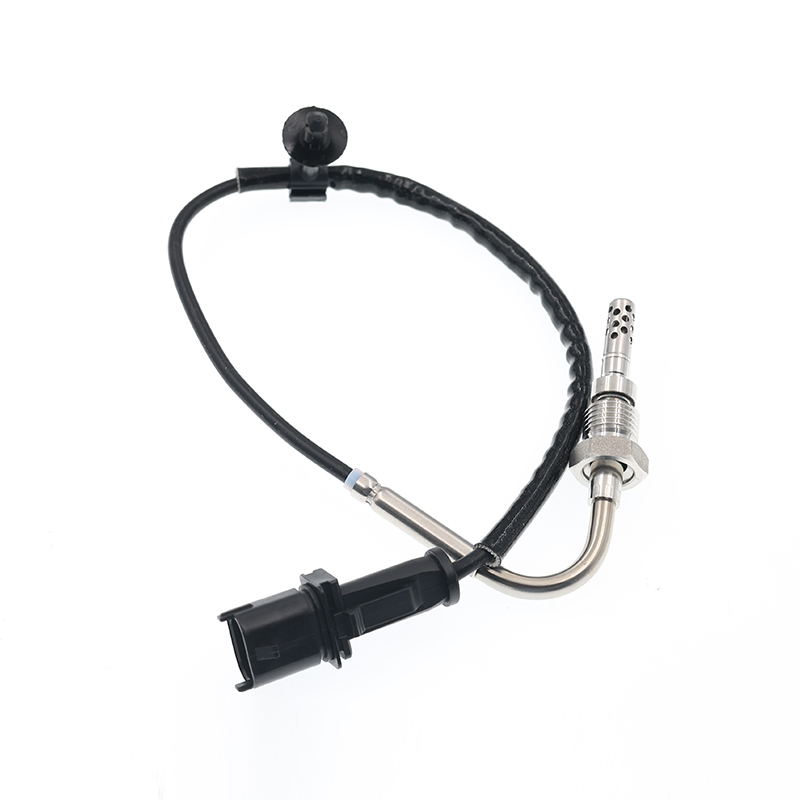
OPEL ASTRA J (2009/12 - /) OPEL ASTRA J Sports Tourer (2010/10 - /) OPEL ASTRA GTC J ...
See Details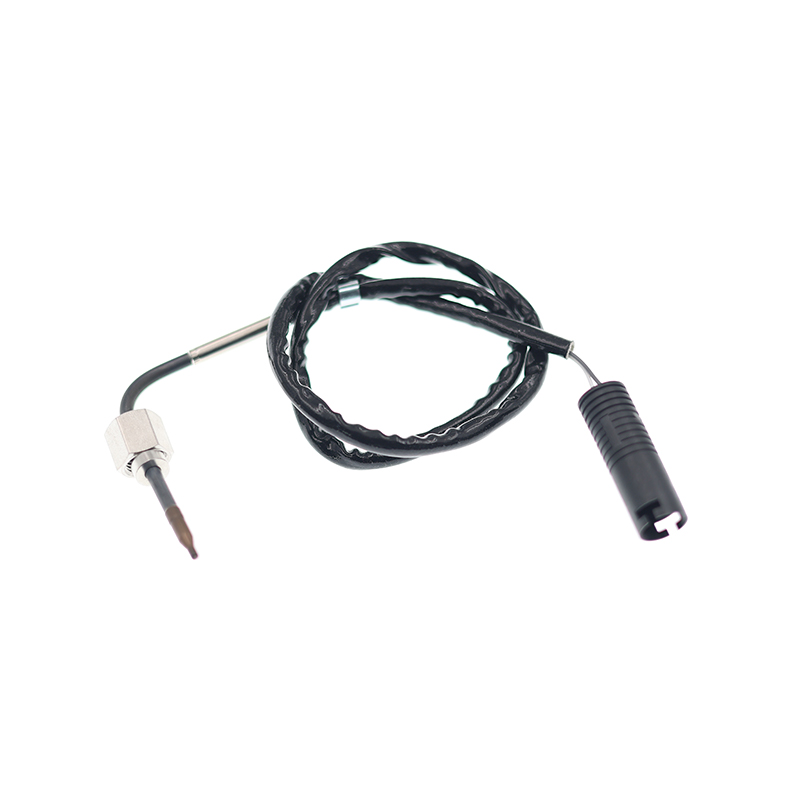
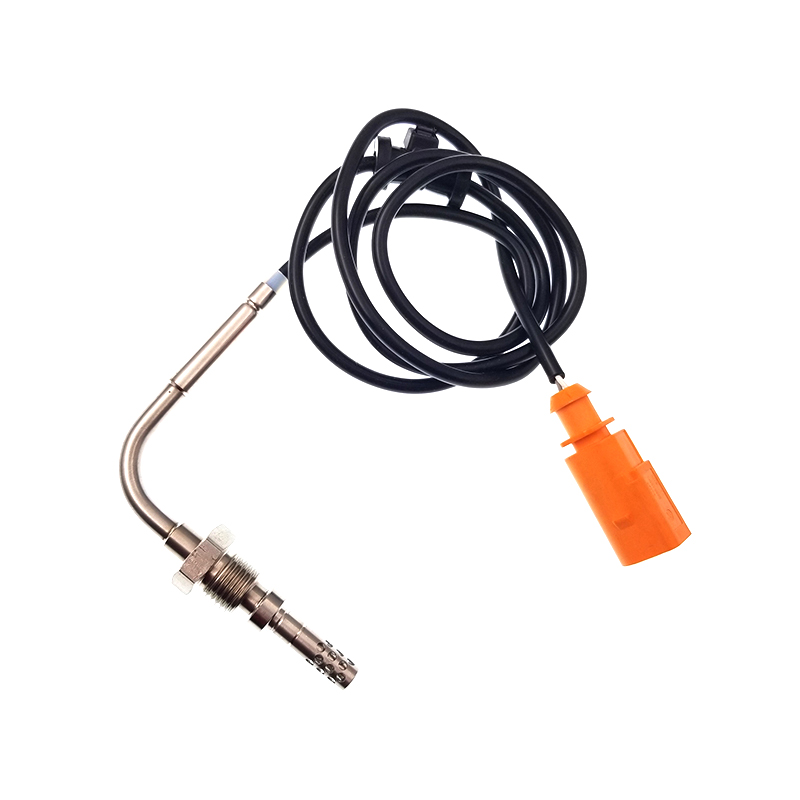
VWJETTA III (1K2) (2005/08 - 2010/10) VWGOLF VI (5K1) (2008/10 - 2013/11) VWGOLF VI Varia...
See Details
ADD: No.85 Jiuyuan Road, Economic Development Zone, Gaoyou city ,Yangzhou city ,225600 Jiangsu Province, China.
Copyright © Sook High Tech (Jiangsu) Co., Ltd. All Rights Reserved. OEM/ODM Automotive Sensor Manufacturers

