
 English
 Español
 Français
 简体中文
简体中文ADD: No.85 Jiuyuan Road, Economic Development Zone, Gaoyou city ,Yangzhou city ,225600 Jiangsu Province, China.
MERCEDES-BENZC-CLASS (W203) (2000/05 - 2007/08)MERCEDES-BENZC-CLASS Coupe (CL203) (2001/03 - 2011/06...
See DetailsContent
A thermal resistance temperature sensor measures temperature by detecting changes in the electrical resistance of a conductive or semiconductor material as temperature varies. Unlike thermocouple-based devices, thermal resistance sensors — commonly referred to as RTDs (Resistance Temperature Detectors) or thermistors — deliver higher accuracy, excellent repeatability, and stable long-term performance, making them the preferred choice for precision temperature measurement in industrial processes, marine applications, and laboratory environments. Their operating range typically spans from -200°C to 850°C, covering the vast majority of industrial temperature measurement needs.
The operating principle of a thermal resistance temperature sensor is straightforward: as temperature rises, the electrical resistance of the sensing element changes in a predictable and repeatable manner. For metal RTDs — such as PT100 and PT1000 — resistance increases with temperature. For NTC thermistors, resistance decreases as temperature increases, enabling highly sensitive detection of small temperature changes.
The sensing element is connected to a measurement circuit (typically a Wheatstone bridge or a constant-current circuit), which converts the resistance change into a readable voltage or current signal. This signal is then processed by the control system or data logger to display the corresponding temperature value. Because the resistance-temperature relationship of platinum and copper elements follows internationally recognized standards, cross-platform interchangeability is significantly simplified.
Both RTDs and thermistors fall under the broad category of thermal resistance temperature sensors, but they serve different application demands. Understanding their differences is essential for making the right selection.
| Parameter | RTD (e.g. PT100) | NTC Thermistor |
|---|---|---|
| Temperature Range | -200°C to 850°C | -40°C to 150°C (typical) |
| Accuracy | Class A / B / C (IEC 60751) | ±0.03°C to ±1°C (calibrated) |
| Sensitivity | Moderate | High |
| Response Time | 1s to 30s | Fast (sub-second possible) |
| Long-Term Stability | Excellent | Good |
| Typical Applications | Industrial process, marine, HVAC | Consumer electronics, automotive cabin |
For industrial procurement, PT100 and PT1000 RTDs are the most widely specified due to their compliance with IEC 60751 standards and broad compatibility with process control instrumentation. PT100 offers a baseline resistance of 100 Ω at 0°C, while PT1000 provides 1000 Ω, making it better suited for applications where long cable runs could introduce measurement errors.
Thermal resistance temperature sensors are deployed across a wide spectrum of industries where precise and reliable temperature data is critical for both safety and product quality.
Choosing the right thermal resistance temperature sensor requires a clear understanding of the application environment and measurement requirements. The following factors are most critical for procurement engineers and system integrators:
Confirm the minimum and maximum operating temperatures of your process. Standard platinum RTDs cover -200°C to 850°C. Accuracy classes — Class A, Class B, and Class C — define allowable tolerance levels; Class A offers the tightest tolerance (±0.15°C at 0°C) and is recommended for precision measurement systems.
Select the element type based on your circuit design: PT100 is the global standard for most industrial applications, while Cu50/Cu100 (copper elements) are commonly used in low-temperature HVAC and building automation where cost is a priority. For applications requiring multi-point acquisition — such as armored sensors with three PT100 elements in a single probe — ensure the sensor configuration matches your DAQ system's channel capacity.
Consider probe dimensions, connection type, and protective sheathing material. Applications involving vibration, moisture, or chemical exposure demand sensors with appropriate IP ratings and corrosion-resistant housings. For surface temperature measurement, self-adhesive flat-pad sensors eliminate the need for drilling or mechanical fixtures. As a professional OEM/ODM thermal resistance temperature sensor manufacturer, Sook High Tech offers customized solutions covering probe diameter, cable length, connector type, and accuracy class to meet specific project requirements.
Response time for thermal resistance sensors typically ranges from 1 second to 30 seconds, depending on the probe mass and thermal contact quality. For dynamic processes with rapid temperature changes, choose slimmer probe designs or sensors with reduced thermal mass to achieve faster response.
Proper calibration ensures that a thermal resistance temperature sensor maintains its specified accuracy throughout its service life. The calibration method should match the precision required by the application:
Regular recalibration intervals — typically every 12 to 24 months for industrial sensors — help detect drift caused by mechanical stress, contamination, or thermal cycling, ensuring continued measurement integrity.
Thermal resistance temperature sensors remain among the most reliable and accurate instruments for industrial temperature measurement. Whether you require a standard PT100 for process control, a multi-point armored sensor for furnace monitoring, or a surface-mount configuration for HVAC applications, selecting the correct element type, accuracy class, and mechanical design is essential for optimal system performance.
With an annual production capacity of over 600,000 sensors and a full range of customizable configurations — spanning PT10 through PT1000 and Cu50 through Cu1000 — Sook High Tech provides procurement teams and system integrators with the technical depth and manufacturing flexibility to meet demanding industrial specifications. Consulting with an experienced sensor supplier during the design phase can significantly reduce integration risks and ensure long-term measurement stability.
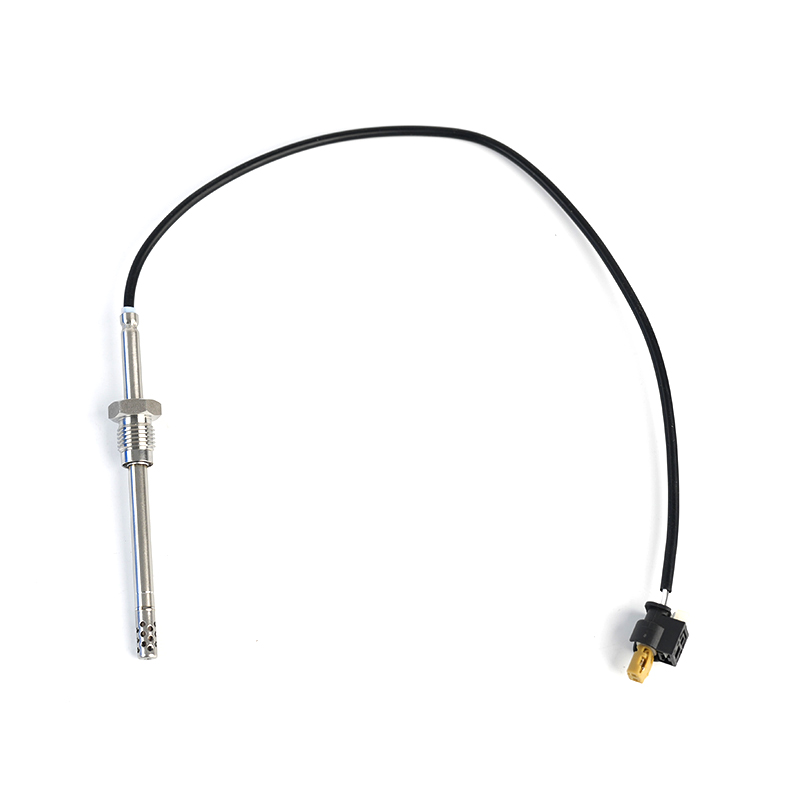
MERCEDES-BENZC-CLASS (W203) (2000/05 - 2007/08)MERCEDES-BENZC-CLASS Coupe (CL203) (2001/03 - 2011/06...
See Details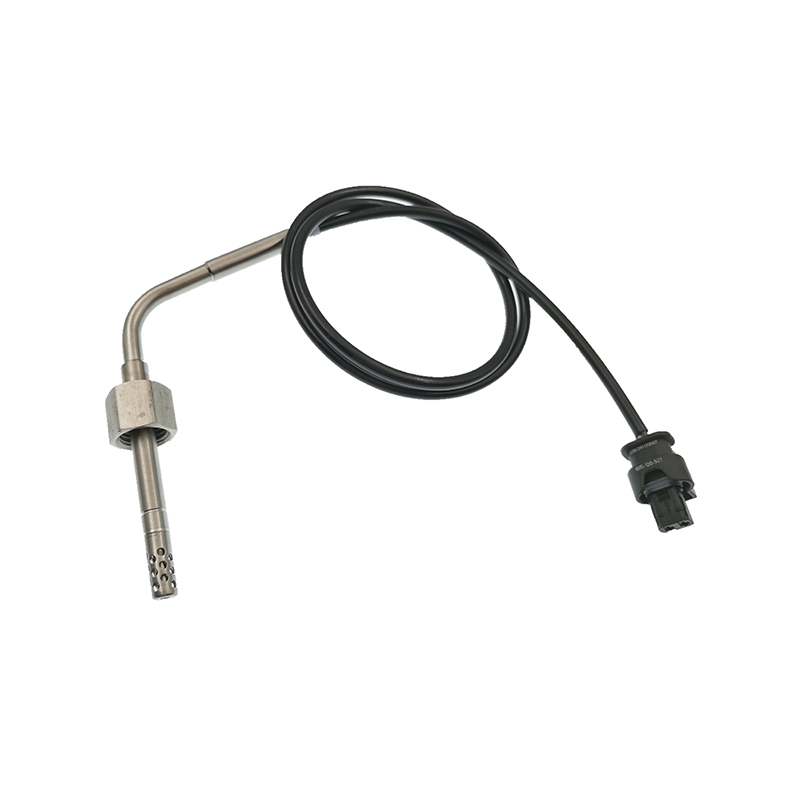
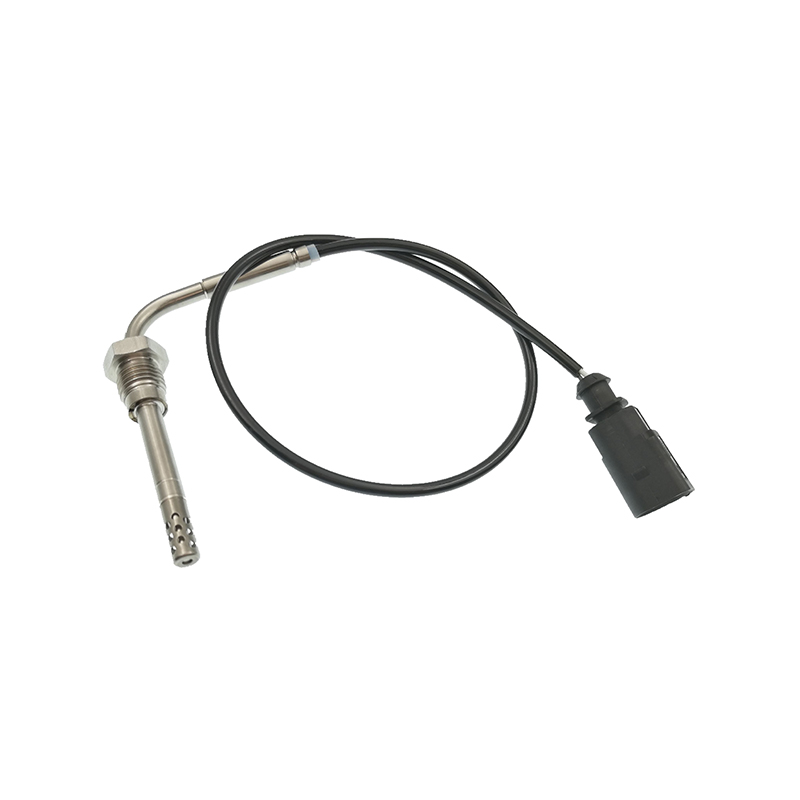
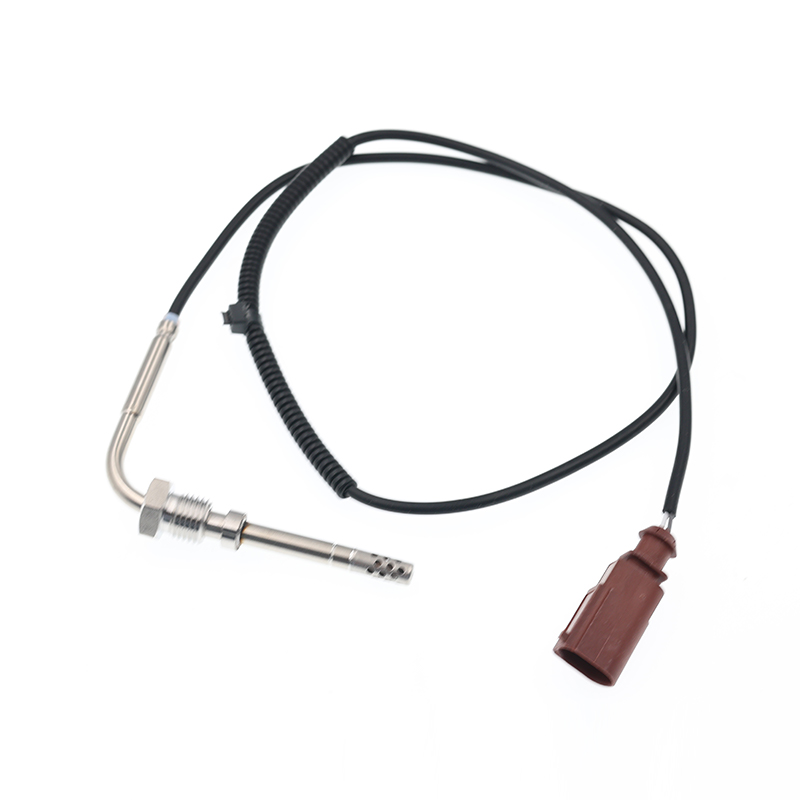
AUDIQ7 (4L) (2006/03 - 2015/08)VWTOUAREG (7LA, 7L6, 7L7) (2002/10 - 2010/05)
See Details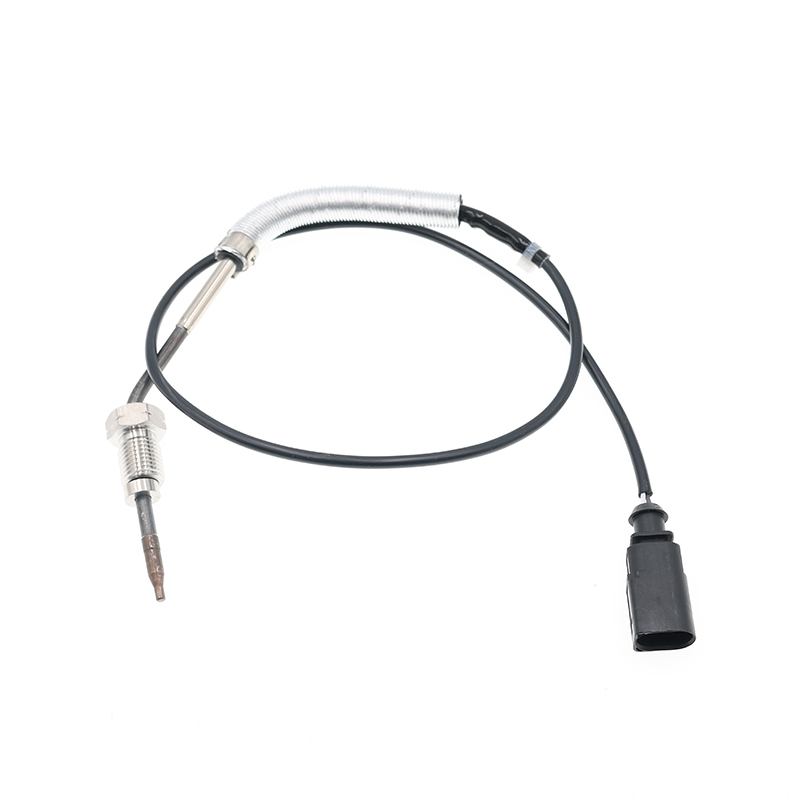
AUDIA3 (8P1) (2003/05 - 2012/08)AUDIA3 Sportback (8PA) (2004/09 - 2013/03)AUDIA4 (8EC, B7) (2004/11 ...
See Details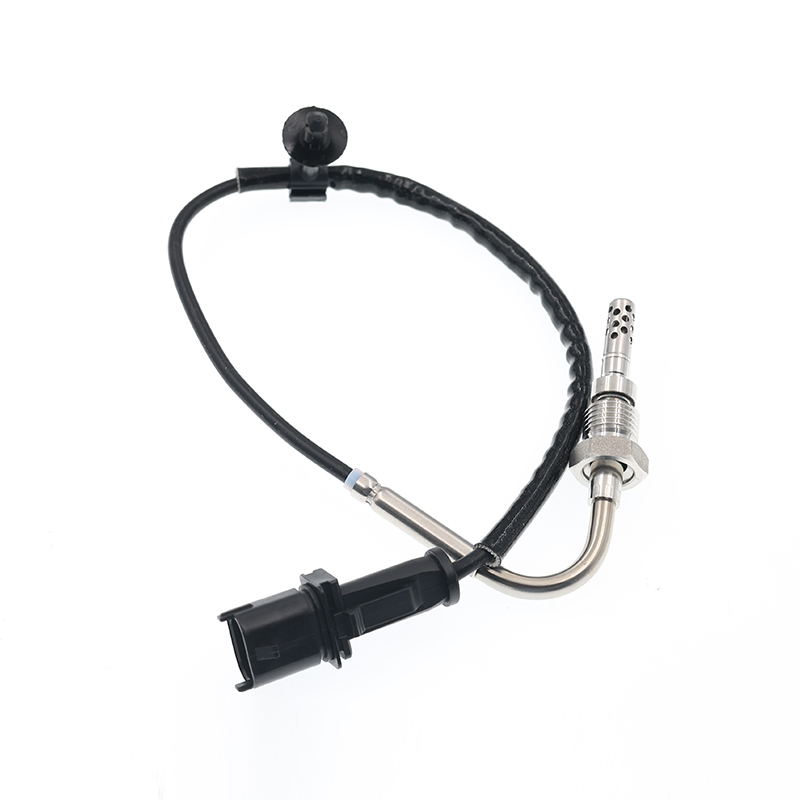
OPEL ASTRA J (2009/12 - /) OPEL ASTRA J Sports Tourer (2010/10 - /) OPEL ASTRA GTC J ...
See Details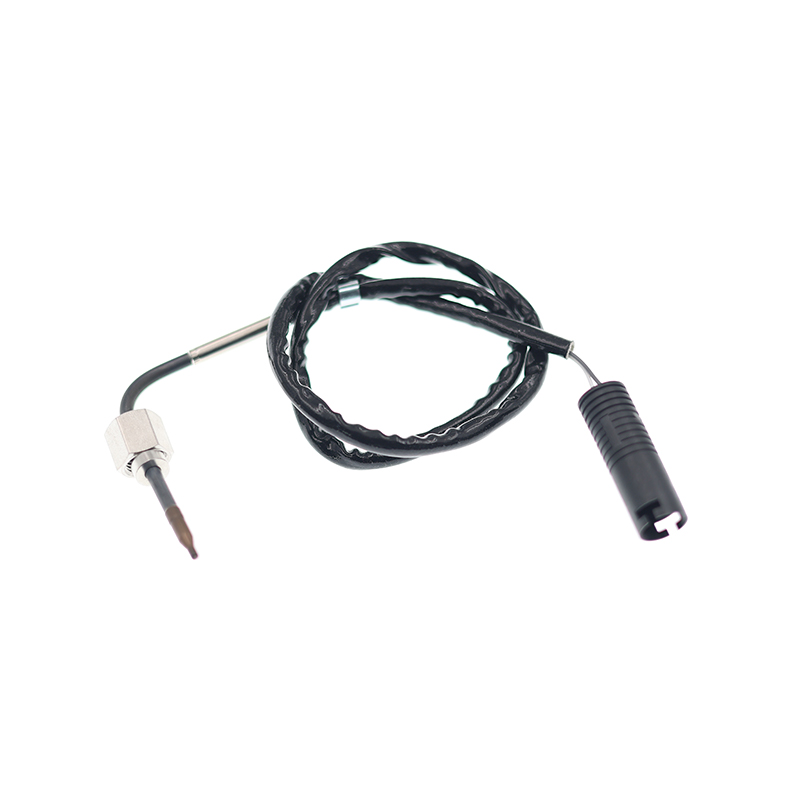
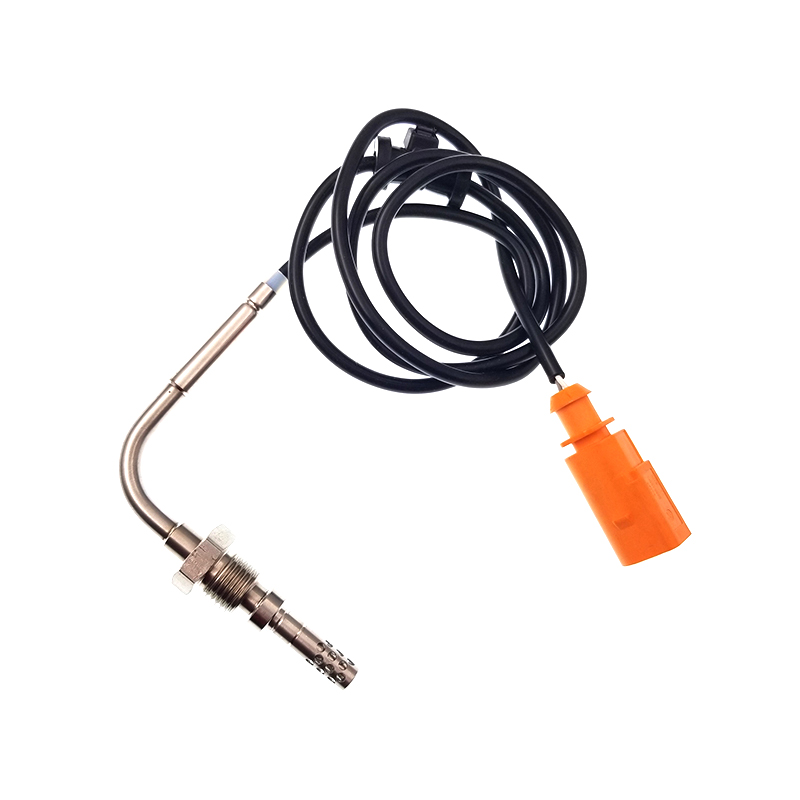
VWJETTA III (1K2) (2005/08 - 2010/10) VWGOLF VI (5K1) (2008/10 - 2013/11) VWGOLF VI Varia...
See Details
ADD: No.85 Jiuyuan Road, Economic Development Zone, Gaoyou city ,Yangzhou city ,225600 Jiangsu Province, China.
Copyright © Sook High Tech (Jiangsu) Co., Ltd. All Rights Reserved. OEM/ODM Automotive Sensor Manufacturers

