
 English
 Español
 Français
 简体中文
简体中文ADD: No.85 Jiuyuan Road, Economic Development Zone, Gaoyou city ,Yangzhou city ,225600 Jiangsu Province, China.
MERCEDES-BENZC-CLASS (W203) (2000/05 - 2007/08)MERCEDES-BENZC-CLASS Coupe (CL203) (2001/03 - 2011/06...
See DetailsContent
Automotive sensors serve three primary functions: monitoring vehicle systems in real-time, providing data for ECU (Engine Control Unit) adjustments, and triggering safety mechanisms. Without these sensors, modern fuel efficiency, emissions control, and autonomous driving features would be impossible. For example, a faulty oxygen sensor can increase fuel consumption by up to 40%.
In short, sensors convert physical conditions (temperature, pressure, speed) into electrical signals. The ECU processes these signals to optimize engine performance, transmission shifts, braking, and cabin comfort.
The engine relies on a network of sensors to maintain the ideal air-fuel ratio (14.7:1 for gasoline engines). Key sensors include the Mass Air Flow (MAF), Oxygen (O2), and Throttle Position Sensor (TPS). Data from these sensors allows the ECU to adjust injection pulse width and ignition timing.
Modern vehicles use up to 20 sensors just for engine management. Without these, emissions would exceed legal limits by 300-500%.
Safety sensors are no longer optional. Wheel speed sensors (one per wheel) enable Anti-lock Braking System (ABS) by detecting lock-up conditions. The system pulses brakes 15-20 times per second during emergency stops. Advanced systems add radar, LiDAR, and cameras for adaptive cruise control and collision avoidance.
Real-world example: A forward-facing radar sensor can detect a vehicle ahead within 0.1 seconds and apply brakes faster than any human. According to NHTSA, automatic emergency braking (AEB) reduces rear-end crashes by 50%.
Stricter Euro 6 and EPA standards require precise sensor feedback. The upstream O2 sensor fine-tunes the mixture, while the downstream O2 sensor monitors catalytic converter efficiency. A failing catalytic converter (detected by comparing both O2 signals) can trigger a check engine light and reduce efficiency by 20-30%.
Additionally, exhaust gas temperature (EGT) sensors protect diesel particulate filters (DPF). If EGT exceeds 700°C (1292°F), the ECU initiates regeneration to burn off soot. Without this, the DPF clogs, reducing horsepower and increasing backpressure.
| Sensor Type | Failure Symptom | Efficiency Loss |
|---|---|---|
| Oxygen (O2) | Rough idle, failed emissions test | Up to 40% higher fuel use |
| NOx Sensor | Diesel vehicle excessive smoke | 20-25% MPG drop |
| MAP/MAF | Hesitation, black exhaust | 15-20% power loss |
Here are the most common questions car owners and technicians ask about automotive sensors, answered with direct, actionable information.
A standard 2020+ passenger car contains between 60 to 100 sensors. Luxury or electric vehicles (Tesla Model S, Mercedes S-Class) may exceed 200 sensors, including interior cameras, humidity sensors, and battery temperature monitors.
The oxygen (O2) sensor has the highest failure rate, typically needing replacement every 60,000 to 90,000 miles. Next are crankshaft position sensors (often fail between 80k-120k miles) and mass air flow sensors due to contamination.
It depends. A failed wheel speed sensor disables ABS and stability control — still drivable but dangerous in rain or snow. A failed crankshaft sensor will cause the engine to stall or not start at all. Never ignore a check engine light caused by a knock or O2 sensor; driving more than 50-100 miles can damage the catalytic converter (repair cost $1,200–$2,500).
For two-wire sensors (coolant temp, TPS), use a digital multimeter. Measure resistance: most sensors show 2,000–10,000 ohms at 20°C (68°F) and drop to 200-400 ohms when heated. For ABS sensors, spin the wheel and measure AC voltage — a good sensor generates 0.5 to 5 volts. However, a $50 OBD2 scanner is far more accurate and provides live data.
Stick to OEM or tier-1 brands (Bosch, Denso, Delphi, Continental). A study by the Automotive Aftermarket Suppliers Association found that 22% of no-name aftermarket sensors failed within 6 months or provided inaccurate readings. For critical sensors (O2, MAF, knock), always pay 30-50% more for OEM quality — it will save you diagnostic headaches.
Automotive sensors are evolving from passive monitors to intelligent, communicating devices. ISO 26262 ASIL-D rated sensors now include self-diagnostic circuits. For example, a next-gen tire pressure sensor not only reports pressure but also predicts tread wear by measuring temperature and vibration patterns.
By 2027, over 75% of new vehicles will feature sensor fusion — combining camera, radar, and LiDAR data to create a 360-degree environmental model. This enables predictive gear shifting (e.g., downshifting before a hill is visible) and proactive battery cooling in EVs. For fleet operators, sensor-based predictive maintenance can reduce unplanned downtime by up to 45% (McKinsey data).
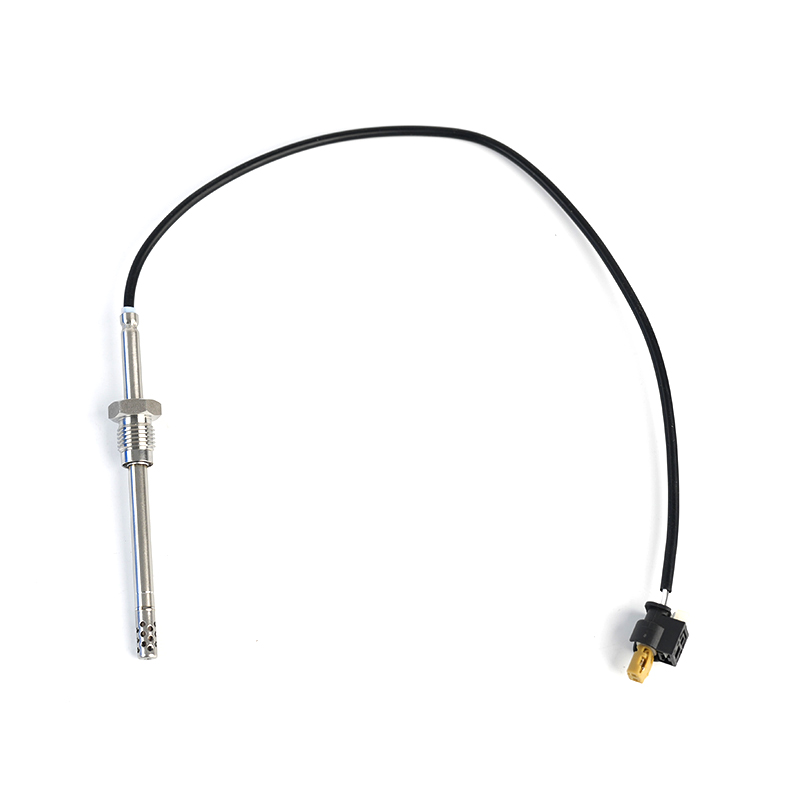
MERCEDES-BENZC-CLASS (W203) (2000/05 - 2007/08)MERCEDES-BENZC-CLASS Coupe (CL203) (2001/03 - 2011/06...
See Details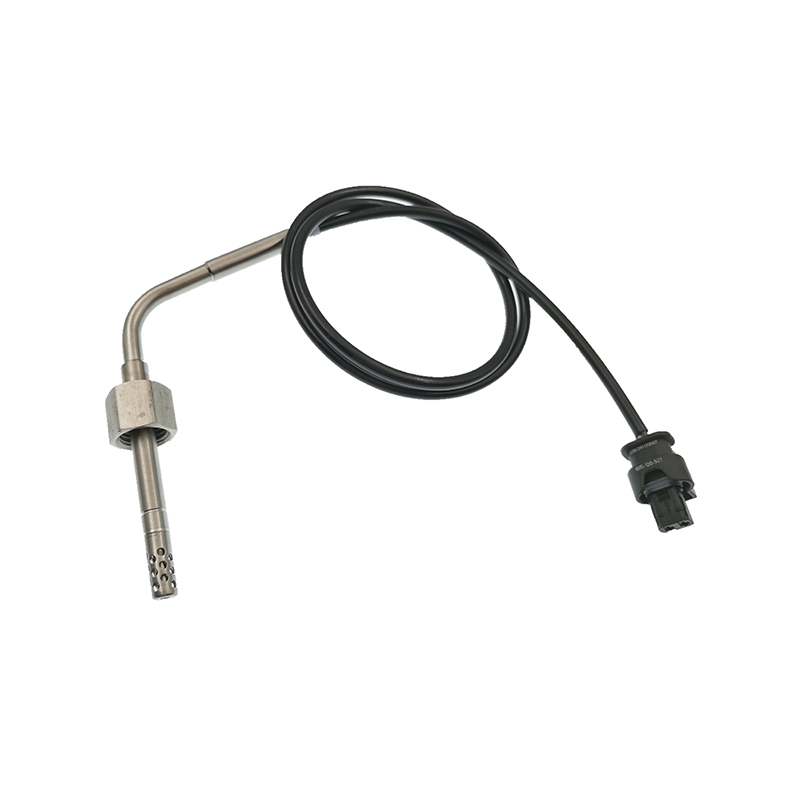
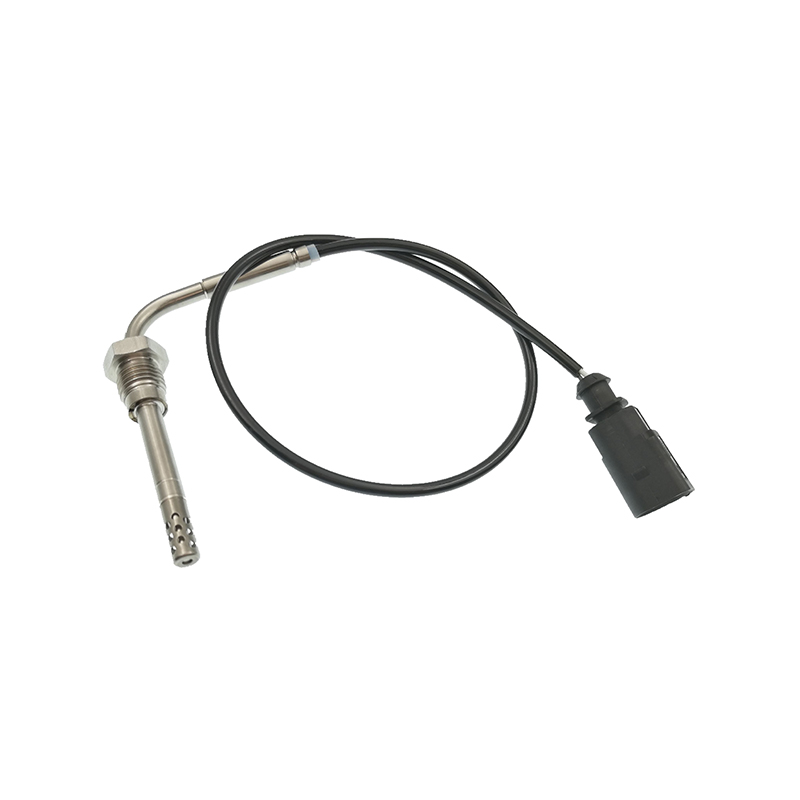
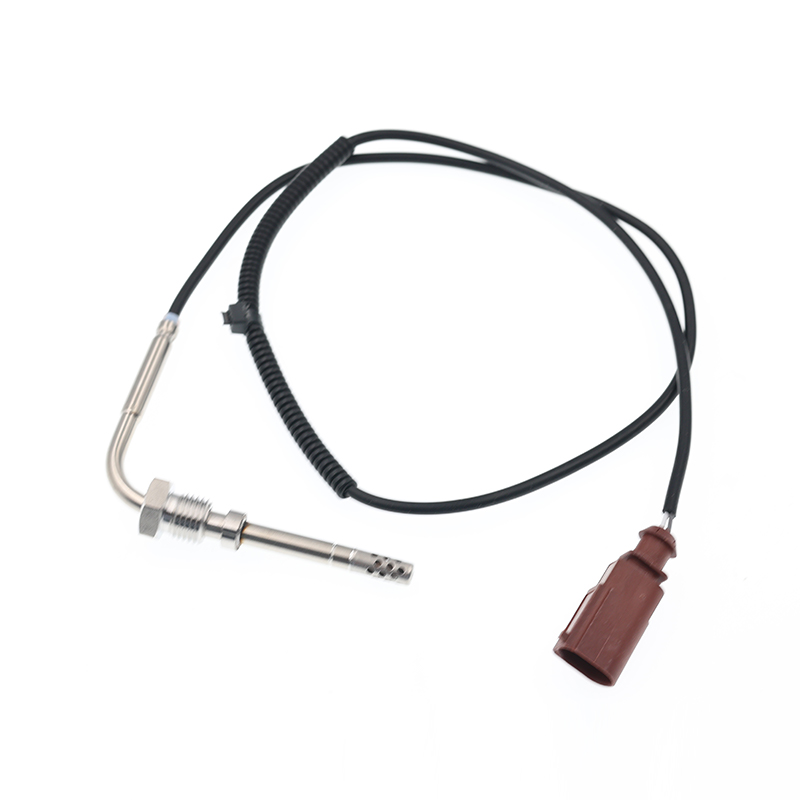
AUDIQ7 (4L) (2006/03 - 2015/08)VWTOUAREG (7LA, 7L6, 7L7) (2002/10 - 2010/05)
See Details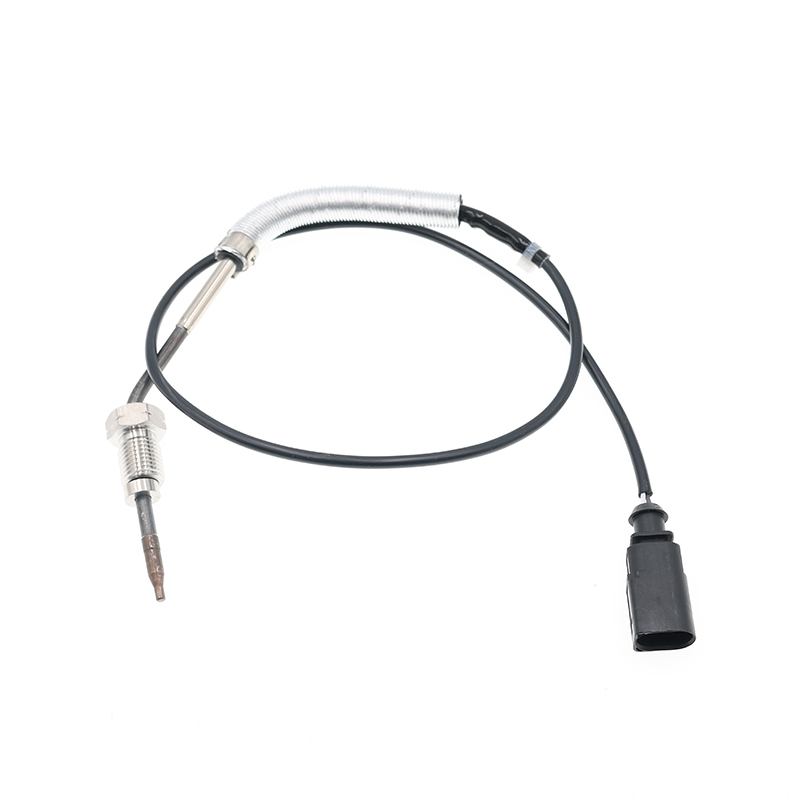
AUDIA3 (8P1) (2003/05 - 2012/08)AUDIA3 Sportback (8PA) (2004/09 - 2013/03)AUDIA4 (8EC, B7) (2004/11 ...
See Details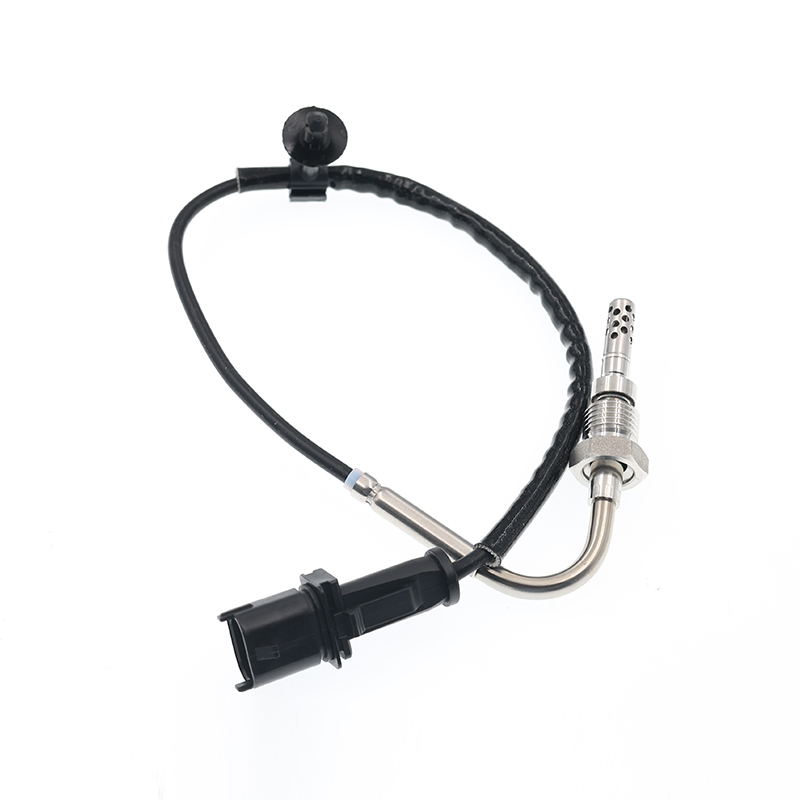
OPEL ASTRA J (2009/12 - /) OPEL ASTRA J Sports Tourer (2010/10 - /) OPEL ASTRA GTC J ...
See Details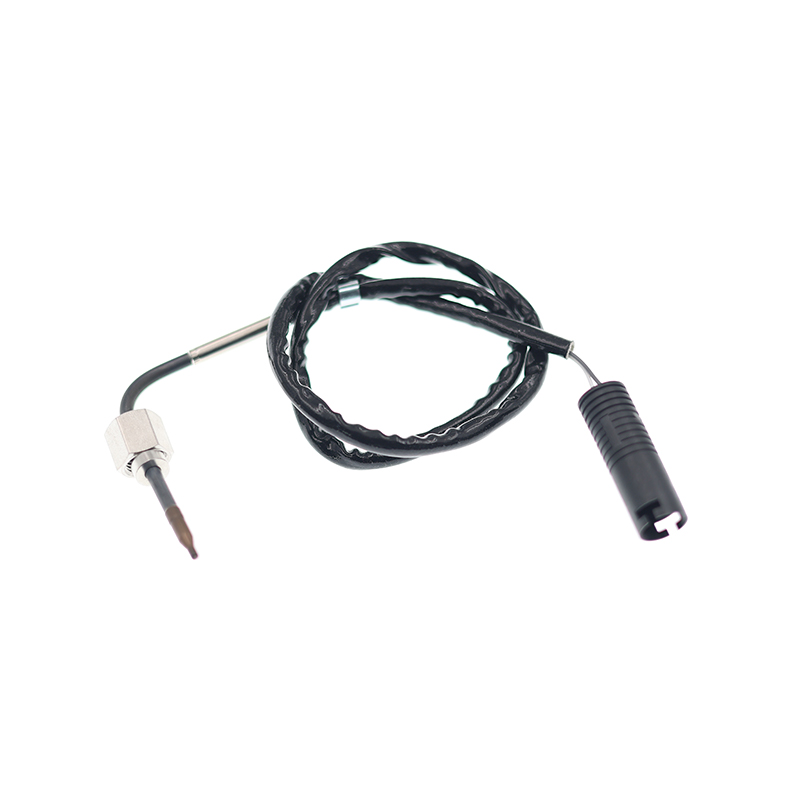
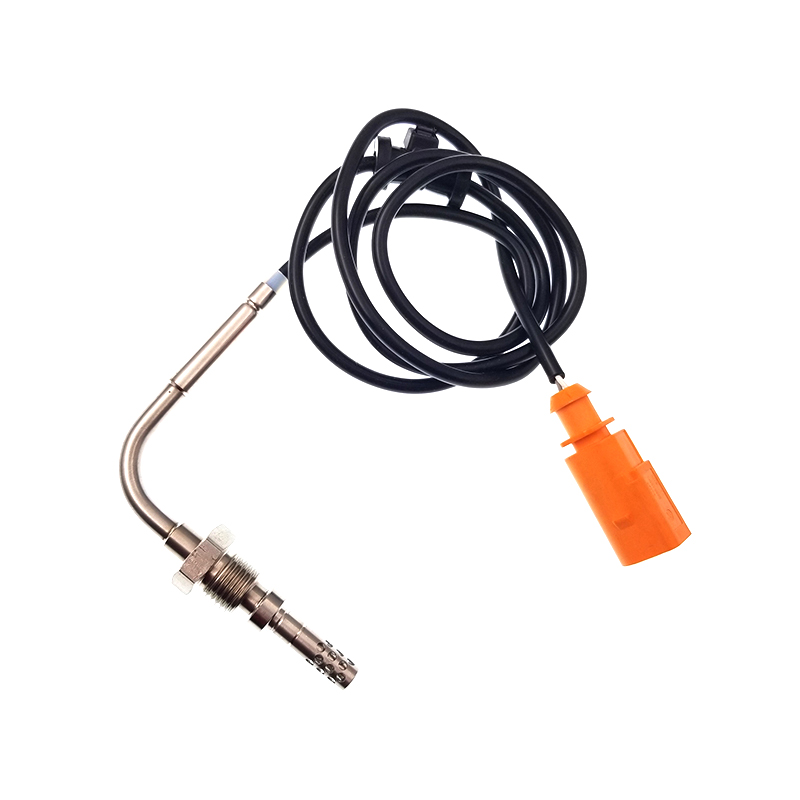
VWJETTA III (1K2) (2005/08 - 2010/10) VWGOLF VI (5K1) (2008/10 - 2013/11) VWGOLF VI Varia...
See Details
ADD: No.85 Jiuyuan Road, Economic Development Zone, Gaoyou city ,Yangzhou city ,225600 Jiangsu Province, China.
Copyright © Sook High Tech (Jiangsu) Co., Ltd. All Rights Reserved. OEM/ODM Automotive Sensor Manufacturers

